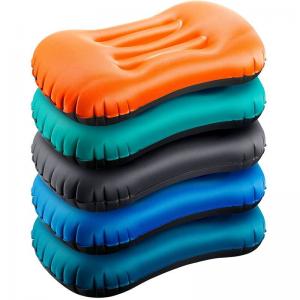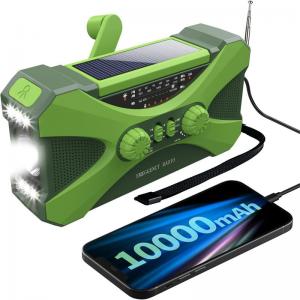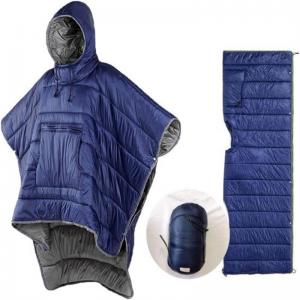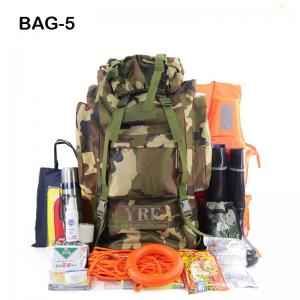
Preparedness Essentials: Emergency Bedding
When disaster strikes, being prepared is key. Our emergency bedding is designed to keep you safe and warm during unexpected events. Ideal for emergency responders, hospitals, shelters, and more, our bedding is a necessity for any household or office. Choose from a range of colors and sizes to fit your unique needs, ensuring you're ready for any situation. So why wait? Become a lifesaver today with our emergency bedding.
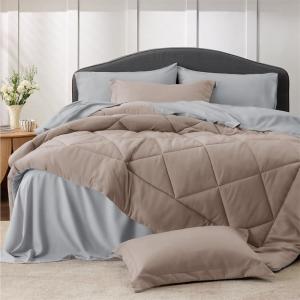
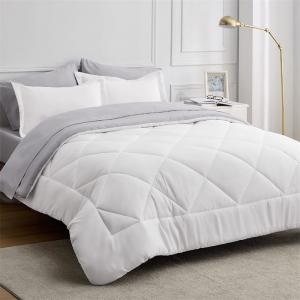

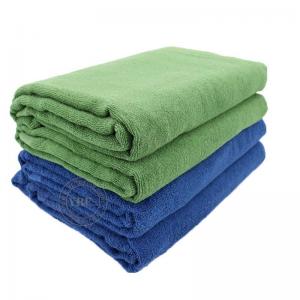
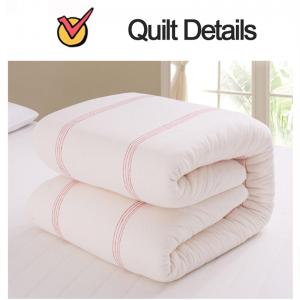
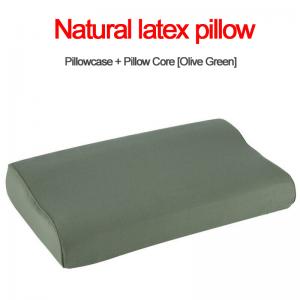
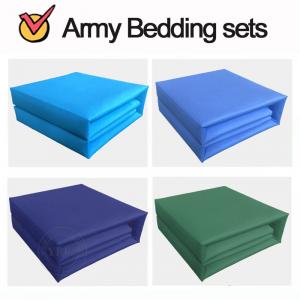
This page helps government and humanitarian projects, institutional buyers, accommodation managers, wholesalers, and distributors compare bed-sheet, duvet-cover, and pillowcase sets. Start with the accommodation model: temporary settlement beds, duty quarters, student dormitories, correctional accommodation, or hospital staff housing. Then confirm components, bed and insert dimensions, colour identification, linen rotation, and allocation requirements.

The category covers bedding outer components. Mattresses, duvet inserts, pillows, blankets, and sleeping bags are not automatically included in a “three-piece set.” They perform different functions and should be quantified separately in the RFQ.
YRF has 20 years of bedding textile manufacturing experience, with stable capacity for large bulk orders, 72-hour emergency production scheduling and full batch traceability. We have long supplied hotel bulk orders and emergency institutional projects, with AQL (Acceptable Quality Level) 2.5 inspection standard for all bulk orders.
✅ Bedding Project Quality Assurance: We control batch color consistency ΔE≤2.0, all fabric meets direct skin contact safety standards. All institutional bedding withstands repeated 60℃ industrial washing. Emergency orders receive production scheduling within 72 hours, with batch inspection and split port delivery supported.

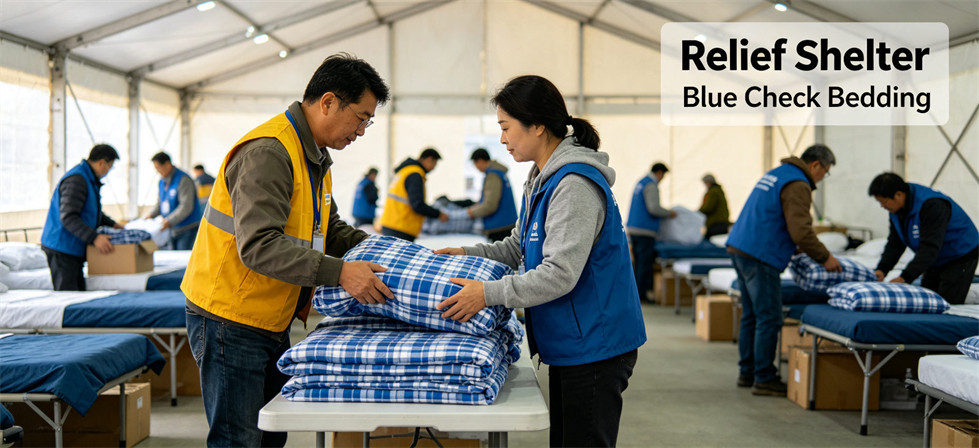
Recommended Specs: 3-piece set (flat sheet 230×250cm (91×98in), duvet cover 200×230cm (79×91in), pillowcase 48×74cm (19×29in)), 100% polyester 80gsm (grams per square meter, 2.4oz/yd²) fabric, solid blue/blue-green check, plain weave, 10-12 stitches per inch.
Core Requirements: Formaldehyde ≤75mg/kg, pH 4.0-8.5, no odor no fluorescent agents. Shrinkage ≤3% after 5 washes per ISO 6330, colorfastness to washing ≥3-4 grade per ISO 105. Multi-language care labels and custom logo supported.
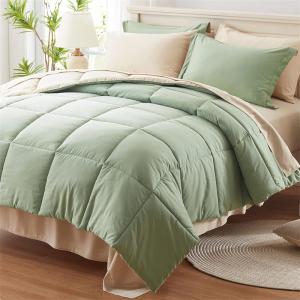
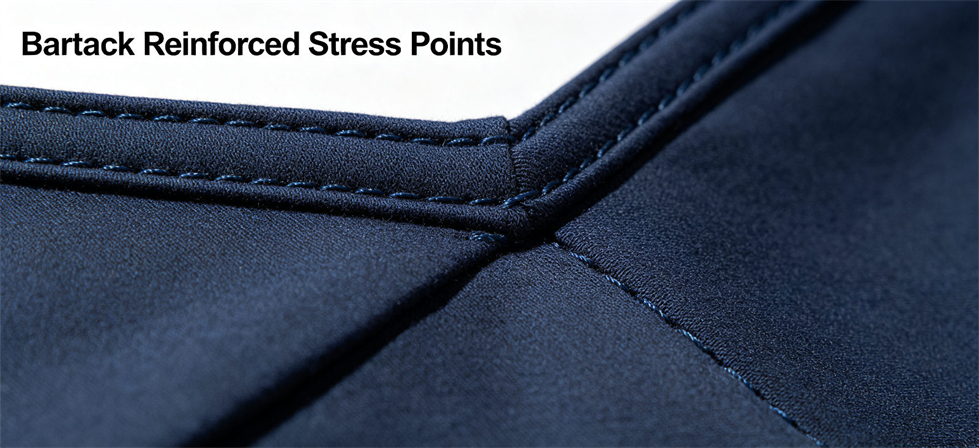
Recommended Specs: 3-piece set, olive green/khaki solid, poly-cotton 65/35 110gsm (3.2oz/yd²) fabric, 200TC (thread count), reinforced stitching at stress points, button closure for duvet cover.
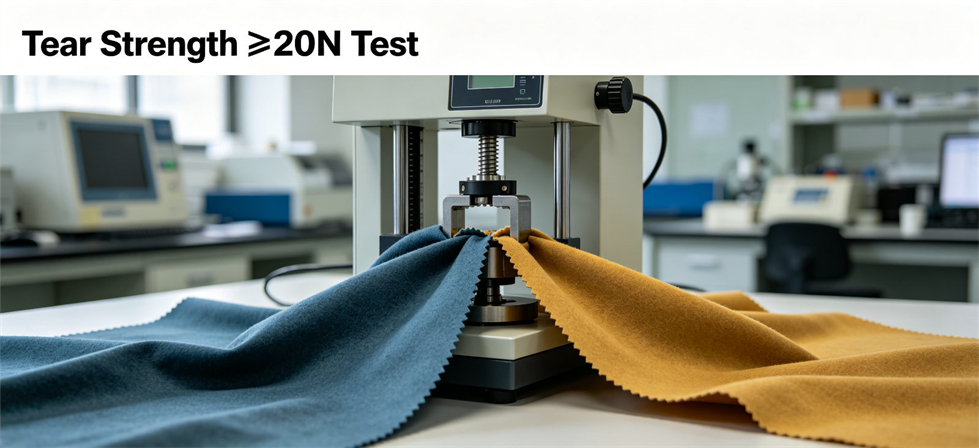
Core Requirements: Batch color difference ΔE≤2.0, tear strength ≥20N, pilling resistance ≥3 grade per ISO 12945-2. Withstands ≥50 industrial washes under 60℃ standard washing. Batch traceability supported; color alone does not indicate military standard compliance.

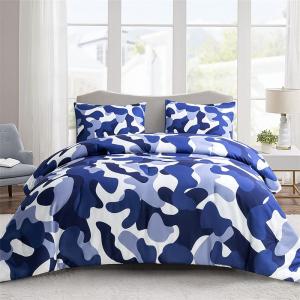
Recommended Specs: 3-piece set, navy/grey solid, durable poly-cotton 120gsm (3.5oz/yd²) fabric, heavy-duty stitching, envelope closure pillowcase, anti-tear reinforced edges.
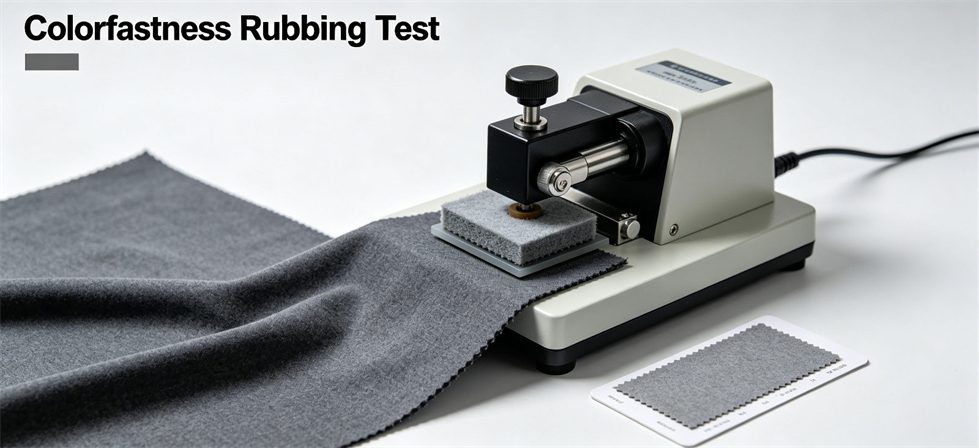
Core Requirements: Dimensional tolerance ±2cm (0.8in), colorfastness to rubbing ≥4 grade, no loose parts or small hardware that poses safety risks. Support uniform numbering and facility identification printing.

Recommended Specs: 3-piece set, light blue/navy/grey optional, 100% cotton or poly-cotton 120gsm (3.5oz/yd²), stripe or check pattern, envelope closure pillowcase, durable for repeated washing.
Core Requirements: Dimensional tolerance ±2cm (0.8in), colorfastness to rubbing ≥4 grade, no skewing after washing, support size marking and building identification, suitable for 3-5 year regular rotation use.

Recommended Specs: 3-piece set, light blue/white solid, 100% cotton 130gsm (3.8oz/yd²) fabric. Antibacterial finish is available as a custom option for medical projects.
Core Requirements: High temperature washable, colorfastness to washing ≥4 grade, no harmful dyes. Standard products meet OEKO-TEX 100 Class II standard; other test reports and certifications can be provided per project requirements, with special testing fees borne by the buyer.

Recommended Specs: 3-piece set, light blue/navy solid, poly-cotton 120gsm (3.5oz/yd²) fabric, stain-resistant treatment optional, durable for high-frequency shift changes.
Core Requirements: Quick-drying after washing, no skewing after repeated use, support station/department identification, suitable for 24-hour shift rotation use.

Use the accommodation purpose and visible colour to narrow the range, then connect the selected item to an approved sample, written component list, labels, and packing list. If a project requires a service specification, authorization, or particular performance, state its criteria and acceptance basis in the RFQ.

Multi-colour settlement and institutional beddingUse light blue, grey, pink, blue, or grey-green directions to separate buildings, user groups, bed groups, or destinations. Bind every colour to its own quantity, dimensions, and packing reference.
The priority is accurate bed-by-bed issue under time pressure. Confirm occupant count, beds and inserts, set contents, spare ratio, destination separation, and receiving references before finalizing quantities.

Uniform colour, bed compatibility, shift-based linen rotation, and repeat-order identification matter most. Olive green, navy, or light blue can support visible management. Any required service specification, standard, or authorization must be supplied and verified against the selected product.

These are institutional accommodation uses: correctional or detention accommodation, student dormitories, and hospital staff housing. They are not anti-ligature bedding, classroom emergency shelter, or patient-bed linen. Confirm bed sizes, durability and care requirements, change frequency, building or bed-group identification, and component replenishment. List any special security, medical, or hygiene standard, report, and acceptance method separately.

The current product baseline is a three-piece set containing a bed sheet, duvet cover, and pillowcase. Colour and institution names are not separate technical products. First decide whether the project needs complete bed allocation, component replenishment, or multi-destination separation, then confirm dimensions, material, colour, labels, and packing.
Procurement route
Problem it addresses
Confirm before quotation
Main mismatch risk
Complete three-piece allocation
Equip new or managed beds with a sheet, duvet cover, and pillowcase
Set quantity, component quantities, and mattress, duvet-insert, and pillow dimensions
The name “three-piece set” cannot replace an itemized component list
Single-component replacement
Replenish only sheets, duvet covers, or pillowcases to match existing bedding
Replacement component, finished size, colour, material, and closure
A bed type or old item name alone may cause size and appearance mismatch
Multiple sizes or destinations
Separate bed sizes, colours, label languages, or receiving locations in one order
Quantity, identification field, set packing, carton marks, and destination for each group
Unseparated records can cause mixed packing, wrong delivery, and difficult sorting
Confirm 9 Key Points Before They Cause Acceptance Disputes
Mandatory Health & Safety Red Line: All bedding sets meet international direct skin contact textile safety standards: formaldehyde ≤75mg/kg, pH 4.0-8.5, no decomposable aromatic amine dyes, no odor, no fluorescent agents. We strictly prohibit use of recycled medical fiber or untested dye materials. All bulk goods pass AQL 2.5 inspection before shipment.
Broad names such as bedding set, three-piece set, or four-piece set are not sufficient to control an order. The procurement requirement should list the bed sheet, duvet cover, pillowcase, and any added or substituted component separately, including the quantity and identity of each item.

For projects with multiple sizes or destinations, give each component combination a buyer-recognizable name or reference. Keep it consistent across the specification, approved sample, component labels, packing information, and receiving list to reduce missing items, mixed sizes, or carton-allocation errors.
When adding or replacing a component, update the set name, component quantity, dimensional system, labels, and packing list together. Do not change only the piece-count name while reusing outdated documents, because purchasing, production, and receiving teams may interpret the set differently.
Set field
Buyer input
Confirmation focus
Component list
Bed sheet, duvet cover, pillowcase, and any added component
The identity and quantity of every component
Dimension system
Bed, mattress, duvet insert, pillow, and textile-component dimensions
Finished dimensions, tolerance ±2cm (0.8in), and order-identification field
Visible configuration
Color, pattern, opening, closure, stitching, and label position
Consistency between the sample and visual reference
Material and care
Required material wording and applicable care or performance requirements
Specification, label, sample, and applicable test requirements
Identification
Set code, size, color, label language, barcode, or destination code
Alignment across components, set packing, carton marks, and receiving list
Packing
Folding method, set packing, component checklist, and carton arrangement
The packing sample matches the defined set contents
Bedding Term Professional Note: TC (thread count) is the number of threads per square inch of fabric; higher TC means softer and more durable. GSM (grams per square meter) measures fabric weight and thickness. Shrinkage is size change percentage after standard washing; acceptable level is ≤3% for institutional bedding per ISO 6330. Colorfastness measures dye retention, rated 1-5 with 5 being best per ISO 105.
All bedding sets support flexible customization to match project requirements:
All custom requirements are confirmed in writing before production, with pre-production samples provided for approval.
Samples: Only specification sheets, formal quotations and sample application guides are free. Sample fee is quoted separately based on specs and customization; sample fee and freight are prepaid by buyer. Sample fee can be credited to bulk order payment when the order meets required quantity and value. Standard sample preparation takes 3-7 working days after sample fee received; custom samples with special specs lead time confirmed per design difficulty.

Quality Control: Pre-production sample confirmation before mass production; in-line inspection during production covers fabric quality, stitching, color consistency; final AQL 2.5 inspection before shipment. Third-party inspection is supported, with fees borne by the buyer.
Delivery & Terms: Standard orders take 7-15 days, emergency orders receive production scheduling within 72 hours; final lead time is confirmed per contract. Shipping from major Chinese ports, supporting FOB/CIF/EXW terms; DDP can be evaluated per destination country. Standard products provide warranty against manufacturing defects. Standard specifications have MOQ requirements; custom specifications are discussed separately.
Bed sheets, duvet covers, and pillowcases are controlled by different dimensions. The sheet must fit the intended bed or mattress; the duvet cover must fit the selected insert and closure direction; and the pillowcase must match the pillow dimensions and opening. Names such as single bed or standard size are not sufficient for production confirmation.

Provide the target finished dimensions and allowable tolerance for every component. If the project includes after-care dimensions or shrinkage requirements, define the test and acceptance method and state whether measurements apply before or after the specified care process. Quotation, sample, and receiving teams should use the same measurement basis.
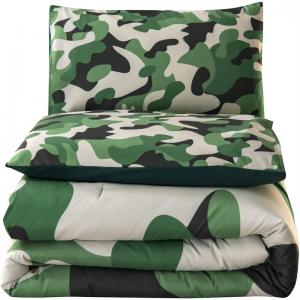
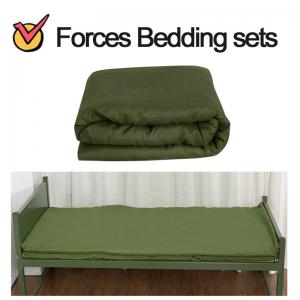
Available visual directions include blue checks, olive or khaki green solids, navy blue, light blue, and assorted solid colours. Olive green may be selected when specified by the buyer, but colour alone does not indicate military adoption, official authorization, or special performance. Colour and pattern may support project or destination identification; final shade, stitching, pillowcase opening, and duvet-cover closure should follow the approved sample and written specification.
Military and barracks bedding is an allowed procurement direction when the order defines the accommodation setting, bed and insert dimensions, component scope, colour or identification method, labels, set packing, and replenishment basis. If the tender requires military-standard compliance, official supply status, or armed-force adoption, provide the applicable standard or authorization and match it to the selected bedding configuration.

Material composition, weave, fabric weight, yarn construction, colorfastness, shrinkage, and care requirements cannot be inferred from appearance. When the project requires these fields, define the applicable test method, sample conditions, result format, and acceptance requirement and connect them to the current set configuration.
Every packing unit should contain the correct components, all linked to the same order information. For split deliveries, define the reference, quantity, label language, carton marks, and receiving destination for each batch. When one shipment includes different dimensions or colours, separate them clearly on the packing list.
Receiving checks should not count only cartons or complete sets. A sample inspection should also verify the component identities, component quantities, dimension code, labels, and folded packing within each set. If an item is missing or mismatched, record the affected set code and batch rather than filling the set with a component from another configuration.
Standard packing: 1 set per polybag, 20-30 sets per carton, carton dimensions and gross weight confirmed per order. Vacuum compression packing is available for long term storage, reducing storage volume by 50%. Store in dry, ventilated warehouse away from direct sunlight; storage life is 3-5 years under standard conditions.
Acceptance should mean more than “bulk goods match the sample.” Procurement documents should state which records are used to check components, dimensions, construction, labels and packing, when each item is checked, and which items require renewed approval after a change. This gives the supplier an executable basis and reduces reliance on verbal explanations during receiving, replenishment, or audit.
Lock the component list, dimension chain, material wording, quantity, and destinations first. Put fields that cannot yet be quoted, tested, or accepted on an open-item list instead of hiding them behind a broad “as per sample” statement.

Connect the sample ID to the written specification, appearance reference, labels, and packing sample. If components, dimensions, construction, or identification differ, update the record in writing before confirming the bulk baseline.
Use agreed inspection method to check missing components, mixed packing, dimension codes, labels, and packing integrity. When a problem appears, record the affected order group, batch, and cartons instead of writing only “the shipment does not comply.”
Compare the last approved component list, retained sample or photo record, and change list. Confirm changes to material, dimensions, closures, labels, and packing individually and write them into the new specification.

Bed sheets, duvet covers, and pillowcases may have different replacement needs. Calculate procurement quantities separately from occupied beds, simultaneous laundry changeovers, reserve beds, and component-loss replacements instead of using one untraceable “beds × sets” total. Buyers should also decide whether future replenishment will purchase complete sets or individual components and record the component name, dimensions, appearance, opening or closure, and packing unit that replacements must match.
When a material, color, construction, label, or packing field changes, update the written configuration and identify the affected cartons and destinations. Repeat procurement should refer to the retained component list, specification, sample record, labels, and packing information instead of relying only on an old product name or image.
For an individual-component replenishment, state whether the item will be packed as a separate spare or recombined into a complete set. A separate spare needs its own quantity and packing identification; a recombined set requires a renewed check of all components, dimension codes, and the receiving list. Neither route should reuse the complete-set quantity basis without clarification.

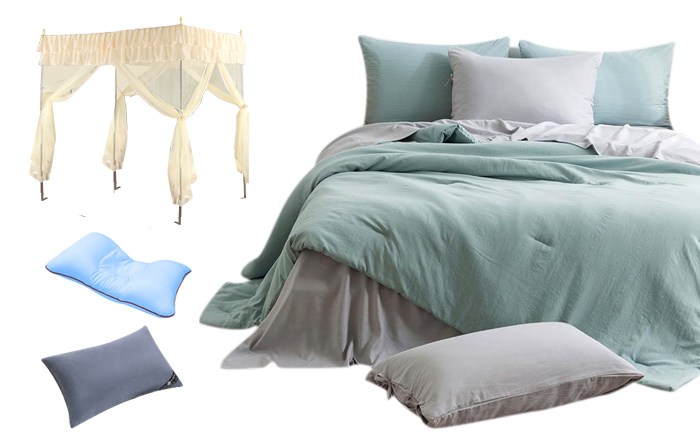
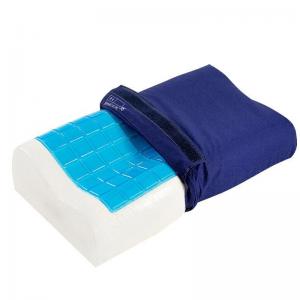
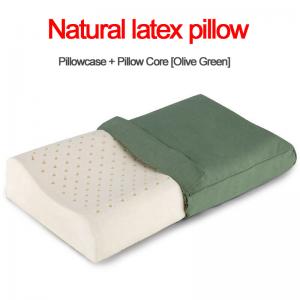
After defining the bedding outer components, add support, warmth, mosquito protection, or personal items according to the actual bed environment. Do not hide different functions inside one undefined “accommodation kit.”
Emergency relief blankets: open coverage and added warmth
Emergency sleeping bags: enclosed personal sleep equipment
Emergency folding beds: raised bed spaces and support
Emergency inflatable mattresses: floor support and temporary bed spaces
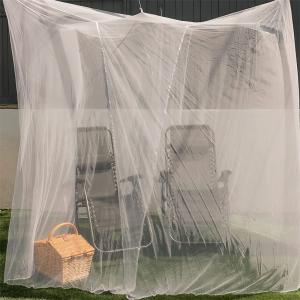
Emergency mosquito nets: bed-space protection where insect exposure is relevant
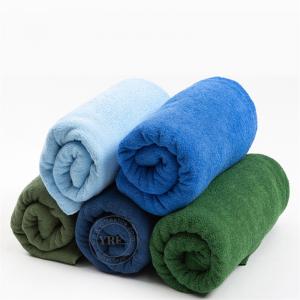
Emergency compressed towels: personal-hygiene allocation
No. The standard set covers only a sheet, duvet cover and pillowcase. Inserts, mattresses and blankets are separate products; list all required components in your inquiry for accurate quoting.
Start with set quantity, destination, project use, component list, and bed/insert dimensions. Add material, color, labels, packing and acceptance requirements, and we will confirm remaining details.
Pricing varies by component count, size, material, customization, testing, quantity and Incoterms. All quotes are for confirmed configurations, with a standard validity period of 30 days.
Standard specifications have standard MOQ requirements; custom sizes, colors or packaging are discussed separately. Share your target configuration and quantity for feasibility check.
Only specification documents are free. Sample fee and freight are prepaid, and can be credited to bulk orders meeting required quantity. Standard samples take 3-7 days; custom sample lead time confirmed per spec difficulty, linked to written approval record.
Standard orders take 7-15 days; emergency orders are scheduled within 72 hours. Final lead time is confirmed per contract, based on quantity, customization and production schedule.
Yes, after confirming quantity, packing, carton data, labels and marks for each group. Loading quantity is confirmed after packing data is final; consistent identification is used across all documents.
Provide the required standard, test items and acceptance criteria. Relevant reports can be arranged per project requirements, with third-party testing fees borne by the buyer.
No. Color only defines appearance. Confirm bed sizes, components, material, care, labels and packing; any special standard requires written verification against the selected product.
This page covers staff dormitories for institutions, including student and hospital staff housing. Patient medical use or clinical linens require separate verification and different specifications.
Standard acceptable shrinkage is ≤3% in length and width after 5 washes per ISO 6330. Shrinkage over 5% will cause fit issues; shrinkage test reports are provided for bulk orders.
Standard pilling resistance is ≥3 grade per ISO 12945-2. Higher thread count poly-cotton blends have better pilling resistance; pilling test reports are available for high-frequency wash projects.
Yes. Provide authorized artwork to confirm print/embroidery position, size and color. Markings are tested to withstand repeated industrial washing without fading or peeling.
Assign a unique reference to each color/size/component combination, and repeat it on labels, packing, carton marks and receiving lists. Update only affected groups when quantities change.


Provide the buyer type, project use, quantity, destinations, component list, bed and insert dimensions, finished dimensions for each component, material direction, color or pattern, openings and closures, labels, packing, documents, samples, and acceptance requirements. YRF can use these inputs to organize a component list, dimensional matching table, sample checkpoints, and the label and packing requirements for complete sets or single-component replenishment.
Submit your requirement to receive
free full specification sheet + formal
quotation + sample application guide
within 24 hours. We support
split delivery and batch inspection for
large projects.

YRF Textile | 20 Years Emergency Relief Textile Manufacturer
Przyjazne linki :
prawa autorskie © Custom Disaster - Relief Bedding: Tents, Sleeping Bags, Blankets Wszelkie prawa zastrzeżone
profesjonalny zespół do obsługi !