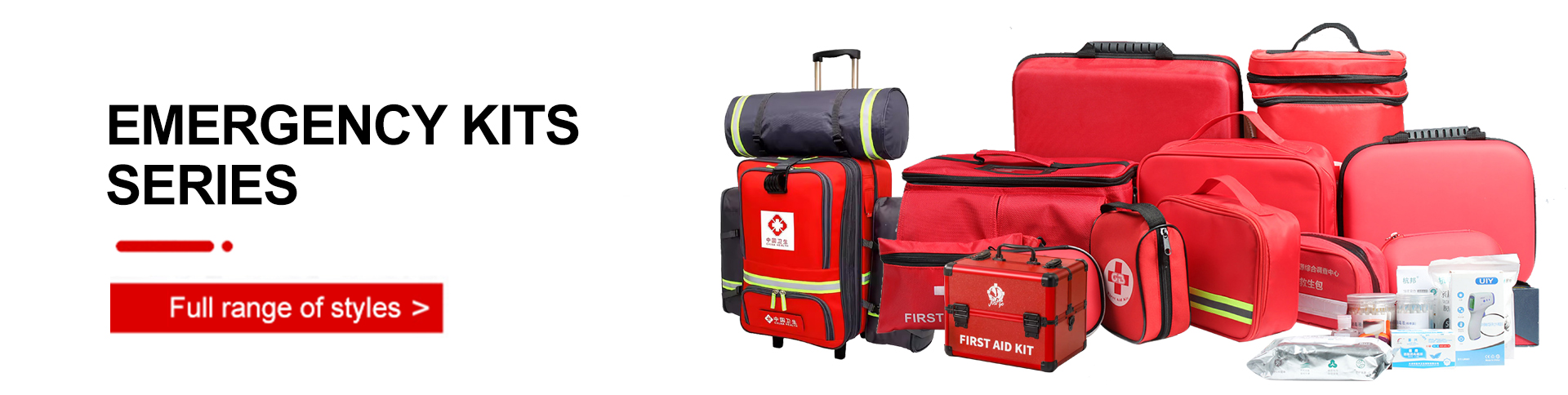
Flood Emergency Kit: Your Comprehensive Disaster Preparedness Solution
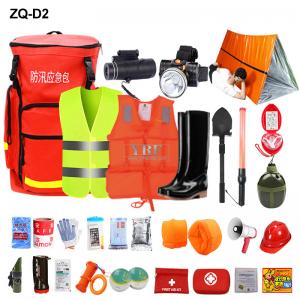
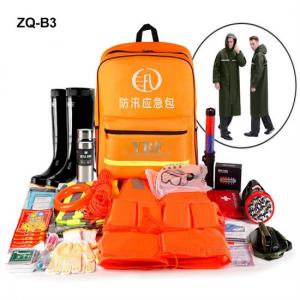
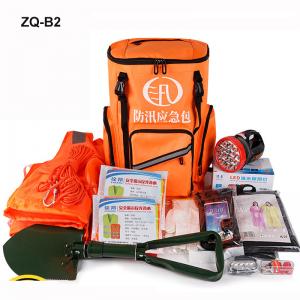
The Flood Emergency Kit is a comprehensive disaster preparedness package designed to meet the unique challenges of flood-related emergencies. This kit includes a range of essential products that can be used in various disaster scenarios, making it an invaluable resource for individuals, families, businesses, and organizations alike. With its user-friendly design and thoughtful selection of items, the Flood Emergency Kit ensures that you are well-prepared for any flood-related emergency.
Łącznie 1 strony
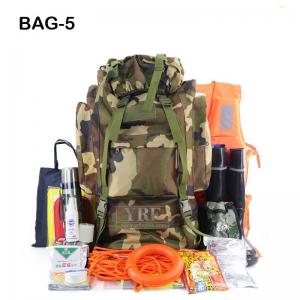
When floodwater rises, a rescue team needs one thing above all: a complete flood relief kit on their back. Not scattered items in a closet. Not a few life jackets hanging on a wall. A single, organized water rescue backpack that holds everything a responder needs — flotation, tools, medical supplies, lighting, and survival gear — ready to grab and go.

 |

|
|
|
|
|
|
|
|
|
|
30-Second Quick Understanding
|
Table of Contents |
|
|
1. Why Buy Wholesale First Aid Kits From YRF? |
14. First Aid Skills Every Kit User Should Know |
|
2. Who Needs Which First Aid Kit? |
15. Injury by Injury Quick Guide |
|
3. What Is Inside a First Aid Kit? |
16. Government Tender & Bid Support |
|
4. How to Choose the Right First Aid Kit |
17. Certifications & Quality Standards |
|
5. Our Wholesale First Aid Kit Types |
18. Bulk Order Configuration Example |
|
6. Compare First Aid Kits Side by Side |
19. Packaging & Container Loading |
|
7. Common Deployment Scenarios |
20. Quality Control Process |
|
8. First Aid Kit Contents Checklist |
21. Quality Risk Comparison: Cheap vs Premium Kits |
|
9. Size, Weight & Capacity Guide |
22. Common Procurement Mistakes to Avoid |
|
10. Shelf Life & Rotation Plan |
23. Recommended First Aid Kit Bundles |
|
11. Material and Construction Guide |
24. 10 Point Buyer Checklist |
|
12. Customization & OEM Options |
25. Related Products |
|
13. ANSI Z308.1 Standard Guide |
26. First Aid Kit FAQ |

We are a leading manufacturer of water rescue equipment with customers in over 40 countries. We have configured thousands of these kits. We know what works in real floods, not just on a product catalog. Yet many organizations get this wrong. They buy cheap life jackets from unknown suppliers. They stuff a few throw ropes in a closet and forget about them. Then the flood actually hits — and the equipment fails. This guide walks you through sourcing a proper wholesale flood relief kit, flood relief kits and flood rescue supplies that meets real-world demands.
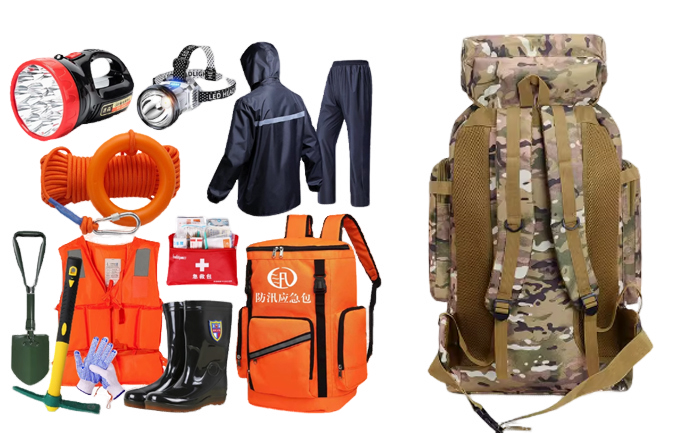
A A properly configured flood emergency pack combines water rescue PPE and personal protective equipment, rescue tools, and survival supplies into a single package. Here is what a professional rescue backpack typically contains:
|
Category |
Essential Gear |
|
Flotation |
Rescue PFD / life jacket, whistle |
|
Clothing |
Rain suit, dry suit / wet suit, waders, waterproof boots |
|
Protection |
Rescue helmet, neoprene gloves, eye protection |
|
Tools |
Throw bag with floating rope, carabiners, rescue knife |
|
Medical |
Trauma first aid kit, emergency blanket |
|
Comms & Light |
Walkie talkie radio, waterproof headlamp, flashlight |
|
Survival |
Water pouch, food bar, waterproof packaging |
We are a trusted manufacturer and supplier of complete water rescue backpacks and flood rescue supplies. Our catalog includes more than 285 flood rescue supplies and water rescue gear and water rescue equipment products across 11 major categories — all fitting into one properly configured flood relief pack. This makes us a true one-stop partner for government procurement and disaster relief supplies, disaster relief programs and disaster relief kits. Whether you are outfitting a 6-person swiftwater rescue equipment and swiftwater rescue team with professional-grade backpacks, preparing 5,000 family flood kits for government distribution, or simply need 10 rescue packs for your factory dock — this page covers everything you need to make the right purchasing decision.

When you source flood relief supplies in bulk, you are not buying plastic and fabric. You are buying trust. Your team depends on that equipment in fast-moving water. Every wholesale bulk water rescue kit from a reliable supplier and trusted supplier is built to consistent specifications, with traceable materials and documented quality control. But not every supplier delivers on that promise.
Our customers include fire departments, emergency management agencies and emergency response teams, municipal water authorities, industrial facilities, outdoor rescue teams, and humanitarian aid organizations. The reason is simple: the whole process stays under one roof. Product configuration, material selection, printing, packaging, and export documentation. No handoffs. No confusion. No chasing three different factories for one order.

Every batch matches the approved sample. When a sample is approved, every unit in the order matches that sample. No surprises. No variation between first and last carton. This matters for government procurement and tender programs where consistency is non-negotiable. Many suppliers say this, but few actually do it — we have the QC records to prove it.
What goes inside matters. The product team has configured flood kits for urban flooding, mountain flash floods, typhoon storm surges, and reservoir overflow scenarios. Each item is classified as essential, optional, or rarely used. No overstock. No underpreparation. We help you avoid buying items that sit on a shelf forever and missing items that actually save lives.
Real documentation, prepared before shipment. CE declarations, ISO certificates, third-party inspection reports, packing lists, and material safety data sheets are all available. For tender submissions, factory audit reports and production capability statements are also provided. We understand that government and NGO buyers need paperwork as much as they need the product itself.
285 products, one supplier. Instead of sourcing life jackets from one factory, boats from another, and first aid kits from a third, you get everything from YRF. This saves you negotiation time, shipping cost, and coordination headaches. One purchase order, one shipment, one point of contact. That is the one-stop flood relief supplier advantage.

Emergency response and flood response is not just for firefighters. Every organization that operates in a flood-prone region needs at least basic flood preparedness. The table below summarizes which types of organizations need which level of equipment, based on our experience supplying over 40 countries. Use it to quickly identify where your organization fits.
|
Organization Type |
Primary Use Case |
Recommended Equipment Level |
Typical Order Quantity |
Key Considerations |
|
Fire Department / Rescue Team |
Active water rescue, Swiftwater operations |
Professional Grade |
50-200 units |
Certified equipment, training included |
|
Government Emergency Agency |
Disaster response, mass evacuation |
Full Set |
500-5000 units |
Tender documentation, distribution packaging |
|
Municipal / Water Authority |
Flood control, drainage, inspection |
Standard Grade |
100-500 units |
Durability for daily use |
|
Industrial Facility |
Worksite safety, employee evacuation |
Basic Grade |
20-100 units |
Employee safety, OSHA compliance |
|
Property Management |
Basement flood prevention, resident safety |
Entry Level |
10-50 units |
Prevention, early warning |
|
Community / NGO |
Relief distribution, family preparedness |
Family Pack |
1000+ units |
Low cost per unit, easy distribution |
This table helps you understand the broad landscape, but each organization is different. A fire department in a mountainous region needs different gear than one in a coastal city. A school needs different equipment than a refinery. Our product team works with you to match the right level to your actual operating environment, not a generic catalog.

For professional flood rescue team operations, equipment must meet the highest standards. This includes whitewater rescue PFDs with knife lanyards and multiple attachment points. You also need helmet and harness systems, plus throw bags with floating rope rated for dynamic loads. Inflatable boats must be rated for Class III-IV rapids. Dry suits are essential for cold water operations. This is especially true in mountain rivers where water temperature stays below 15°C year-round. All gear must be tested and certified to NFPA 1670 or equivalent standards.

Government flood procurement involves large quantities, strict documentation, and formal tender processes. We supply complete disaster relief kits that can be distributed to affected families or deployed by response teams. Each kit is packaged in waterproof bags with clear contents lists and multilingual instructions. Volume per order ranges from 500 to 5,000 units. We have experience working with UN procurement, national emergency management agencies and emergency response teams, and Red Cross affiliates.
City water departments and municipal flood control teams need equipment for regular inspection and response work, not active rescue. This includes basic life jackets for boat patrols, rain gear, waterproof boots, and communication devices. Their needs are less specialized than rescue teams but still require reliable, comfortable gear for daily use. Durability and ease of maintenance matter more than extreme performance.

Factories in low-lying areas need industrial flood preparedness to protect workers and comply with safety regulations. This includes emergency evacuation kits for workers, portable pumps, sandbags, and basic first aid. Industrial kits often add face shields, splints, and cold packs. Capacity depends on the number of employees on site and the severity of the flood risk in that location.

Property managers responsible for underground parking, basements, and ground-floor units need flood prevention supplies to protect residents and property. Sandbags, water pumps, sump pumps, and basic life jackets for staff are standard. The focus is on prevention and early evacuation rather than active rescue. A single flood event can cost a property manager more in repairs and claims than a decade of flood preparedness spending.
NGOs, humanitarian organizations, and community groups distribute family flood kits to households at risk before monsoon season or hurricane season. These kits are affordable, compact, and contain the essentials: life jacket, whistle, flashlight, emergency blanket, basic first aid. Cost per unit is important because the goal is wide distribution, not professional-grade performance. We optimize these kits for value while still meeting minimum safety standards.

|
Category |
Basic Kit |
Standard Kit |
Professional Kit |
Rescue Team Set |
|
Personal Flotation |
1 life jacket (adult) |
2 life jackets + whistle |
Whitewater PFD + harness |
Full set of 6 PFDs |
|
Waterproof Clothing |
Rain poncho |
Rain jacket + pants + boots |
Wet suit / dry suit + waders |
Full dry suits + rain gear |
|
Head & Hand Protection |
- |
Helmet + gloves + boots |
Rescue helmet + neoprene gloves |
6 sets of helmets + gloves + boots |
|
Rescue Tools |
Throw rope (15m) |
Throw bag + rope (30m) |
Throw bag + throw bagger + carabiners |
Multiple throw bags + rope system + knife |
|
First Aid |
Basic bandages |
First aid kit (50 pcs) |
Trauma first aid kit |
Full medical kit + AED |
|
Lighting & Comms |
Flashlight |
Headlamp + radio |
Headlamp + walkie-talkie |
6 radios + spare batteries |
|
Survival Supplies |
Emergency blanket |
Blanket + water pouch |
Blanket + water + food bar |
Full 72-hour survival kit |
|
Packaging |
Plastic bag |
Waterproof duffel |
Floating backpack |
Wheeled dry bag |
Notice how the cost jumps dramatically from Basic to Rescue Team Set. That is because professional-grade equipment uses certified materials, reinforced stitching, and tested components. The Basic kit is fine for a family or small office, but it will not hold up to a real swiftwater rescue. The mistake many buyers make is buying Basic-grade gear and expecting Professional-grade performance. Match the kit level to your actual risk level.

Choosing the right water rescue equipment depends on four key factors: water temperature, current speed, number of people to be rescued, and the experience level of your team. Buying professional gear for a team that has never done swiftwater rescue is wasteful — they will not know how to use it, and it will sit in storage. Buying entry-level gear for a fire department doing active river rescue is dangerous — it will fail when you need it most.
The table below helps you match equipment level to your actual needs. Think about your worst-case scenario, not your average day. The flood that forces you to use this equipment will not be a mild one — it will be the worst one you have ever seen.
|
Factor |
Entry Level |
Standard Grade |
Professional Grade |
|
Water Temperature |
Warm (>20°C) |
Cool (10-20°C) |
Cold (<10°C) |
|
Current Speed |
Slow (<1 m/s) |
Moderate (1-2 m/s) |
Fast (>2 m/s) |
|
Team Experience |
Basic training |
Certified first aid |
Swiftwater rescue certified |
|
Typical Use |
Home, small boat |
Workplace, patrol |
Active rescue, swiftwater |
|
Cost per Unit |
$20-50 |
$80-200 |
$300-800 |
|
Expected Lifespan |
2-3 years |
5-7 years |
8-10 years |
Always consult with your training officer before placing a bulk order. The right equipment level depends on your actual operating environment, not a generic product catalog. Our product team can help you match specifications to your specific scenario, and we are happy to provide samples so you can compare quality before committing to a large order.

We supply a complete range of flood rescue equipment across 11 major categories. Below is an overview of each category with key products, so you can quickly identify which items match your needs. Click through to individual product pages for detailed specifications, or contact us for a full catalog.

Our life jacket and life vest range includes multiple types for different use cases. We also supply floating rescue rope and tether systems for team operations. Whitewater rescue PFDs have multiple attachment points, a front pocket, and a knife lanyard — built for professionals who need to be tethered and equipped. Inflatable belt PFDs are compact and convenient for patrol officers who do not want bulk. General-purpose life jackets work for boat patrol and general safety. Cheap promotional vests are designed for mass distribution by NGOs and government agencies. All life jackets meet CE standards and come with adjustable straps and whistle attachments.

For cold water rescue, dry suits keep water out completely using latex gaskets at the neck, wrists, and ankles. They allow you to work in cold water for 30+ minutes without hypothermia risk. For warm water diving or shorter operations, wet suits provide thermal insulation through a thin layer of trapped water that warms up from body heat. We also supply commercial dive suits for professional underwater work. All suits come in sizes S to XXL, with reinforced knees and seat for durability.
Every rescue worker needs reliable flood rain gear that keeps water out during long hours in the rain. We supply two-piece rain suits (jacket and pants) in heavy-duty PVC or Oxford fabric with PU coating. For shallow water operations up to chest depth, chest waders and hip waders are essential — they let responders walk through flooded streets without submerging. Waterproof rain boots with steel toe and slip-resistant sole complete the set. All rain gear comes with sealed seams, adjustable cuffs, and reflective strips for visibility. Unlike cheap rain ponchos that tear in 10 minutes, our rescue-grade rain suits last through an entire flood season of daily use.
Professional rescue helmets protect against rocks, debris, and impact in fast-moving water. They have adjustable chin straps and are compatible with headlamps. Neoprene gloves keep hands warm and provide grip on wet ropes and surfaces. Neoprene or rubber waterproof rescue boots protect feet from debris, sharp objects, and hypothermia — look for steel shank and anti-slip outsole. All accessories are designed for water rescue use, not general outdoor recreation — they need to stay on when pulled by a strong current.

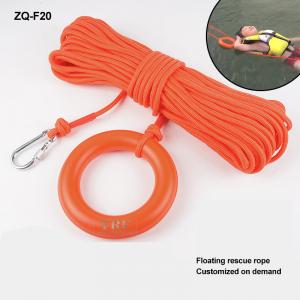
Throw bags are the most essential rescue tool after a PFD. They contain 15-30 meters of floating rope packed in a waterproof bag that can be thrown accurately to a person in the water. We supply floating rescue rope in yellow, orange, and white — bright colors that are easy to see in murky water. For longer reaches, pneumatic throwers can launch a rope up to 80 meters using compressed air. We also supply tether systems, carabiners, rescue swimmer ropes, and rope bags for team operations. The quality of the rope matters more than most buyers realize — cheap rope floats poorly and breaks under dynamic load. Our rescue ropes are tested to ISO standards and rated for both static and dynamic load scenarios.

Inflatable boats and RIBs (rigid inflatable boats) are essential for any serious water rescue operation. We supply sizes from 3 meters (4-person) to 6 meters (12-person), with optional aluminum floors, motor mounts, and rescue platforms. Boat trailers, outboard motors, and repair kits are also available. For narrow urban streets or indoor rescues, smaller boats or kayaks may be more practical. For open water or rivers, a 6-meter RIB with motor is preferred.
Water rescue first aid differs from standard first aid in important ways: hypothermia treatment, drowning response, and wound care in wet conditions are key. We supply water-resistant first aid kits, trauma packs, emergency blankets, and burn dressings suitable for wet environments. All medical supplies are packed in waterproof containers that float if dropped in water.
Water rescue often happens at night or in low-visibility conditions — think urban flooding during a power outage. Waterproof headlamps, floating flashlights, and rescue search lights are essential. For technical operations, we also supply underwater cameras, side-scan sonar for locating submerged victims, and gas detectors for checking air quality after flood water recedes.
For advanced teams, we supply underwater robots for searching submerged vehicles and structures. We also provide search-and-rescue drones for aerial reconnaissance. Ice rescue equipment for frozen lakes and rivers is available too. Commercial dive systems for underwater recovery round out the lineup. These are specialized products that require training and certification. But they dramatically improve the effectiveness of technical rescue operations. Without this equipment, many operations would simply be impossible.

The table below compares the main flood relief kit types across key procurement dimensions. Use it to narrow down which package fits your deployment scenario. All configurations can be customized with your logo, colors, and contents list. Think about your worst-case scenario when choosing — the kit you buy today might be needed in the worst flood of your region's history.
How to read this table: Buoyancy (N) directly equals how much weight the PFD can lift — 50N is a child, 75N is a small adult, 100N+ is a professional water rescue jacket. Waterproof rating (IPX) tells you whether the bag survives a splash (IPX4) or full submersion (IPX7). Deployment time = how fast your team can be in the water after an alarm. Choose the level that matches your worst-case scenario, not your average day.
|
Package |
Capacity |
Best For |
Key Feature |
Cost Level |
|
Family Emergency Pack |
1-2 people |
Home, family preparedness |
Affordable, compact |
Low |
|
Workplace Safety Kit |
10-20 people |
Office, factory, school |
Wall-mounted, visible |
Low-Medium |
|
Patrol / Patrol Kit |
2-4 people |
Boat patrol, inspection |
Comfortable, durable |
Medium |
|
Technical Rescue Kit |
6-person team |
Fire department, swiftwater |
Professional grade, certified |
High |
|
Full Community Response |
50-100 families |
Government relief, NGOs |
Bulk packaged, distributed |
Medium per unit |
The most common mistake we see is organizations buying the Technical Rescue Kit when they only need a Workplace Safety Kit — wasting money on features they will never use. The opposite mistake is just as common: buying an entry-level kit for a team that actually does active rescue. Match the package to your real needs, and you will get better value and better safety.

Different flood scenarios require different equipment and tactics. The table below summarizes the five most common flood situations and what equipment works best for each. Understanding your primary scenario helps you buy the right gear the first time.
|
Scenario |
Water Depth |
Current Speed |
Primary Risk |
Key Equipment |
|
Urban Street Flooding |
0.5-2m |
Slow-Moderate |
Electrical hazard, trapped cars |
Waders, PFDs, boats |
|
Mountain Flash Flood |
1-3m |
Fast (>2m/s) |
Debris impact, foot entrapment |
Whitewater PFDs, helmets, throw bags |
|
Typhoon Storm Surge |
1-5m |
Fast + wind |
Structural damage, wide area |
Reinforced boats, comms, shelter |
|
Reservoir / Dam Failure |
3-10m |
Very fast |
Sudden wave, downstream risk |
Early warning, mass evacuation kits |
|
Basement / Underground Flood |
0.2-1m |
Still |
Electrical, confined space |
Pumps, respirators, basic PFDs |

City flooding happens when heavy rain overwhelms drainage systems. Streets become rivers, basements fill with water, and electrical hazards multiply. Equipment needs: waders, basic PFDs for staff, portable pumps, and search and rescue teams with boats. Speed is critical because people are trapped in apartments and vehicles. Most urban floods happen at night, so lighting is essential.

Flash floods in narrow mountain valleys rise in minutes. Water moves fast and carries rocks, trees, and debris. Equipment needs: whitewater PFDs, helmets, throw bags, and experienced teams in sturdy inflatable boats. This is the most dangerous type of water rescue because reaction time is measured in minutes, not hours. Even a small mistake in fast-moving water can be fatal.

Typhoons bring wind-driven rain and coastal flooding. Equipment needs: full rain gear, reinforced boats for rough seas, and communication equipment for wide-area coordination. Relief operations last days or weeks, so durability and spare parts matter more than light weight. Shelter and food supplies become as important as rescue equipment in this scenario.
Dam failures or controlled releases create sudden downstream flooding. Equipment needs: rapid-response teams with boats on standby, evacuation supplies for downstream communities, and monitoring equipment to track water levels. This is a government-level operation involving multiple agencies and mass evacuation of thousands of people.
When floodwaters reach schools, hospitals, or nursing homes, evacuation is urgent and complicated. Equipment needs: enough life jackets for everyone, boats or amphibious vehicles, and medical support for vulnerable populations. The key challenge is moving elderly or disabled people quickly and safely without causing additional injuries.

Use this checklist when configuring your own flood rescue kit contents list. Mark each item as essential, optional, or not needed based on your specific operating environment. It covers everything from personal protective equipment to survival supplies. Print it out and go through it with your team before placing an order.
Notice that the Basic kit is quite minimal — it covers the absolute essentials for a family or small team. The Pro kit adds redundancy and professional-grade equipment for a full rescue team. You can mix and match: start with the Standard kit, then add Pro items for specific team members who need them. This is often more cost-effective than buying full Pro kits for everyone.

Flood kit size depends on two things: how many people you are equipping, and how long they need to operate. A single person's grab-and-go kit is very different from a 6-person team's deployment bag. Always measure the actual storage space before confirming the order. Many buyers order a kit that looks great on paper. Then it does not fit in their vehicle or storage locker. Avoid that mistake.
|
Category |
Item |
Basic |
Standard |
Pro |
|
Flotation |
Adult life jacket |
1 |
2 |
6 |
|
Flotation |
Child life jacket |
- |
1 |
2 |
|
Flotation |
Rescue throw bag (15m) |
- |
1 |
3 |
|
Clothing |
Rain poncho |
1 |
- |
- |
|
Clothing |
Rain jacket + pants set |
- |
1 |
1 per person |
|
Clothing |
Waders (chest/hip) |
- |
1 |
1 per person |
|
Clothing |
Wet suit / dry suit |
- |
- |
1 per person |
|
Protection |
Rescue helmet |
- |
1 |
1 per person |
|
Protection |
Neoprene gloves + boots |
- |
1 set |
1 per person |
|
Tools |
Throw rope (30m floating) |
- |
1 |
2 |
|
Tools |
Carabiner / rope clip |
- |
2 |
6 |
|
Tools |
Rescue knife / line cutter |
- |
1 |
1 per person |
|
Medical |
Basic first aid kit |
1 |
- |
- |
|
Medical |
Trauma first aid kit |
- |
1 |
1 |
|
Medical |
Emergency blanket |
1 |
2 |
6 |
|
Comms |
Whistle |
1 |
2 |
6 |
|
Comms |
Walkie-talkie |
- |
- |
2 |
|
Light |
Flashlight / headlamp |
1 |
2 |
6 |
|
Survival |
Water pouch (500ml) |
1 |
2 |
6 |
|
Survival |
Food bar / energy gel |
- |
2 |
6 |
|
Packaging |
Waterproof bag / dry bag |
1 |
1 |
1 per person |
For team kits, remember that someone has to carry this equipment. A 25 kg team pack is manageable for two people but heavy for one. Wheeled kits are better for vehicle-based operations where you do not need to carry far. Mini pouches are great for individual carry but limited in capacity — use them as supplementary, not primary, kits.

Waterproof rating is the most important specification for flood equipment. A jacket that splashes through puddles will fail in a submerged rescue operation. The table below explains common materials and what they actually mean. Do not trust a product that simply says "waterproof" without explaining what material it uses.
|
Material |
Waterproof Level |
Breathability |
Best For |
|
PVC coated nylon |
Submersible |
Low |
Dry bags, boat covers |
|
600D Oxford + PU |
Splash-proof |
Medium |
General rain gear |
|
Neoprene |
Waterproof + thermal |
None |
Wet suits, gloves, boots |
|
Gore-Tex / ePTFE |
Splash + breath |
High |
Premium rain jackets |
|
Hypalon |
Industrial waterproof |
None |
Inflatable boats, heavy use |
For professional water rescue, PVC and neoprene are non-negotiable for key items. Splash-proof materials are fine for everyday rain gear but will not protect someone who falls in the water. When in doubt, ask the supplier what material they use and test it yourself with a sample before bulk ordering.

We offer full OEM and custom branded flood kit services — your brand, your contents, your packaging. Your logo can be printed or embroidered on every piece: life jackets, bags, helmets, and even individual bandages. Custom colors, contents lists, and packaging are all available. MOQ for custom logo is typically 500 units. Contact us for a detailed quotation. Many government and NGO buyers choose custom kits because it makes distribution easier and improves brand recognition for their organization.

We understand that government flood procurement involves strict tender processes and long documentation requirements. We provide complete documentation: product specification sheets, test reports, CE/ISO certificates, factory audit reports, and sample units for evaluation. Our export team has experience with tenders from NGOs, UN agencies, and national emergency management departments. All paperwork is prepared in advance so you can focus on your bid submission rather than chasing documents.

Medical and safety products require proper certification. Our water rescue equipment carries CE certified and ISO certified water rescue equipment for the European market. We also hold ISO 9001 for quality management. All products meet relevant product-specific standards (SOLAS for life jackets, EN 393 for buoyancy aids). Third-party test reports are available for every production batch. Always ask for documentation when comparing suppliers — a cheap life jacket without certification is not a real bargain. In a real emergency, the certification on your PFD might be the difference between life and death.

The best equipment is useless if nobody knows how to use it. Every member of your response team should know these core skills before entering the water. Equipment and training go together — one without the other is dangerous.
Hold the bag in one hand, grasp the rope end in the other. Aim for the person's head, not their feet. Once they catch the rope, lay back and use your body weight to anchor. Never tie the rope to yourself — you will get pulled in too. Practice this on dry land first, then in calm water before trying it in fast water.
Even with a PFD, moving water can knock you off balance. Practice swimming with a fully clothed PFD on, and learn to float on your back with your feet pointing downstream. This helps you avoid foot entrapment between rocks. Never stand up in water deeper than your knees — the current can push you over and trap your foot.
Cold water saps body heat fast. Shivering, confusion, and slurred speech are early signs. Get the person out of the water, remove wet clothes, and wrap them in blankets or a sleeping bag. Warm drinks help, but never give alcohol. Hypothermia can set in within minutes in water below 15°C, so act fast.

Water rescue injuries are different from typical workplace injuries. The table below covers the most common flood-related injuries and how to handle them. Having this knowledge on hand saves critical minutes when seconds matter.
|
Injury Type |
Symptoms |
Immediate Action |
Kit Item Needed |
|
Drowning / near-drowning |
Unconscious, water in lungs |
CPR, recovery position |
CPR mask, oxygen |
|
Hypothermia |
Shivering, confusion |
Remove wet clothes, warm blankets |
Emergency blanket, thermal liner |
|
Laceration / cut |
Bleeding, wound |
Clean, bandage, pressure |
Gauze, bandage, antiseptic |
|
Sprain / fracture |
Pain, swelling |
Immobilize, elevate |
Splint, bandage, cold pack |
|
Electrical shock |
Unconscious, burns |
Cut power, CPR |
Burn dressing, first aid kit |

Every batch goes through a 12-point quality check before shipment. This includes material inspection, stitching review, and hardware testing. We run buoyancy tests for PFDs and waterproof tests for dry bags. Label verification, packaging check, and carton count follow. Weight check, export marking, documentation review, and final AQL sampling complete the process. For overseas buyers, third-party inspection (SGS, BV, etc.) is always welcome. Our QC team has 8 years of experience in rescue equipment manufacturing. We know what can go wrong, and we check for it before it reaches you.

An effective flood response plan is not a single event — it is a sequence of stages, each requiring different equipment and supplies. Understanding this timeline helps you prepare the right gear at the right time, rather than scrambling when the water rises. Many organizations fail because they only prepare for the "rescue" phase and forget about the hours before and the weeks after.
The table below maps the typical flood response timeline and what equipment is needed at each stage. Use it as a checklist when building your stockpile. Notice that the "after the flood" phase lasts much longer than the rescue itself — and it requires different supplies entirely.

|
Stage |
Timing |
Primary Goal |
Key Equipment Needed |
Common Mistake |
|
Warning & Preparation |
24-72 hours before |
Alert, evacuate, prepare |
Sandbags, pumps, communication radios |
Waiting too long to start sandbagging |
|
Immediate Rescue |
0-24 hours during |
Save lives, extract people |
PFDs, boats, throw bags, first aid |
Not having enough PFDs for victims |
|
Search & Recovery |
1-7 days after |
Find missing, assess damage |
Drones, sonar, dive gear, boats |
Waiting for daylight to start searching |
|
Relief & Shelter |
1-4 weeks after |
Housing, food, medical care |
Tents, blankets, sleeping bags, water |
Focusing only on rescue, forgetting shelter |
|
Recovery & Cleanup |
1-6 months after |
Rebuild, decontaminate |
Respirators, boots, cleaning supplies |
Underestimating mold and contamination risks |
Notice how the equipment needs shift dramatically across stages. A fire department that only stocks rescue gear will be unprepared for the weeks of relief and recovery that follow. A government agency that only buys shelter kits will be helpless during the immediate rescue phase. The best-prepared organizations stock equipment across the full timeline, not just the most dramatic part.

Flooding looks different depending on where you are in the world. A monsoon flood in Bangladesh is very different from a hurricane surge in Florida, which is different from a snowmelt flood in Germany. The equipment that works in one region may be inadequate or unnecessary in another. The table below summarizes the key differences across major flood-prone regions.
|
Region Type |
Typical Cause |
Water Temp |
Special Risks |
Recommended Gear Focus |
|
Monsoon (South Asia) |
Seasonal rain |
Warm (25-30°C) |
Wide spread, long duration |
Mass PFDs, shelter, water purification |
|
Hurricane (Caribbean, US Gulf) |
Storm surge + rain |
Warm (25-28°C) |
Wind, structural damage |
Reinforced boats, comms, shelter |
|
Flash Flood (Mountainous) |
Heavy local rain |
Cold (10-18°C) |
Fast water, debris |
Whitewater PFDs, helmets, dry suits |
|
Snowmelt (Northern Europe, N. America) |
Rapid spring melt |
Very cold (<10°C) |
Hypothermia, ice |
Dry suits, thermal protection, ice rescue |
|
Urban Drainage (Cities worldwide) |
Heavy rain, blocked drains |
Variable |
Electrical, contamination |
Waders, pumps, respirators |
For monsoon regions, the priority is mass distribution — thousands of affordable PFDs and shelter kits for wide populations. For mountain flash floods, the priority is professional-grade swiftwater equipment for small, highly trained teams. For snowmelt regions, cold-water protection is non-negotiable — hypothermia can set in within minutes in near-freezing water. Match your procurement to your actual regional risk profile, not a generic catalog.

We provide free digital training materials with every bulk order: a 40-slide slide deck on flood response basics, a 15-minute throw bag technique video, and a printable inspection checklist. These materials help your team get up to speed quickly without bringing in external trainers. For larger orders, we can also arrange on-site training with our certified instructors in major cities across Asia, Africa, and the Middle East.
Even the best water rescue equipment fails without proper training and maintenance. Our customers who invest 4 hours per quarter in drill and inspection see 3x better response times when a real flood hits. Buying the equipment is only the first step. Without proper training and regular maintenance, even the best gear will fail when you need it most. The table below outlines the recommended training frequency and maintenance schedule for key flood equipment. Include these costs and timelines in your procurement plan from the start.
|
Equipment |
Training Required |
Maintenance Frequency |
Replacement Timeline |
|
Life Jacket / PFD |
Basic water safety (4 hours) |
Visual inspection every 6 months |
5-10 years |
|
Dry Suit |
Donning/doffing practice (2 hours) |
Seam check annually |
8-10 years |
|
Throw Bag |
Throw technique practice (2 hours) |
Inspect after each use |
Rope every 3 years |
|
Inflatable Boat |
Boat handling certification (16 hours) |
Pre-season + post-season |
10-15 years |
|
Helmet |
Fit check (30 minutes) |
After any impact |
5-7 years |
|
First Aid Kit |
CPR + first aid (16 hours) |
Check expiration dates quarterly |
Contents every 2 years |
Training and maintenance are not optional extras — they are part of the total cost of ownership. A $500 life jacket that has never been inspected and whose wearer has never practiced swimming in it is not a safety device. It is a false sense of security. Budget for training and maintenance from day one, and schedule regular refreshers so your team stays competent.

After working with hundreds of buyers, we see the same mistakes repeated over and over. The table below lists the most common ones and how to avoid them. Learning from these mistakes saves you money and, more importantly, saves lives.
|
Mistake |
Why It Is Wrong |
Better Approach |
|
Buying the cheapest price |
Cheap PFDs may have fake buoyancy foam |
Check CE certification and test reports |
|
Ignoring waterproof rating |
Splash-proof gear fails in submerged operations |
Match waterproof level to actual operating environment |
|
One size for everyone |
PFDs must fit properly to be safe |
Order a range of sizes, get sample first |
|
No training budget |
Equipment without training is dangerous |
Allocate 10-15% of budget for training |
|
Buying everything in one order |
Hard to check quality of large volume |
Start with sample order, then bulk |

Based on hundreds of customer orders, these pre-configured bundles are popular starting points. We also offer budget-based plans so you can get the most protection for your available budget. Customize them to your specific needs.

This is our most popular professional package. It includes 6 x whitewater PFDs, 6 x rescue helmets, and 6 x throw bags. Add 1 x inflatable boat (4m), 1 x trauma first aid kit, and 2 x walkie talkie radios. You get a complete swiftwater rescue team set out of the box. Fire stations and municipal rescue teams order this bundle most often. Budget: ~$15,000-$25,000 depending on brand of boat and motor.
50 x family flood kits (each with 1 adult PFD, whistle, flashlight, emergency blanket, basic first aid). Compact and affordable, designed for distribution by NGOs and government relief agencies during disaster response. Budget: ~$2,500-$5,000 total, about $50-100 per family kit.
10 x wall-mounted first aid cabinets + 20 x basic PFDs + 5 x throw bags + rain gear for 20 workers. Ideal for factories, warehouses, and construction sites in flood-prone areas. Budget: ~$3,000-$6,000 depending on facility size.
If you have a fixed budget, prioritize this way: first, personal flotation devices for everyone (non-negotiable). Second, throw bags and ropes (most useful rescue tool). Third, first aid kits. Fourth, boats if you have water access. Last, high-tech gear like drones and sonar. Many organizations start small and upgrade over time as their budget grows.
Flood equipment is bulky — boats take up space, dry suits are long, and life jackets are fluffy. How we pack your order matters. We use compressed packing for PFDs and soft goods to save space. Boats are rolled and packed in reinforced cartons. Heavy items like motors are strapped to pallets. A standard 20-foot container holds about 500 family flood kits, or about 50 technical rescue team sets. We provide photos of loading and complete container loading plans for every order.

Buying cheap flood equipment seems like a good idea on paper, but the risks are real. The table below compares what can go wrong with cheap gear versus professional-grade gear. When you add up the potential cost of a rescue failure, professional equipment is actually the cheaper choice.
|
Risk Factor |
Cheap Gear |
Professional Grade |
|
Buoyancy |
May lose 20-30% after 1 year |
Stable for 5+ years |
|
Stitching |
Fraying after 1 season |
Reinforced, tested to 500kg load |
|
Straps |
Plastic buckles break in cold |
Anodized aluminum, freeze-proof |
|
Certification |
None, or fake documents |
Real CE certification, test reports available |
|
Resale value |
Worthless after 2 years |
Can be resold or reused for decades |
|
Liability risk |
You are liable if it fails |
Manufacturer stands behind product |

Understanding why flood rescue operations fail helps you avoid the same mistakes. Based on after-action reports from real flood events, the top reasons are: equipment not inspected before use, team members not familiar with their gear, wrong equipment for the water conditions, and lack of communication between team members. Most of these failures are preventable with proper procurement, training, and regular drills.
Understanding why flood rescue operations fail helps you buy smarter is just as important as knowing what equipment to buy. After studying dozens of post-incident reports, the same root causes appear repeatedly. The table below summarizes the most common reasons rescue operations go wrong — and how to prevent each one with better procurement and preparation.
|
Failure Cause |
What Happens |
How to Prevent |
|
Wrong equipment for the scenario |
Using warm-weather gear in cold water |
Match gear to actual operating environment |
|
Insufficient training |
Team cannot operate equipment under stress |
Budget for regular training and drills |
|
Delayed response |
Equipment locked in storage, no one has keys |
Pre-position kits at known locations, drill access |
|
Communication breakdown |
Teams cannot coordinate in flooded areas |
Invest in waterproof radios, test regularly |
|
Underestimating water power |
Rescuers enter water they cannot handle |
Respect current speed, never underestimate 6 inches of fast water |
|
Equipment failure |
Cheap gear breaks during operation |
Buy certified equipment, inspect regularly |
The common thread across all these failures is preparation — or lack thereof. Most flood rescue failures are not caused by bad luck or unpredictable events. They are caused by predictable gaps in equipment, training, or planning that existed long before the flood arrived. Your procurement decisions today directly determine whether your team succeeds or fails when the water rises.

Print this checklist and go through it before placing your flood equipment order. It covers the most important questions that buyers forget to ask, and it takes less than 10 minutes.

Beyond the core flood relief kit, our catalog includes a wide range of complementary emergency supplies that pair well with your water rescue equipment. Many buyers source these together to create a complete procurement package.

The most urgent needs are personal flotation devices, water-resistant shelter, medical supplies, and clean drinking water. For active rescue operations, boats, throw ropes, and trained personnel are the priority. Shelter and food become more important after the immediate rescue phase ends.
A standard 6-person rescue team needs at least 12 life jackets: 6 for team members and 6 for victims. For mass evacuation operations, you need as many PFDs as the maximum number of people you might need to rescue. Always order 20% more than you think you need — you will use them.
A dry suit keeps water out completely with latex seals at the neck, wrists, and ankles. It is used in cold water (below 15°C) for long-duration operations. A wet suit allows a thin layer of water that warms up from body heat. It is for warm water or shorter dives. Using a wet suit in cold water is dangerous — hypothermia can set in within 20 minutes.
Yes. We configure contents based on your checklist, including custom items, quantities, colors, and logos. MOQ for custom kits is typically 50-100 units depending on complexity. Many government and NGO buyers choose custom kits because it makes distribution and inventory tracking easier.
Look for CE marking for the EU market, ISO 9001 for quality management, and product-specific standards like SOLAS for life jackets or EN 393 for buoyancy aids. Always ask to see actual certificates, not just a website claim. Fake certificates are common in the market, so verify the certificate number if possible.
Standard stock items ship within 7-15 days. Custom orders with logo printing and special contents require 30-45 days. Large orders (over 1000 units) may take 45-60 days. We always confirm timeline before production starts, and we send progress photos so you know what is happening.
Yes. We have experience supplying national emergency management agencies and emergency response teams, UN procurement, and international NGOs. We provide complete tender documentation including factory audit reports, product specifications, and sample units for evaluation. Our export team speaks English and has handled tender bids in over 40 countries.
A 4-5 meter inflatable boat is standard for urban flood rescue, carrying 6-8 people plus equipment. For narrow streets or indoor rescues, smaller 3-meter boats or kayaks may be more practical. For open water or rivers, a 6-meter RIB with motor is preferred. Always test the boat in actual flood conditions before relying on it for operations.
Life jackets should be inspected every 6 months: check straps, buckles, and foam integrity. Dry suits need annual seam and gasket checks. Boats need pre-season and post-season inspection. Throw ropes should be inspected after every use. Keep a maintenance log for each piece of equipment.
Standard stock items have no MOQ — you can order 1 unit if you want a sample. Custom logo orders start at 500 units. Bulk government orders can be 1000+ units with pricing discounts. We work with small teams and large agencies alike.
Yes — and we strongly recommend it. Ordering 1-2 samples lets you check quality, fit, and materials before committing to a large order. The sample cost is credited against your bulk order if you proceed. Many buyers skip this step and regret it when the bulk quality differs from what they expected.
At minimum, basic first aid and water safety training is required. Professional swiftwater rescue certification is recommended for active rescue operations. Equipment without training is dangerous — a PFD is only useful if someone knows how to swim in it and how to respond if someone else needs help.

Yes. We ship worldwide via sea, air, and express courier. Full export documentation including commercial invoice, packing list, and bill of lading is provided. We handle customs clearance documentation for the destination country. Typical shipping time: 7-15 days by express, 25-35 days by sea.
Life jackets typically last 5-10 years with proper care. Dry suits last 8-10 years. Foam buoyancy may degrade after 10 years and should be replaced. Store equipment in a cool, dry place away from direct sunlight to maximize lifespan.
Inflatable boats are lighter, cheaper, and easier to transport — they can fit in a truck or even a car. RIBs have rigid hulls for better speed and durability, but cost more and are heavier. For urban flood rescue, inflatable boats are usually the better choice. For open water or river operations, RIBs are preferred.
Check CE certification, foam type (EPE vs cheaper alternatives), strap quality, and stitching. Cheap jackets may lose 20-30% of their buoyancy after a year. They may also use plastic buckles that break in cold weather. Professional jackets are more expensive upfront but last longer and perform reliably when it matters.
Yes. We configure complete packages based on team size, operating environment, and budget. A 50-person team typically needs 50 PFDs, 10 throw bags, 2-3 boats, medical kits for every 10 people, and communication equipment. Contact us for a customized quotation based on your specific needs.
A complete tender package includes: product catalog, detailed specification sheets, CE/ISO certificates, factory audit report, sample units, and pricing for bulk orders with tiered discounts. We also provide reference contacts from previous government or NGO customers.
Store in a cool, dry place away from direct sunlight. Inflatable boats should be partially inflated or rolled loosely. Life jackets should be hung, not folded. Check expiration dates regularly. Do not store near chemicals or solvents that can degrade the materials.
Yes. We provide basic operation guides and maintenance manuals with every order. Advanced training coordination is available upon request — we can recommend certified training providers in your region. Training is not optional if you are using professional-grade rescue equipment.

 |

|
Przyjazne linki :
prawa autorskie © Custom Disaster - Relief Bedding: Tents, Sleeping Bags, Blankets Wszelkie prawa zastrzeżone
profesjonalny zespół do obsługi !