Kategorie
Last Updated: October 6, 2026
Firefighter turnout gear is life-safety equipment: every layer and seam decides how a crew survives the fireground. This guide covers the 3-layer system, NFPA 1971 / EN 469, and a turnout gear supplier checklist.
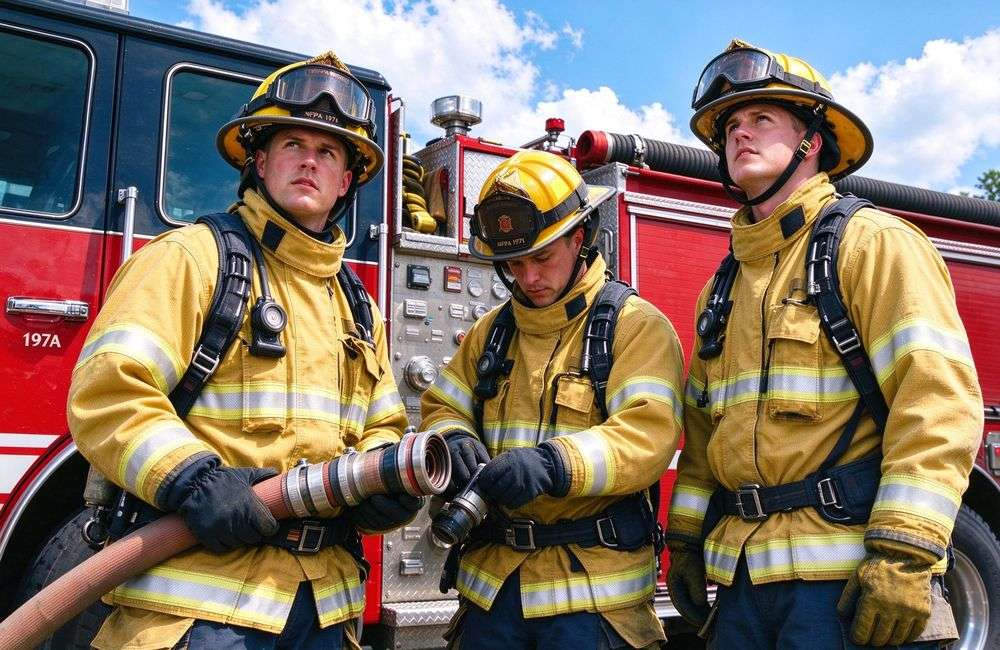
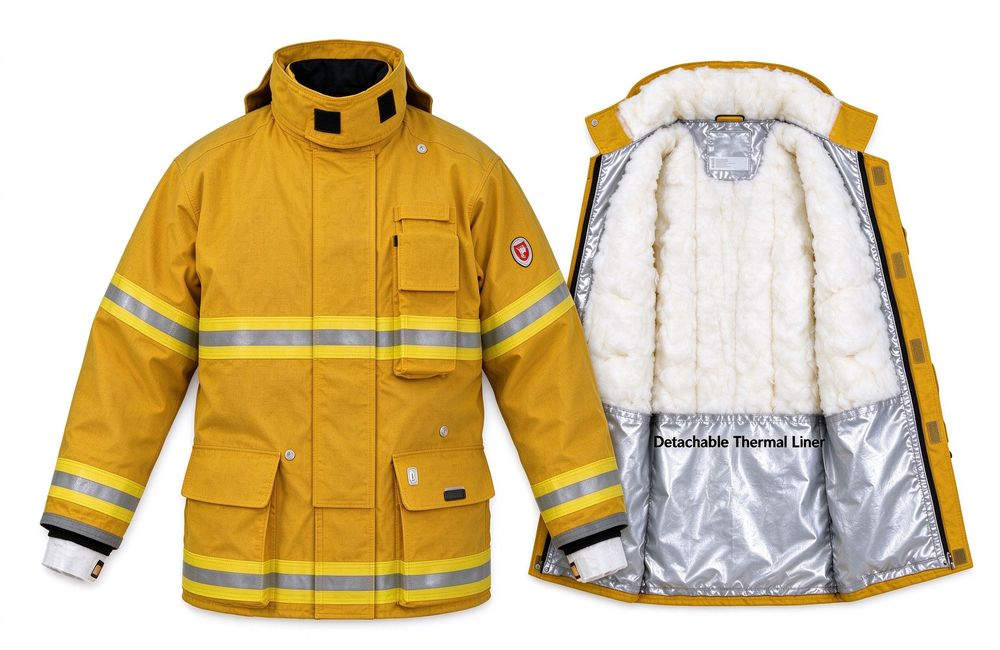
Before comparing quotations, fix what "a full set" means for your department: coat, trousers, suspenders, hood, gloves, boots and helmet are usually listed as separate line items, and each turnout gear supplier numbers them differently. Once the set list is agreed, the next question is how the coat and trousers actually protect the wearer — which is where the three-layer construction comes in. The layers below are the same across most certified firefighter turnout gear, but the materials inside them vary by supplier, so the datasheet matters more than the product name.
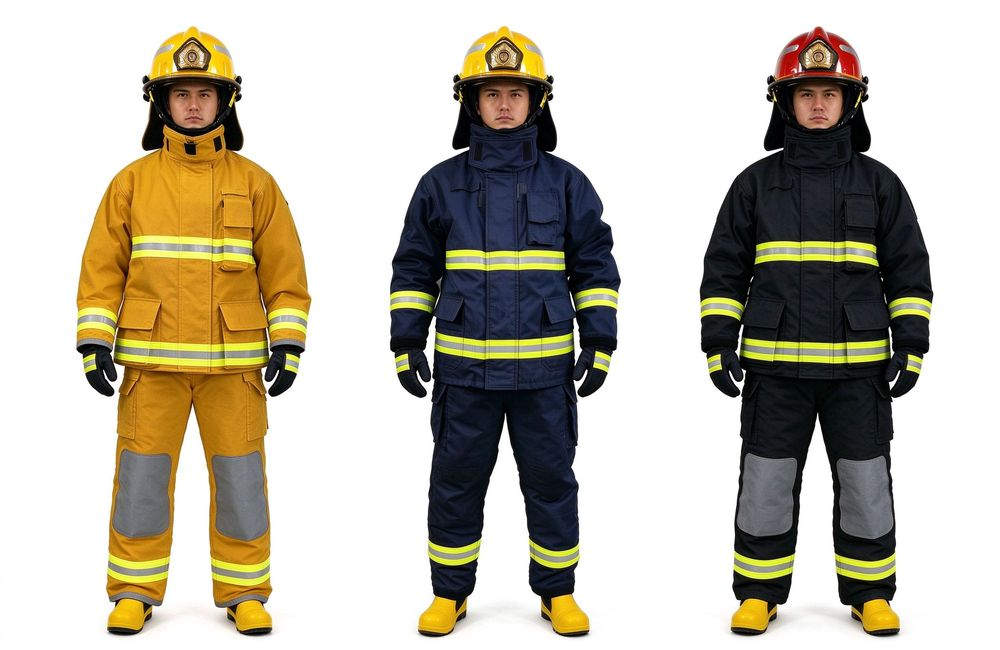
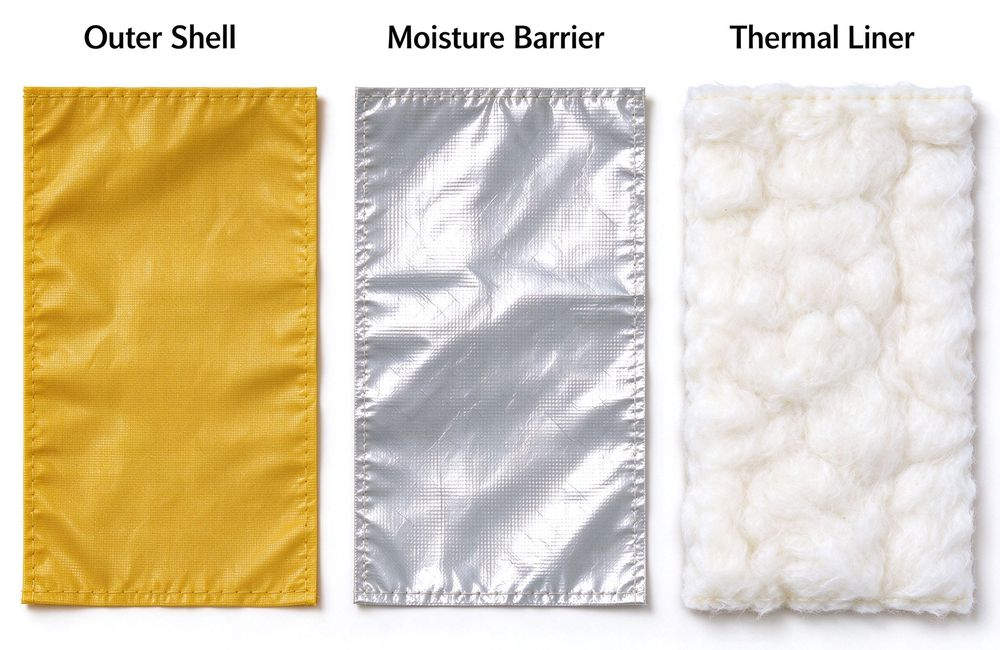
Figure 3 — The three-layer system: outer shell, moisture barrier, thermal liner. Ask your supplier to name each layer's fabric and weight, not just "three-layer."
Inside the coat and trousers, the protection comes from a three-layer system that every NFPA 1971 compliant garment follows. Understanding these layers is the first thing a buyer should check, because suppliers may use different fabric blends while still describing them with the same names. A quotation that says only "three-layer fabric" without naming each layer leaves too much room for interpretation; the datasheet should state the shell blend, the barrier type and the liner weight separately.
The outer shell faces the flame, embers and abrasion. It must resist ignition, hold its structure under heat, and withstand the scraping and dragging that happens on a fireground. Common shell materials are Nomex, Kevlar and PBI blends — each with a different balance of heat resistance, durability and cost. The shell is also where reflective trim is attached, so visibility requirements directly affect shell design.
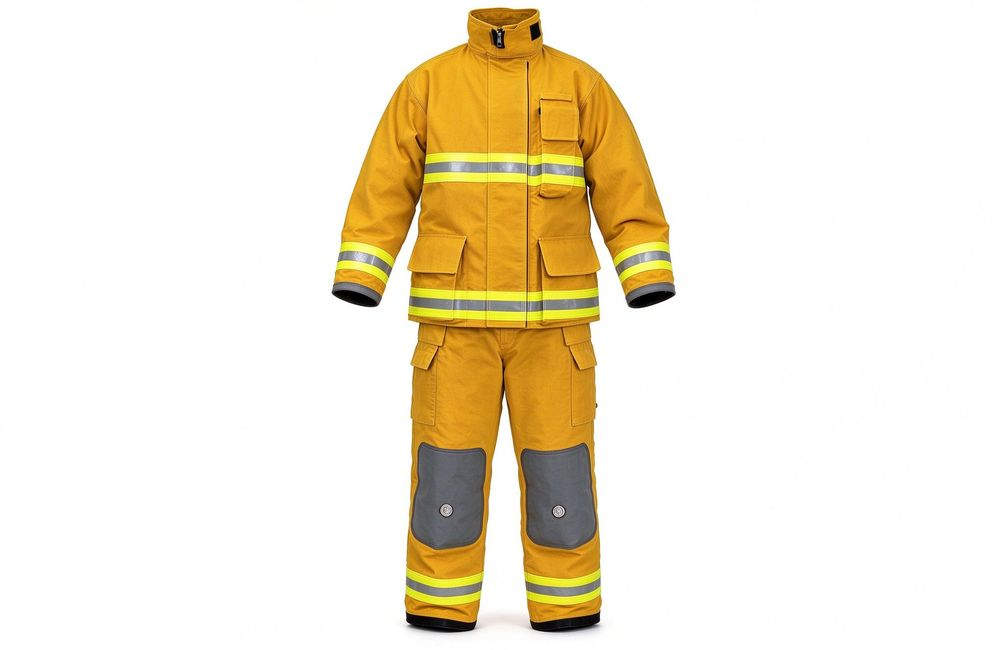
When you compare shells, look for two numbers on the datasheet: the fabric weight, typically expressed in grams per square meter, and the blend percentage. Two coats can look identical in a photo and differ by 30% in shell quality on paper. The complete set shown above is what a firefighter turnout gear manufacturer ships after the layers and shell are agreed — verify every component in it against your written specification before the production line starts.
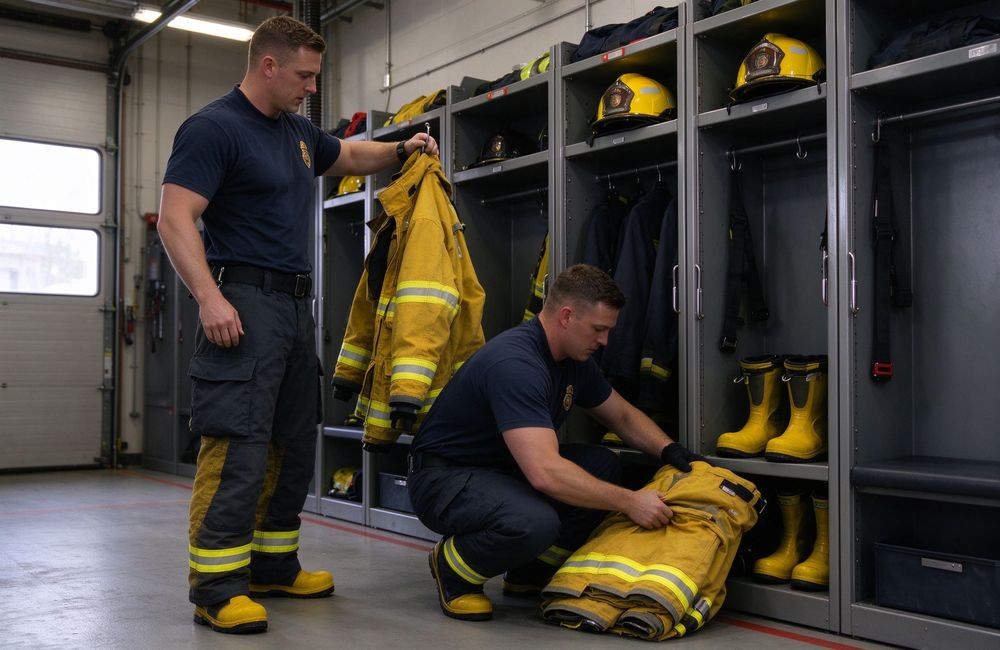
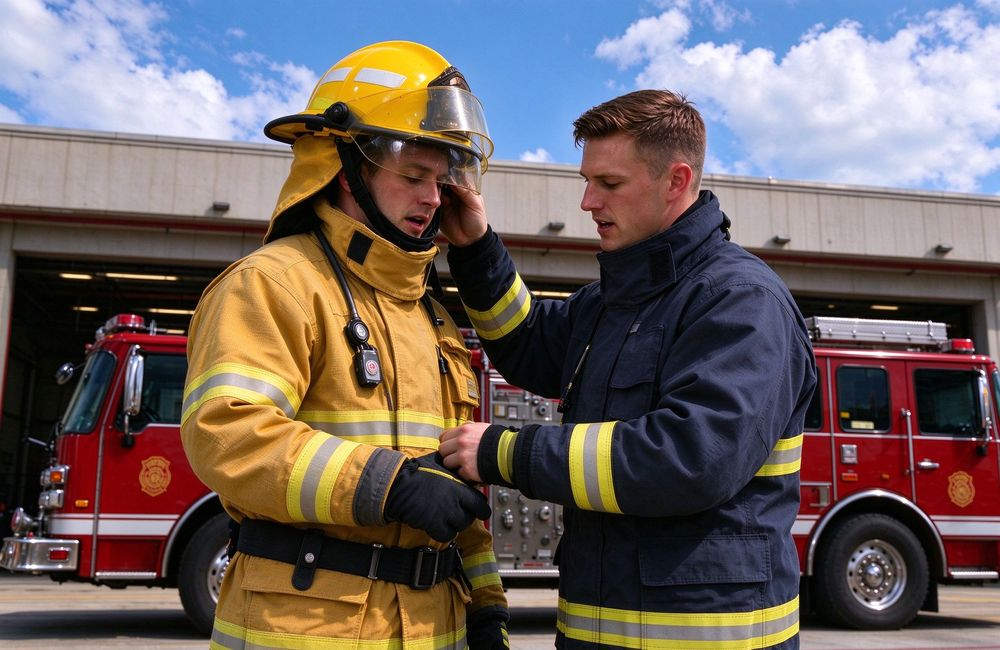
Figure 6 — Hood, gloves and helmet complete the ensemble. Standards treat these as part of the certified set, not optional extras.
>1. Turnout Gear Components: What a Full Set Includes
A complete firefighter turnout gear set is not a single garment. It is an ensemble of coordinated pieces that work as one system. When a department asks a supplier for "a full set," this is what the quotation usually covers: coat, trousers, suspenders or bib, hood, gloves, boots and helmet. The coat and trousers form the core protective envelope; the hood protects the neck and face; gloves and boots close the gaps at the hands and feet. Departments that order "just the coat" often discover at delivery that the hood and gloves were not included — which is why the set configuration should be written into the quotation from the first RFQ.
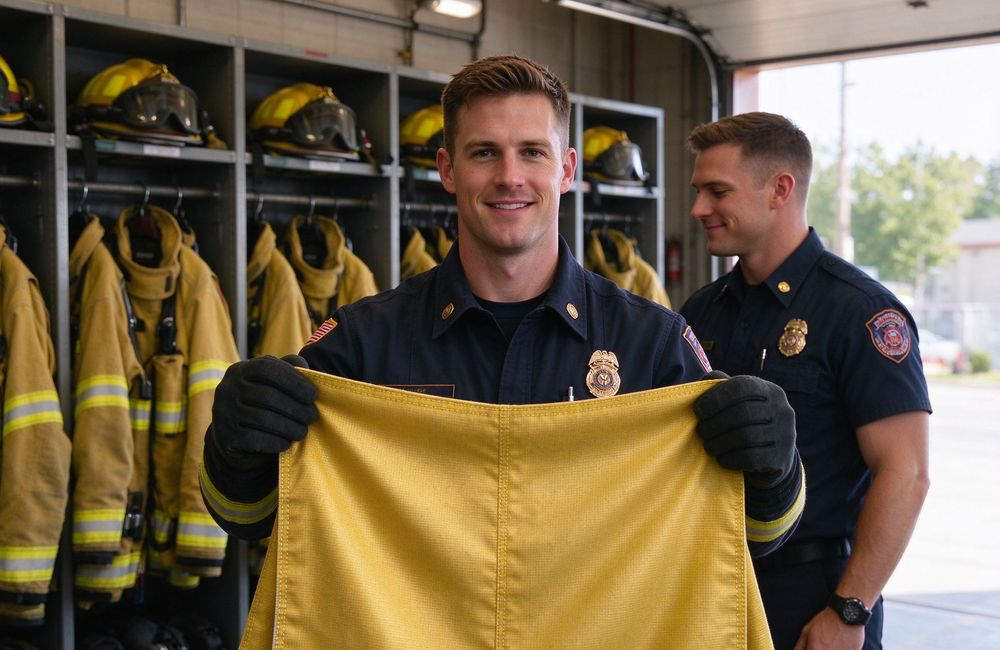
Figure 7 — Outer shell inspection: the fabric feel and weave density are quick indicators of a certified shell.
Inside the coat and trousers, the protection comes from a three-layer system that every NFPA 1971 compliant garment follows. Understanding these layers is the first thing a buyer should check, because suppliers may use different fabric blends while still describing them with the same names. A quotation that says only "three-layer fabric" without naming each layer leaves too much room for interpretation; the datasheet should state the shell blend, the barrier type and the liner weight separately.
The outer shell faces the flame, embers and abrasion. It must resist ignition, hold its structure under heat, and withstand the scraping and dragging that happens on a fireground. Common shell materials are Nomex, Kevlar and PBI blends — each with a different balance of heat resistance, durability and cost. The shell is also where reflective trim is attached, so visibility requirements directly affect shell design. When you compare shells, look for two numbers on the datasheet: the fabric weight (typically expressed in grams per square meter) and the blend percentage. Two coats can look identical in a photo and differ by 30% in shell quality on paper.
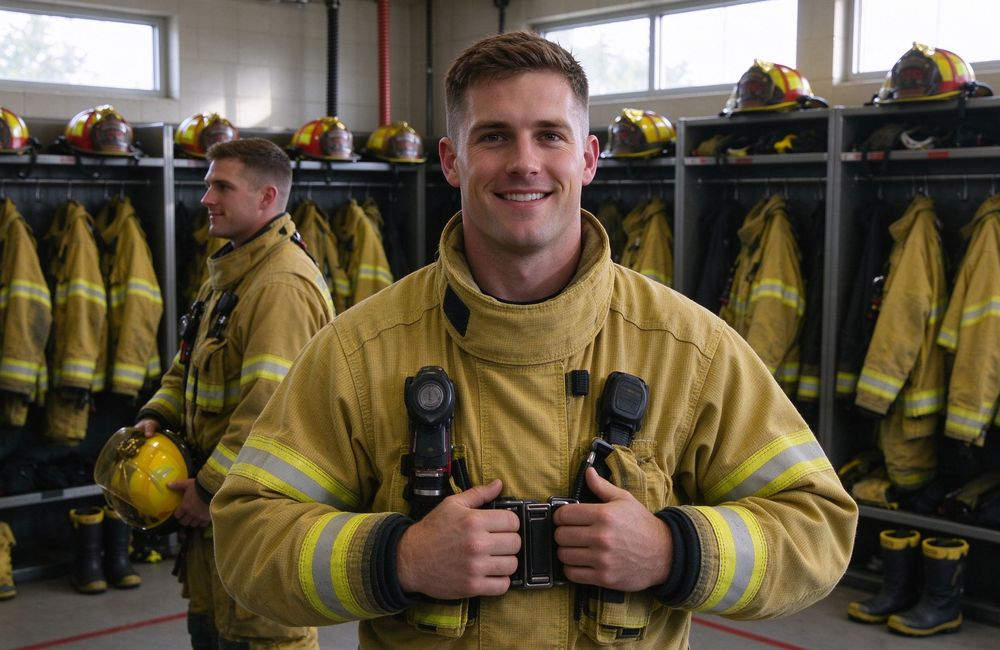
Figure 8 — A full set is worn as one system: coat, trousers, hood, gloves and boots close every gap before entering the fireground.
The middle layer keeps water and chemicals from reaching the body, while letting sweat vapor escape. If this layer fails, steam can build inside the garment and cause burn injuries that are more severe than direct flame contact. This is why barrier integrity — seams, zippers and closures — matters as much as the fabric itself. A barrier with taped or welded seams keeps water from entering through needle holes; a barrier without seam sealing can fail in the first rain-soaked operation. Ask the supplier specifically whether the seams are taped, and request a water test on the physical sample before you commit to a bulk quantity.
The innermost layer traps air to create insulation between the heat source and the skin. Thermal liners are often quilted and attach to the shell with hook-and-loop fasteners, so they can be removed for washing and inspection. The combined thermal protection of shell + barrier + liner is measured as a TPP rating, which is discussed later in this guide. A removable liner is a practical advantage: the garment can be cleaned more thoroughly, and a damaged liner can be replaced without discarding the whole set. When a quotation mentions the liner, check whether it is removable and how it attaches — this affects long-term maintenance cost, not just the purchase price.
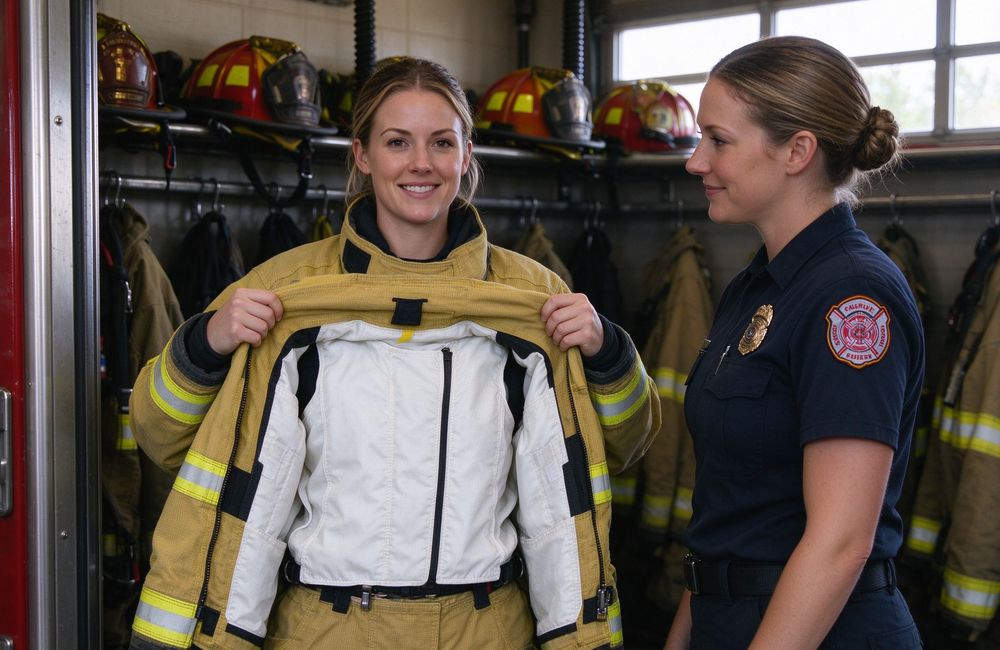
Figure 9 — The thermal liner can be detached for washing and inspection — ask whether your supplier design supports liner replacement.
Once the set list is fixed, the real protection comes from what is inside the coat and trousers. Every certified garment follows a three-layer system: an outer shell that faces flame, a moisture barrier that keeps water out, and a thermal liner that traps heat. Suppliers may call all of these "three-layer fabric," but the materials and weights differ — that is why the datasheet must name each layer separately.
Fabric choice drives most of the performance and cost in a turnout gear set. Buyers who compare quotations side by side often find the price difference comes from this single line item, which is why a reliable turnout gear fabric supplier states the blend on every quotation.
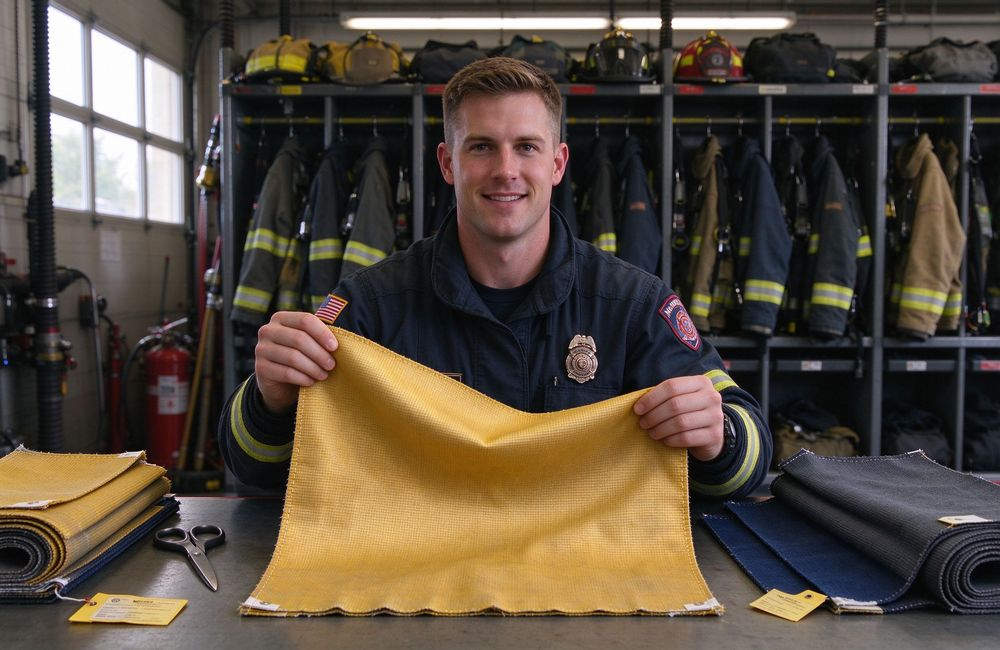
Figure 10 — Firefighters compare shell fabrics before the order: the blend percentage on the datasheet decides heat protection and price.
The three names you will see most often in firefighter turnout gear are Nomex, Kevlar and PBI — but they are not interchangeable, and each has a clear role. A department that understands the blend math can negotiate with confidence, because the fabric line on the datasheet tells you more about the garment than any marketing photo.
Nomex is an inherently flame-resistant meta-aramid fiber. "Inherent" matters: the FR property is part of the fiber chemistry, not a chemical finish that washes out. Nomex blends are the workhorse of turnout gear shells because they balance heat protection, comfort and price for routine structural firefighting. Most NFPA 1971 shell fabrics are Nomex or Nomex-based blends. When a supplier quotes a "Nomex shell," ask for the exact blend percentage — 100% Nomex behaves differently from a 60/40 Nomex / Kevlar blend, and the difference shows up in both heat performance and price.
Kevlar is a para-aramid known for high tensile strength and cut resistance. In turnout gear it is usually blended with Nomex to add durability and tear strength where the garment is stressed — shoulders, knees and cuffs. Kevlar also appears in rescue gloves and in reinforcement patches, rather than as the whole shell. If your crews do technical rescue alongside structural firefighting, a Kevlar-reinforced shell reduces wear at the high-friction points, which extends the replacement cycle of the set.

Figure 11 — Shell and reinforcement materials side by side. Kevlar blends add tear strength where gear is dragged most.
PBI (polybenzimidazole) offers the highest heat performance among the three, with excellent thermal stability and no melting or dripping. It is reserved for the most demanding environments — aircraft rescue, industrial fire brigades and close-attack crews. The trade-off is cost: PBI blends are noticeably more expensive than straight Nomex constructions. PBI is also the lightest to maintain its performance at the highest thermal loads, which is why specialized brigades accept the premium. For a standard municipal department, the question is not "is PBI better" but "does our mission expose crews to the thermal load that justifies it."
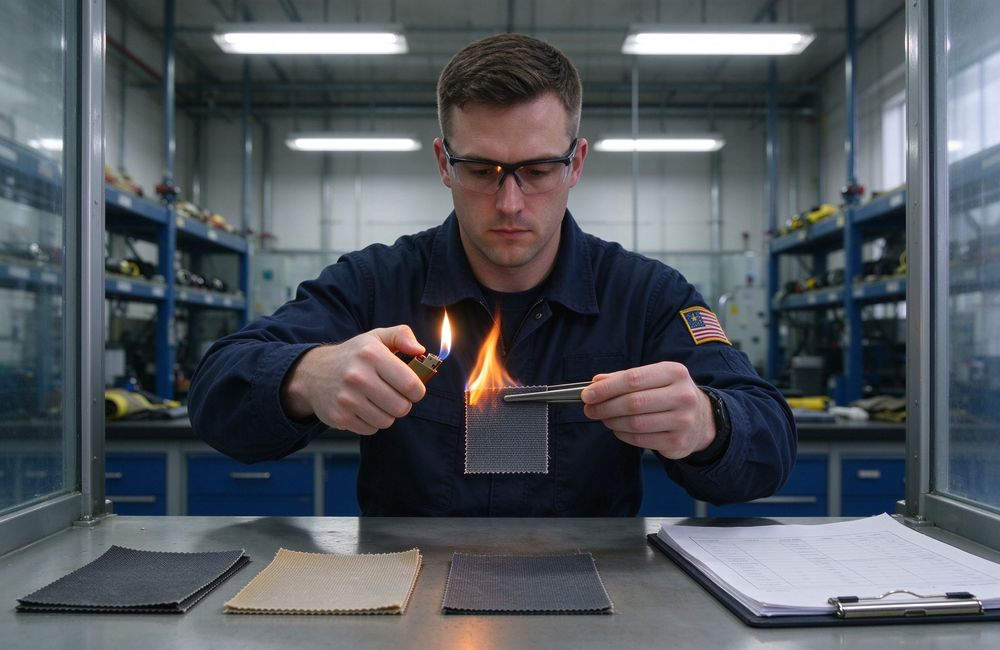
Figure 12 — PBI fabric withstands higher heat loads than standard aramid blends — the flame test is part of the material datasheet.
The table below compares the three shell fabrics on the points a procurement team actually checks: heat behavior, durability, typical use and cost position.
Fabric
Heat & Flame Behavior
Strength / Durability
Best Use & Cost Position
Nomex
Inherent FR, chars without melting
Good, blends for tear strength
Standard structural firefighting shells; Moderate
Kevlar
FR when blended; high-temp stable
Excellent cut / tear resistance
Reinforcement, rescue gloves; Higher than Nomex
PBI
Highest thermal stability, no melt
Good; usually blended with Kevlar
Extreme-entry, aircraft rescue; Highest
Summary: Nomex covers most departments at the best cost-performance balance; Kevlar adds durability where gear is dragged; PBI is the premium choice for extreme heat exposure. Blend percentages (for example 60% Nomex / 40% Kevlar) should be written on the technical datasheet your supplier provides — ask for it in writing.
Blend percentage is the number that separates similar-looking shells. A 60/40 Nomex/Kevlar shell behaves differently from a 100% Nomex construction: the Kevlar share adds tear strength where gear is dragged, while the Nomex share carries most of the heat protection. When two quotations look alike in photos, this single line on the technical sheet usually explains the price gap.
Standards are the shortest way to compare turnout gear from different countries. If a garment passes a recognized standard, the performance claims behind it are testable.
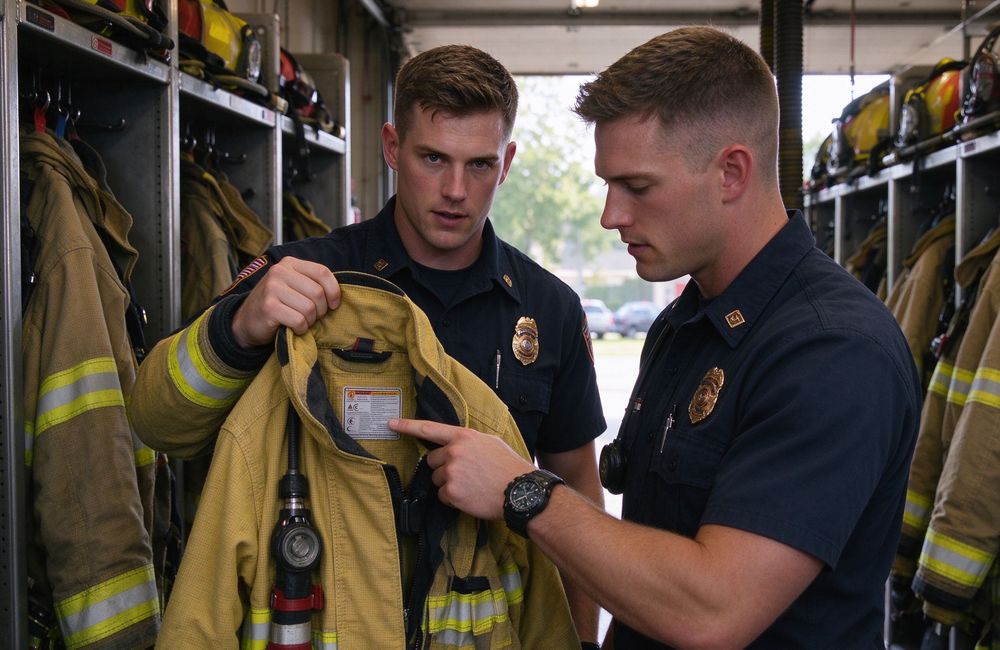
Figure 13 — Certificates are model-specific: match the label on the garment to the certificate number and validity date you are quoted.
The three standards a Chinese supplier is most likely to reference are NFPA 1971 (United States), EN 469 (Europe) and GA 10-2014 (China). A buyer should confirm which standard the final market requires — the garment itself, not just the marketing sheet, must carry the certification. Requesting the test report for the exact model is the fastest way to separate a genuine certification from a marketing mention.
NFPA 1971, the US standard for structural firefighting ensembles, is the reference most international buyers recognize. It sets requirements for the complete ensemble — coat, trousers, hood, gloves and footwear — including thermal protection, integrity and visibility. EN 469 is the European equivalent for firefighting clothing, used across the EU market. GA 10-2014 is the Chinese industry standard for firefighter protective clothing; garments tested to it are common on the domestic and regional market. Each standard defines its own test methods, so the same garment may pass one and fail another; never assume a "certified" label applies everywhere.
NFPA 1971 tests the complete ensemble as a system: heat and thermal shrinkage, water penetration, tensile strength, seam strength and retroreflective trim area. EN 469 separates levels — for example, level 1 and level 2 for heat and flame, with additional requirements for liquid penetration and optional cold-environment performance. GA 10-2014 covers similar thermal and mechanical properties under the Chinese testing framework. When a supplier hands you a certificate, look at the test standard name and the test items listed, not just the certificate's visual design.
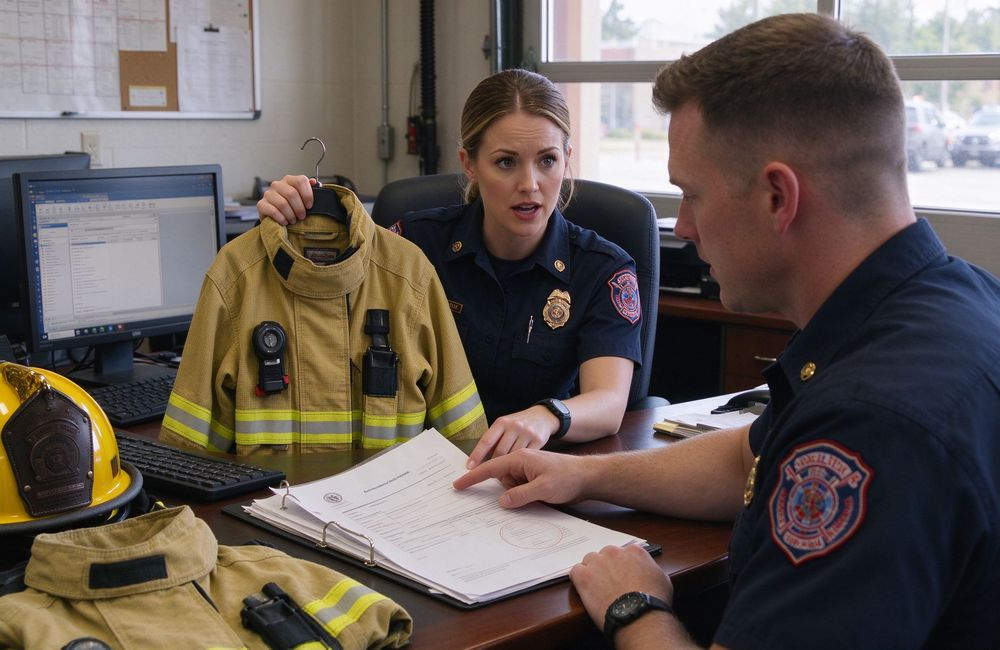
Figure 14 — Standards test the whole layer system, not one fabric: review which model the report covers before ordering.
A useful test report names the exact model tested, the standard and edition, the test items, the measured values and the pass/fail result. Check three things: whether the model number matches the garment you are ordering, whether the report is current (standards are revised, and an old report may not cover the current edition), and whether the test items match your market's requirements. If the report is in Chinese, ask the supplier for an English summary sheet listing model, standard, date and key values — this becomes your internal verification document.
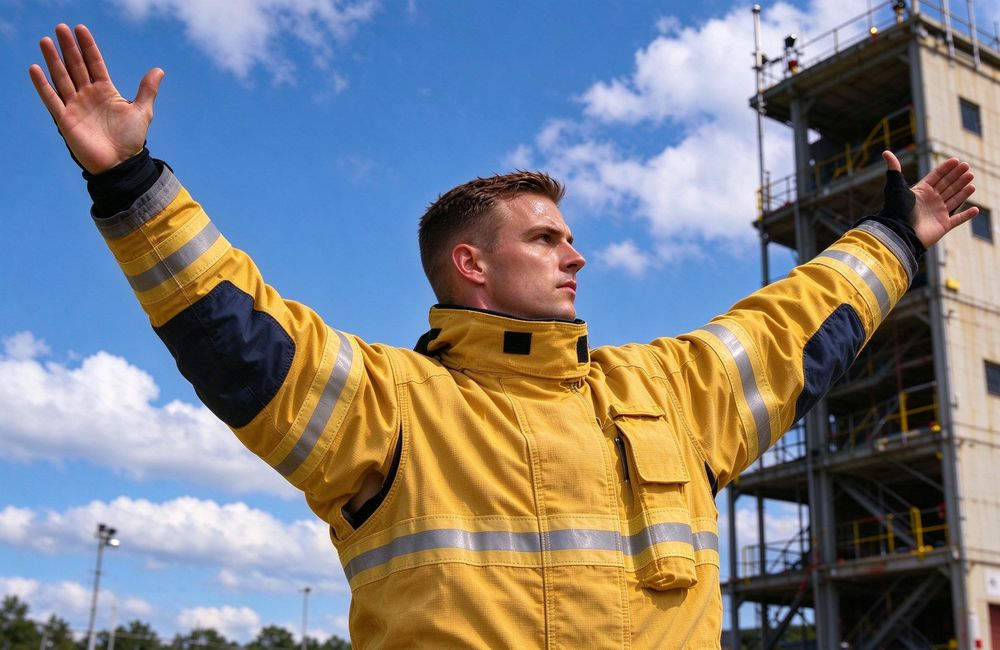
Figure 15 — Test reports are your verification document. Match the model number and check the standard edition before ordering.
This comparison helps a procurement team match the standard to the destination market before requesting samples or quotations.
Standard
Scope
Key Requirement
When to Choose
NFPA 1971 (United States)
Full structural ensemble
Complete ensemble thermal / integrity / visibility
US fire departments, NFPA buyers
EN 469 (Europe)
Firefighting clothing
Heat, flame, liquid & comfort levels
EU-market tenders and distributors
GA 10-2014 (China)
Firefighter protective clothing
Thermal protection, strength, sizing
Domestic and regional procurement
Summary: NFPA 1971 is the safest default for international quotations because it covers the complete ensemble and is the most widely recognized reference. If your market is Europe, request EN 469 compliance; if the order is regional, confirm GA 10-2014. One set can carry multiple certifications — ask the supplier to attach the test report, not just the label.
Certification is model-specific, not factory-wide. A factory may hold ISO 9001 for its quality system while a specific coat model has no firefighter standard certificate at all. When you compare sets, match the certificate number to the exact model number on your order, and check the issuing body and validity date — a certificate photo without a model number proves nothing.
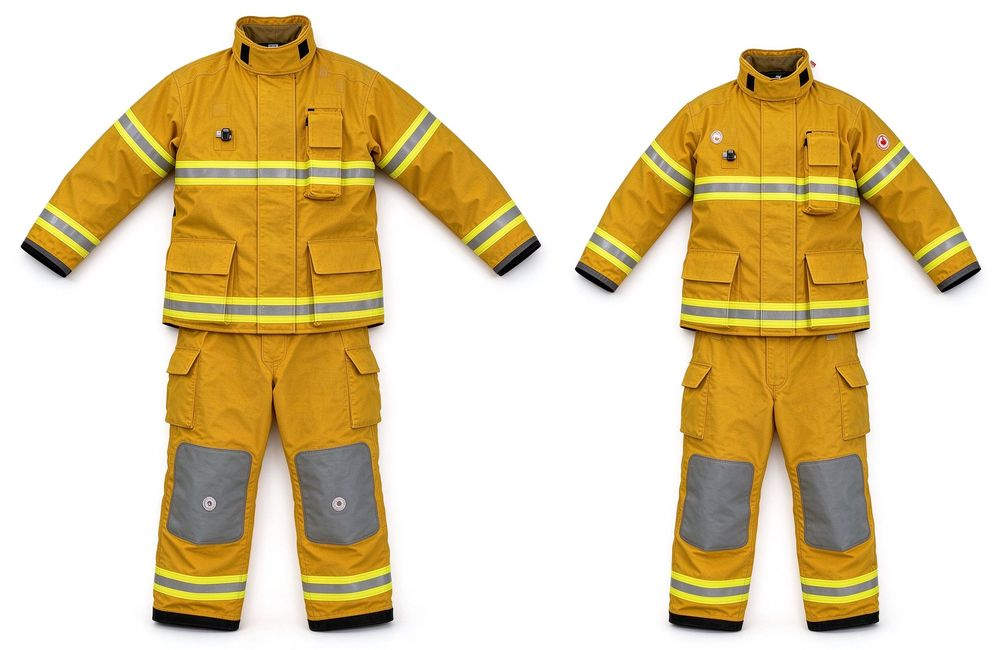
Figure 16 — Hood, gloves and helmet complete the ensemble. Standards test the whole set, not the coat alone.
Two layers decide how hot the firefighter actually gets: the moisture barrier and the thermal liner. Buyers often focus on the shell fabric and skip these, yet they are where thermal protection is really built.
A strong shell with a weak barrier still produces a garment that cannot be used for close-attack work. Understanding these two layers also explains why a seemingly similar set costs less — the difference is usually hidden here, not in the shell.
The barrier sits between shell and liner. Its job is to block water and chemicals from penetrating inward, while remaining breathable enough to release sweat. The seam construction on the barrier is critical: taped or welded seams prevent water from entering through needle holes. When a supplier lists "seam sealed" or "taped seams," this is the detail they mean. The barrier material itself also varies — PTFE-based laminates are common, and the breathability (measured by moisture vapor transmission) affects how long a firefighter stays comfortable during prolonged operations. A less breathable barrier keeps water out but traps heat, which raises fatigue on long incidents.
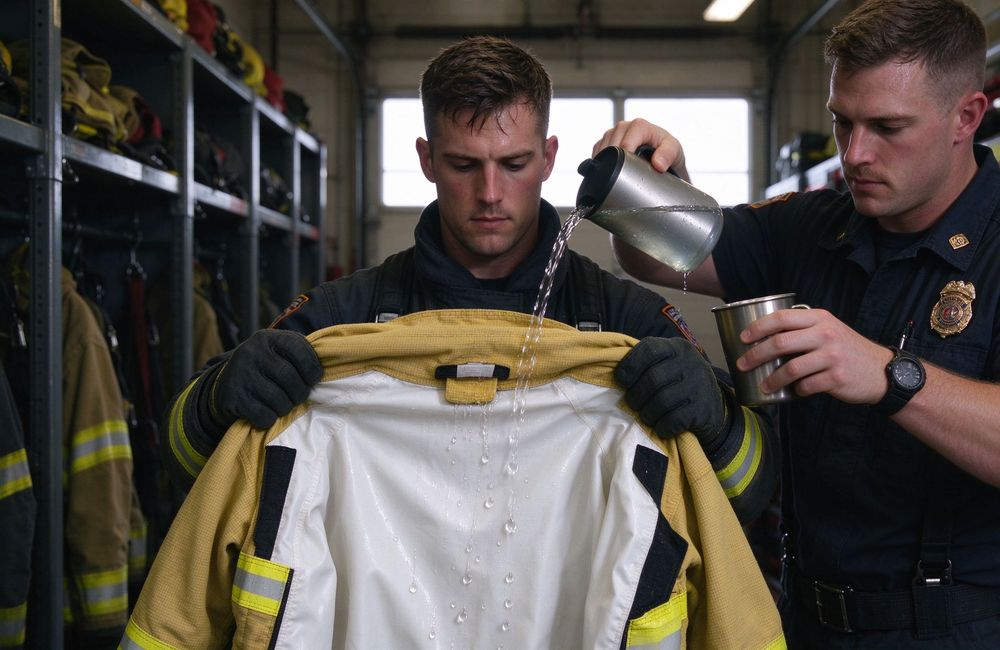
Figure 17 — A quick water-bead test shows whether the barrier still sheds liquid before close-attack work.
The liner is a quilted insulating layer that holds still air next to the body. Still air is a poor conductor, so the liner creates a buffer between the barrier and the skin. Liners are removable on most modern sets so they can be washed separately and inspected for damage. Check whether the liner uses a hook-and-loop attachment system — it affects how quickly a damaged liner can be replaced in the field. Liner weight and insulation thickness vary with climate: departments in cold regions often choose a heavier liner, while tropical brigades prioritize thinner liners to reduce heat stress. Your supplier should offer liner options rather than a single default.
Thermal Protective Performance (TPP) is a test value that measures how much heat a fabric system blocks before a burn would occur. A higher TPP number means more time before heat reaches the skin. For NFPA 1971, the ensemble must meet a minimum TPP; the exact number is stated in the standard and should appear on the test report. When a supplier quotes a TPP figure, ask for the test report behind it — a number without a report is not a verifiable claim. TPP also explains why the three layers are tested together: the shell, barrier and liner interact, and the total performance is not simply the sum of each fabric's rating.
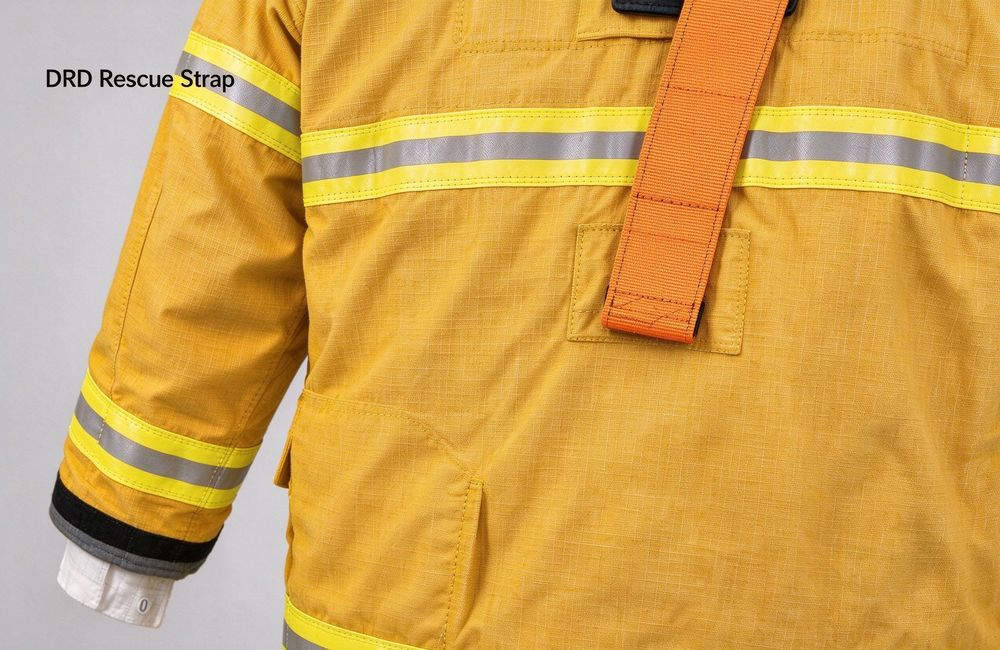
Figure 18 — TPP heat testing on the layer system. Ask for the report behind any quoted thermal rating.
Heat protection is not a single fabric property — the shell, barrier and liner are tested as one system. That is why the TPP number on a datasheet should always come with a test report naming the model, standard version and measured values. A report for a different model, or a number with no report behind it, is a claim, not a fact you can rely on for life-safety gear.
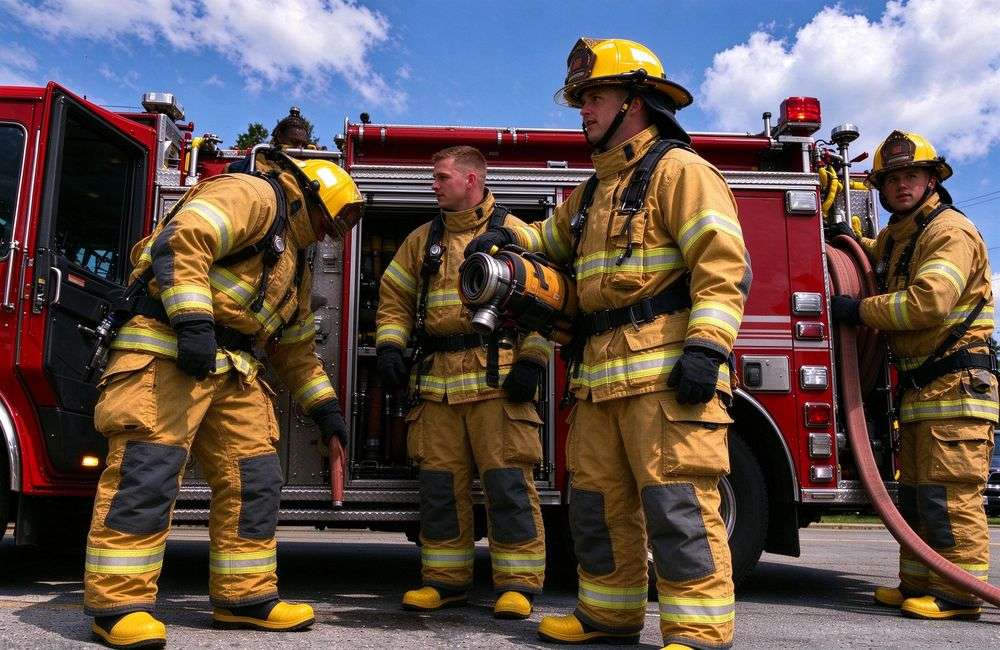
Figure 19 — The barrier and liner layers. Request the TPP test report with any quotation that mentions a thermal rating.
Turnout gear that fits poorly creates two problems: heat pockets where insulation bunches, and restricted movement during rescue work. A department ordering for a full crew needs a sizing system that covers the actual range of body shapes, not just a standard M–L–XL scale.
Fit errors are the most common reason for exchanges in bulk clothing orders, so a department that invests an hour in proper measurement saves weeks of replacement logistics later.
Use chest, waist, inseam and height as the base measurements, and add sleeve length plus hip for coat fit. Ask the supplier for a measurement sheet before ordering so every firefighter is measured once with the same method. This reduces the exchange rate dramatically, because sizing errors are the most common reason for returns in bulk clothing orders. For the best result, measure over the under-layer that will actually be worn — SCBA straps and thermal underlayers change effective size. A supplier's sizing sheet should include a diagram of where each tape measure goes; if it does not, ask for one.
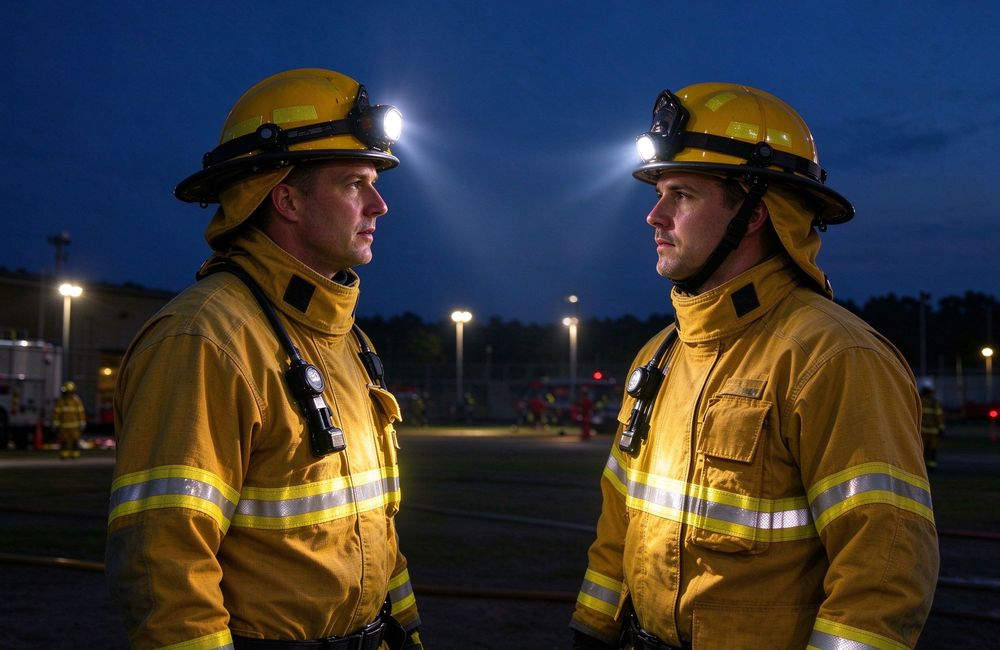
Figure 20 — Sizing starts with one standard measurement method. Ask the supplier for their measurement sheet before ordering.
A garment passes the field test only if the wearer can squat with full SCBA, raise both arms, and climb a ladder without the coat riding up. Suppliers with experience in firefighting gear usually build articulation — pre-bent sleeves, gusseted shoulders, and reinforced knees — into the pattern. Ask for photos of real movement tests, not mannequin shots. A useful check is to compare the pattern on the datasheet: articulated sleeves and gusseted shoulders are signs of a purpose-built garment, while a straight, boxy cut usually signals a generic work jacket with FR fabric.
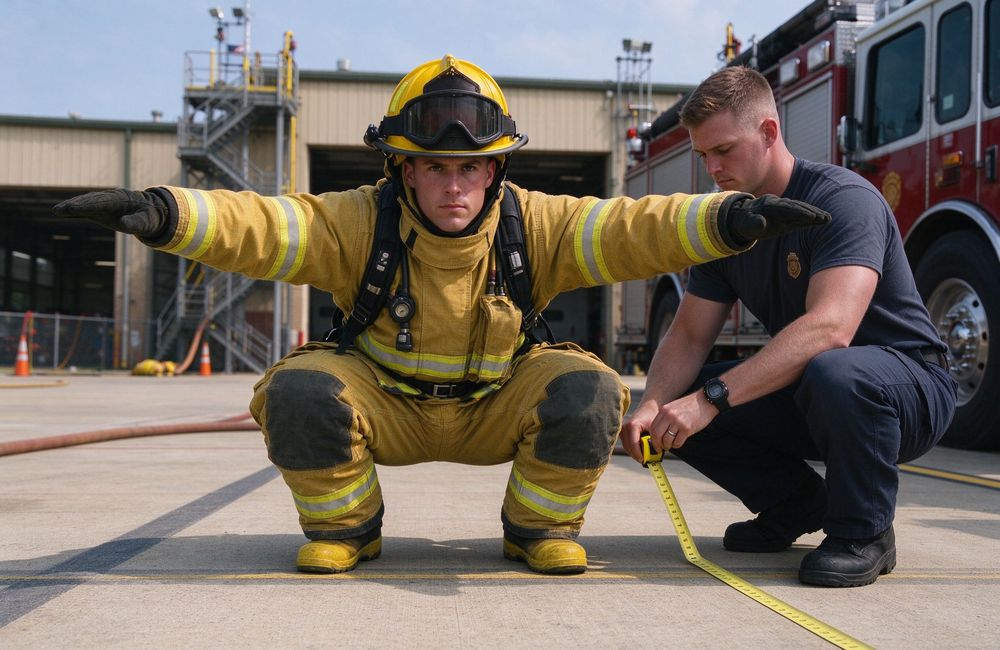
Figure 21 — Mobility testing with SCBA reveals fit problems that tape measurements miss — include it in your sample inspection.
Adjustable cuffs, waist tabs, suspenders and hook-and-loop closures let one set adapt to slight body changes and to different under-layers. If the same size is worn in summer and winter, adjustability is not a comfort extra — it is a functional requirement. Suspenders also distribute the weight of the coat and keep trousers from sagging during crawling and ladder work. Check that all adjustment points are accessible with gloves on; a closure that requires fine finger work is a hazard on the fireground.
Correct sizing does more than improve comfort — it prevents heat pockets and keeps the gear working during rescue movements. Beyond the tape measurements, test the finished garment for mobility: squat, reach overhead and climb while wearing the full set with SCBA. A coat that rides up or restricts the arms fails in the field even if the measurements look right on paper.
Small details separate professional turnout gear from budget look-alikes. Three extras matter most: the drag rescue device, reflective trim, and pocket / reinforcement placement.
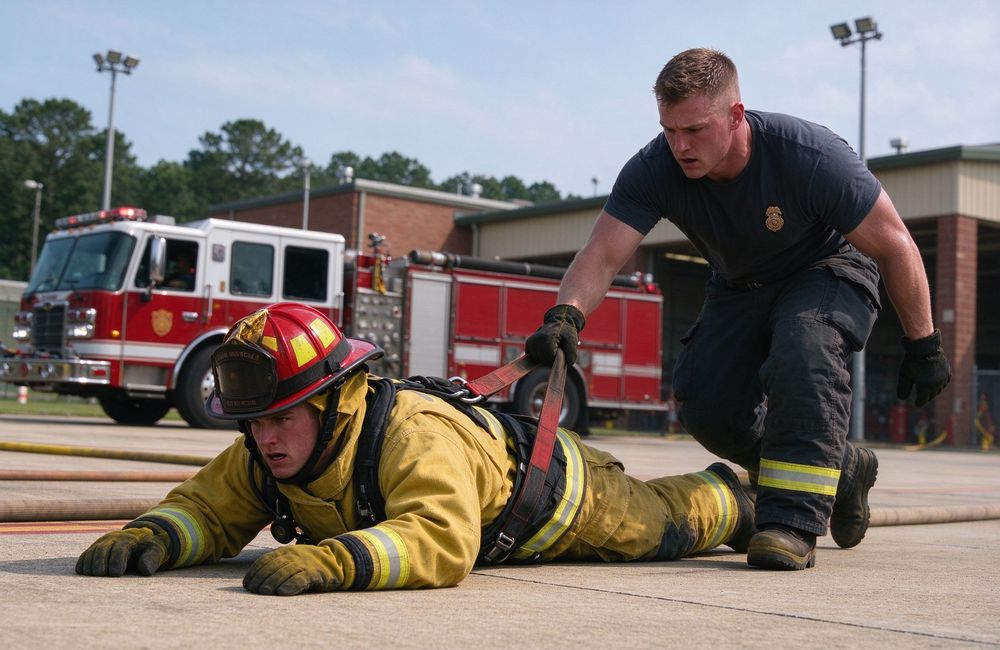
Figure 23 — The DRD drill is part of every department training: the strap lets a rescuer pull out a downed firefighter in seconds.
They are easy to overlook in a quotation and hard to retrofit later. Because these features are required by the major standards, their presence is also a quick indicator of whether a garment was designed for firefighting or simply labeled as FR.
The DRD is a harness loop built into the back of the coat. If a firefighter collapses, a rescuer can grab the DRD and drag them out without removing the gear. For NFPA 1971 compliant ensembles, the drag rescue capability is a required element — confirm it is present in the coat you are buying, because not every "firefighter coat" on the market includes it. When you inspect the sample, locate the loop, check its stitching and test that it supports the weight of a fully equipped firefighter with SCBA. A DRD that tears on first use is worse than none, because crews will rely on it in an emergency.
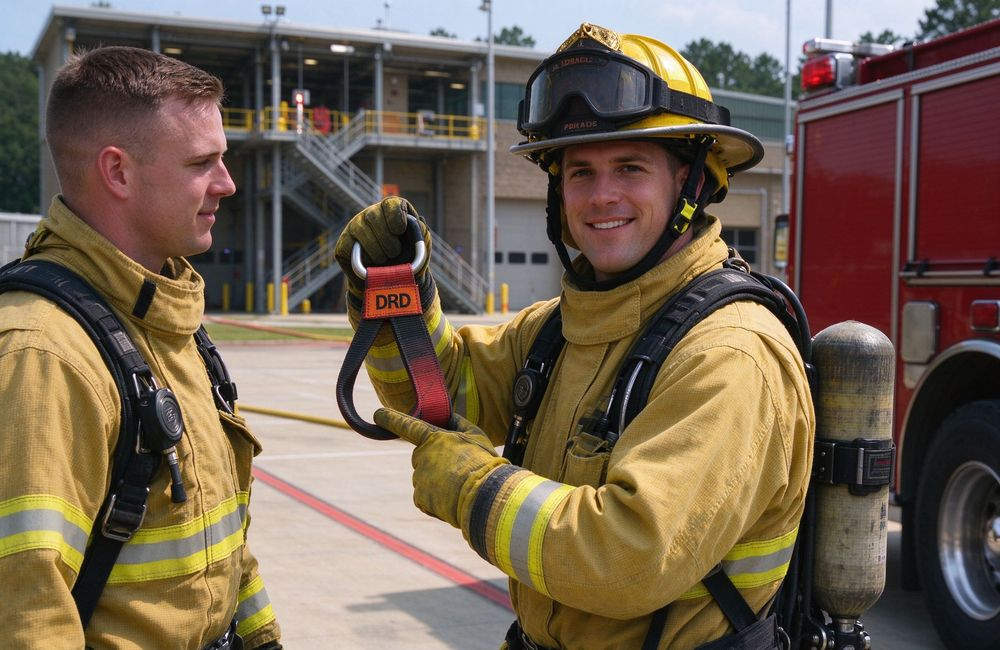
Figure 24 — The DRD strap on the back lets a rescuer drag a downed firefighter to safety — confirm it is sewn through the liner.
Reflective trim makes a firefighter visible in smoke, darkness and low light. Check the trim width, placement and material — retroreflective tape must stay bright after washing. The standard your garment is certified to will specify minimum trim area, so use the certification as the check, not the marketing photo. Trim placement also matters for operations: bands should circle both sleeves and the torso at the heights specified by the standard. If a supplier offers logo placement, confirm that the logo does not interrupt the trim band — an interrupted band can fail the visibility requirement.
Reinforced knees, elbows and shoulders extend the service life where the garment wears first. Pockets should close securely so tools do not fall out during crawling; radio loops and mic tabs should be positioned so they do not interfere with the coat closure. These details are worth a line-by-line check on the sample before you commit to a bulk quantity. Ask which reinforcement areas are standard and which are upgrades: knee and seat patches are common upgrades that reduce long-term replacement cost, and the price difference is small compared with the cost of a torn shell.
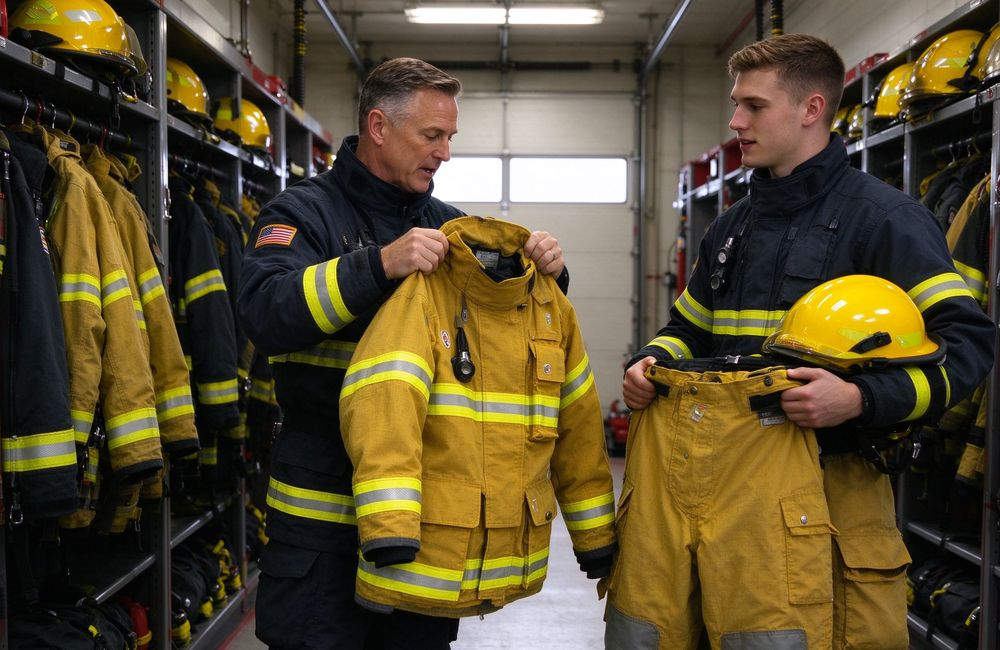
Figure 25 — Pockets, loops and reinforcements are checked line by line on the sample before bulk commitment.
Among the small details, the drag rescue device (DRD) deserves the closest look. It is the rescue strap sewn into the back that lets a rescuer pull out a downed firefighter without removing equipment. DRD is mandatory in NFPA 1971 sets, and the seam that attaches it should withstand the full weight of a geared firefighter — test it on the sample before you order in bulk.
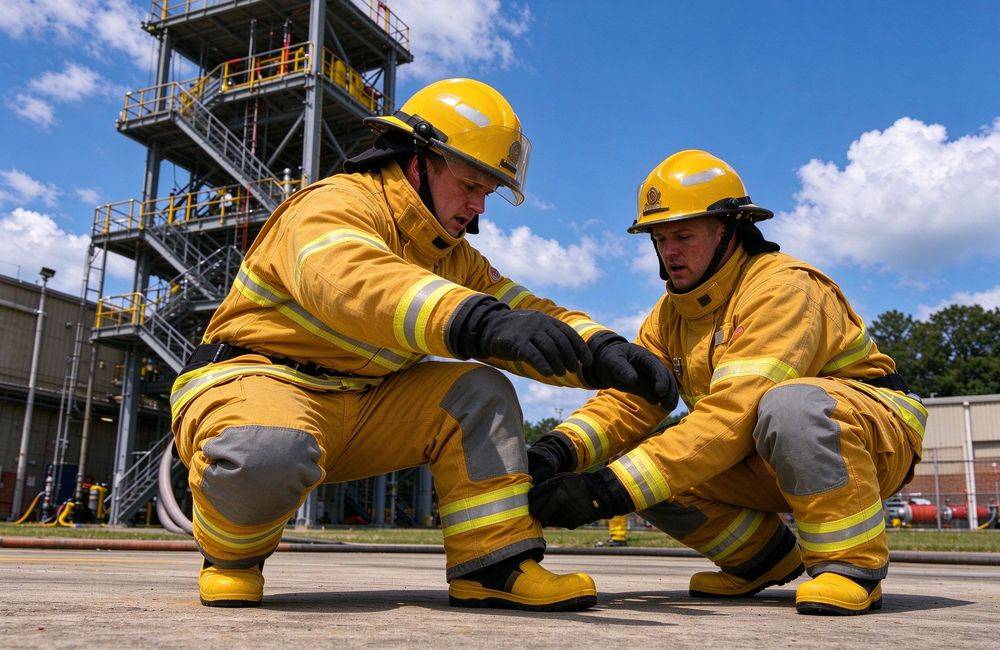
Figure 26 — DRD and reflective trim details. These are the features that separate certified turnout gear from generic firefighter jackets.
Working with a turnout gear supplier is different from buying off-the-shelf uniforms: you are purchasing certified safety equipment, so the verification process is part of the product. Before placing an order, walk through this checklist and ask for written confirmation on each point.
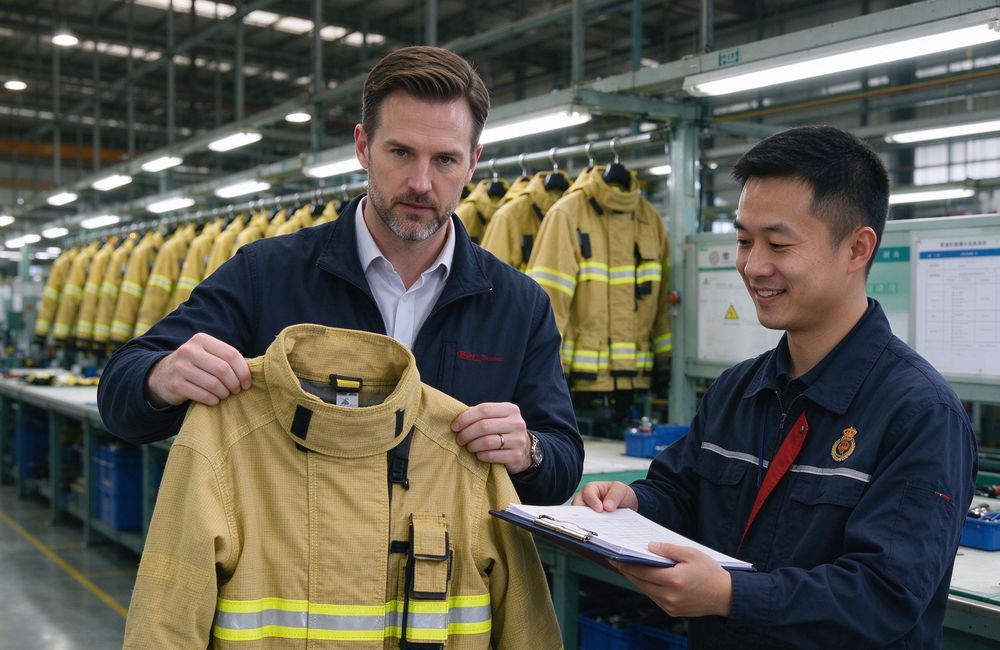
Figure 27 — Inspect seams, reflective trim and closures on the physical sample before bulk commitment — per-lot QC records support long-term reliability.
A supplier who answers in writing, with reports and datasheets attached, is signaling that the paperwork behind the garment is in order — and for safety gear, the paperwork is part of the product itself.
Ask for the certification test reports for the exact model you are buying — not for the factory's general certificates. A factory can hold ISO 9001 for quality management while a specific garment model has no firefighter certification. Match the certificate number to the garment model, and check the issuing body and validity date. Standards are revised, so also confirm that the report covers the current edition your market requires. A certificate photograph without a model number, or a report for a different garment, is not evidence that your order complies.
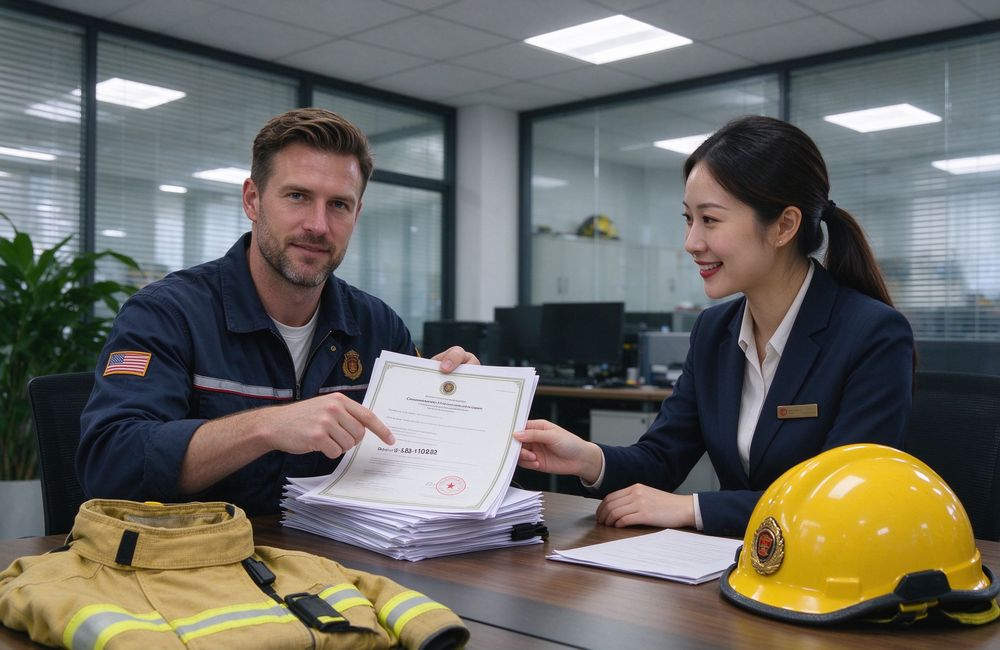
Figure 28 — Match the certificate number on the file to the label inside the garment — model-specific reports are the standard.
Request a physical sample and run three quick checks: a flame test on a corner of the shell fabric, an abrasion check on the knee area, and a water test on the barrier by pouring water over the seam. None of these replaces a certified lab test, but they filter out obvious mismatches before you invest in full testing. Document the results with photos for your internal record: if a supplier's sample fails the water-seam test, the bulk batch is unlikely to pass a full certification audit. Ask the supplier what their own incoming inspection covers and whether they test every batch or only the first.
Ask how the factory inspects seams, reflective trim attachment and sizing consistency. Factories that photograph each finished set, or that keep per-lot inspection records, are easier to audit. If the order is large, consider a pre-shipment inspection by a third party — it is a small cost against the risk of receiving non-conforming safety gear. Also confirm how defects are handled: replacement policy, rework turnaround time and who covers freight for non-conforming items. A written quality agreement prevents a long dispute at the worst possible moment — when a department is waiting for gear to replace worn-out sets.
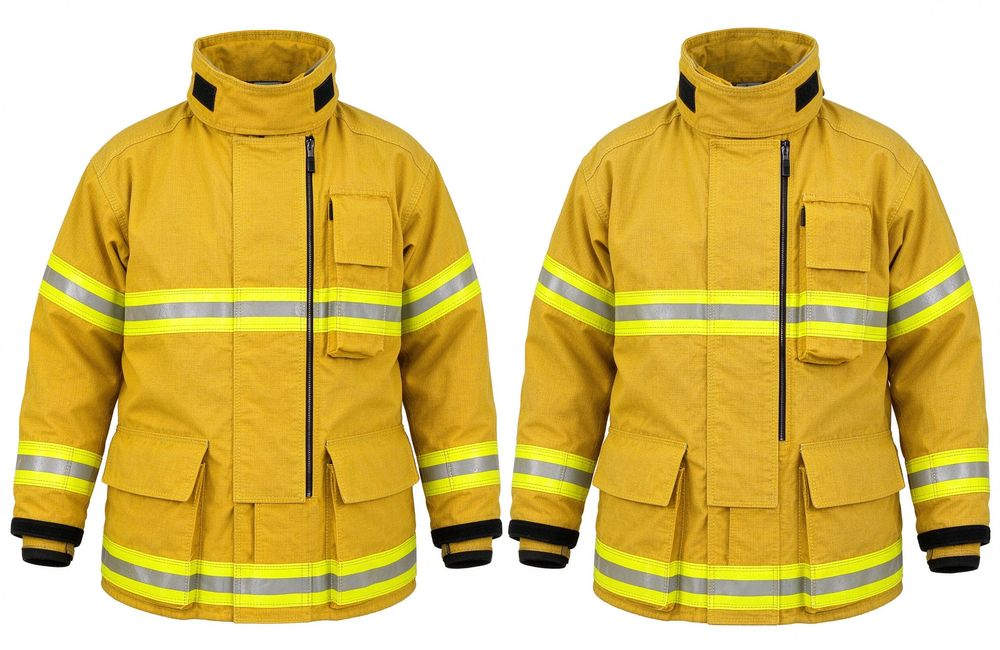
Figure 29 — Factory QC inspection on the line. Per-lot records and third-party inspection options make a supplier auditable.
Use this checklist as a quotation review sheet: each item is a written confirmation you should collect from the supplier before the order.
|
Check Item |
What to Ask |
Passing Evidence |
|
Certification |
Test report for the exact model, issuing body, validity |
Certificate number matches model, report attached |
|
Fabric blend |
Shell / barrier / liner material and blend % |
Technical datasheet with blend percentages |
|
Sample testing |
Flame, abrasion, water-seam check on physical sample |
Sample photos or video, or in-person check |
|
DRD & trim |
Drag rescue device present, trim meets standard area |
Photo of back loop, trim spec sheet |
|
QC process |
Inspection records, per-lot photos, third-party option |
QC workflow description, per-lot records |
|
Sizing system |
Measurement sheet, size range, exchange policy |
Measurement sheet and size chart provided |
Summary: certification must match the exact model, not the factory; fabric blends must be written on a datasheet; samples should pass three quick physical checks; and the QC process should be auditable. A supplier who answers all six in writing is much less likely to surprise you at delivery.
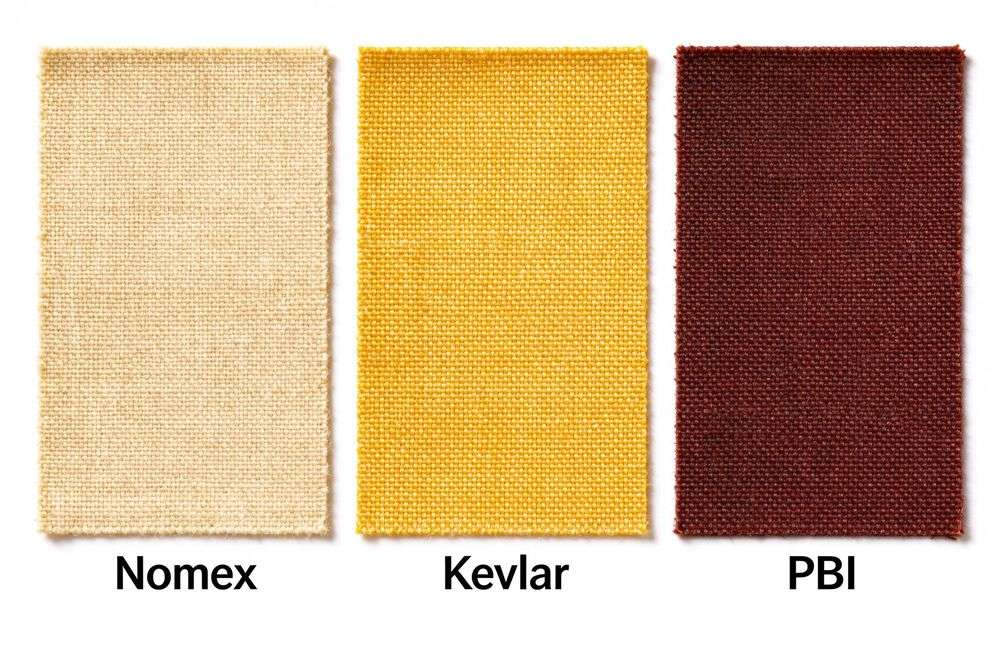
Figure 30 — Sample inspection before bulk commitment. Quick field checks are not a substitute for certified lab tests, but they filter obvious problems early.
Bulk firefighter turnout gear orders are quoted differently from single sets, and most wholesale turnout gear inquiries start with the same three questions: standard, quantity and delivery window. The configuration, customization and lead time all change the unit price, so a department should define the scope before asking for a quotation. A clear specification at the RFQ stage also makes supplier comparisons fair — two quotations for different standards or different set compositions cannot be compared on price alone.
Departments usually request custom colors, a printed or embroidered department logo, and a size breakdown by name. Confirm how the supplier handles logo placement on reflective trim — a logo that interrupts trim can affect visibility certification. Also confirm the minimum order for custom sizes: some factories standardize the size range and charge extra for outside sizes. Send the size breakdown with the first inquiry so the supplier can quote the true configuration. If your department changes logos over time, ask whether the logo panel is replaceable without replacing the whole coat — some patterns allow it, which reduces future cost.
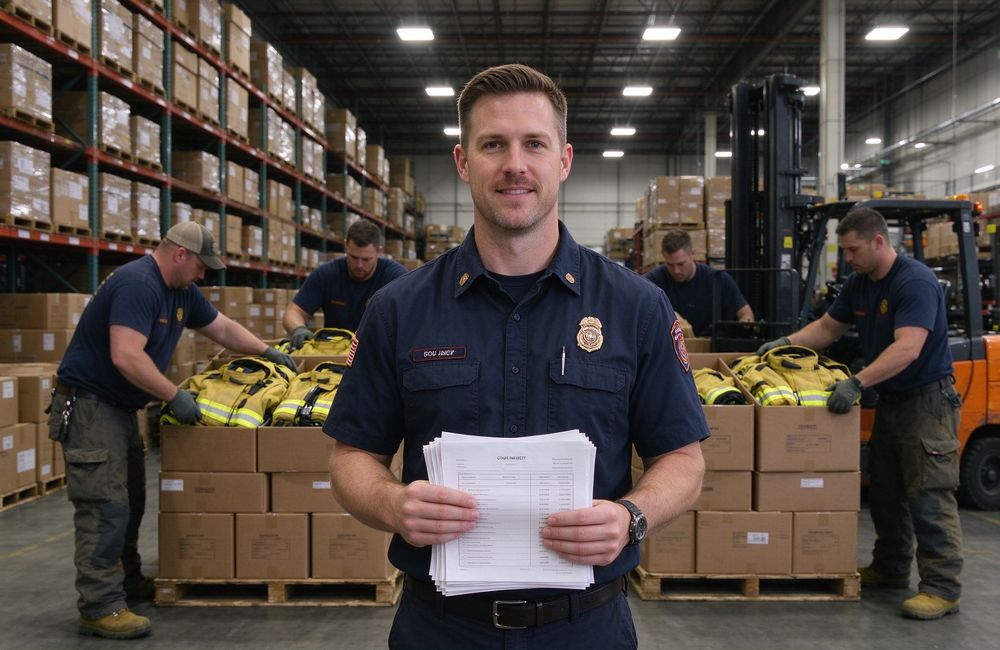
Figure 31 — Bulk quotes depend on configuration, customization and lead time — define the scope before requesting a price.
Unit price in turnout gear follows the fabric blend and the certification scope. A Nomex shell with standard certification costs less than a PBI blend with multiple certifications. Instead of asking for "the cheapest set," define the required standard and minimum features first, then compare quotations within that spec. This keeps the comparison fair. Also factor in the total cost of ownership: liner replacement, trim renewal and shell repair all extend or shorten the service life. A slightly more expensive set with a replaceable liner and reinforced knees can be cheaper over the replacement cycle than a lower-priced set that must be discarded whole when the liner wears out.
Confirm the packing standard (individual poly bags or carton sets), the lead time for production and the shipping terms. Safety gear should ship with the test reports and certificates in the packing list. Ask for a written production schedule when the quantity is large, so delivery delays do not leave a department without gear. Check the lead time for reorders too: departments plan replacement cycles years ahead, and a supplier whose reorder lead time matches the cycle can become a long-term partner. Ask how rush orders are handled and whether a partial shipment is possible to cover urgent needs while the full batch is completed.
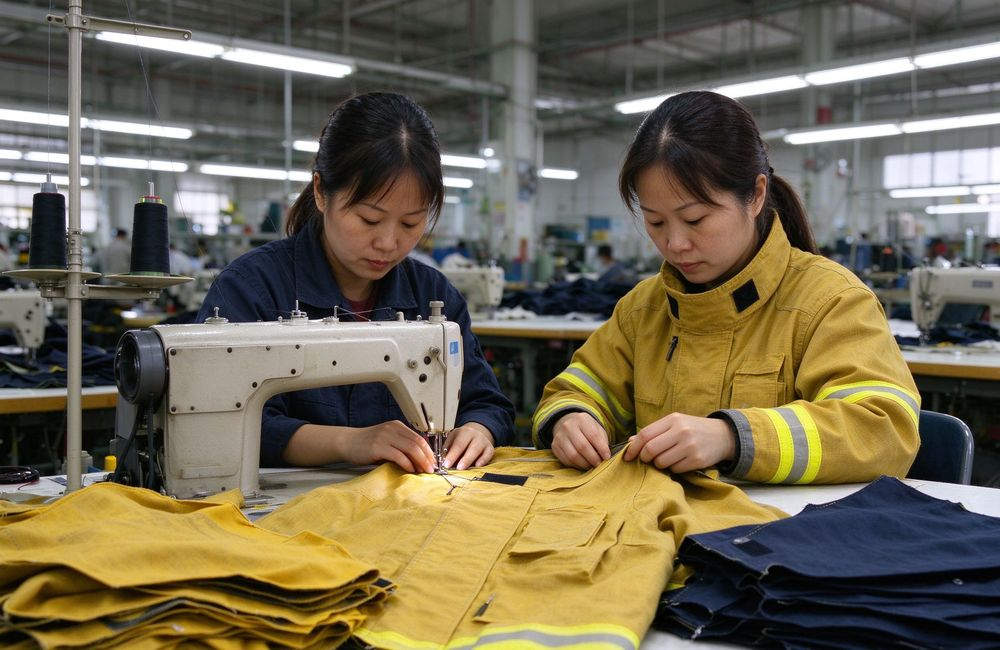
Figure 32 — Finished sets in the warehouse before packing. Confirm the packing standard and production schedule in writing.
The table shows how a bulk specification affects the quotation — useful for the first round of RFQs.
|
Configuration Choice |
What Changes |
Effect on Price |
Recommendation |
|
Shell fabric blend |
Nomex → Kevlar blend → PBI |
Rises with heat performance |
Match to mission, not prestige |
|
Certification scope |
Single vs multi-standard |
Multi-standard costs more |
Confirm destination market first |
|
Logo & customization |
Print / embroidery, size range |
Moderate per-set addition |
Ask for logo-on-trim layout proof |
|
Quantity & lead time |
Batch size, production weeks |
Larger batches lower unit cost |
Plan replacement cycles in advance |
Summary: define the standard and feature baseline first, then compare quotations inside that spec; confirm logo placement against visibility requirements; and put production schedule, packing and certificate delivery in writing.
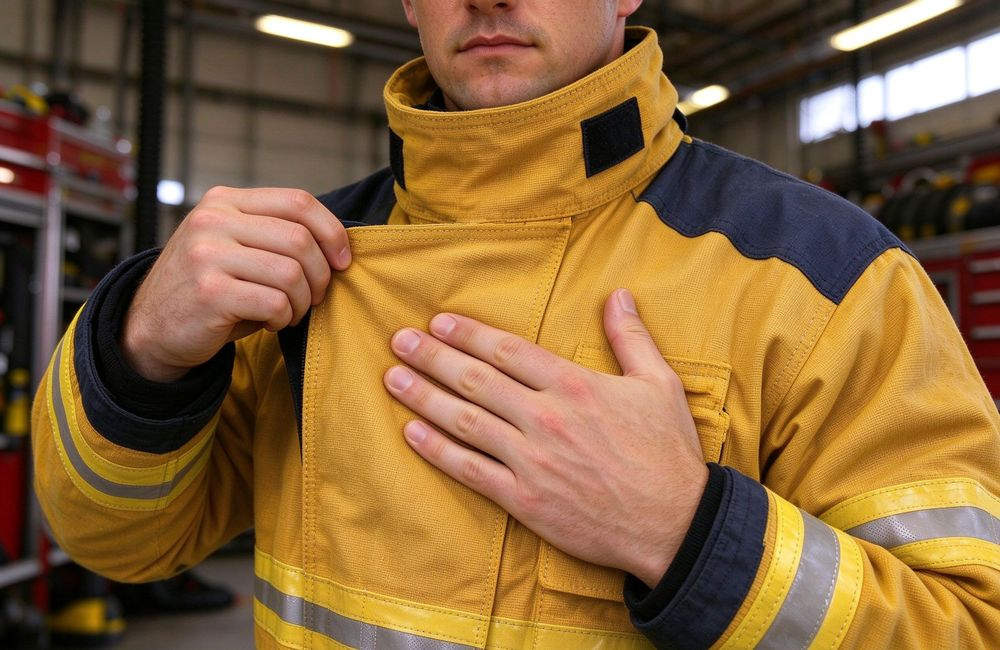
Figure 33 — Bulk turnout gear ready for export. Confirm packing, certificates in the packing list, and the written production schedule before signing.
Export packing is part of the specification, not an afterthought. Confirm how many sets go in each carton, whether certificates and test reports ship with the goods, and what the written production schedule covers — first sample date, batch inspection points and final delivery week. A supplier who writes these dates into the contract is easier to audit than one who answers only by email.
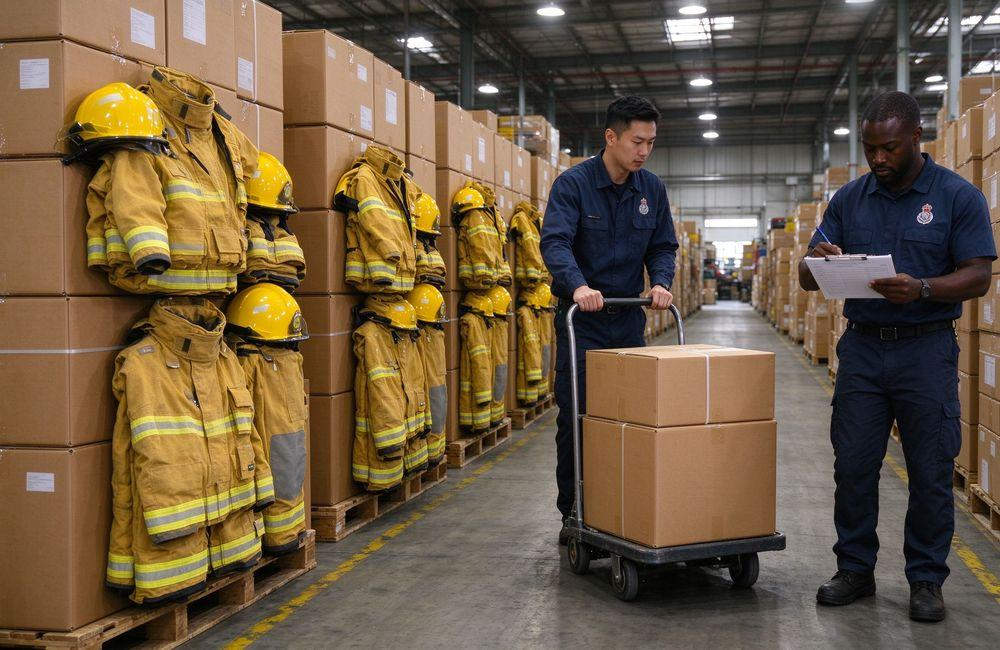
Figure 34 — Carton packing for a department order. Confirm how certificates and test reports ship with the goods.
Replacement cycles are part of long-term planning. Fire departments usually replace turnout gear on a fixed schedule based on use, exposure and inspection findings, so the supplier's reorder lead time matters as much as the first order price. Ask how quickly repeat orders can be produced, whether partial shipments are possible, and how urgent orders are handled — these answers decide whether the supplier can support your fleet over years.
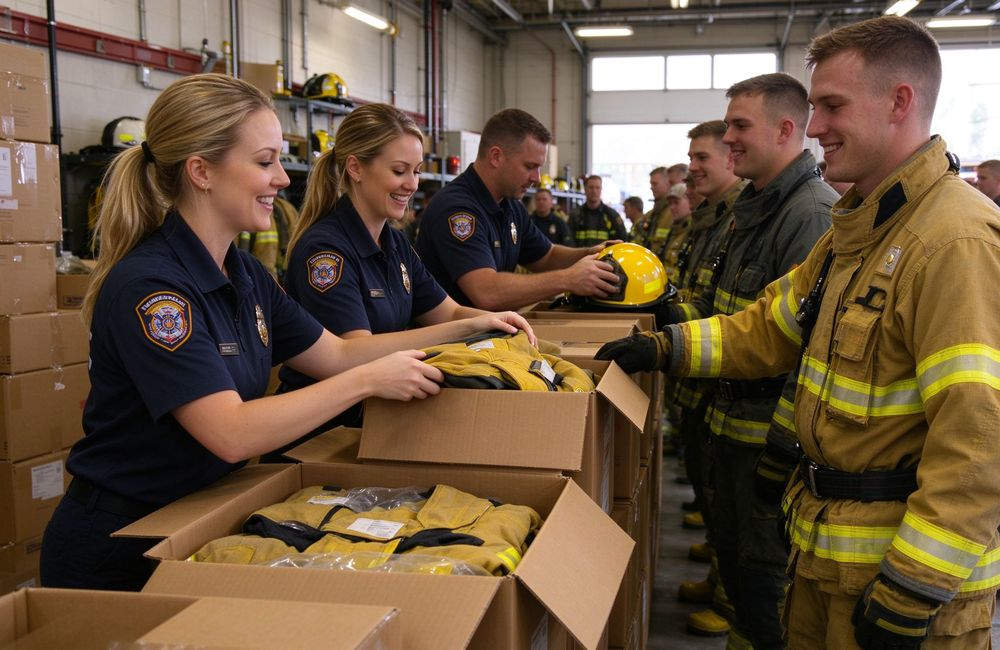
Figure 35 — Replacement cycles are planned years ahead. Check the reorder lead time before selecting a long-term supplier.
Once a set enters service, care and maintenance decide how long it lasts. Washing, drying and inspection follow the manufacturer's instructions, because the moisture barrier and reflective trim are the first parts to degrade with poor care. A removable thermal liner makes deep cleaning possible and lets you replace one damaged layer instead of the whole set — ask whether your supplier's design supports this.
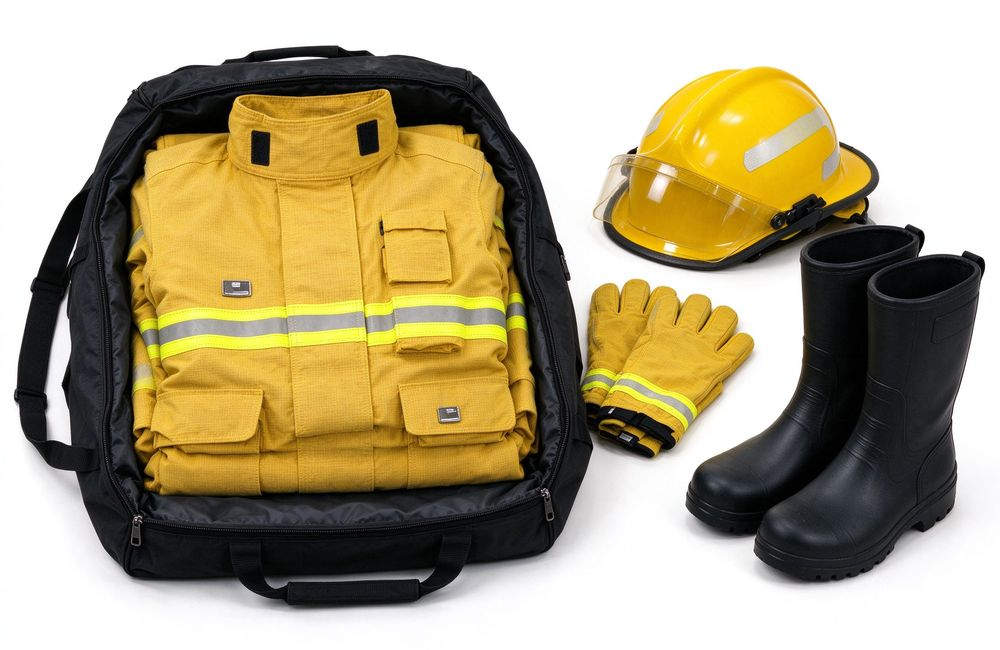
Figure 36 — Care and washing directly affect service life. Follow the manufacturer's instructions for shell, barrier and liner.
The small details that finish an ensemble — the hood, the reflective trim and the closure points — are worth checking on the physical sample. The hood closes the gap at the neck, the trim keeps the wearer visible in smoke, and closures must work with gloves on. These features are difficult to retrofit after delivery, so inspect them while the sample is still in your hands.
What is a complete turnout gear set?
A complete set typically includes coat, trousers, suspenders, hood, gloves, boots and helmet. NFPA 1971 covers the ensemble as a whole, so confirm the set configuration in the quotation rather than assuming the coat alone is "complete gear."
Which is better, Nomex or Kevlar turnout gear?
Neither is universally better. Nomex provides balanced heat protection and comfort for routine structural firefighting; Kevlar adds cut and tear resistance and is usually blended into the shell or used for reinforcement. Many certified shells are a Nomex / Kevlar blend that combines both properties.
NFPA 1971 is required for US structural firefighting ensembles and widely referenced in international tenders. If your market is Europe, EN 469 applies; if regional, GA 10-2014. Confirm the standard your destination requires, then request the matching test report for the exact model.
The moisture barrier blocks water and chemicals from reaching the body while allowing sweat vapor to escape. Taped or welded seams are essential — without them, water can enter through needle holes and steam can build inside the garment.
The DRD (drag rescue device) is a loop in the coat back that lets a rescuer drag a downed firefighter out quickly. It is a required capability in NFPA 1971 ensembles — confirm the coat includes it before ordering.
Measure chest, waist, inseam, height, sleeve length and hip with a standardized sheet so every wearer is measured once the same way. Ask the supplier for their measurement sheet before ordering to reduce exchanges.
Service life depends on use frequency, exposure and care. Garments must be inspected after every major fire and replaced when the shell, barrier or liner shows damage. Follow the manufacturer's inspection and washing instructions — a damaged barrier cannot be repaired in the field.
Yes, most suppliers offer printed or embroidered logos, custom colors and size breakdowns. Confirm logo placement against reflective trim requirements, because an interrupting logo can affect visibility certification.
Minimum order quantities vary by factory and by the level of customization. Ask the supplier for their MOQ for standard sizes and for fully custom sets — they are often different. Terms are confirmed per contract, not published as a fixed number.
Yes, samples are the standard first step for safety gear. Use the sample to check certification reports, fabric blend, DRD, trim and fit. Run quick flame, abrasion and water-seam checks on the physical sample before committing to bulk.
Follow the manufacturer's care label: usually machine wash on a gentle cycle with mild detergent, no bleach, and air dry away from direct heat. Wash the thermal liner separately if it is removable. Improper washing can shorten the service life of the reflective trim and barrier.
At minimum: certification test report for the exact model, fabric blend percentages, sample testing results, DRD and trim specifications, QC process description, sizing sheet, packing standard and production schedule. A supplier who documents all of these is easier to audit.
Unit price follows fabric blend and certification scope: a Nomex shell with a single standard costs less than a PBI blend with multiple certifications. Define the required standard and features first, then compare quotations inside that specification.
NFPA 1971 details are published on the NFPA standards page; European standards are maintained by CEN/CENELEC; Chinese industry standards can be checked on the national standards public service platform.
Need a quotation for bulk firefighter turnout gear? Send your specification — standard, sizes and quantity — and we will confirm configuration and lead time.
 |
|
This guide is for education and sourcing reference. Certification requirements vary by market — verify standards on the official pages linked above. All specifications and MOQs are confirmed per contract.
Przyjazne linki :
prawa autorskie © Custom Disaster - Relief Bedding: Tents, Sleeping Bags, Blankets Wszelkie prawa zastrzeżone
profesjonalny zespół do obsługi !