Kategorie
Last Updated: September 29, 2026
Did you know that if a fire starts indoors, you may have as little as two minutes to escape? Most people think they have time to grab their phone, wallet, or favorite belongings—but the statistics tell a different story. Home fires spread faster than most people realize, and thick black smoke can disorient you in seconds.
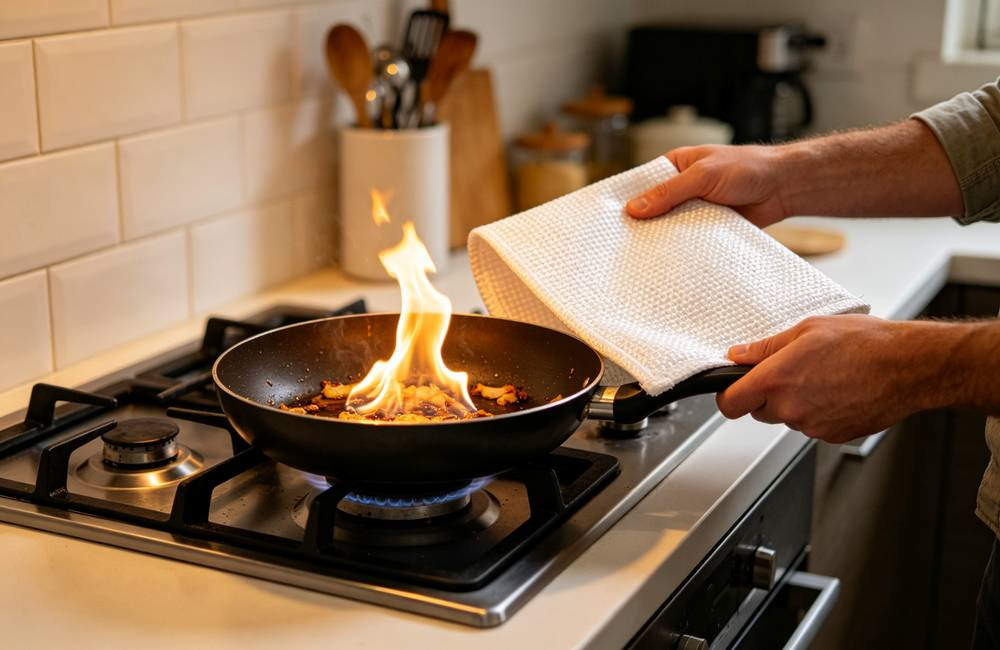
For NGOs, community shelters, and school programs preparing their home fire emergency kit stock, this guide cuts through the jargon: what actually works, what fails safety inspections, and what you can buy in bulk at wholesale pricing. We supply bulk fire safety supplies for schools and shelters worldwide, with CE-certified gear ready to ship in 3 days.
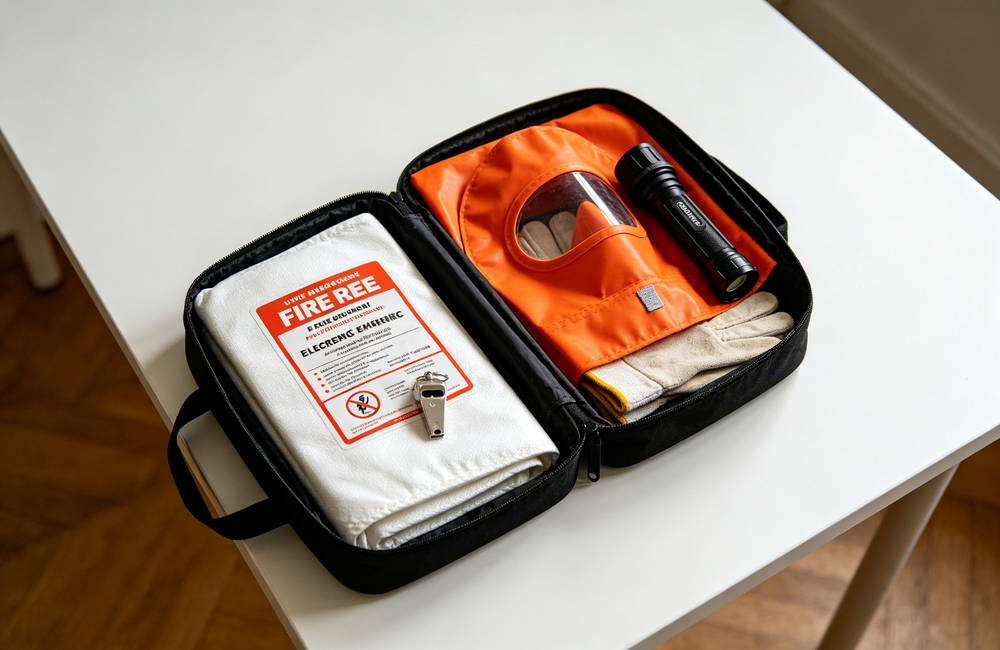
Person holding glass fiber fire blanket over burning kitchen pan to smother cooking oil fire safely at home today
Home fires can double in size in under 3 minutes. Having the right bulk fire safety supplies on hand before disaster strikes is the single most important step your organization can take to protect lives and pass fire inspections.
According to the National Fire Protection Association (NFPA) fire safety report, fire departments respond to an estimated 370,000 home structure fires every year globally. These fires cause billions in property damage, thousands of injuries, and thousands of deaths. Shockingly, 80% of fire-related deaths are caused by smoke inhalation, not burns—confirmed by WHO burns data. The thick, toxic smoke from burning furniture, plastics, and building materials can knock you unconscious in under two minutes.
Let's be straight: most shelters fail their fire inspection not because they lack gear, but because they bought cheap uncertified gear online. We've seen it too many times: a shelter buys 50 no-name fire blankets for $5 each, only to have the inspector reject them because they're thin polyester, not fiberglass. Then they have to rush-order real certified gear at 3x the price when the inspection is 3 days away. That's the pain point this guide solves.
Most people dramatically underestimate how fast a home fire can spread. In the first 30 seconds after ignition, a small flame can double in size. By the one-minute mark, the room is filling with thick black smoke. By the two-minute mark, flashover can occur—the entire room ignites all at once. That means you have roughly 120 seconds from the time the smoke alarm goes off to get yourself and everyone with you out of the building safely—this "two minute rule" is emphasized in Red Cross home fire safety guidance.
Smoke is the real killer. Modern home furnishings—sofas, mattresses, carpets, electronics—are made from synthetic materials that release toxic gases when they burn. Carbon monoxide, hydrogen cyanide, and other poisonous compounds fill the air. You don't even have to be near the fire itself to be overcome. In a closed bedroom, smoke from a fire down the hall can be enough to make you pass out before you can reach the door.
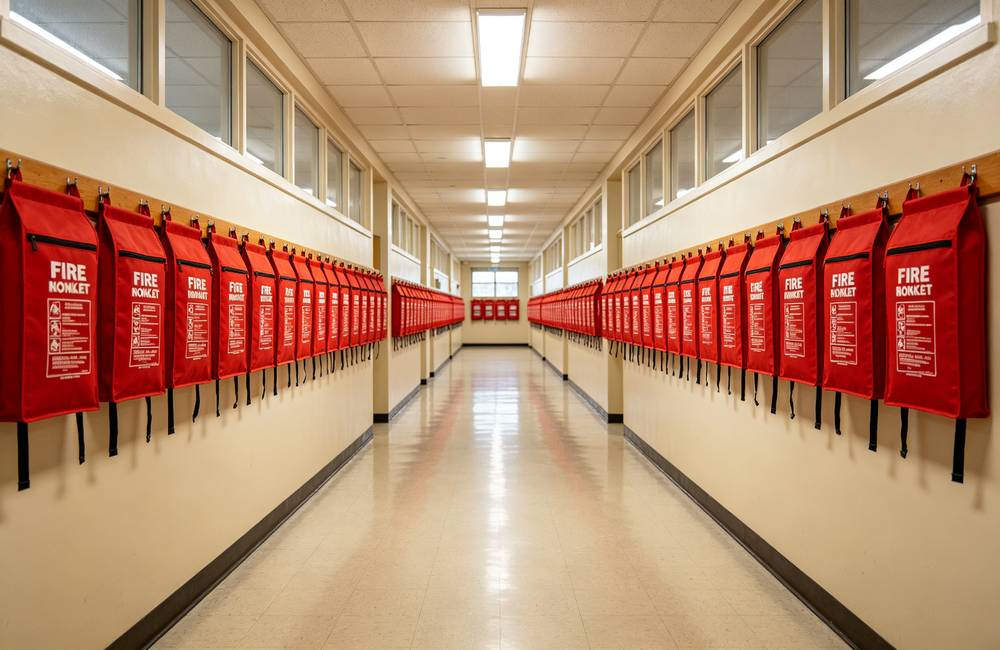
Not all home fires are the same. Understanding the different types helps you choose the right fire safety equipment for your community.
The kitchen is the number one location for home fires. Most start when someone leaves the stove unattended while cooking, or when oil overheats on the stovetop. Grease fires are especially dangerous because water makes them worse—pouring water on a grease fire can cause the flaming oil to splatter and spread the fire across the kitchen. A fire blanket for kitchen fires is often the safest first response: simply lay it over the pan to smother the flames in 2 seconds.
Electrical fires start from overloaded outlets, faulty wiring, damaged cords, or overheated appliances. These fires often start inside walls or behind outlets, so you may not see them until they've already spread. They require a Class ABC dry chemical fire extinguisher—water can make electrical fires worse because it conducts electricity.
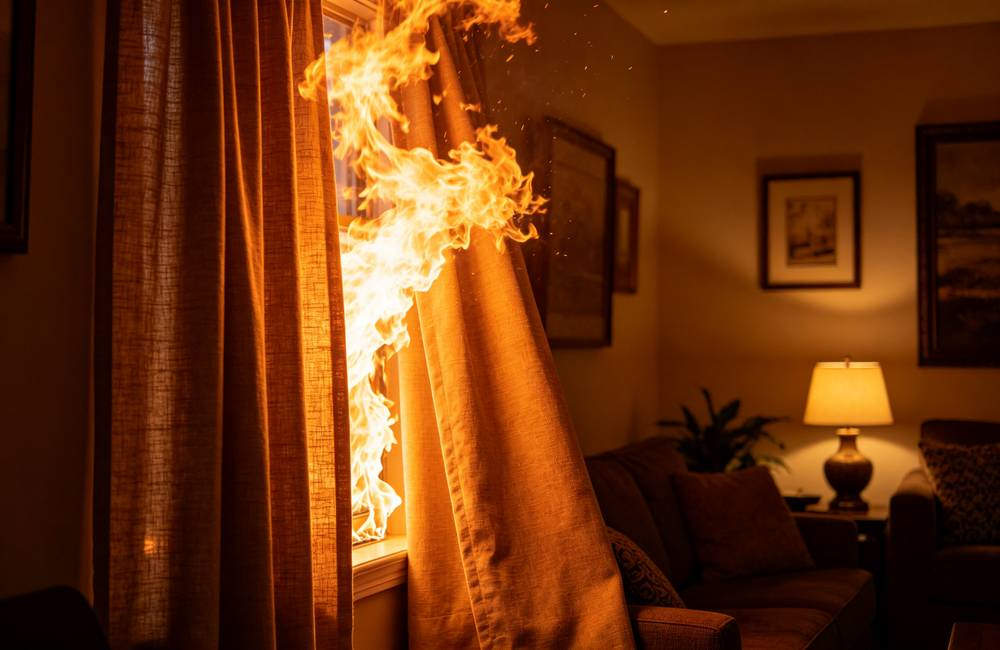
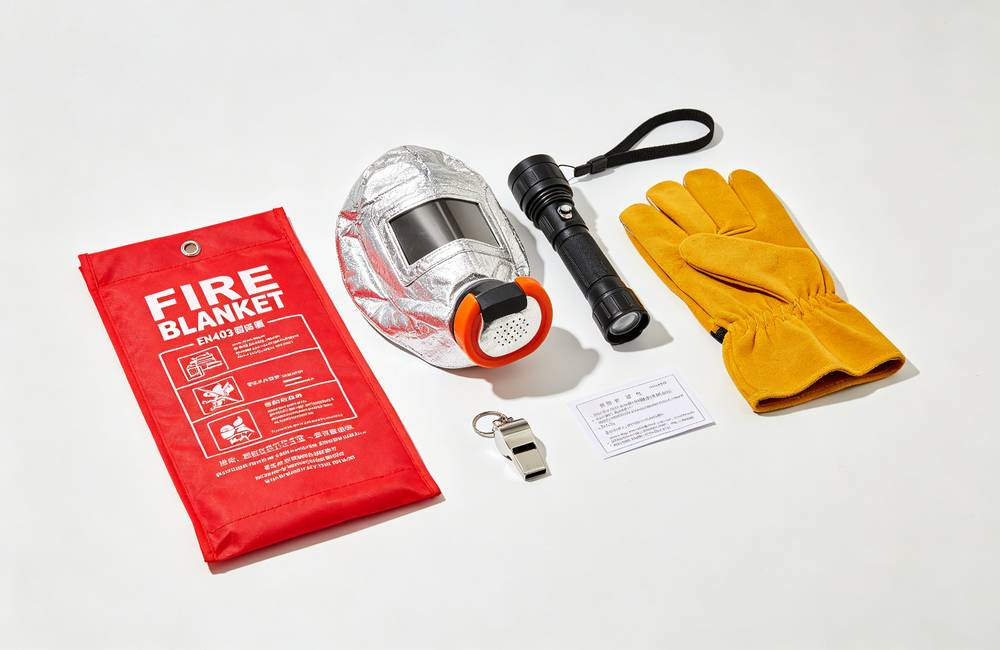
A well-stocked home fire emergency kit doesn't just help people escape—it helps them stay safe while they're escaping, and helps your organization pass fire inspections the first time. Here are the essential items every community shelter or relief program should stock in bulk, with real specs you can compare.
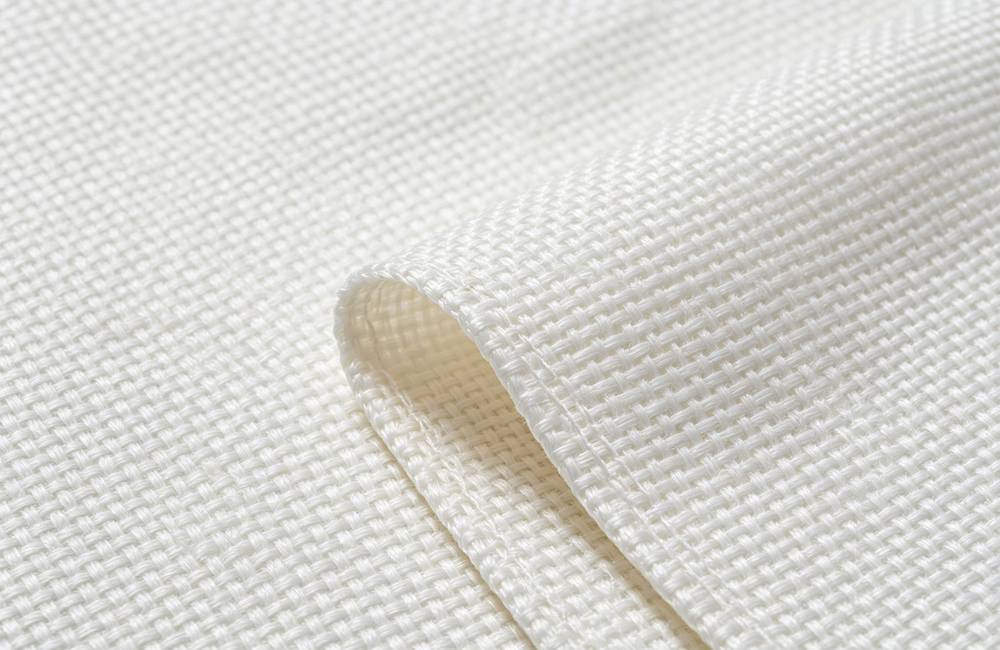
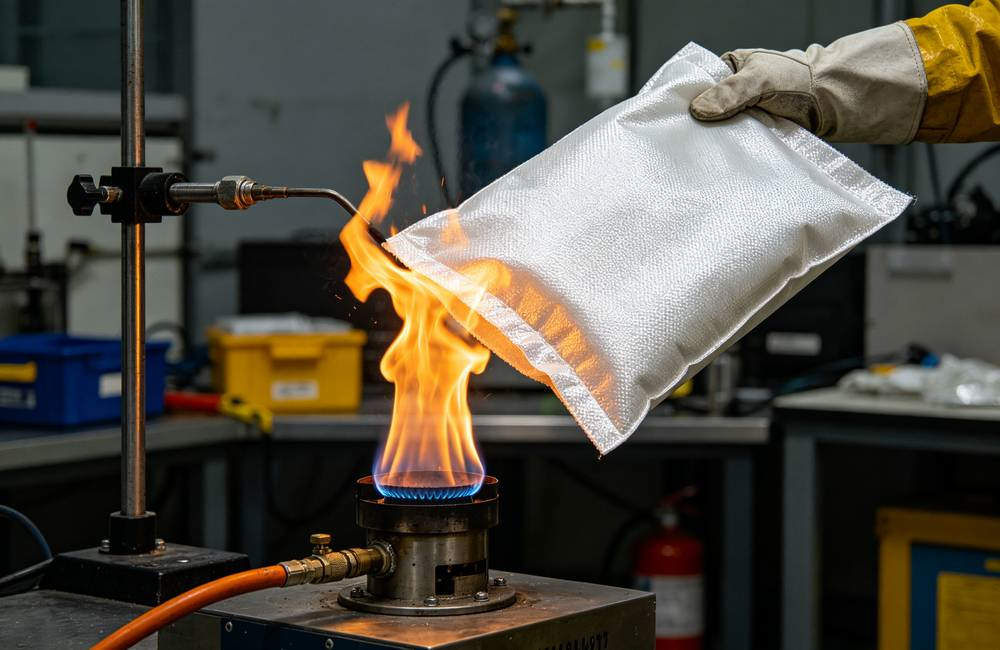
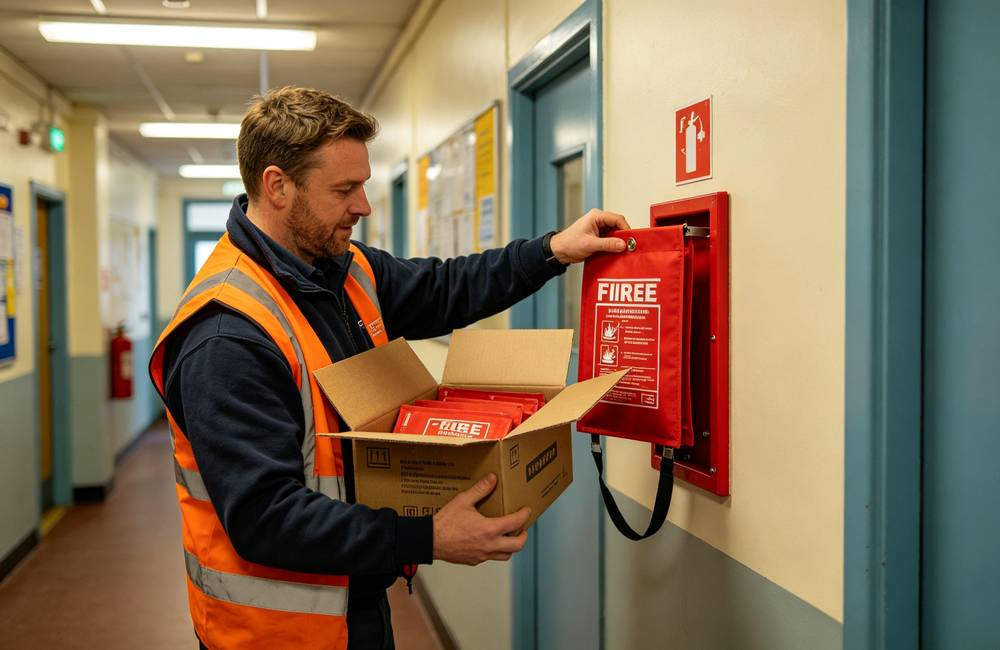
Let's cut to the chase: this is the product we recommend most for shelters. It never expires, never needs servicing, and anyone can use it—even elderly residents and children. Our fire blankets are made of 1.2m × 1.8m woven fiberglass, rated to withstand 550°C direct flame, CE certified, and tested to smother kitchen grease fires and clothing fires in seconds. Unlike cheap polyester blankets that melt when exposed to heat, our fiberglass blankets are reusable for 5 years, and you can wipe them clean after use.
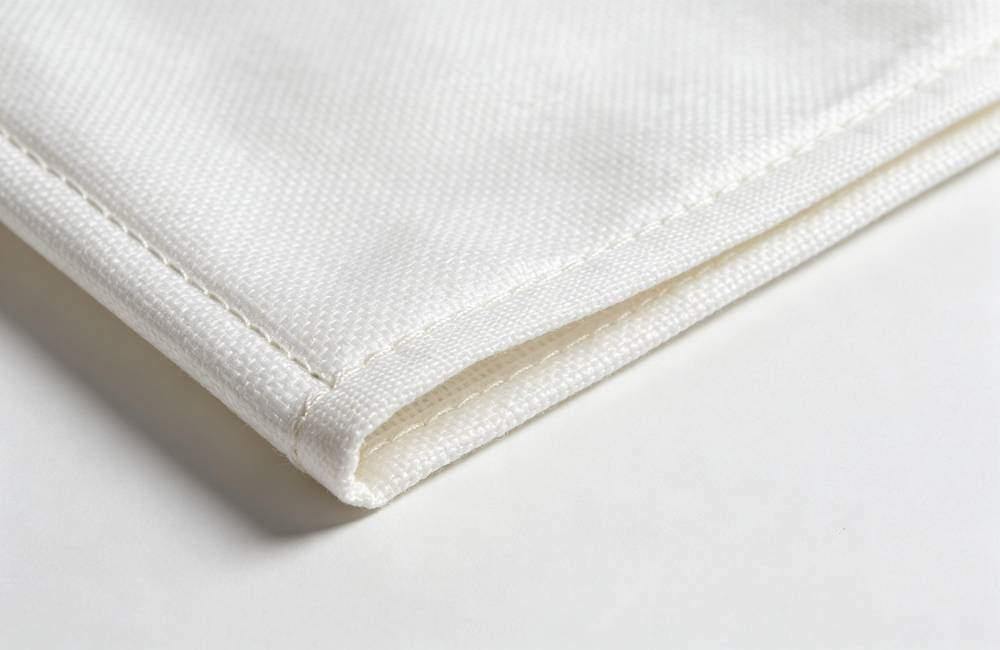
How to spot a fake: real fiberglass blankets have a rough, woven texture that doesn't tear when you pull it hard. Cheap imitations feel smooth like plastic, and they'll crack when exposed to direct flame. We include a batch test report with every order, so your fire inspector has the paperwork they need on the spot.
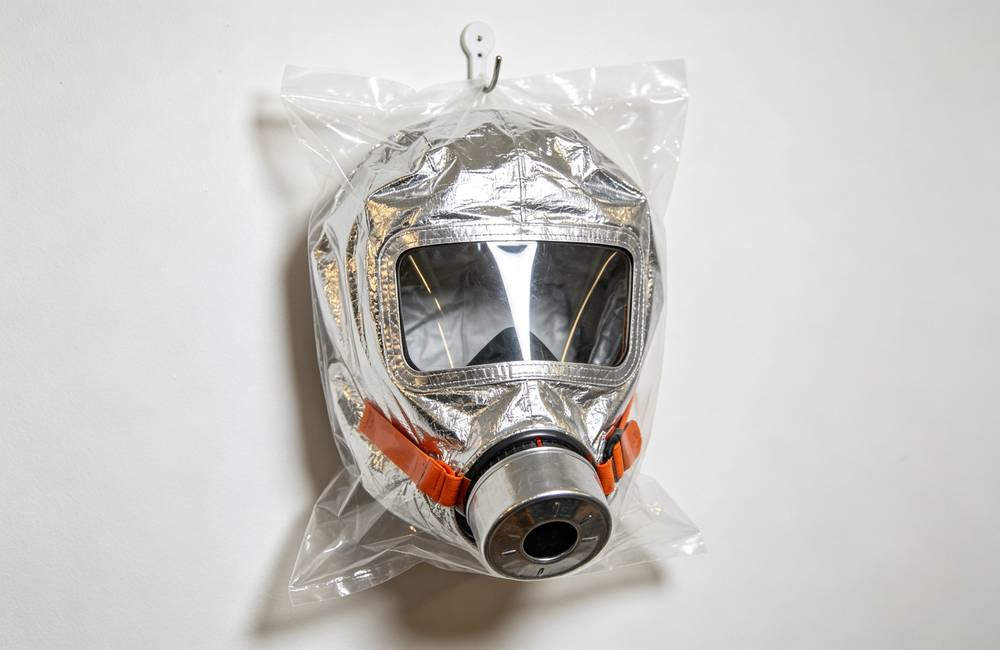
As we mentioned earlier, 80% of fire deaths are from smoke inhalation, not burns. A proper smoke mask for home escape (also called an escape respirator) filters out carbon monoxide, hydrogen cyanide, and other toxic gases, giving you 15 minutes of clean air to escape through a smoke-filled building. Our masks meet EN 403 standards, come with a clear visor that works for people with glasses and beards, and are individually sealed in sterile packaging with a 5-year shelf life.
Pro tip: don't buy the cheap $2 no-name masks on Amazon. Those only filter large particles, not the carbon monoxide that actually kills people. Our masks are lab-tested to filter 99.97% of smoke particles for 15 full minutes.
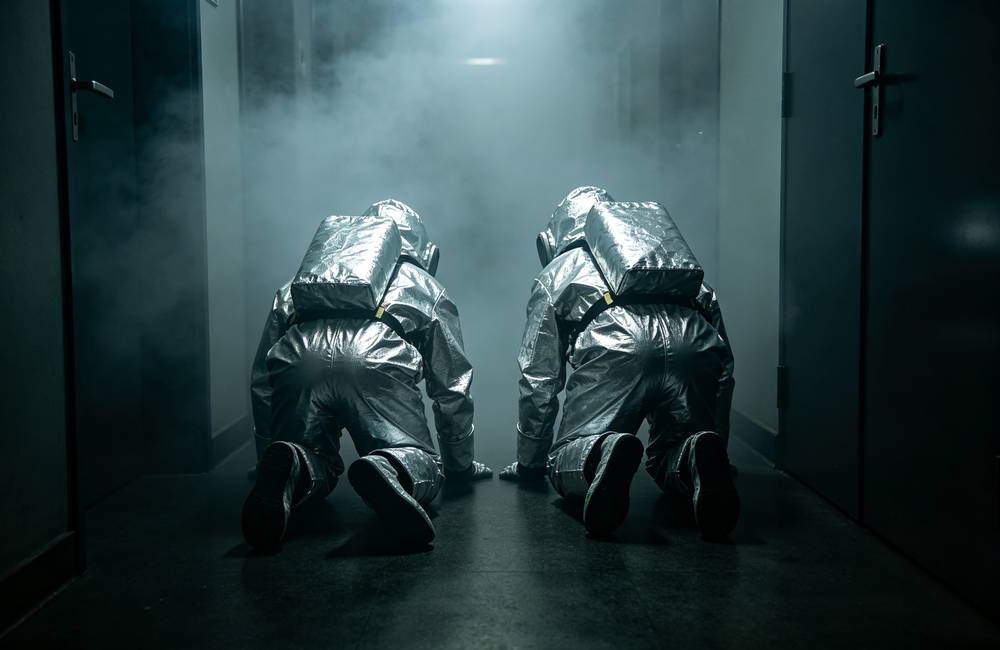
For shelters and multi-room housing, our pre-assembled kits take all the guesswork out of sourcing. Each kit includes 2 smoke escape masks, 1 fire blanket, 2 escape whistles, 2 glow sticks, and an escape route sticker on the pouch. We can customize kit contents for your shelter size, and add your organization logo for orders over 50 kits. This is our most popular product for group housing: one PO, one shipment—no need to source 6 different products from 6 different suppliers.
If your local fire code requires extinguishers, we can supply CE-certified ABC dry chemical extinguishers with mounting brackets. Note that extinguishers are classified as dangerous goods for international shipping, so lead times are longer (4-6 weeks), and freight costs are higher than for non-hazardous items. For most shelters, we recommend starting with fire blankets and smoke masks first, and adding extinguishers only where required by local code.
Item
Key Specs
Quantity per 100 people
Wholesale Unit Price
4kg ABC Fire Extinguisher
CE certified, wall mount included
4-6 units
$28-35
Fire Blanket (1.2×1.8m)
Woven fiberglass, 550°C rated, CE certified
10-15 units
$8-12
Smoke Escape Mask
EN403, 15-min filtration, 5-year shelf life
100 units (1 per person)
$4-6
Escape Whistle
3x louder than regular whistle, lanyard included
50 units
$0.8-1.2
Emergency Flashlight
IPX4 waterproof, 200 lumens, battery included
50 units
$3-5
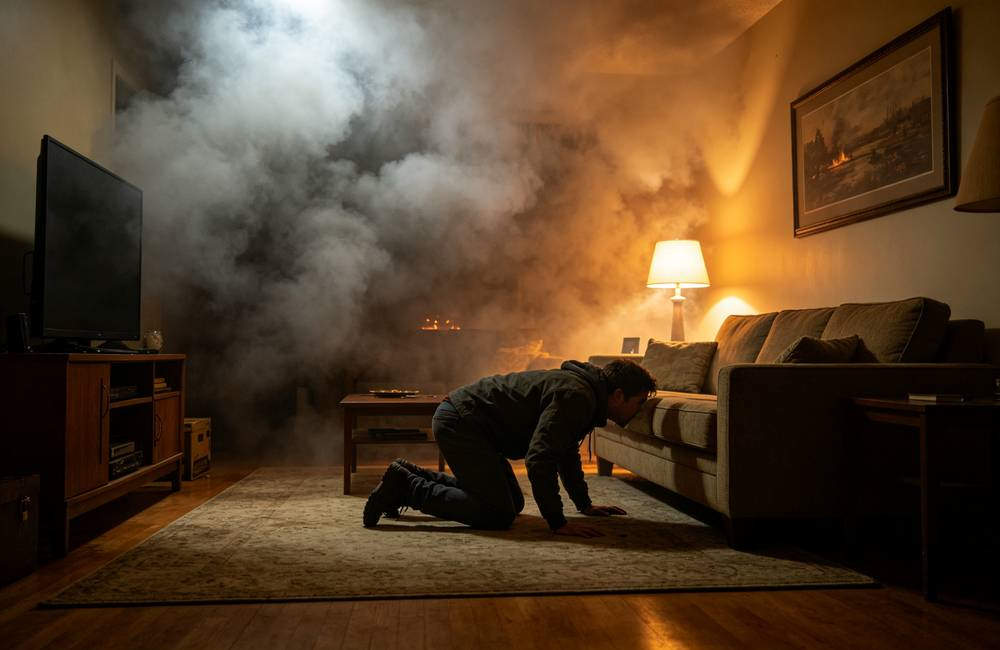
When the smoke alarm goes off, you don't have time to think. The rule is simple and memorable: GET OUT, STAY OUT, and CALL FOR HELP. Never go back inside for anything or anyone.
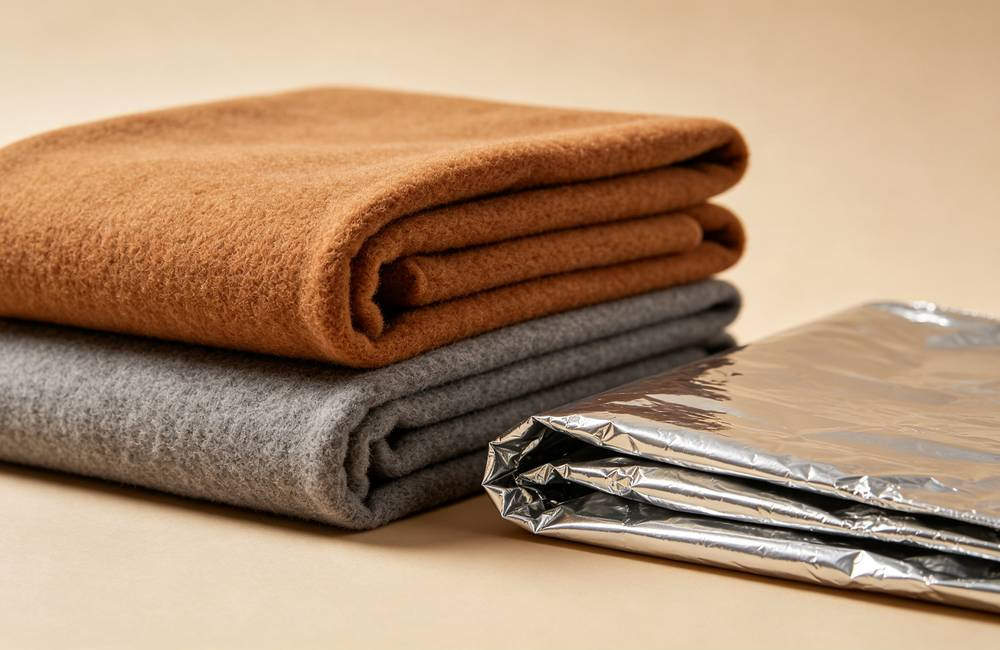
Smoke and hot air rise, so the cleanest air is near the floor. If you can see smoke, drop to your hands and knees and crawl toward the nearest exit. Keep your head 12-24 inches off the ground—that's where the air is still breathable. Put on your smoke mask as soon as you can reach it, but don't waste time searching for it if you're already in immediate danger.
This is one of the most important steps, and it's the one people forget most often. Before you open any door during a fire, feel it with the back of your hand. Start at the top of the door, then feel the doorknob. If either is hot, do NOT open the door. That means fire is right on the other side, and opening it will let a rush of oxygen and flames into your safe space. Instead, use your second exit—the window, or another hallway.
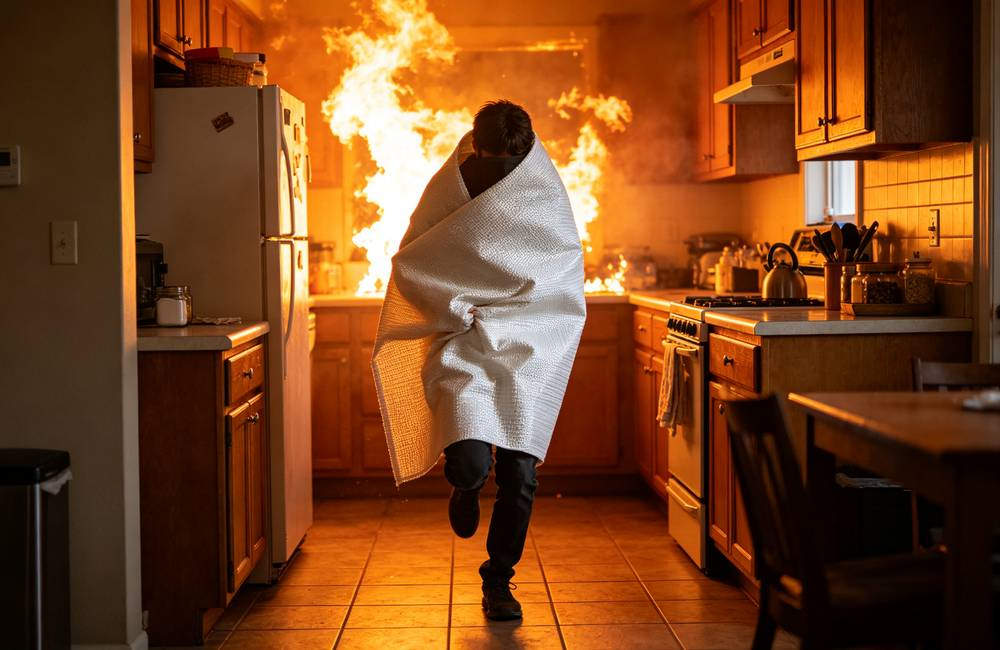
After working with hundreds of shelter teams on fire preparedness, there are a few mistakes we see over and over. Avoid these, and you'll pass your inspection the first time.
Mistake 1: Only putting extinguishers in the kitchen. People think fires only start in kitchens, but they can start anywhere. Put an extinguisher on every floor, near every exit, and in every common room.
Mistake 2: Buying cheap uncertified fire blankets. This is the #1 reason shelters fail inspection. Thin polyester blankets look the same at first, but they melt when exposed to direct flame, and inspectors can spot them immediately. Always ask for a CE test report before ordering.
Mistake 3: Skipping smoke masks. This is the biggest gap we see. Organizations will spend hundreds on extinguishers, but skip smoke masks because they seem expensive. But remember—80% of fire deaths are from smoke inhalation. A $5 smoke mask is the cheapest life insurance you can buy.
Mistake 4: Forgetting to rotate stock. Fire masks and blankets last 5 years, but most shelters buy a batch and forget about them. We recommend marking the purchase date on every pack, and replacing them before they expire. It's much cheaper to replace them on schedule than to find out during a fire drill that they're expired.
Mistake 5: Locking fire gear in a closet. If the kit is locked, it might as well not exist. Fire blankets and masks need to be out in the open, clearly marked, and accessible to everyone at all times.
Mistake 6: Not practicing drills. People think "we'll know what to do if there's a fire." In reality, when the alarm goes off, people panic, freeze, and go the wrong way. Practice twice a year, every spring and fall.
Mistake 7: Buying gear without a warranty. A lot of cheap suppliers won't take back defective products. We offer a 2-year warranty on all our fire gear, and we replace any defective items free of charge.
Building type
Fire blanket rating needed
Smoke hood level
Quantity per 100 people
Church / community hall
EN1869 550°C
EN403 basic
10 blankets, 20 hoods
School dormitory
EN1869 550°C
EN403 15-minute
20 blankets, 40 hoods
Homeless shelter
EN1869 550°C
EN403 15-minute
25 blankets, 50 hoods
This table tells you the minimum fire safety rating for different shelter types, so you do not overspend on higher-rated gear than you need.
Every shelter should run a full fire gear audit twice a year—once in spring, once in fall. This isn't just for inspections; it's the only way to make sure nothing is expired, missing, or damaged when you actually need it. Here's the 15-minute audit checklist we recommend every shelter manager keep posted on the shelter door:
Step 1: Count every item. Walk every room, count every extinguisher, blanket, and mask. Write the number down on a printed sheet. Don't trust your memory—we've seen managers who thought they had 50 masks, only to find 12 were missing when they counted.
Step 2: Check every expiry date. Flip every mask over, check the printed date. If it's within 6 months of expiry, order replacements now. Don't wait until it's expired—supply chain delays mean you might not get replacements in time.
Step 3: Check every extinguisher gauge. The needle on the extinguisher gauge has to be in the green zone. If it's in the red, the extinguisher is empty and needs servicing. A lot of shelters have extinguishers that haven't been serviced in 10 years—they look fine, but they don't work.
Step 4: Check blanket pouches. Open 2-3 random blankets from each stack. Make sure the pull tabs aren't brittle, the pouch isn't torn, and the blanket itself doesn't have holes. Cheap blankets degrade in storage even if you never use them.
Step 5: Log everything. Write the audit date, the count, any items you replaced, and the name of the person who did the audit. This log is what your fire inspector will ask for first—it proves you're not just buying gear and forgetting it.
Most shelters skip this step, and it's the #1 reason they fail inspections. Inspectors don't just check that you have gear—they check that you're maintaining it. A 15-minute audit every 6 months saves you from a failed inspection and, more importantly, keeps your residents safe.
Not every shelter is the same. A 50-bed emergency shelter for unhoused people has different needs than a 300-student school gym, which has different needs than a church basement used as a winter storm shelter. Here's how we adjust quantities for the most common shelter types:
These shelters have people sleeping on cots in large open rooms, sometimes 100+ people in one space. For these, we recommend 1 smoke mask per cot, 1 fire blanket per 5 cots, and 1 extinguisher per 500 square feet. People in these shelters often don't know the layout, so we also recommend glow-in-the-dark exit signs above every door, and a staff member assigned to sleep near the exit during overnight stays.
School gyms hold 200-500 students during tornado and fire emergencies. For these, we recommend 1 hard hat per student, 1 fire blanket per 20 students, and 1 extinguisher per gym entrance. Schools also need extra evacuation whistles—kids panic and can't hear staff yelling over the noise. We also recommend storing the gear right by the gym entrance, not in a distant closet, so teachers can hand them out as students file in.
These shelters are used on weekends for community events, and aren't staffed 24/7. For these, we recommend weather-sealed storage cabinets locked with a combination lock (written on the cabinet door), 1 mask per expected visitor, and a monthly check by the church administrator. These shelters often get forgotten for months at a time, so the monthly check is non-negotiable.
Temporary job sites pop up for 2-6 months, and people often forget fire safety for these. For these, we recommend portable fire extinguishers, one fire blanket per tent, and a portable smoke alarm that runs on batteries. These sites change locations every month, so the gear needs to be easy to pack up and move.
Fire safety gear is non-hazardous, which means no special shipping restrictions. Most orders ship by sea freight: a 40ft container holds roughly 12,000 fire blankets or 8,000 smoke hoods. For urgent orders, air freight costs 3-4x more than sea freight, but it delivers in 7 days. We help you calculate total landed cost before you order: product cost + international shipping + destination customs duty. Most European countries have 0% import duty on CE-certified fire safety gear, while some African countries charge 10-15% import tax.
One thing most suppliers don't tell you up front: fire extinguishers are classified as dangerous goods for international shipping. That means they can't go on regular sea freight with the rest of your gear, they need special dangerous goods documentation, and shipping costs are 2-3x higher than regular items. This catches a lot of shelters off guard—they budget for the gear, then get hit with a freight bill they didn't expect.
Our recommendation: split your order. Order all the non-hazardous items (blankets, masks, whistles, flashlights) first, shipped by regular sea freight 2-3 days after you place the order. Then order extinguishers separately, 4-6 weeks before you need them, so the special dangerous goods shipping doesn't hold up your whole order. This is how most large relief organizations handle it—they don't wait 6 weeks for extinguishers to arrive before they start stocking the rest of the kit.
We also provide full customs documentation for every order, including commercial invoices, packing lists, and CE certification paperwork, so your shipment doesn't get held up at customs. Most fire gear we ship clears customs in 2-3 days, with no extra fees, because all the paperwork is in order.
For urgent orders, we can also air-ship in-stock non-hazardous items in 5-7 days, though air freight is more expensive than sea freight. If you have an inspection coming up in 2 weeks, air shipping is the fastest way to get the gear you need without waiting 4 weeks for sea freight.
How much should you budget for your home fire emergency kit? It depends on the size of your organization, but here are rough numbers based on our most common orders:
|
Shelter Size |
Total Cost (Wholesale) |
What's Included |
|
Small shelter (50 people) |
$800 - $1,500 |
2 extinguishers, 10 fire blankets, 50 smoke masks, 25 whistles, 25 flashlights |
|
Medium shelter (200 people) |
$3,000 - $5,000 |
8 extinguishers, 30 fire blankets, 200 smoke masks, 100 whistles, 100 flashlights, first aid kits |
|
Large community center (500+ people) |
$8,000 - $12,000 |
20 extinguishers, 80 fire blankets, 500 smoke masks, 250 whistles, 250 flashlights, full first aid setup |
These numbers are for wholesale, bulk pricing. If you're buying retail, expect to pay two to three times more. That's why most relief organizations work directly with a supplier like us—we offer bulk fire safety supplies at wholesale pricing, with flexible lead times and custom branding for orders over 50 units.
Now you know exactly how to calculate container capacity, shipping cost and duty rates for your fire gear order. Most European NGOs save 30-40% by ordering sea freight instead of air freight for non-urgent restocks.
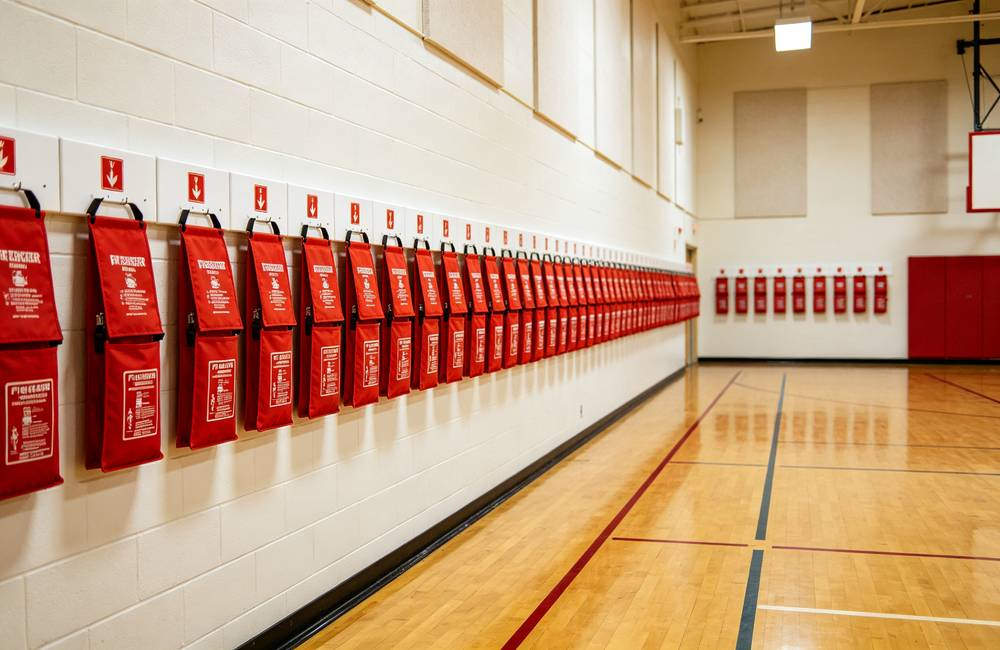
Most relief organizations buy fire safety supplies using grant money, and grantors require a detailed report showing exactly what you bought, how much it cost, and how it is being used. We have helped hundreds of shelters write these reports over the years, and here is the structure that gets grantors to approve your next application:
Section 1: Risk assessment. Start with the facts: how many people are in your shelter, how many home fires happen in your region every year, what the local fire department says about your current gaps. Grantors want to see you have done your homework, not that you just decided to buy gear on a whim.
Section 2: Itemized purchase list. Every item you bought, the quantity, the unit cost, the total cost, and the certification number. We provide a fully itemized invoice for every bulk order, with all CE certification numbers listed, so you can copy it straight into your grant report. No more guessing what to write.
Section 3: Drill and inspection results. Show that you used the gear: how many fire drills you ran, how many residents trained, what your fire inspection score was. Grantors want to see the gear is not just sitting in a closet.
Section 4: Future plan. Tell them when you will rotate the stock, how often you will run drills, what gaps you still have. This makes it easy for them to approve your next grant request.
We see so many grant applications get rejected because the report is vague: "we bought fire safety gear." Show the numbers, show the drill results, show the certification paperwork, and your application will stand out.
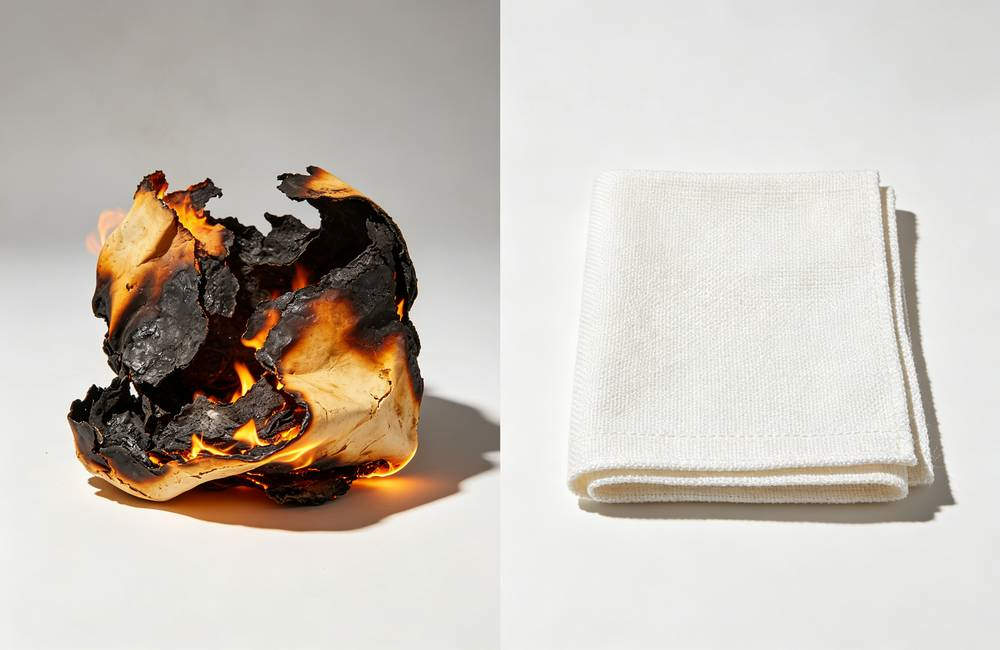
Buying the gear is only half the job. If you store it wrong, it will not work when you need it. Here are the storage rules every shelter should follow:
Temperature: Store all gear in a space that stays between 10°C and 30°C. Extreme heat breaks down the plastic on fire masks and the glue on fire blanket pouches. A hot attic or a freezing garage is not a good storage spot.
Access: All gear has to be visible and accessible. If you have to move a stack of chairs to get to the fire blanket cabinet, it is not accessible. Mount the cabinet on a wall at eye level, with a big sign that says "FIRE SAFETY GEAR—DO NOT LOCK".
Inventory log: Keep a clipboard right next to the cabinet. Every time you take a mask or a blanket out for a drill, write the date, what you took, and what you replaced. This log is what your fire inspector will ask for first.
Climate control: If you live in a humid climate, put a small silica gel packet in each fire mask box. Humidity makes the rubber seal on the mask degrade faster, and it will not seal properly when you need it.
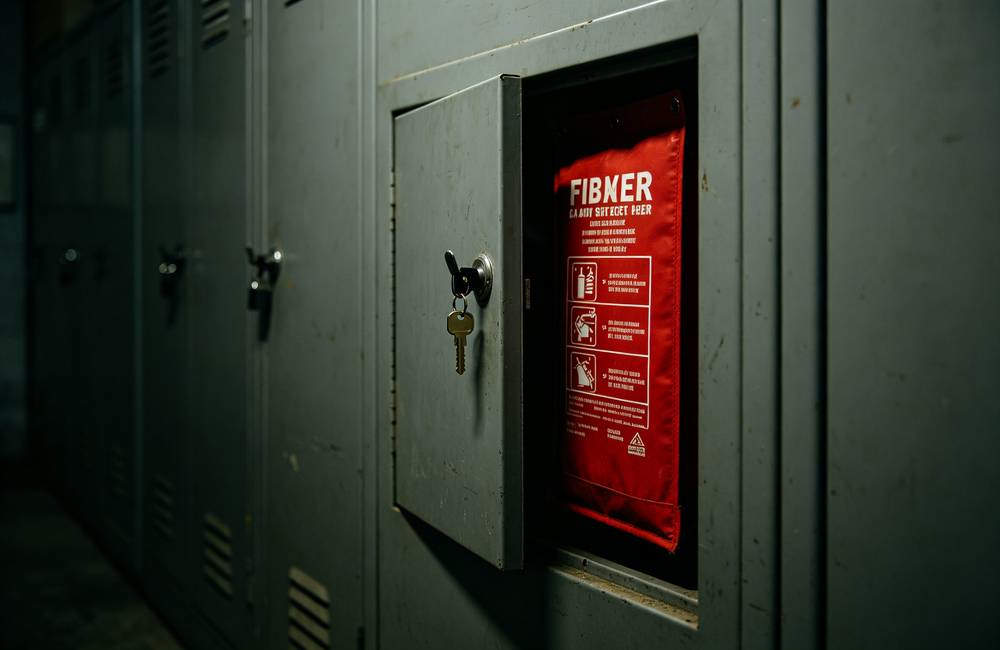
When you get quotes from 3-4 different suppliers for fire safety gear, the cheapest quote is almost never the best. Here is exactly what to compare when you are evaluating quotes:
Compare certification first. Supplier A quotes $6 per fire blanket, supplier B quotes $10. The $6 one might be thin polyester, no CE certification, no test report. The $10 one is woven fiberglass, with a batch test report. Ask every supplier for a sample and a copy of their CE certificate before you compare prices. A $6 blanket that fails inspection is way more expensive than a $10 blanket that passes.
Compare lead time. Supplier A says 3 days, supplier B says 2 weeks. If you have an inspection in 2 weeks, the 3-day supplier is worth paying 10% more. We see shelters go with the cheapest quote, then wait 4 weeks for delivery, and miss their inspection date.
Compare included documentation. Some suppliers include the test report and compliance letter for free, others charge $50 per document. We include all CE documentation for free with every order, because we know shelters need it for inspection and grant reports.
Compare warranty. Some suppliers offer no warranty at all. We offer a 2-year warranty on all fire gear—if a mask arrives with a broken seal, we replace it for free. A supplier who does not stand behind their product is not worth saving $1 per unit.
How long does a fire blanket actually last in a shelter?
Woven fiberglass fire blankets stored in a dry cabinet last 10 years minimum. Check them once a year: if the pouch is cracked, the blanket feels brittle, or it has been used in a drill, replace it. We recommend rotating stock every 5 years as a safe middle ground.
No. Any facial hair between the mask seal and your face breaks the airtight seal. For staff with beards, we stock half-face respirators with separate P100 filters that seal over beard. This is a detail fire inspectors catch every year.

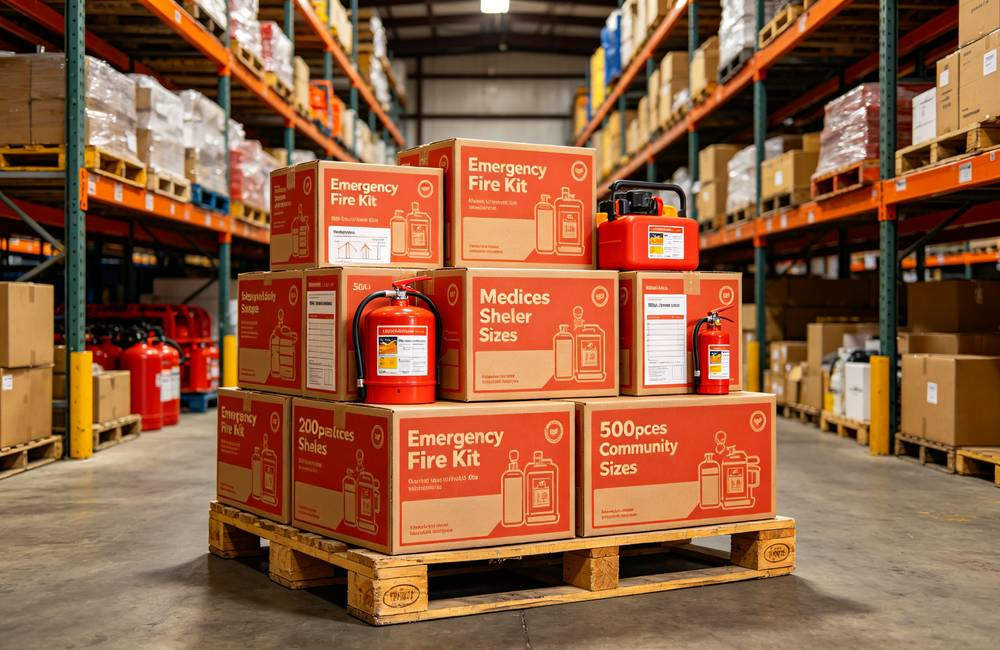
We know B2B buyers need proof before placing a bulk order. Here is exactly what you get when you order from us:
QC process: We inspect 10% of every batch before shipment. All products come with CE/ISO9001 certificates. Third-party inspection (SGS, BV) is supported before shipment.
Sample to mass production: We send free sample kits within 3 days. You confirm the sample, we lock the specs. Mass production takes 7-10 days. We send production photos before shipment, and you receive tracking within 24 hours after dispatch.

Use this table to place your bulk order directly, no back-and-forth emails needed:
|
Product |
Key spec |
Packing |
Evidence we provide |
|
Fire blanket |
550°C, 1.2×1.8m |
100pcs/carton |
EN1869 cert, batch test report |
|
Smoke hood |
EN403 15min |
50pcs/carton |
EN403 cert, lab report |
|
Escape flashlight |
3AAA, IPX4 |
100pcs/carton |
CE RoHS cert |
This table tells you exactly what specs we ship, so you can copy it straight into your purchase order.
Every bulk order comes with a commercial invoice, packing list, CE certificate of conformity, and a form A for duty reduction (if applicable). We can also provide fumigation certificates for wooden pallets, which is required for most countries.
Standard in-stock items ship in 3 days. Custom logo or custom packaging orders take 7-10 days. We send weekly production updates so you know exactly when your order will arrive.
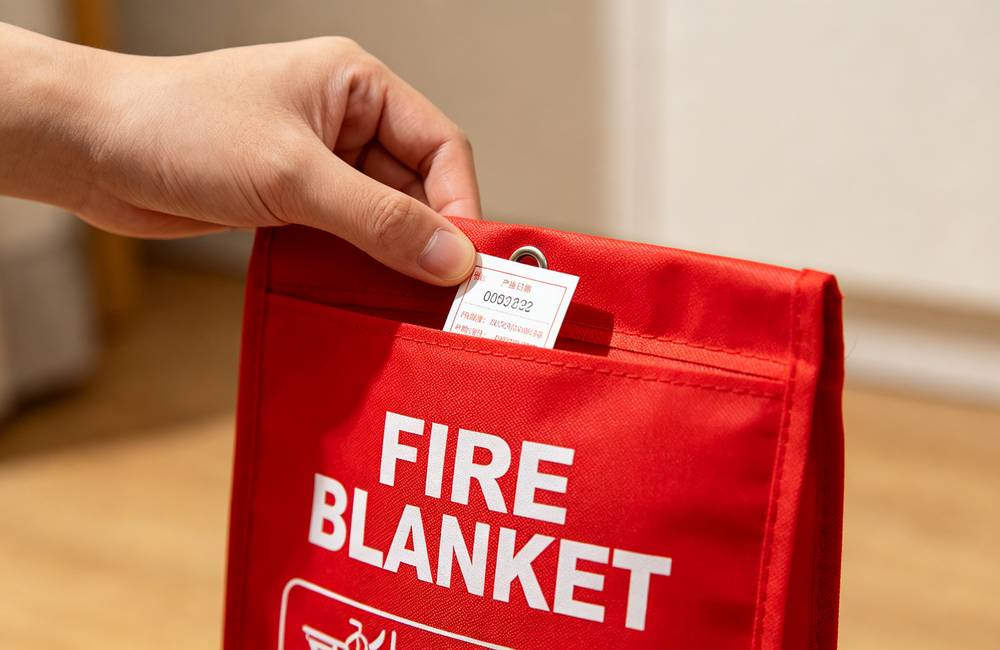
Most local fire departments accept old fire blankets for free disposal. Do not throw them in regular trash, as fiberglass can irritate landfill workers.
Yes, our woven fiberglass blankets can be used multiple times. After a fire drill or small fire, just shake off debris, wipe clean, and fold back into the pouch.
Mount fire blankets on wall brackets at eye level, near exits. Do not lock them in a closet—people need to grab them in 2 seconds during an alarm.
Commercial shelters need at least 0.6mm thick fiberglass. Thinner 0.4mm blankets tear easily during distribution and do not pass fire inspection.
Yes, they last 10 years in dry storage. Check the date on the pouch every year—replace any blanket older than 10 years, as the fiberglass becomes brittle.
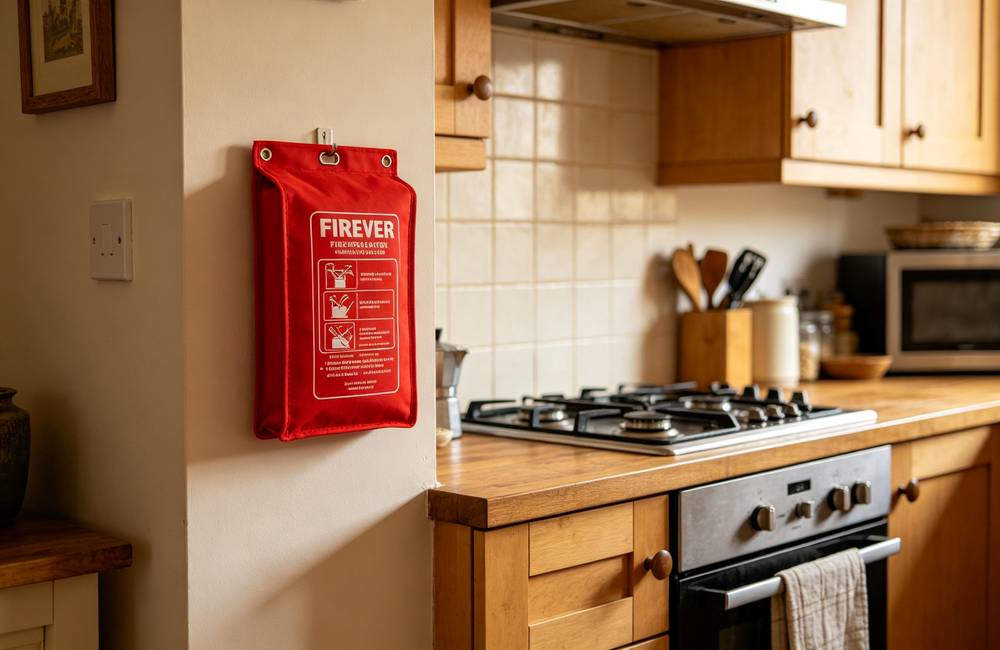
Yes! That's exactly what they're designed for. When a small pan fire starts, you just lay the blanket over the pan, and it smothers the fire in seconds by cutting off the oxygen. It's much safer than trying to pour water on a grease fire, which will make the fire explode and spread. We recommend keeping one within arm's reach of every stove in your shelter.
One per person, minimum. Keep 100 masks stored right by each bedroom and dorm room entrance, so people can grab one as they run out during an alarm. Don't store them all in one central closet—people won't have time to walk across the building during a fire drill.
Fire blankets first. They're cheaper, easier to use, never expire, and anyone can operate them. Buy 3 fire blankets for every 1 extinguisher. Extinguishers are needed for larger fires that blankets can't smother, but most small kitchen fires are put out with a blanket before the fire even grows big enough to need an extinguisher.
Yes! Every fire blanket we sell comes with a CE certification tag, a factory test report, and a batch number. We also provide a signed compliance letter that most local fire inspectors accept directly for inspection. If your inspector needs any additional documentation, we provide it within 24 hours.
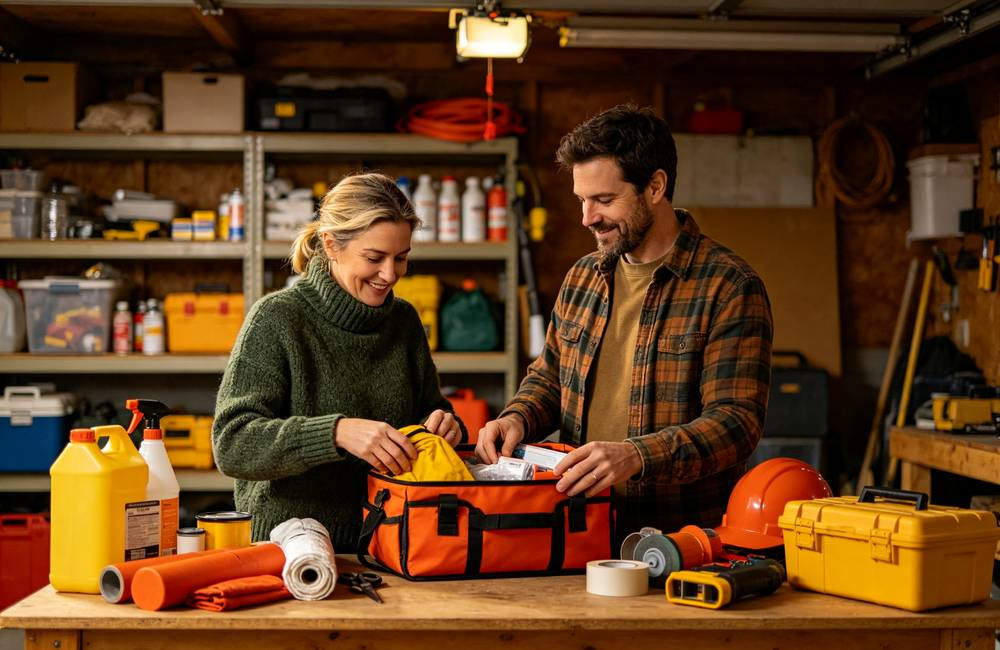
For fire blankets and smoke masks, we start at just 50 units. For extinguishers and larger equipment, the MOQ is 20 units. We also offer mixed bulk orders—you can combine blankets, masks, whistles, and flashlights in one shipment to hit the best pricing tier.
Absolutely! We offer custom branding on all our fire safety kits—your logo on the blanket pouch, on the mask packaging, or on the extinguisher tag. This helps with inventory and makes it clear who the supplies belong to during a large-scale response. Custom logo orders start at 100 units.
Our EN403 certified masks have a 5-year shelf life when stored in a cool, dry place. We recommend marking the purchase date on every pack, and rotating stock so nothing expires. Don't wait until a drill to find out your masks are 7 years old and no longer filter properly.
Yes! We provide eligible donation receipts for qualifying non-profit organizations, including a full itemized list of what you purchased for your grant reporting and donor accountability.
Yes! We send sample packs to qualified relief organizations, so you can test the quality of the fire blanket fabric and the mask seal before placing a large order. Just contact us through our website and tell us about your program.
We ship in-stock fire blankets and smoke masks in 3 days, with all CE certification documentation included. Don't get shut down because you bought uncertified gear from a no-name supplier.
Q: How often should you replace a home fire escape kit?
A: Fire masks last 5 years, fire blankets last 5 years. Mark the purchase date on every pack, and rotate them on schedule before they expire.
Q: Are fire blankets safer than extinguishers for kids?
A: Yes! Fire blankets are simpler—no pin, no hose, just pull and lay. Kids as young as 8 can use them safely, no training needed.
Q: Can a fire blanket be reused?
A: Yes, our woven fiberglass blankets are reusable: after a small fire, wipe them clean, hang them dry, and they're good for 5 years total.
Q: What's the best fire safety gear for rental properties?
A: Start with one fire blanket and one smoke mask per room. They're cheap, no maintenance, and cover the most common kitchen and hallway fires.
Q: Do fire blankets really expire?
A: The blanket fabric doesn't degrade, but the storage pouch and pull tabs break down over 5 years. Replace them on schedule to be safe.
Need bulk fire safety supplies for your program?
 |

|
Przyjazne linki :
prawa autorskie © Custom Disaster - Relief Bedding: Tents, Sleeping Bags, Blankets Wszelkie prawa zastrzeżone
profesjonalny zespół do obsługi !