Kategorie
Last Updated: October 6, 2026
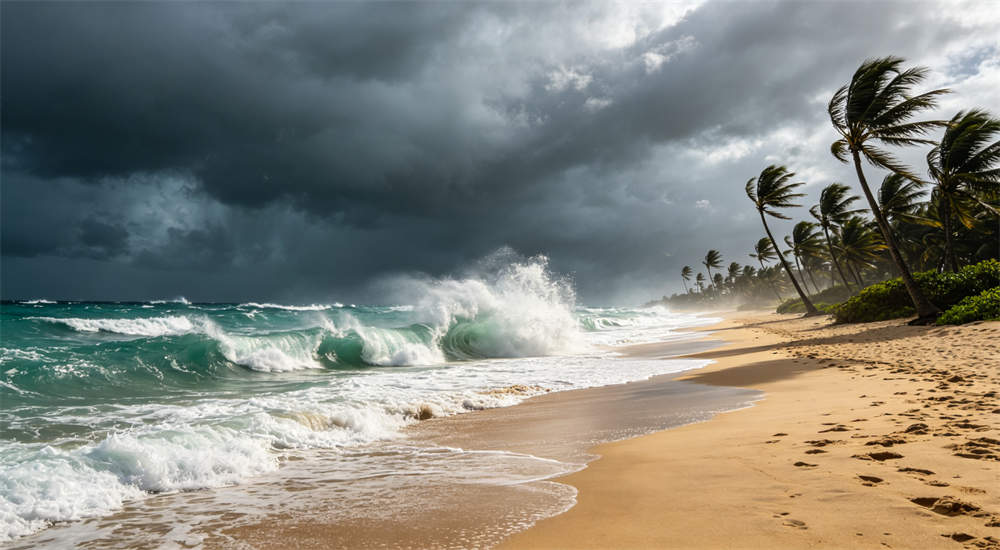
Hurricanes don't just blow in overnight. They give you days—sometimes a full week—of warning. The question is: will your relief organization be ready when that time comes? Having a hurricane preparedness kit stocked and pre-positioned means the difference between helping within 24 hours or watching from the sidelines for a week.
|
15+
Average Atlantic hurricanes per season
|
40%
of all U.S. tornadoes happen during hurricane landfalls
|
$20B+
Average damage per major hurricane
|
Based on NOAA National Hurricane Center guidelines and the American Red Cross hurricane preparedness recommendations, this complete hurricane preparedness kit guide covers everything relief organizations need to know about bulk hurricane supplies, emergency preparedness kit sourcing, and hurricane response equipment procurement for hurricane season.
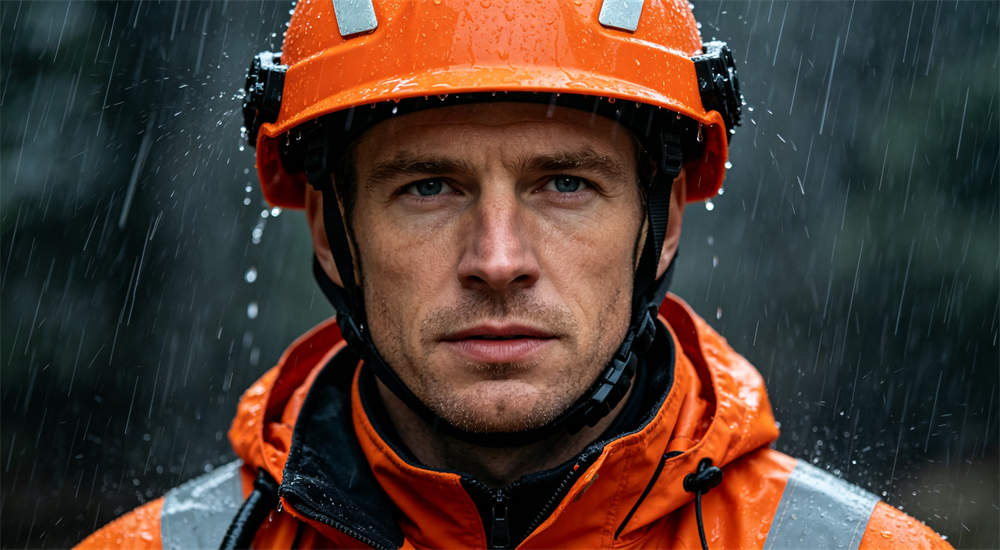
disaster relief and relief organization procurement
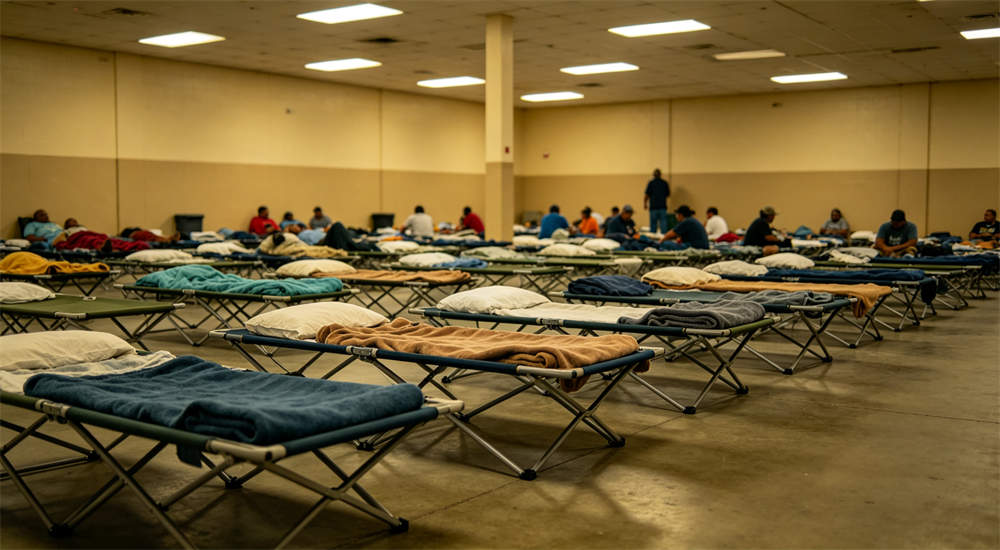
folding cots and beds, clean organized shelter setting for hurricane response operations and bulk shelter supplies
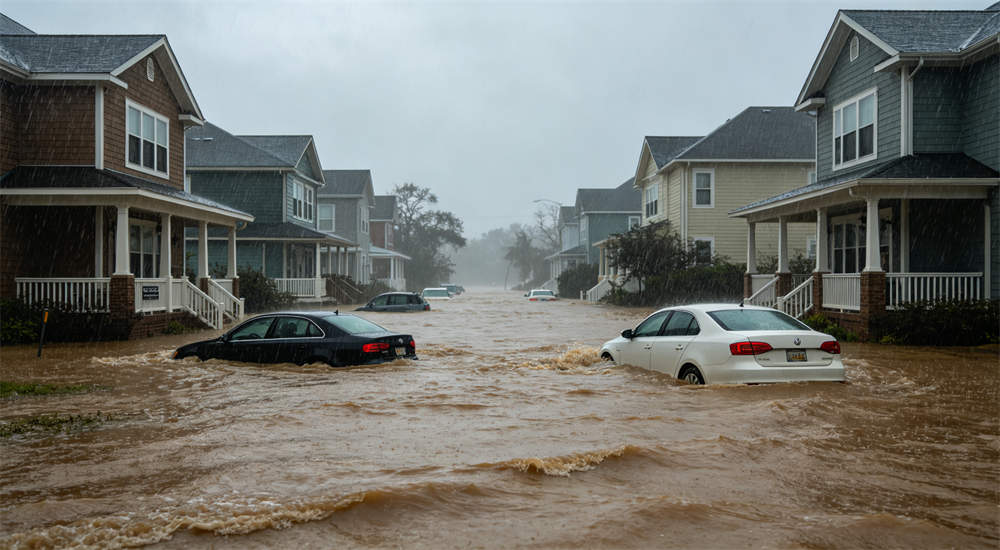
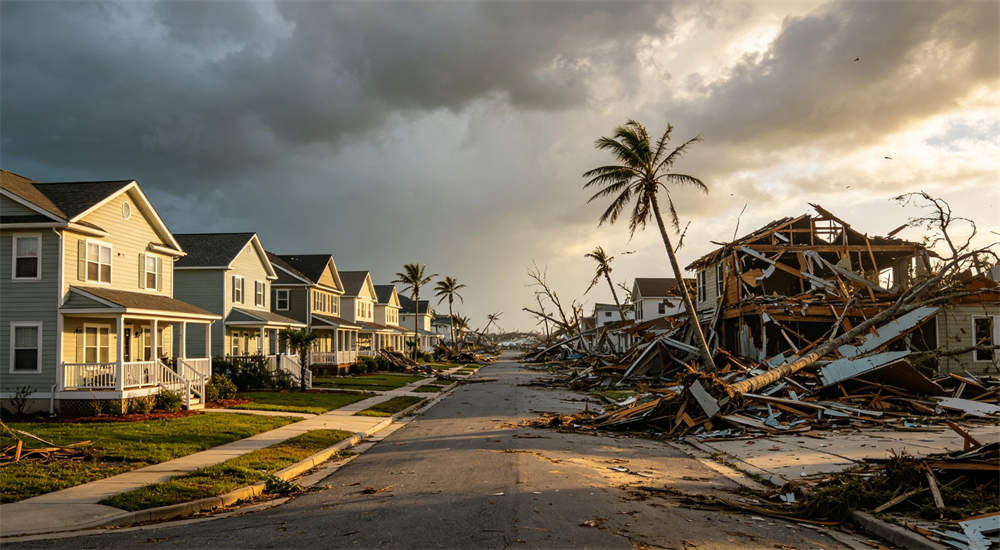
Hurricanes are different from other natural disasters. They're slow-moving, predictable, and they bring multiple hazards at once: extreme wind, catastrophic flooding, storm surge, and tornadoes. For relief organizations sourcing bulk disaster relief supplies, this means your response needs to cover a wide range of scenarios—from water rescue to long-term shelter.
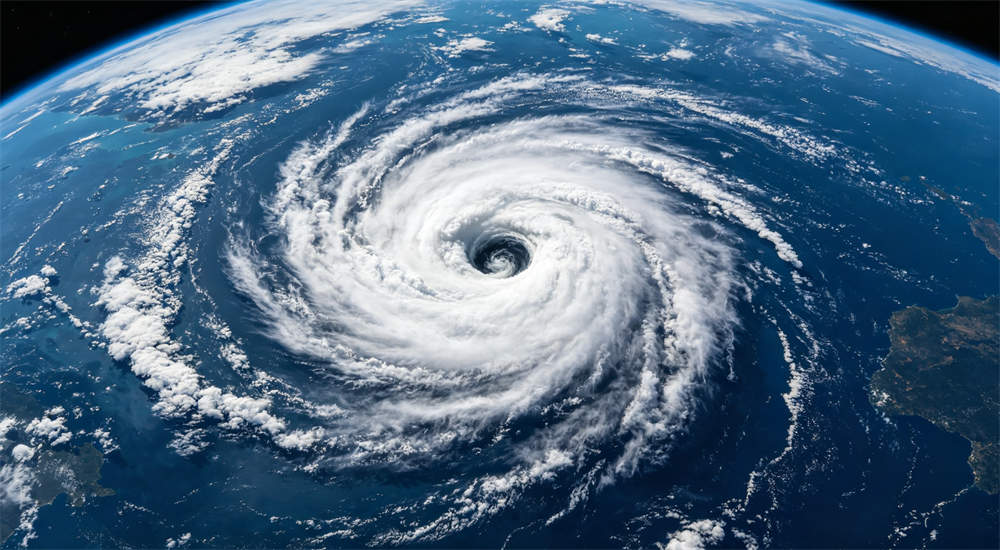
The worst part? Most relief agencies wait until a hurricane is forming before they start scrambling for supplies. By then, prices have spiked, shipping is delayed, and you're buying whatever's available instead of what you actually need.
Did you know? The 2024 Atlantic hurricane season was one of the most active on record, with 18 named storms. The NOAA Climate Prediction Center predicts above-normal activity every year through 2030. Hurricane preparedness isn't optional—it's mandatory.
Hurricanes are multi-hazard events. A single storm can bring:
Industry Observation: After Hurricane Ian (2022), relief organizations that had pre-positioned hurricane kits before the season hit were on the ground within 48 hours. Organizations that waited until the storm was named? They were still waiting for shipments when the recovery phase was already halfway over. This is a well-documented pattern seen year after year.
The Saffir-Simpson Hurricane Wind Scale categorizes hurricanes from 1 to 5 based on wind speed. But category only tells part of the story. Storm surge, rainfall, and flooding can be devastating even in weaker storms. For procurement teams, this means you need to match your bulk order quantity to the worst-case scenario your organization might face.
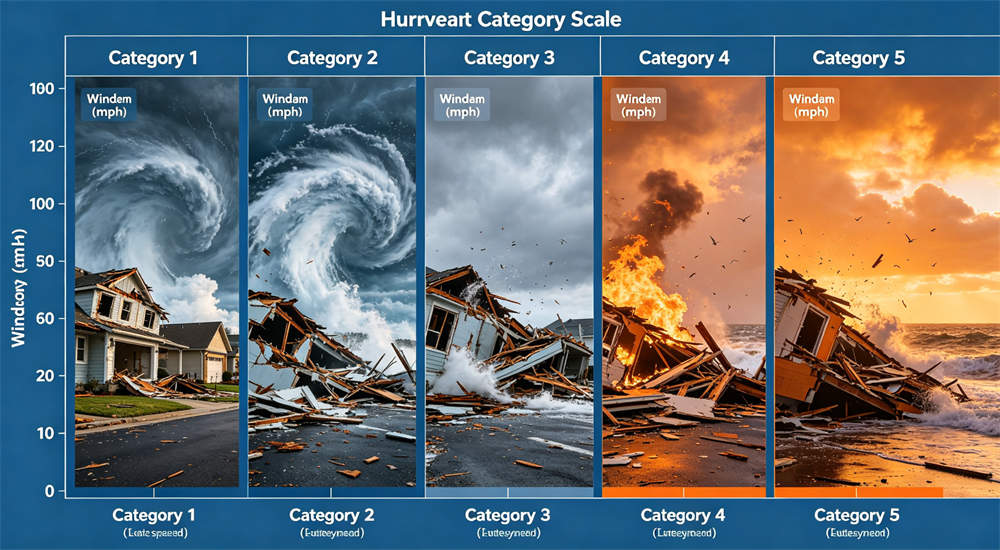
The table below breaks down each hurricane category, the damage you should expect, and the response supplies you need to have on hand. Use this as a quick reference when planning your bulk purchase order.
Category
Wind Speed
Damage Potential
Response Needed
Category 1
74-95 mph
Minimal
Standard emergency supplies including collapsible water bladders and foldable water tanks
Category 2
96-110 mph
Moderate
Enhanced kit + temporary shelter
Category 3
111-129 mph
Extensive
Full relief deployment + water rescue
Category 4
130-156 mph
Extreme
Multi-agency coordination
Category 5
157+ mph
Catastrophic
Major national response
Important: Don't focus only on category. Hurricane Harvey (2017) made landfall as a Category 4, but the worst damage came from inland flooding—dropping 60+ inches of rain in some areas. Always prepare for flooding, not just wind.
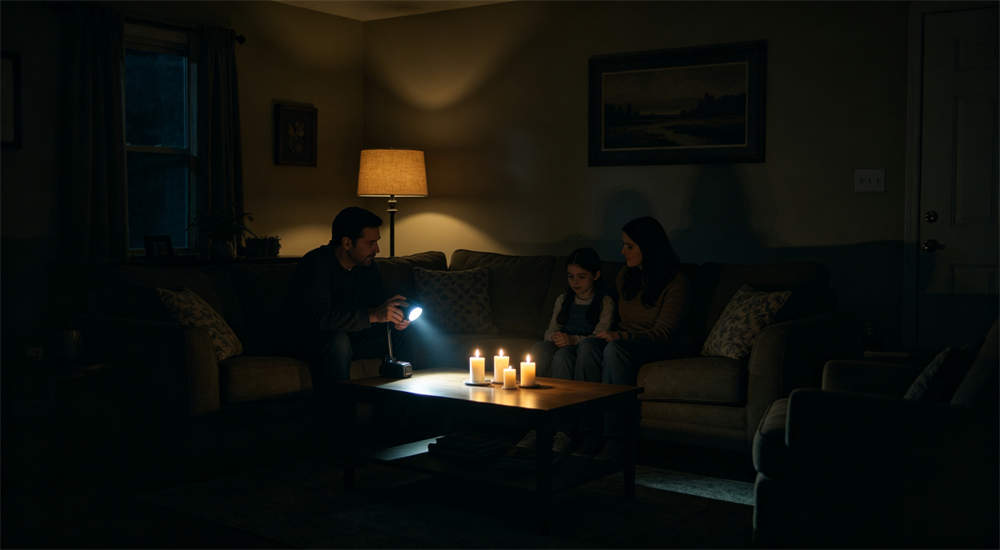
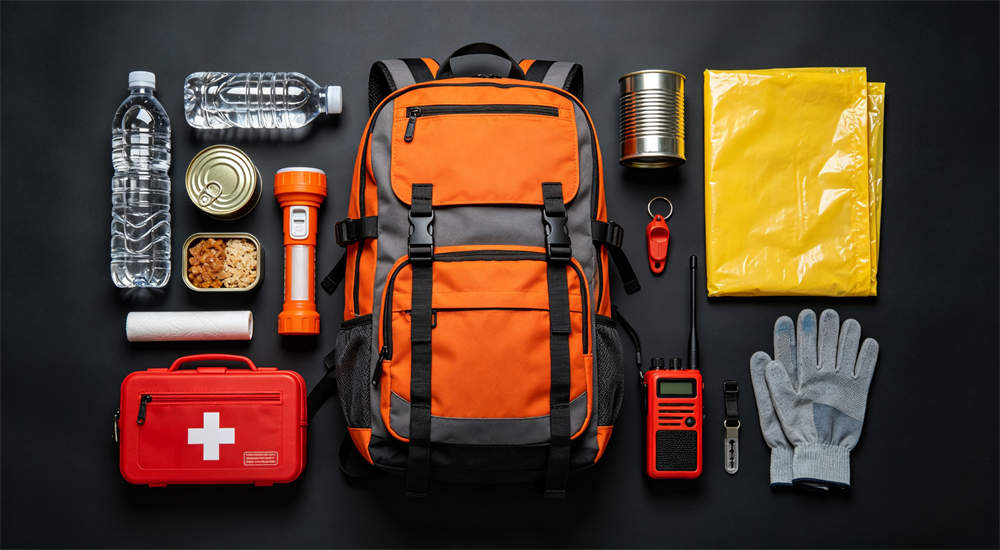
A hurricane preparedness kit covers multiple scenarios: wind damage, flooding, power outages, and displacement. Below is the complete checklist of relief supplies your organization needs—broken down by category, with procurement guidance and bulk order recommendations.

Use this section as your bulk sourcing checklist for ngo emergency supplies and wholesale disaster relief procurement. Each category below includes what to buy, why you need it, how many to order, and what to look for when comparing relief supplies supplier options.
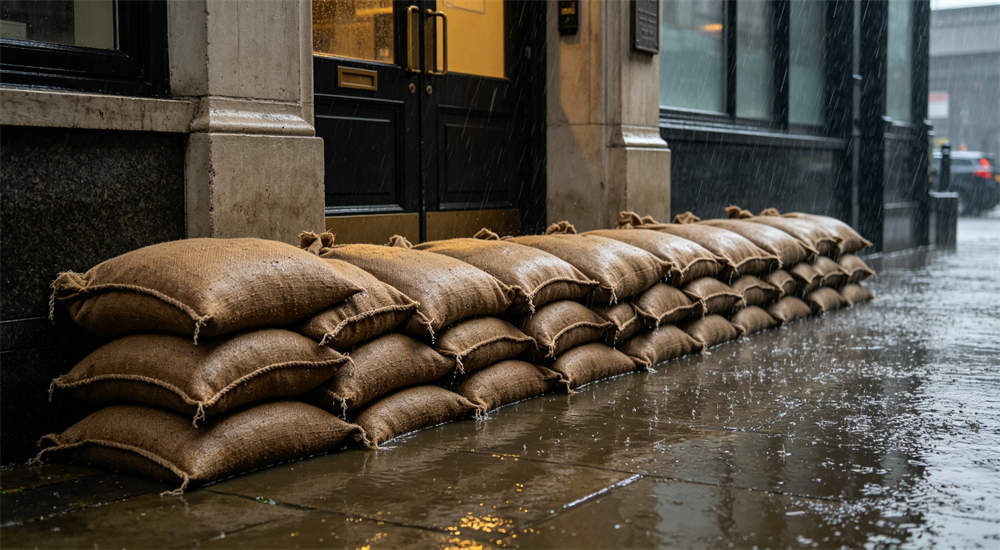
Hurricanes bring massive amounts of water—storm surge on the coast, inland flooding hundreds of miles away. You need supplies for both flood rescue and clean drinking water. This is the category that saves lives, so don't cut corners here.
A "life jacket" at the dive shop and a "flood rescue PFD" are completely different things. For hurricane response, you need USCG-approved Type II PFDs—these are designed for sudden falls into water, which is exactly what happens during flood rescue operations.
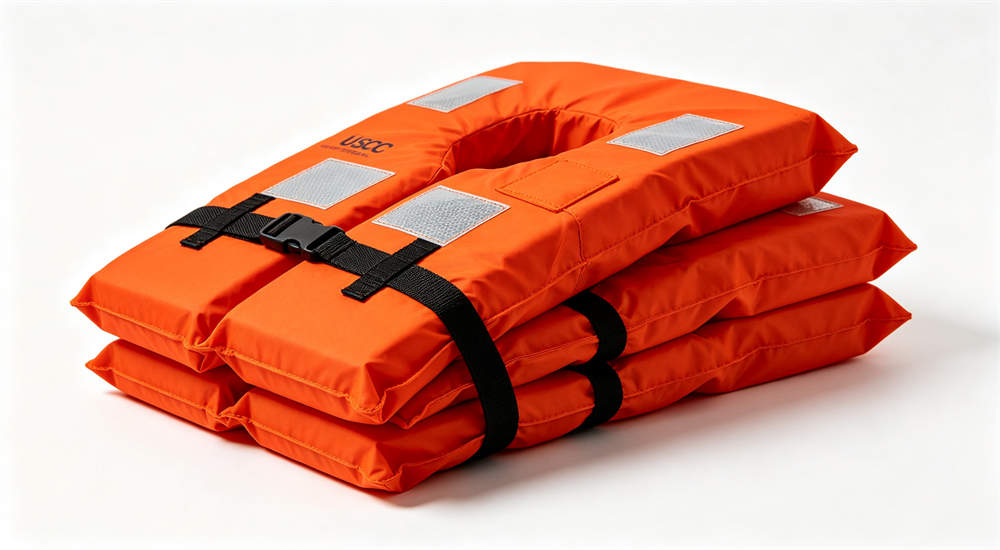
The table below compares all 4 PFD types by buoyancy, best use case, and why they matter for hurricane response. If you're sourcing bulk PFDs for your relief organization, this is the reference you need.
PFD Type
Buoyancy
Best For
Why It Matters for Hurricanes
Type I (Offshore)
22 lbs (adult)
Open ocean, long rescue
Too bulky for flood rescue—people can't move fast in debris-filled water
Type II (Near-Shore)
15.5 lbs (adult)
Flood rescue, calm inland water
THE STANDARD for hurricane response. Comfortable, bright, turns unconscious people face-up
Type III (Flotation Aid)
15.5 lbs (adult)
Swimming, kayaking
Not recommended for rescue—doesn't turn unconscious wearers face-up
Inflatable PFD
33 lbs (when inflated)
Experienced boaters
NOT recommended for relief—you need it to work instantly, no pulling cords underwater
What to look for: Choose USCG-approved Type II PFDs designed specifically for flood response. Look for bright orange or yellow for visibility in muddy water. Must have a whistle and reflective strips. Get a mix of sizes—adult, youth, and child. A good rule of thumb: 60% adult, 25% youth, 15% child.
Bulk order rule of thumb: Order one PFD per person you're serving, plus 20% extra for your response team. If you're expecting 200 displaced people, order 240 PFDs total.
Common mistake: Ordering only adult sizes. We've seen it a hundred times—agencies show up to a shelter with 100 adult PFDs, then realize half the people are kids and teens. Don't make that mistake.
YRF Products: We manufacture flood rescue PFDs in all sizes, all USCG approved. Bulk pricing for relief organizations, with full certification documentation for procurement files.
What does this mean for you? If your organization serves coastal areas or flood zones, PFDs aren't just a "nice to have"—they're a life-saving essential. Ordering in bulk from a supplier that specializes in disaster relief means you get the right sizes, at the right price, delivered on time when the storm hits. Cheaper PFDs might save you a few dollars each, but if they're not USCG approved, they're worthless—and potentially dangerous.
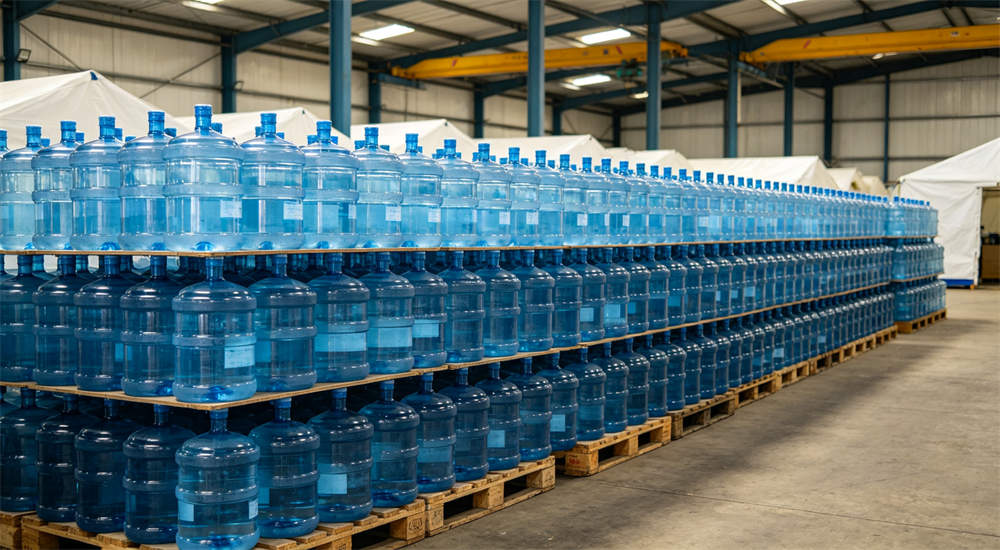
After a hurricane, tap water is almost always unsafe. Floodwater gets into the water system, pipes break, and treatment plants go offline. You need two types of water supplies: bottled water for immediate use, and purification systems for long-term shelter operations.
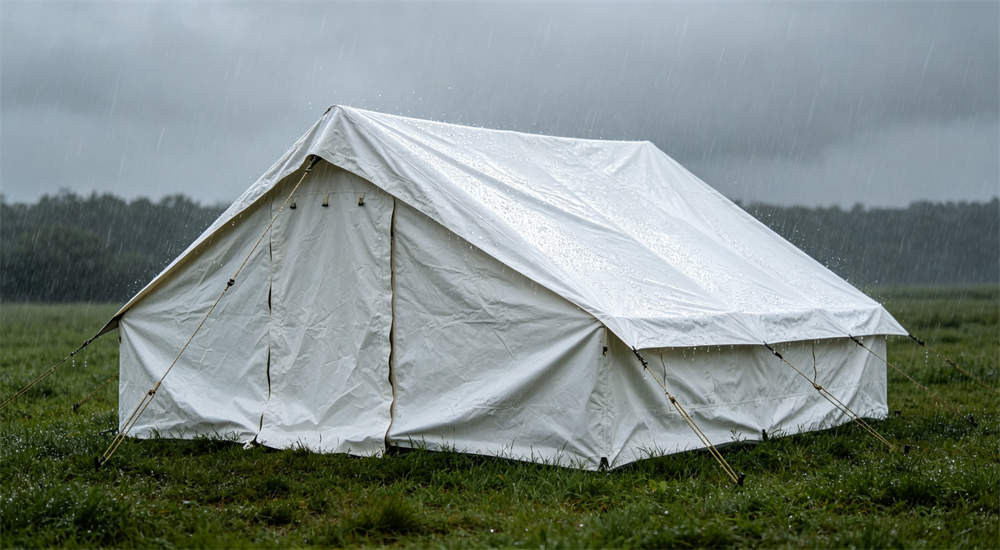
After a hurricane, thousands of people are displaced overnight. You need temporary shelter solutions that go up fast, keep people dry, and last for weeks—or months—depending on recovery timeline. The table below compares the 3 main relief shelter types by size, deployment time, durability, and best use case.
|
Type |
Size (sq ft) |
Deployment Time |
Capacity (People) |
Best For |
|
Inflatable Relief Tent |
192-430 sq ft |
5-15 minutes |
10-30 people |
Immediate response (first 72 hours) |
|
Frame Relief Tent |
320-1000 sq ft |
30-60 minutes |
20-100 people |
Long-term camps (weeks to months) |
|
Emergency Evacuation Tent |
100-200 sq ft |
2-5 minutes |
5-15 people |
Small emergency shelters, churches, schools |
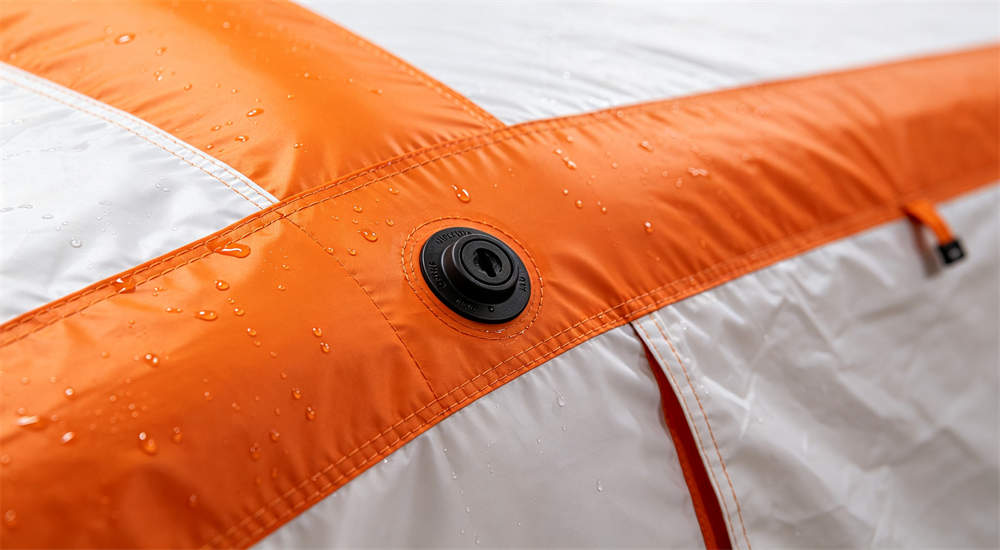
What to look for: Look for heavy-duty PVC material (at least 500D) with sealed seams. For inflatable tents, check if they come with a built-in pump. Frame tents should have aluminum poles (not steel—they're lighter and rust-resistant). All relief tents should be water-resistant, not just water-repellent.
Bulk order rule of thumb: Order enough tents to shelter 30-40% of the displaced population at any given time. People rotate in and out, so you don't need a bed for everyone at once.
YRF Products: We manufacture both inflatable and frame tents for disaster relief. All models are designed for rapid deployment and harsh weather conditions. Bulk pricing for relief organizations.
What does this mean for you?
After a hurricane, shelter is the #1 immediate need. Having tents that go up in 10 minutes—not 2 hours—means you can start serving displaced families faster. Bulk ordering from a dedicated relief supplier ensures you get weather-resistant tents that actually hold up in hurricane conditions, not the flimsy backyard camping tents sold on Amazon that leak on the first rainy day.
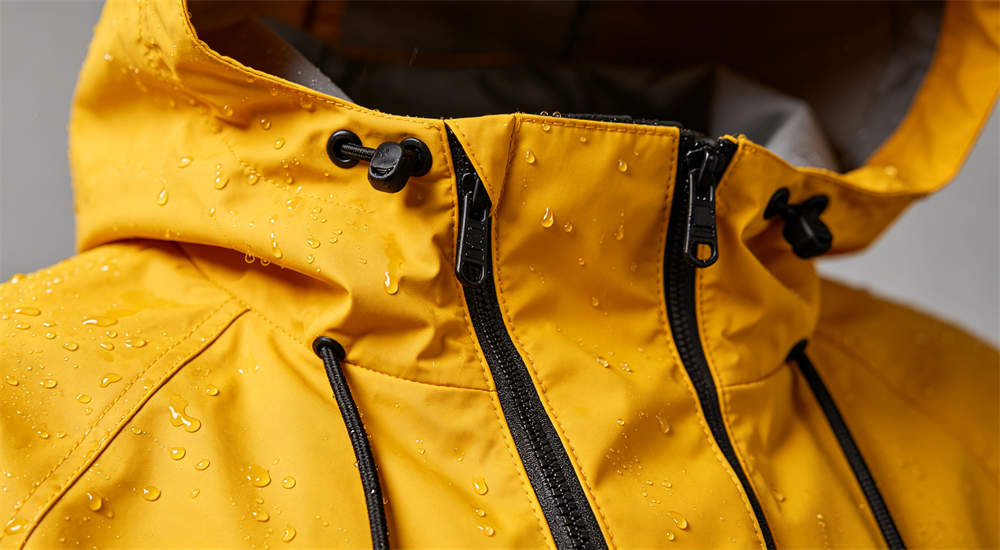
Hurricane response means working in wet, muddy, debris-filled conditions for hours on end. Your team needs proper gear—not just "something waterproof." Cheap rain gear leaks after an hour, and then your team is cold, wet, and miserable. That leads to mistakes, injuries, and people quitting mid-response.
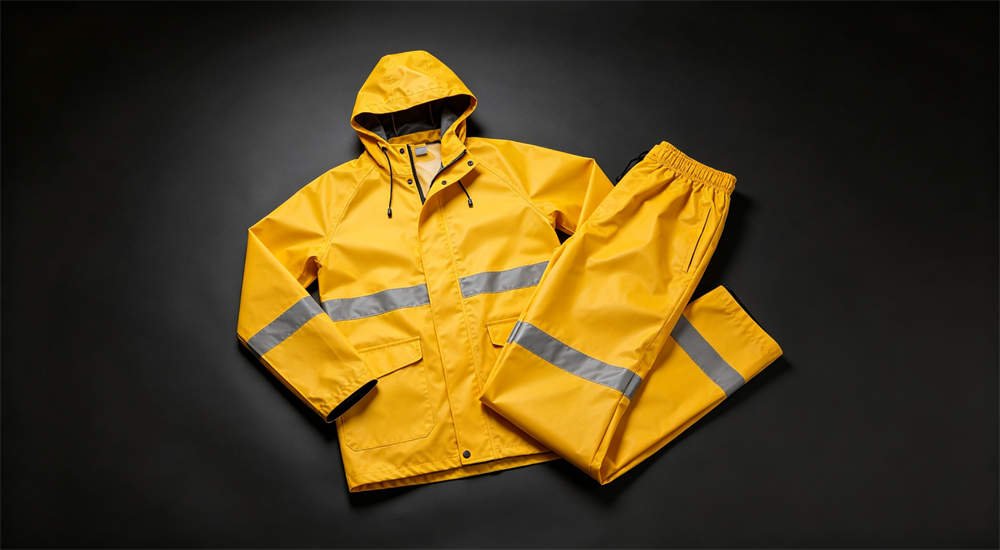
Not all "rain gear" is the same. For hurricane response, you need gear that can handle 12+ hours of steady rain, mud, and crawling through debris. The comparison table below breaks down the 3 main rain gear types by waterproof rating, durability, and cost—so you know exactly what to order for your team.
Type
Waterproof Rating
Durability
Best For
Cost per Unit
Disposable Rain Poncho
Basic (1-2 hours)
Low (single use)
Shelter residents, one-time use
$2-5
PVC Rain Suit (Jacket + Pants)
Medium (4-6 hours steady rain)
Medium (1-2 seasons)
Your response team
$15-30
Heavy-Duty PVC Rain Suit
High (12+ hours steady rain)
High (3-5 seasons)
Search and rescue teams, long shifts
$35-60
What to look for: Look for heavy-duty PVC (not thin vinyl). Sealed seams—this is the #1 place cheap rain gear fails. A hood that actually stays on when the wind blows. Pockets that zip shut (mud and debris get into open pockets fast).
Bulk order rule of thumb: 1 heavy-duty rain suit per team member. Order an extra 20% in adult sizes for volunteers who show up on day 2. For shelter residents, order disposable ponchos—cheap, lightweight, enough for 1-2 days.
Common mistake: Buying thin, cheap "emergency" rain suits for your team. They look the same as the heavy-duty ones in the photo, but they tear after one hour of crawling through debris. Your team deserves gear that works.
YRF Products: We supply bulk PVC rain suits in both standard and heavy-duty grades, in sizes S through 4XL. All models have sealed seams and attached hoods. Mix and match per your team size.
What does this mean for you? Your team is going to be outside in the rain for 12+ hours a day. If their rain gear leaks, they get hypothermic, tired, and make mistakes. Spending $30 instead of $15 per suit means they stay dry and effective all day. That's not a luxury—it's a safety requirement.
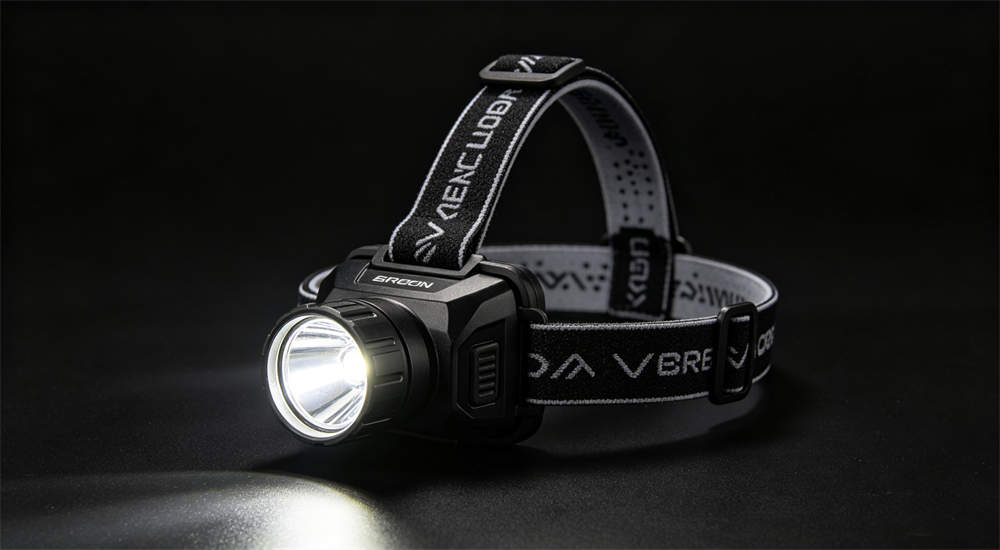
Hurricanes knock out power for days or weeks. Your team needs to stay connected, and the people you're serving need light. This is one of the most overlooked categories—many organizations only order a few flashlights, then realize they need hundreds when the shelter doors open.
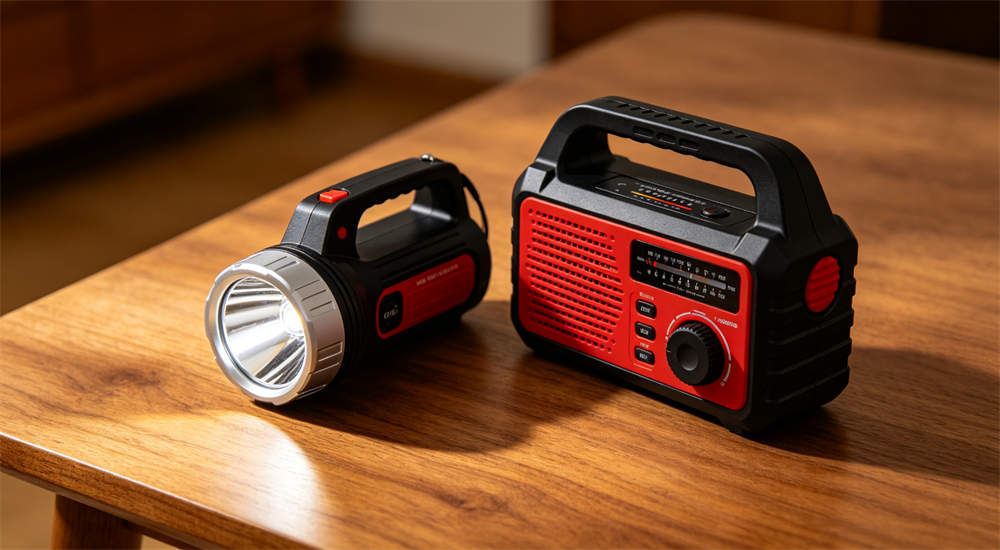
Not all flashlights are the same. For hurricane response, you need flashlights that work when batteries run out, that are bright enough to search through debris, and that can survive being dropped in water. The comparison table below breaks down 4 flashlight types by brightness, battery life, and best use case.
|
PFD Type |
Buoyancy |
Best For |
Why It Matters for Hurricanes |
|
Type I (Offshore) |
22 lbs (adult) |
Open ocean, long rescue |
Too bulky for flood rescue—people can't move fast in debris-filled water |
|
Type II (Near-Shore) |
15.5 lbs (adult) |
Flood rescue, calm inland water |
THE STANDARD for hurricane response. Comfortable, bright, turns unconscious people face-up |
|
Type III (Flotation Aid) |
15.5 lbs (adult) |
Swimming, kayaking |
Not recommended for rescue—doesn't turn unconscious wearers face-up |
|
Inflatable PFD |
33 lbs (when inflated) |
Experienced boaters |
NOT recommended for relief—you need it to work instantly, no pulling cords underwater |
What to look for: Look for IPX4 water resistance or higher—hurricanes mean wet conditions. Get a mix: 50% standard LED flashlights for shelter residents, 30% headlamps for your team, 20% hand-crank models for emergency kits. Don't buy cheap dollar-store flashlights—they break after one drop, and you'll be replacing them during the storm.
Bulk order rule of thumb: Order one flashlight per 2 people you're serving, plus 20% extra for your team. If you're running a shelter for 100 people, order 70 flashlights total.
YRF Products: We supply bulk LED flashlights, headlamps, and hand-crank radios to relief organizations. All models are water-resistant, drop-tested, and come with a 1-year warranty. We can mix and match quantities per your needs.
What does this mean for you? People in shelters don't just need "a little light." They need to see their kids, find their belongings, and use the bathroom at night. Cheap flashlights die after 2 hours, and then you have 50 people bumping around in the dark. Ordering quality flashlights in bulk means you spend 20% more upfront, but you don't have to replace them every storm.
When power goes out and cell towers go down, the only way to get official updates is NOAA weather radio. Regular radios don't work—you need ones that receive the specific NOAA broadcast band. And since you can't plug them in, hand-crank or solar models are the only option.
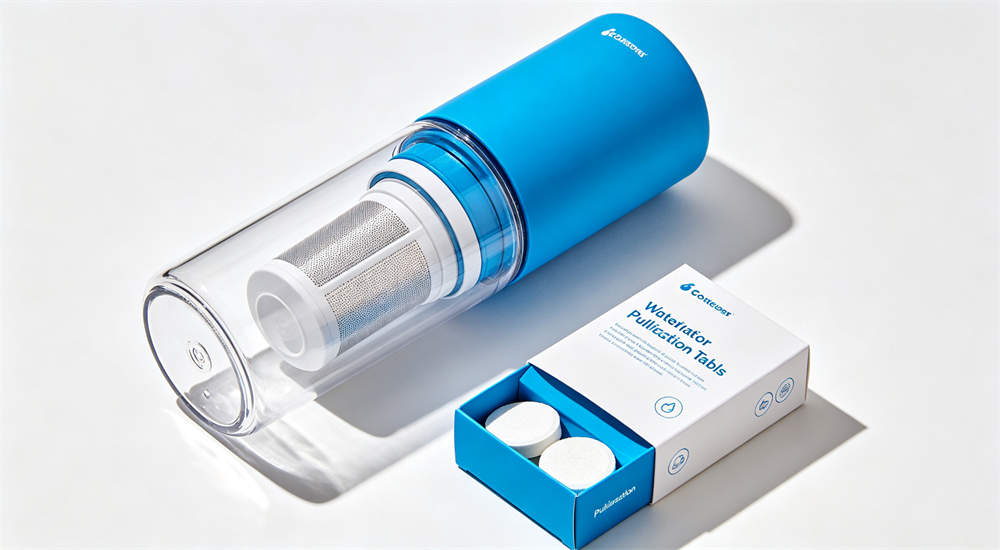
After a hurricane, tap water is almost always unsafe to drink. Water mains break, sewage systems overflow, and floodwater contaminates everything. You need reliable water purification solutions. The table below compares the 3 main methods by effectiveness, cost, and best use case.01-0.03 Emergency backup, individual kits Portable Water Filter (0.1 micron) Bacteria, protozoa, sediment $0.001-0.005 Shelter-level purification, long-term use Bulk Water Storage (5L pouches) N/A (pre-packaged) $0.10-0.20 Immediate distribution, first 72 hours
Pro Tip: Use all three together. Start with bulk water pouches for immediate distribution (first 72 hours), then switch to portable filters for ongoing shelter use, and keep purification tablets as backup. This combination covers every scenario.
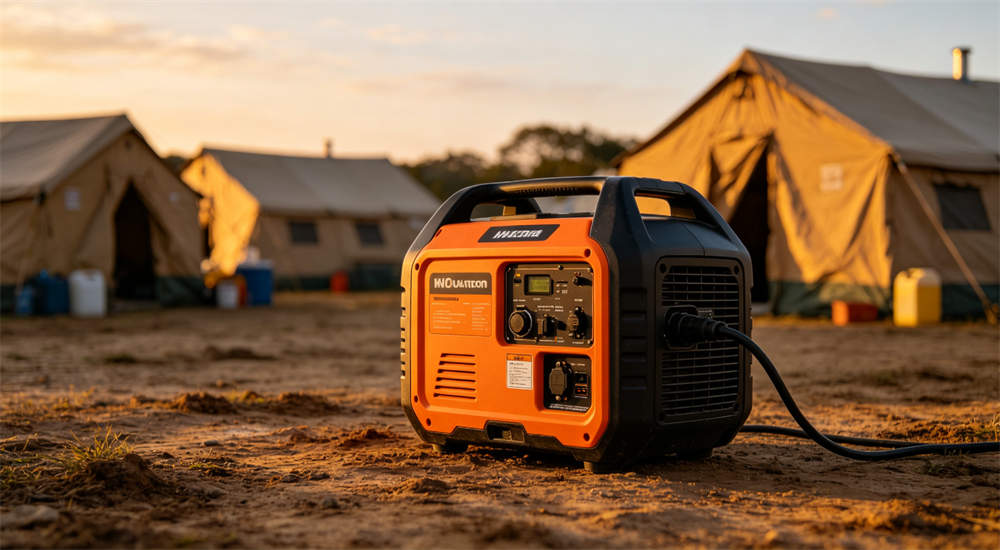
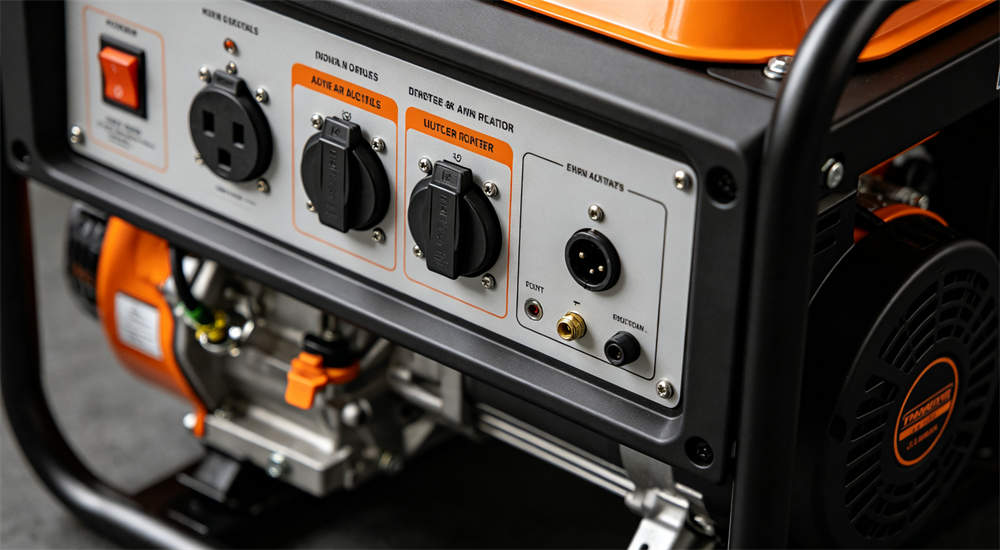
Generators are the most expensive item in this category—and the most dangerous if you buy the wrong size or use them wrong. Here's how to calculate what you need:
|
Shelter Size |
People |
Generator Size |
What It Powers |
|
Small Shelter |
20-50 people |
2,000-3,000W |
LED lights, phone charging, small medical fridge |
|
Medium Shelter |
100-300 people |
5,000-7,000W |
LED lights, multiple charging stations, water pump |
|
Large Camp |
500+ people |
10,000W+ |
Everything above plus kitchen equipment, HVAC |
Safety Warning: NEVER run a generator indoors, even in a garage with the door open. Carbon monoxide kills. Always run them at least 20 feet from any building, with the exhaust pointing away from people. We've heard too many stories about relief workers getting sick because they cut corners on generator safety.
When ordering bulk generators for hurricane response, you need to know more than just wattage. Fuel consumption and noise levels determine how practical a generator is in a real relief camp. The table below breaks down the key specs you should compare.
|
Generator Size |
Fuel Tank |
Run Time (Half Load) |
Fuel Consumption (Per Hour) |
Noise Level |
|
2,000W Inverter |
1-2 gallons |
8-12 hours |
0.1-0.2 gallons |
52-58 dB (quiet) |
|
5,000W Conventional |
4-6 gallons |
10-14 hours |
0.4-0.6 gallons |
68-75 dB (loud) |
|
7,000W Conventional |
6-8 gallons |
10-12 hours |
0.6-0.8 gallons |
70-78 dB (very loud) |
|
10,000W+ Commercial |
8-12 gallons |
8-10 hours |
0.8-1.2 gallons |
75-85 dB (extremely loud) |
After a hurricane, people need food and medical care fast. But it's not just about canned beans and bandages—there are small, cheap items that make a huge difference in comfort and survival. These are the items people forget until they need them.
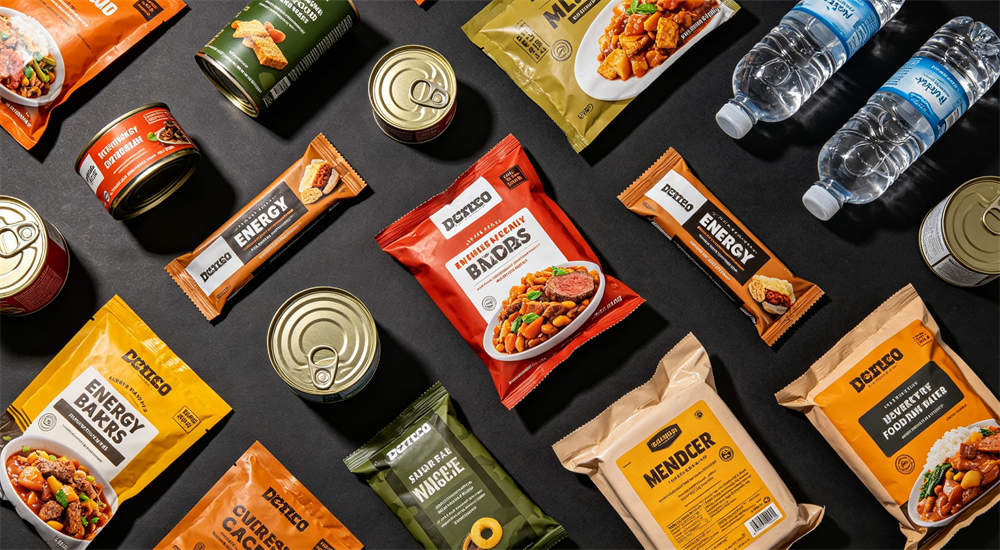
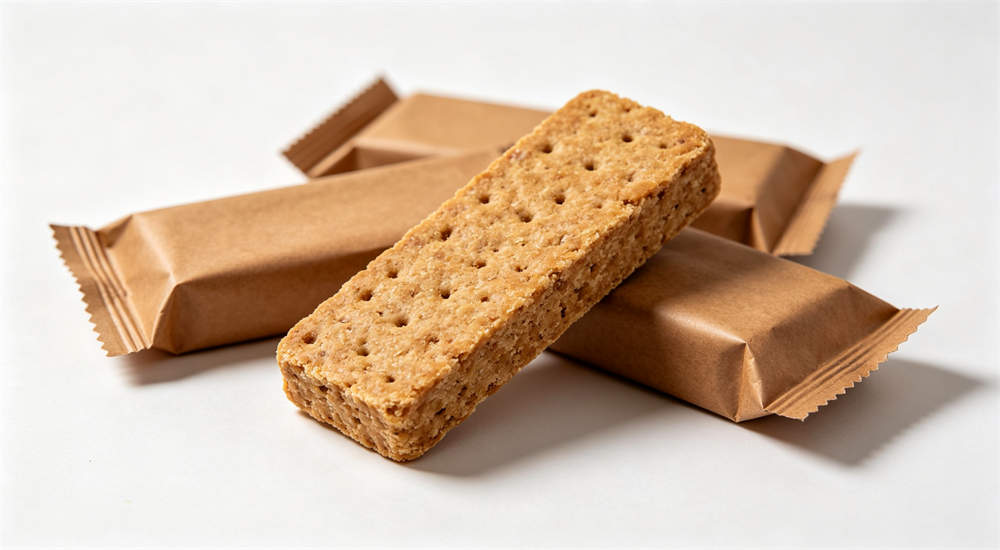
Not all "emergency food" is the same. For hurricane response, you need food that doesn't need cooking, that's high-calorie, and that doesn't need refrigeration. Here's what we recommend:
|
Type |
Shelf Life |
Calories per Serving |
Best For |
|
Compressed Biscuits (Ship Biscuits) |
5 years |
400-500 kcal |
Emergency kits, shelter distribution |
|
Canned Goods (Beans, Tuna, Soup) |
2-3 years |
200-300 kcal |
Medium-term shelter meals |
|
Energy Bars |
1-2 years |
200-300 kcal |
Response team pockets, quick energy |
|
Emergency Drinking Water (500ml pouches) |
5 years |
N/A |
Individual portions, easy distribution |
What to look for: Look for 5-year shelf life (not the 6-month stuff from the grocery store). Compressed biscuits are the best value—high calorie, light weight, no cooking needed. Individual 500ml water pouches are better than big jugs for distribution—you hand one to each person, no measuring needed.
Bulk order rule of thumb: 2,000 calories per person per day, minimum 3 days. For a 100-person shelter, that's 600,000 calories total. Compressed biscuits are the most cost-effective way to hit that number.
YRF Products: We supply bulk compressed biscuits, emergency water pouches, and complete food kits for relief organizations. All products have 5+ year shelf life and are ready for immediate distribution.
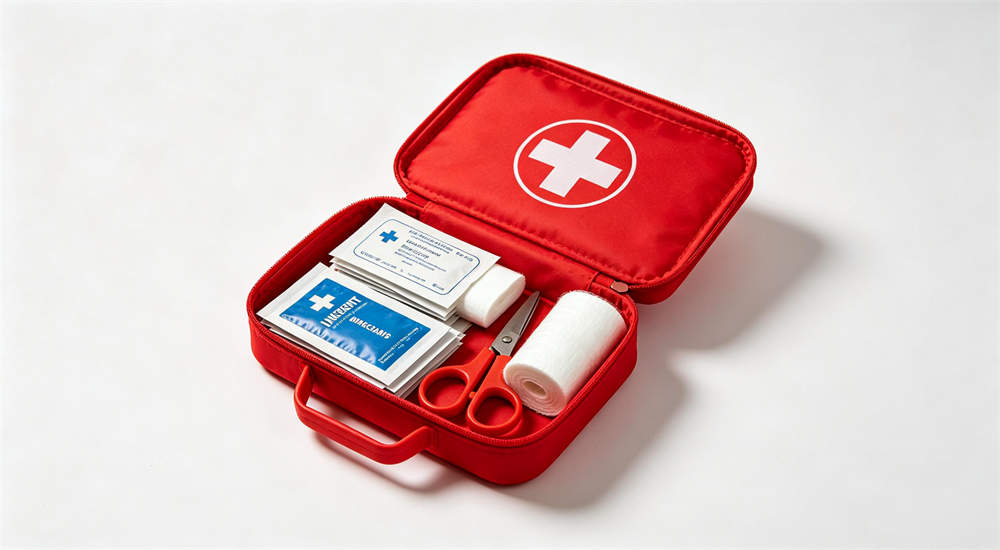
Not all first aid kits are the same. A home first aid kit with a few band-aids isn't enough for hurricane response—you'll be dealing with cuts from debris, sprains, dehydration, and more. Here's what should be in a relief-grade first aid kit:
Industry Insider: Most agencies forget about hygiene kits. After a hurricane, people are living in shelters with no running water. Basic hygiene supplies—toothbrushes, soap, toilet paper, feminine products—are some of the most requested items. Order at least one hygiene kit per person you're serving.
These are cheap, small, and make a huge difference. We've seen relief teams show up with thousands of dollars of gear, then realize they forgot the small stuff that people actually need day-to-day:
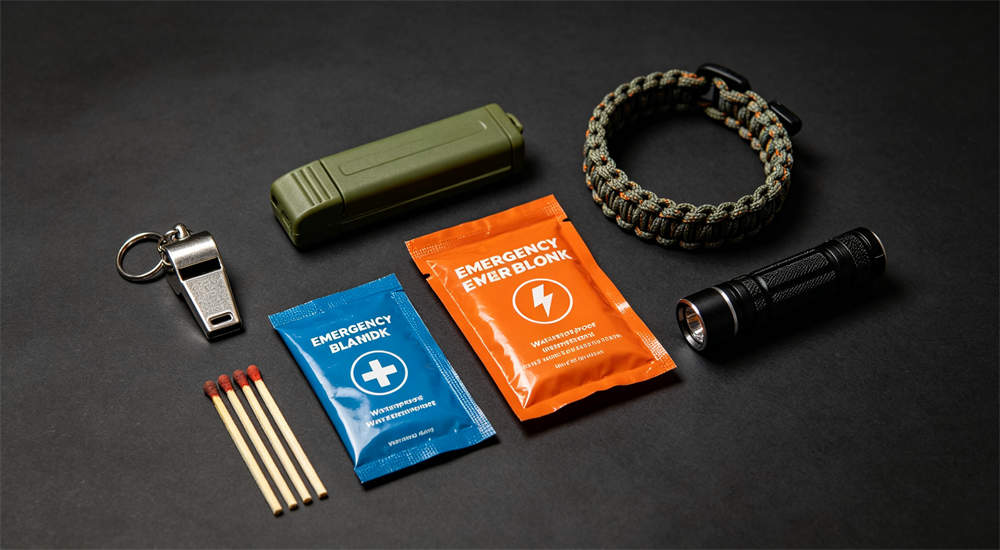
|
Item |
Why You Need It |
Cost per Unit |
How Many to Order |
|
Waterproof Matches |
Start a fire for warmth, cooking, or signaling. Wet matches are useless. |
$0.50-1.00 |
2 per emergency kit |
|
Multi-Function Paracord Bracelet |
Has compass, knife, fire starter, whistle, and 10+ feet of paracord. Wears on your wrist, always there when you need it. |
$2-5 |
1 per team member |
|
Phone Waterproof Pouch |
Keep your phone dry and working. Phones are how people call for help, check news, and contact family. |
$1-3 |
1 per team member + spare stock |
|
Emergency Space Blanket |
Reflects body heat, keeps people warm in wet conditions. Also works as a ground cover or sun shade. |
$0.30-0.80 |
2 per person you're serving |
|
Safety Whistle |
Can be heard much farther than yelling. Essential for search and rescue operations. |
$0.50-1.50 |
1 per response team member |
|
Disposable Rain Poncho |
Cheap, lightweight, enough for 1-2 days of rain. Perfect for shelter residents. |
$0.50-2.00 |
1 per person you're serving |
Pro Tip: These small items cost pennies each, but they're the difference between a "barely adequate" response and a "we're actually prepared" response. Order them in bulk from the same supplier as your big gear—it's cheaper and easier than sourcing them separately.
Hurricanes give you warning time. The key is knowing what to do at each stage—including when to order supplies, when to pre-position, and when to deploy. Below is the standard response timeline used by FEMA and the American Red Cross, adapted for relief organization procurement planning.
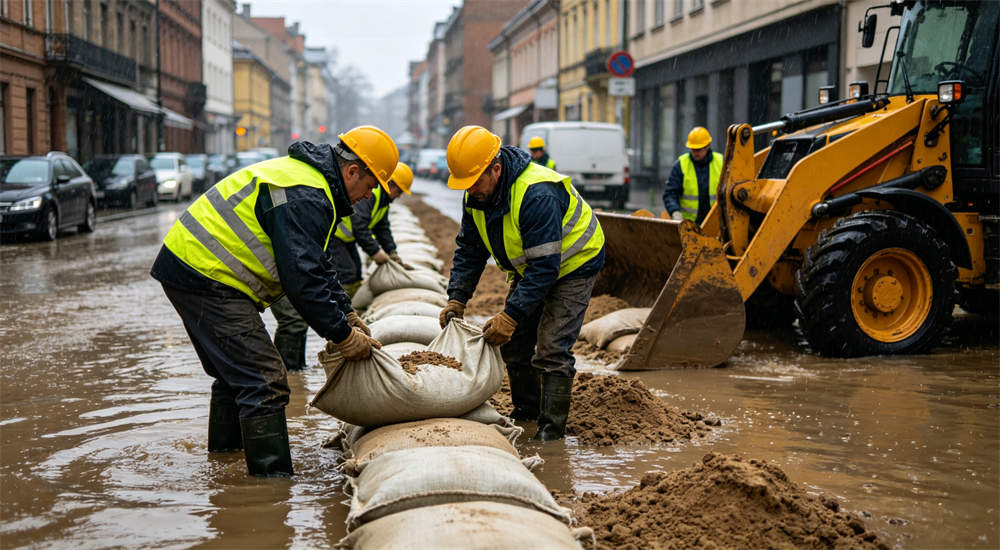
|
Phase |
Timeline |
Key Actions |
|
Pre-Season |
May-July |
Stock kits, pre-position supplies, train team |
|
Tropical Watch |
48 hours before |
Activate response plan, notify team, check supplies |
|
Hurricane Warning |
36 hours before |
Pre-stage supplies near impact zone, prepare evacuation routes |
|
Landfall |
Day 0 |
Shelter in place, wait for all-clear |
|
Immediate Response |
Day 1-3 |
Search and rescue, distribute water and food, set up shelters |
|
Recovery Phase |
Week 2-8 |
Debris removal support, temporary housing, health services |
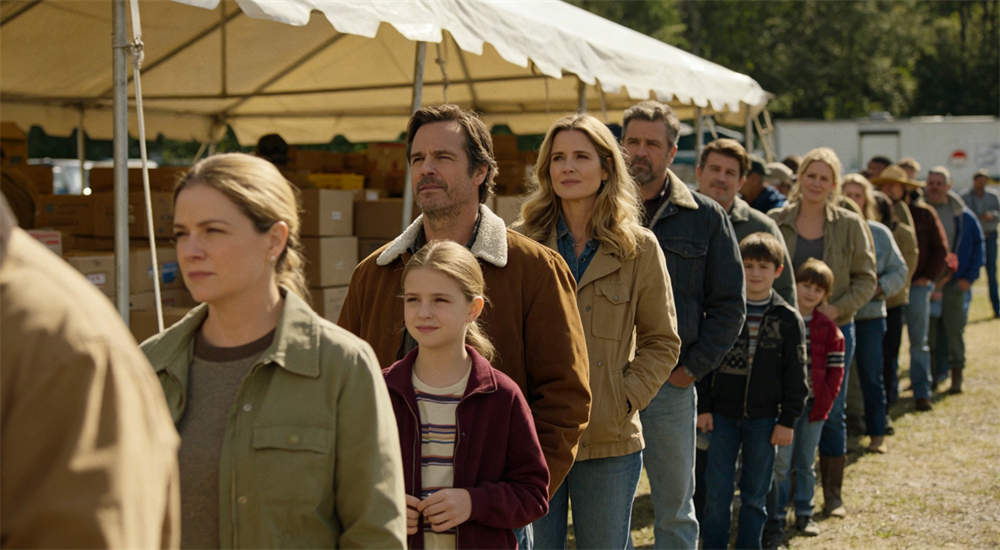
Based on decades of hurricane response data and relief organization feedback, the same mistakes repeat over and over—both in the field and in the procurement office. Here are the 10 most common—and how to avoid them:
Pro Tip: Do a hurricane drill in May, before the season starts. Have your team practice deploying tents, setting up water purification systems, and distributing supplies. This way, you'll discover problems before the storm actually hits.
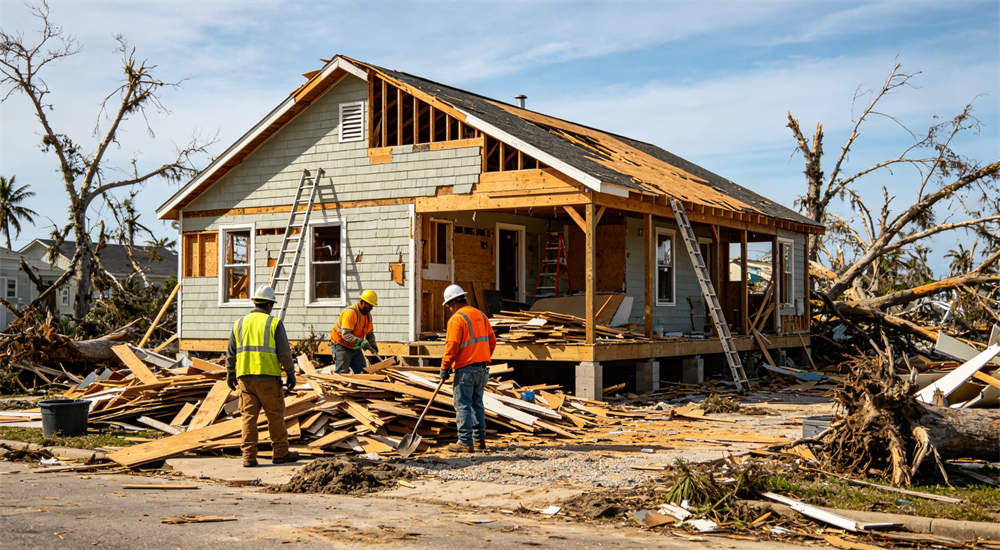
Based on industry data and relief organization feedback, the same procurement mistakes appear year after year. Here are the biggest ones—and how to avoid them:
Procurement Timeline: The best time to order hurricane supplies is March-May, before the season starts. You get the best pricing, you have time to inspect quality, and you avoid the rush. If you're ordering in July or later, you're already late.
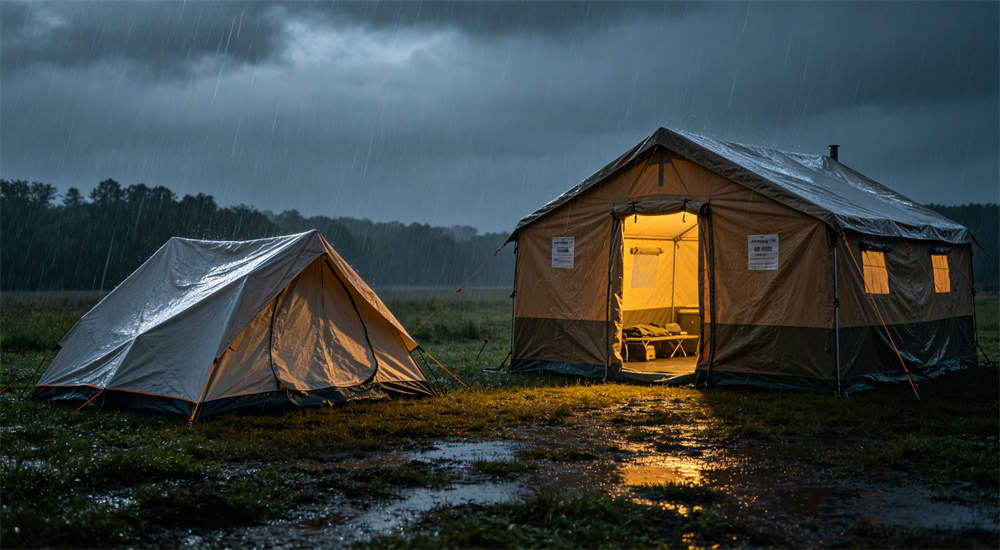
Hurricane preparedness requires a significant investment, but it's worth it. Below is a rough budget guide for bulk hurricane relief supplies orders, broken down by organization size. Use this as a starting point for your annual disaster relief kits wholesale procurement planning.
Organization Size
Team Members
Estimated Budget
What's Included
Small Local NGO
5-15
$5,000 - $15,000
Standard hurricane kit + basic PPE
Mid-Size Regional NGO
20-50
$20,000 - $60,000
Full hurricane kit + shelter systems
Large International NGO
100+
$100,000 - $300,000+
Multi-site pre-positioning + full relief deployment
Government Agency
Varies
$500,000+
Community-wide hurricane preparedness plan
These are rough estimates. Actual costs depend on the number of people you're serving, your service area, and the specific equipment you need. Ordering factory-direct always saves money compared to buying through distributors.
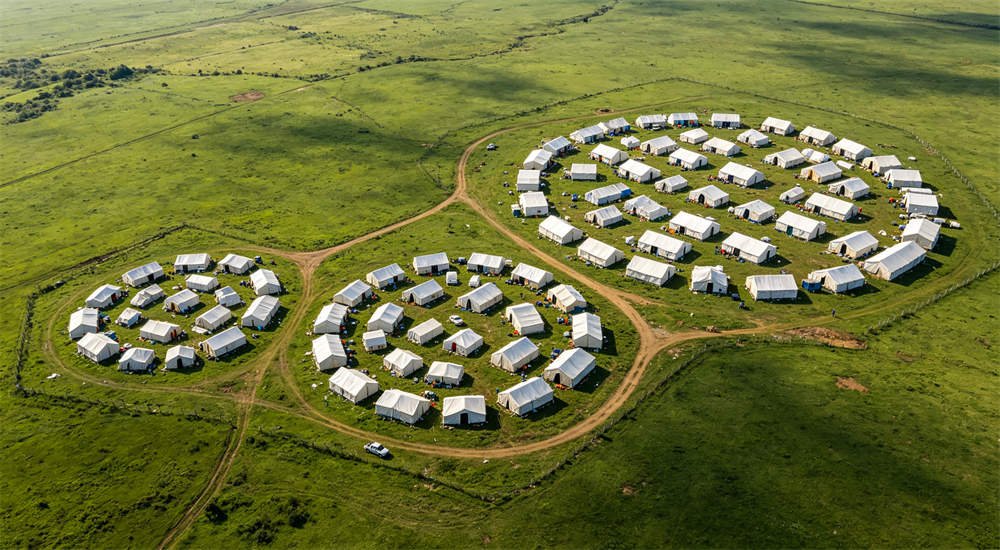
Not sure where to start? Here are 3 pre-configured hurricane supply packages, with what's included in each and the price range. Pick the one that matches your organization's size and service area.
|
Package |
Best For |
What's Included |
Estimated Cost |
|
Basic Package |
Small local NGO (5-15 people) |
PFDs (20 pcs), rain suits (15 sets), flashlights (30 pcs), first aid kits (10 pcs), emergency food kits (20 kits) |
$5,000 - $8,000 |
|
Standard Package |
Mid-size regional NGO (20-50 people) |
Everything in Basic + inflatable tents (5 units), hand-crank radios (20 pcs), hygiene kits (100 pcs), water purification systems (5 units) |
$25,000 - $40,000 |
|
Premium Package |
Large international NGO (100+ people) |
Everything in Standard + frame tents (5 units), portable generators (3 units), full PPE kits (50 sets), multi-site pre-positioning |
$80,000 - $150,000+ |
Customization: These are starting points. We can customize any package to match your specific needs. Tell us your service area, the number of people you serve, and your budget, and we'll build a custom configuration for you.
Industry Insider: Buy hurricane gear in the off-season (January through May). Prices spike as hurricane season approaches. Order in the spring, and you'll save 20-30% compared to ordering in August.
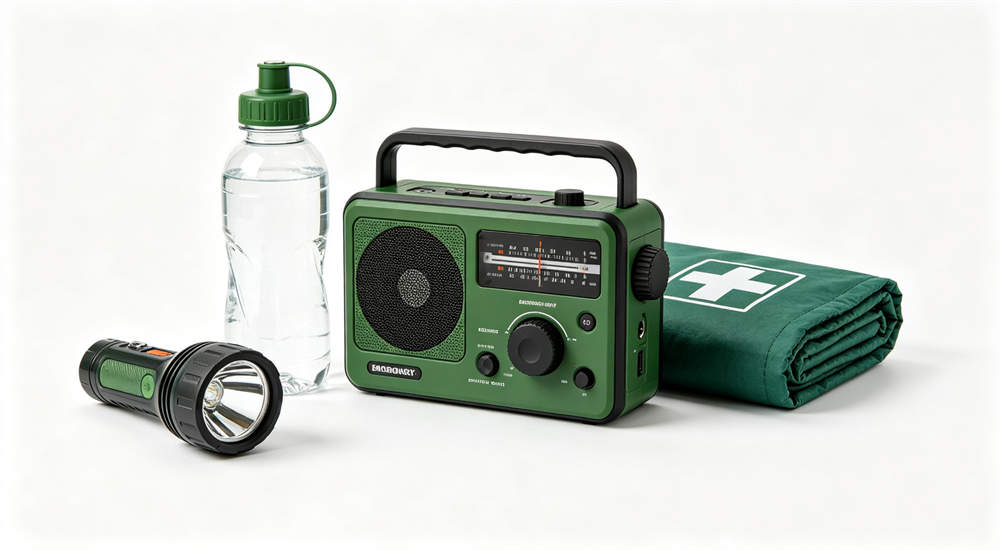
Whether you're a small local group responding to neighborhood flooding or a large international NGO deploying to a major hurricane, we have the bulk supply configuration that fits your needs. Below is how our hurricane supply packages scale with organization size.
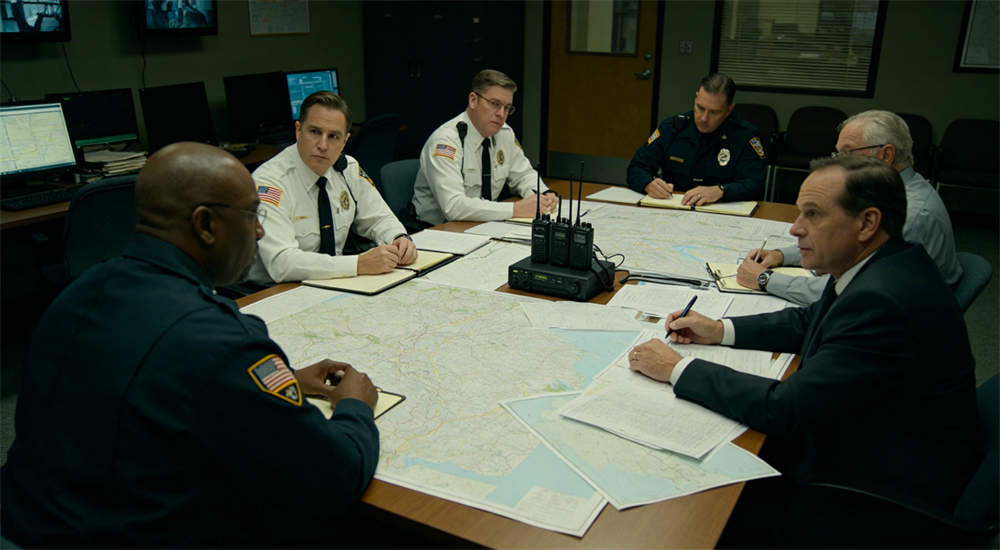
We supply hurricane response equipment to government agencies across the U.S. Gulf Coast, Atlantic Coast, and Caribbean. All our products meet government procurement standards and come with full documentation for public tenders.
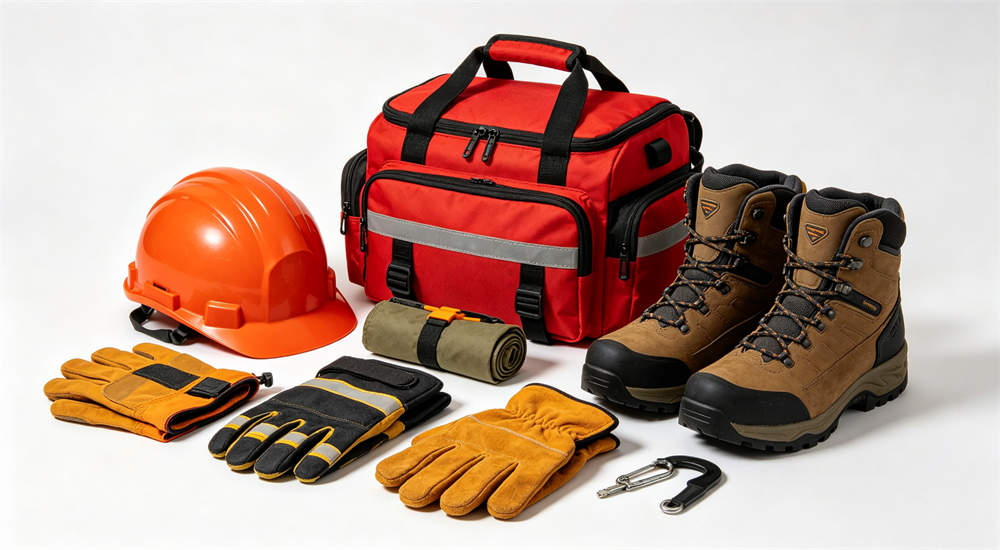
We understand that hurricane response requires gear that can withstand extreme conditions. Our shelters, PFDs, and PPE have been field-tested in the Caribbean, Southeast Asia, and the Pacific.
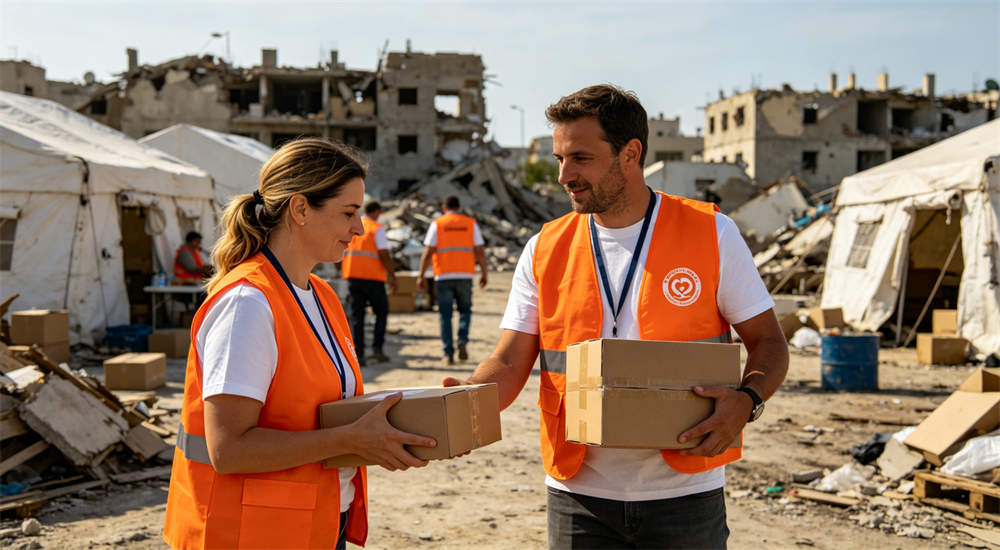
Our factory-direct pricing makes it easy for distributors to stock hurricane season inventory. We offer OEM services, custom branding, and flexible MOQs. MOQs start at 50 units.
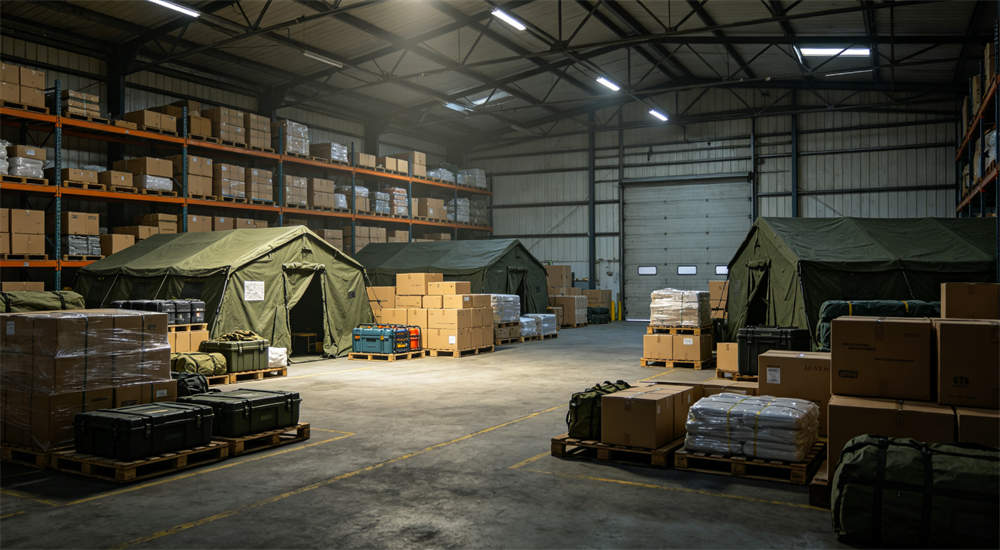
Below is a quick reference table for the most popular hurricane relief supplies, with MOQ, production lead time, and bulk price range. Use this for quick budgeting and procurement planning. Final pricing depends on order quantity, customization, and shipping terms.
|
Product Category |
MOQ |
Lead Time |
Bulk Price Range (per unit) |
|
Type II PFDs |
50 pcs |
20-30 days |
$8-15 |
|
PVC Rain Suits |
100 sets |
25-35 days |
$15-40 |
|
Inflatable Relief Tents |
10 units |
30-45 days |
$300-800 |
|
Frame Relief Tents |
5 units |
35-50 days |
$500-1500 |
|
LED Flashlights |
100 pcs |
15-25 days |
$3-8 |
|
Hand-Crank Radios |
50 pcs |
20-30 days |
$10-20 |
|
Emergency Food Kits (5-person) |
20 kits |
20-30 days |
$40-80 |
|
First Aid Kits (Trauma) |
50 kits |
15-25 days |
$15-35 |
|
Hygiene Kits |
100 kits |
10-20 days |
$5-10 |
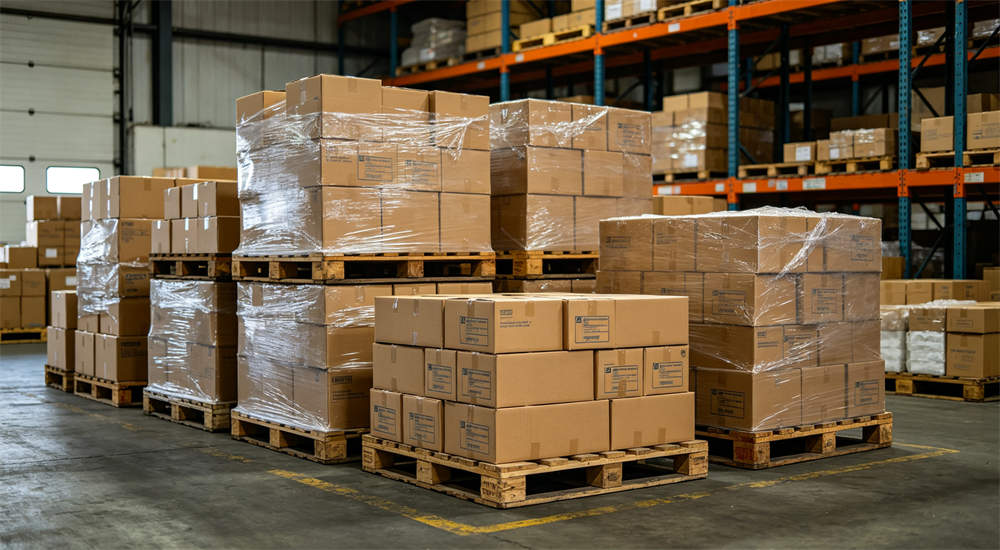
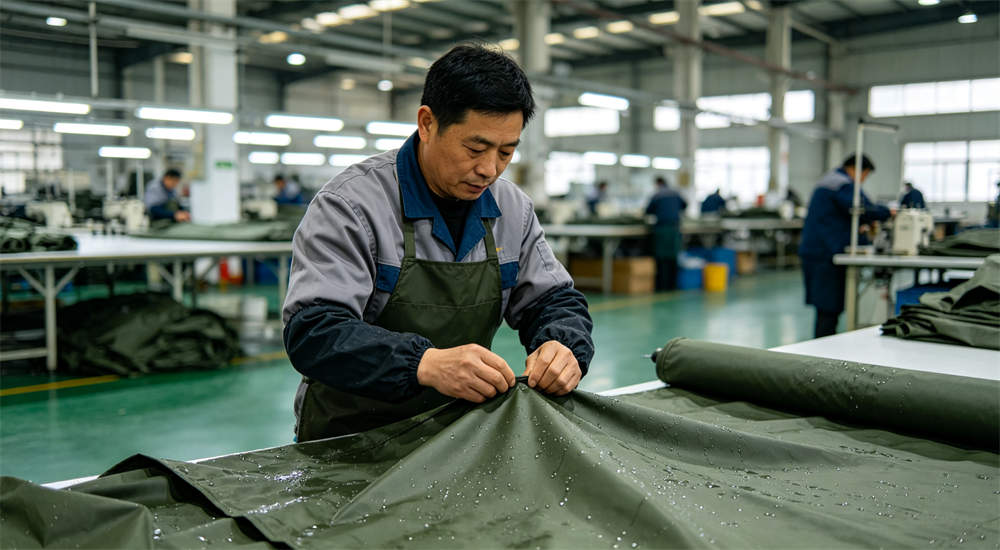
Our hurricane response product line includes:
All our products are field-tested in real disaster conditions. We have supplied 50+ relief organizations across 4 continents with reliable, durable hurricane relief gear and emergency supplies bulk pricing. Whether you need an emergency kit for nonprofits or a disaster preparedness kit bulk order, we can scale to your needs.
Q: When should we start preparing for hurricane season?
A: The best time to prepare is in January or February, before the season starts on June 1. Ordering early gives you time to test equipment, train your team, and take advantage of off-season pricing. Waiting until the storm is named is too late.
Q: What's the difference between a hurricane watch and a hurricane warning?
A: A hurricane watch means hurricane conditions are possible in your area within 48 hours. A hurricane warning means hurricane conditions are expected within 36 hours. When a watch is issued, activate your response plan. When a warning is issued, pre-position supplies near the impact zone.
Q: How many PFDs should we order for hurricane response?
A: A good rule of thumb is one PFD per person you're serving, plus 20% extra for your team. If you're expecting to serve 500 displaced people, order 600 PFDs total—400 adult, 150 youth, 50 child sizes.
Q: What's the biggest hurricane response mistake relief teams make?
A: Underestimating flooding. People focus on wind damage and forget that most hurricane deaths come from storm surge and inland flooding. Always prepare for water rescue, not just wind cleanup.
Q: How long does hurricane recovery take?
A: Immediate response (search and rescue, emergency supplies) takes days. The full recovery phase—debris removal, temporary housing, infrastructure repair—can take weeks or months. Plan for long-term deployment, not just a 72-hour operation.
Q: What kind of tents work best for hurricane relief?
A: For immediate response (first 72 hours), inflatable tents are best—they go up in minutes. For longer-term shelters (weeks to months), frame tents are more durable. Both should be water-resistant and designed to handle rain and humidity.
Q: Do we need water purification supplies after a hurricane?
A: Absolutely. Tap water is often unsafe after hurricanes due to flooded water systems and contaminated pipes. Plan for at least 1 gallon of clean water per person per day.
Q: What PPE do our teams need for hurricane response?
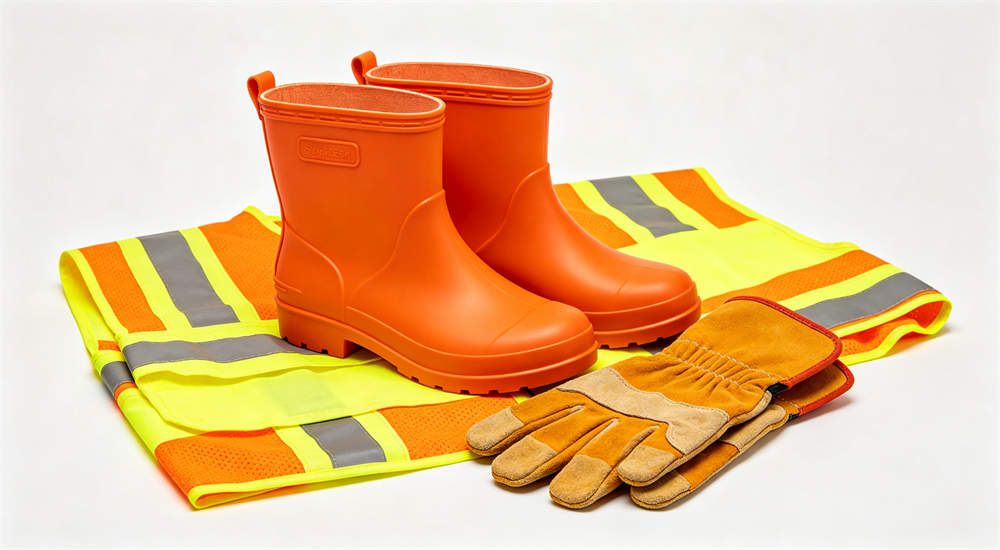
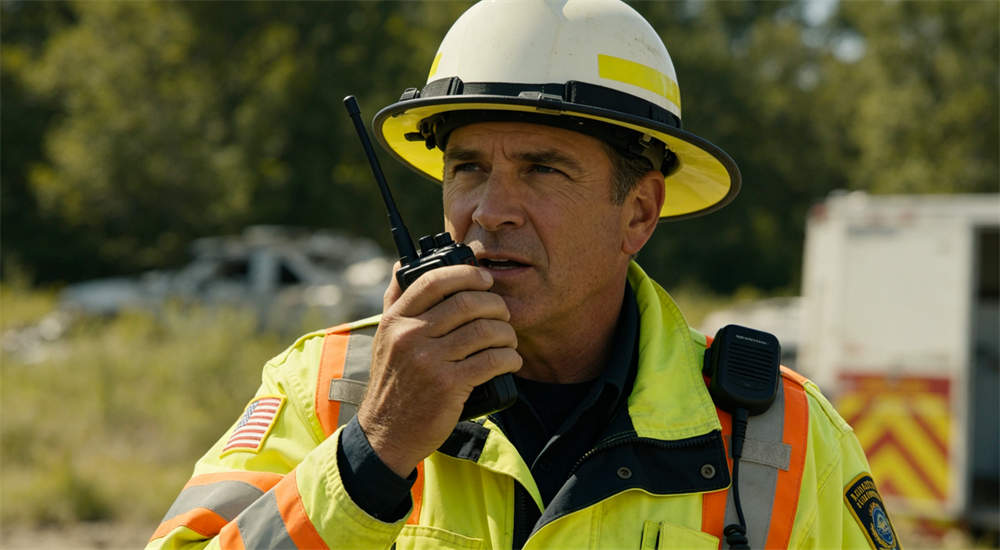
A: At minimum: waterproof rain gear, work gloves (puncture-resistant), safety helmets, waterproof work boots, and high-visibility vests. After hurricanes, there's debris everywhere—broken glass, sharp metal, contaminated water. Proper PPE prevents injuries.
Q: Do you supply hurricane gear to NGOs and government agencies?
A: Yes. We supply hurricane response equipment to 50+ relief organizations worldwide, including international NGOs, local humanitarian groups, and government emergency management agencies. We offer factory-direct pricing, flexible MOQs (starting at 50 units), and full certification documentation.
Q: What's the lead time for bulk hurricane kit orders?
A: Standard lead time is 30-45 days. For urgent orders, we can expedite to 15-20 days for in-stock items. We strongly recommend ordering in the off-season (January-May) to get the best prices and ensure availability before the season starts.
Q: Can you customize hurricane kits with our organization's branding?
A: Yes. We offer OEM and ODM services for relief organizations worldwide. We can customize tent colors, add your organization's logo to PFDs, and customize packaging. MOQs for custom branding start at 200 units per product line.
Q: What certifications do your hurricane response products have?
A: Our PFDs are USCG-approved. Our shelters and PPE meet international humanitarian standards (Sphere Project guidelines). All products come with full documentation for government procurement and public tender processes.
A: Storm surge is ocean water pushed ashore by hurricane winds—this is coastal flooding. Inland flooding happens when the hurricane drops massive amounts of rain hundreds of miles from the coast. Both are deadly, and both require different response approaches.
Q: How do we pre-position supplies for hurricane season?
A: The best approach is multi-site pre-positioning. Don't store all your supplies in one warehouse—if that warehouse gets hit by the hurricane, you lose everything. Store supplies at 2-3 locations within driving distance of your service area. This way, no matter where the storm hits, you have supplies nearby.
Q: Do you ship hurricane gear internationally?
A: Yes. We currently ship to relief organizations across North America, the Caribbean, Central America, and Southeast Asia. We can handle sea freight, air freight, and land transport. Contact us with your destination and quantity for a shipping quote.
Q: What's the minimum order quantity for hurricane supplies?
A: Our standard MOQ starts at 50 units per product line for relief organizations. For custom branded items, MOQ is 200 units. We work with small local NGOs and large international agencies alike—contact us with your needs and we'll find a solution that fits your budget.
Q: How do I know if a hurricane supplier is reliable?
A: Ask these 3 questions:
(1) Do you have experience supplying relief organizations specifically?
(2) Can you provide references from other NGOs?
(3) Do you have emergency reorder capabilities? A general product supplier can't match a disaster relief specialist—we know what works in the field, not just what looks good on a catalog.
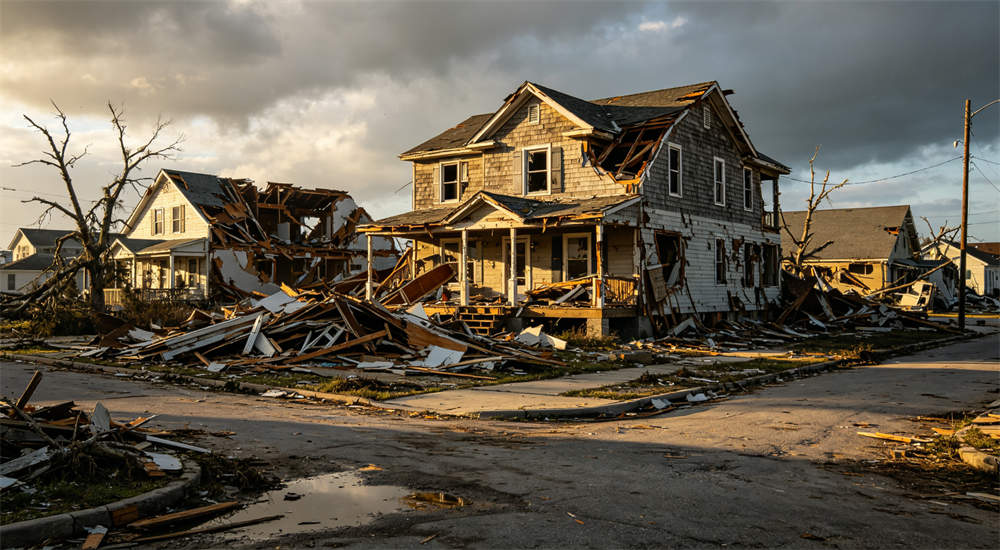
Q: What's the difference between a Category 3 and Category 4 hurricane?
A: Wind speed is the main difference: Category 3 is 111-129 mph, Category 4 is 130-156 mph. But the real difference is damage potential—Category 3 causes extensive damage, while Category 4 causes extreme damage with major roof failure and widespread power outages for weeks. For relief planning, a Category 4 storm requires multi-agency coordination, not just a single organization's response.
A: As a general rule, relief organizations should budget 5-10% of their annual program budget on hurricane preparedness supplies. This includes pre-positioning kits, training, and equipment maintenance. Organizations in high-risk zones (Florida, Gulf Coast, Caribbean) should aim for the higher end—10% or more.
A: Absolutely. Every region has different needs: coastal areas need more PFDs and storm surge supplies, inland areas need more flood response and rain gear. Tell us your service area, typical hurricane strength, and the population you serve, and we'll recommend a tailored kit configuration. No one-size-fits-all packages here.
References & Sources:
NOAA National Hurricane Center: Hurricane Preparedness Guidelines
American Red Cross: Hurricane Safety and Response Recommendations
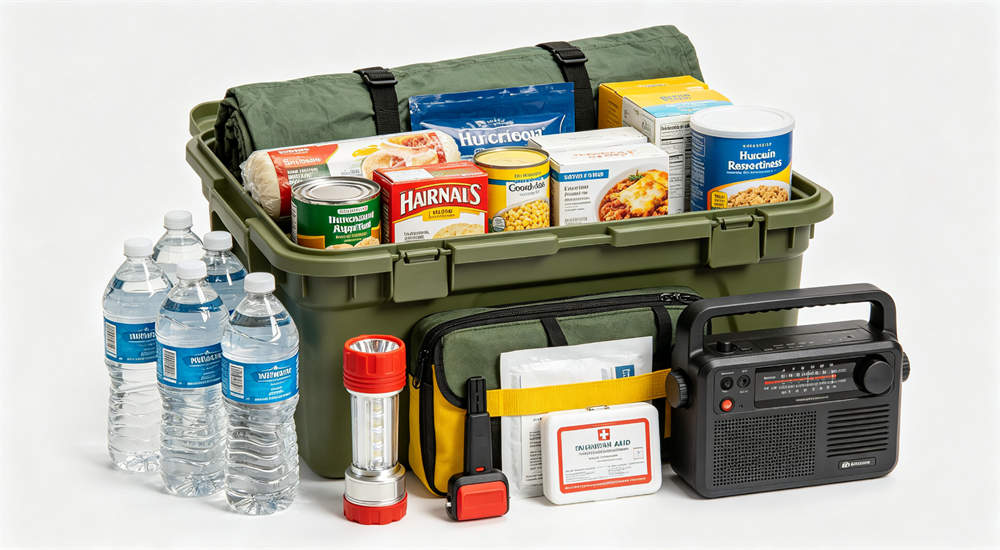
If you're new to hurricane relief, these are the terms you'll hear most often. Understanding them helps you plan better and communicate clearly with your team and other agencies.
|
Term |
Simple Explanation |
|
Storm Surge |
Ocean water pushed ashore by hurricane winds. The #1 killer during hurricanes. |
|
Saffir-Simpson Scale |
The 1-5 rating system for hurricane wind speed and damage potential. |
|
Hurricane Watch |
Hurricane conditions possible within 48 hours. Time to activate your plan. |
|
Hurricane Warning |
Hurricane conditions expected within 36 hours. Time to pre-position supplies. |
|
Eye of the Storm |
The calm center of the hurricane. It can be deceptive—conditions get worse again quickly after it passes. |
|
Feeder Bands |
The rain bands that spiral outward from the hurricane center. They bring the heavy rain and tornadoes. |
|
Evacuation Zone |
Areas officials order people to leave before a hurricane. Usually coastal and low-lying areas. |
|
Shelter in Place |
Staying where you are during the storm, as opposed to evacuating. Common when evacuation isn't safe or possible. |
|
PFD (Personal Flotation Device) |
The official term for a life jacket. Required for any flood response operation. |
|
USCG Approval |
US Coast Guard certification. The legal standard for life jackets and other water rescue equipment. |
|
NOAA |
National Oceanic and Atmospheric Administration. The government agency that tracks hurricanes and issues forecasts. |
|
FEMA |
Federal Emergency Management Agency. The government agency that coordinates major disaster response. |
|
Sphere Project |
International humanitarian standards for disaster response. Most relief organizations follow these guidelines. |
|
Pre-positioning |
Storing supplies at locations near your service area before hurricane season starts. The #1 best practice for fast response. |
|
Bulk Sourcing |
Buying large quantities directly from a manufacturer, instead of through distributors. Lower cost, better quality control. |
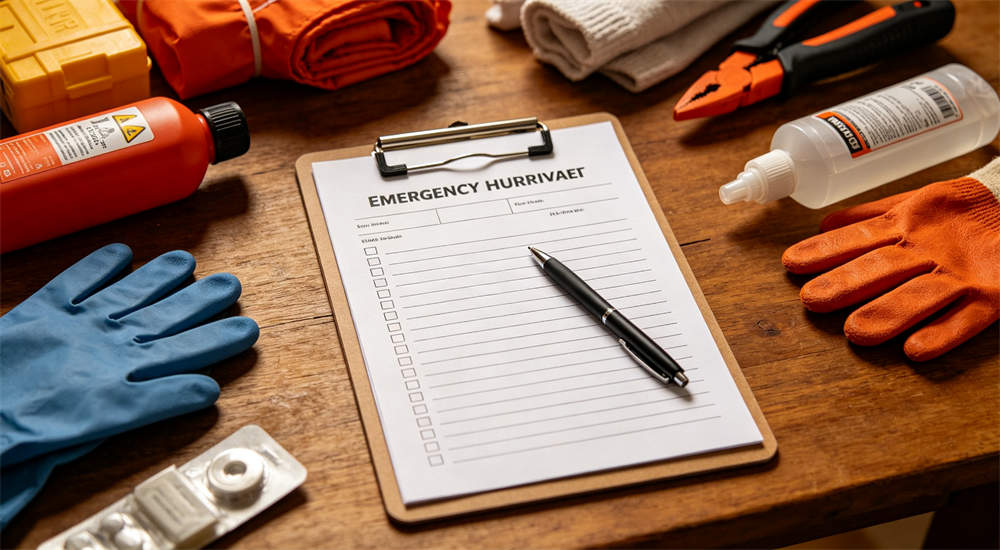
Print this hurricane preparation checklist and go through it with your team. Check off each item as you get it done. This hurricane supply checklist covers everything from bulk first aid kits to emergency shelter supplies.
 |

|
Przyjazne linki :
prawa autorskie © Custom Disaster - Relief Bedding: Tents, Sleeping Bags, Blankets Wszelkie prawa zastrzeżone
profesjonalny zespół do obsługi !