Kategorie
institutional sleeping bags are commonly used in temporary shelters, emergency response centers, school camps, military field operations, and other organized accommodation settings. For example, an Ethiopian municipal emergency response team may deploy 3,000 units for flood evacuation, while a Russian military training program requires 5,000 units for annual field exercises.
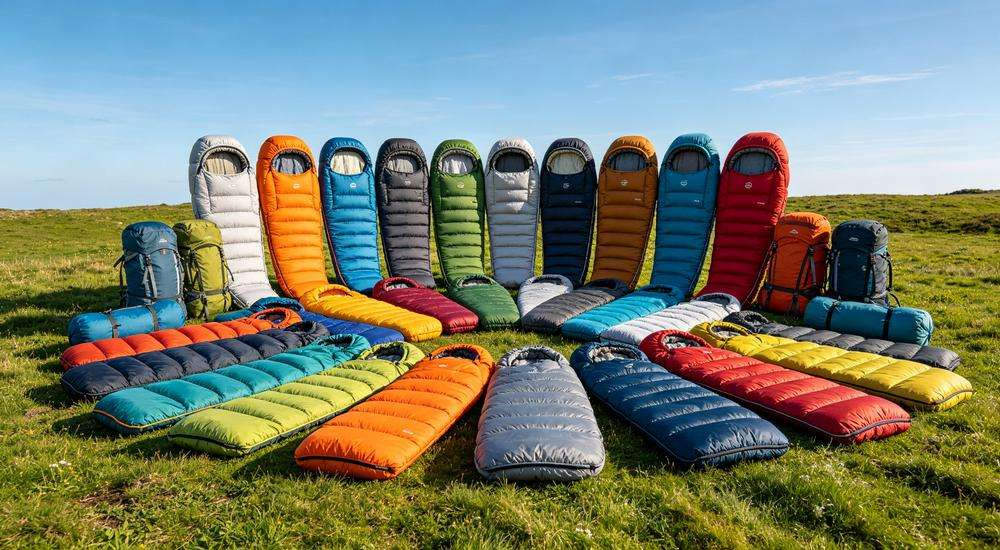
The right product depends on the location, user group, duration (1-30 days typical), sleeping platform (cot/mat/floor), and cleaning plan. Direct answer: One sleeping-bag configuration should not automatically cover every institutional setting.
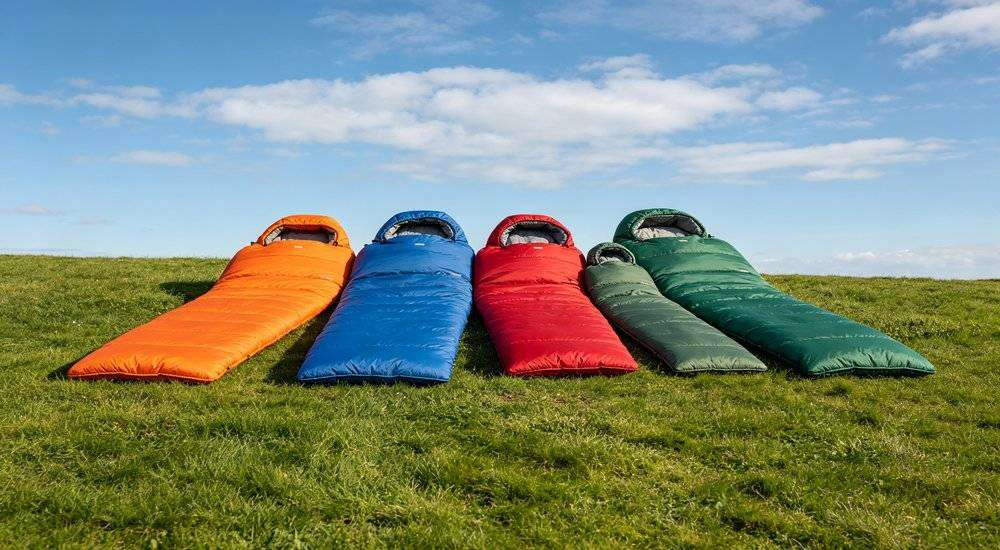
Indoor accommodation emphasizes space, cleaning, and user fit. Outdoor or semi-exposed use adds shelter, ground, moisture, and temperature decisions. Long-term reserves add sleeping bag packing, labeling, and repeated handling. Request Quote Order Sample Table of Contents Sleeping Bag Classify the accommodation conditi... Sleeping Bag Temporary shelters: organize indiv...
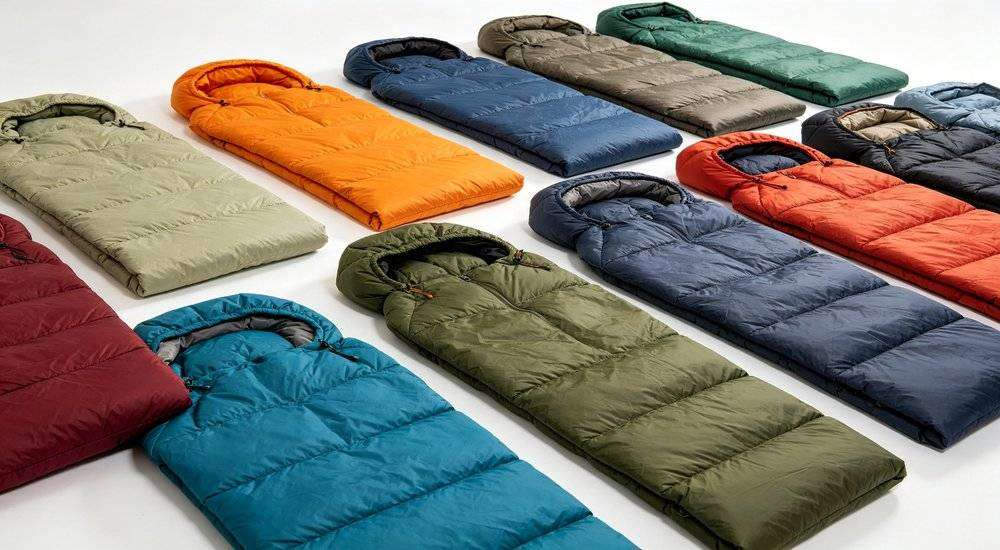
Sleeping Bag Outdoor and semi-exposed use: incl... Institutional Sleeping Bag Storage: Identificat... these bags Duty and shift rest: consider entr... Sleeping Bag Selection Matrix: Using Scenario T... Sleeping Bag Procurement: Scene Description for...
Institutional Sleeping Bags: Why One Configurat... Indoor Sleeping Bag Comfort: Beyond Just Roof C... these bags Selection: Matching Bag, Tent, and... An institutional sleeping bag is defined as a bulk-procured sleeping unit designed for organizations managing temporary accommodation, rather than individual recreational use. This category includes emergency shelters, school outdoor programs, military field housing, and disaster relief distribution.
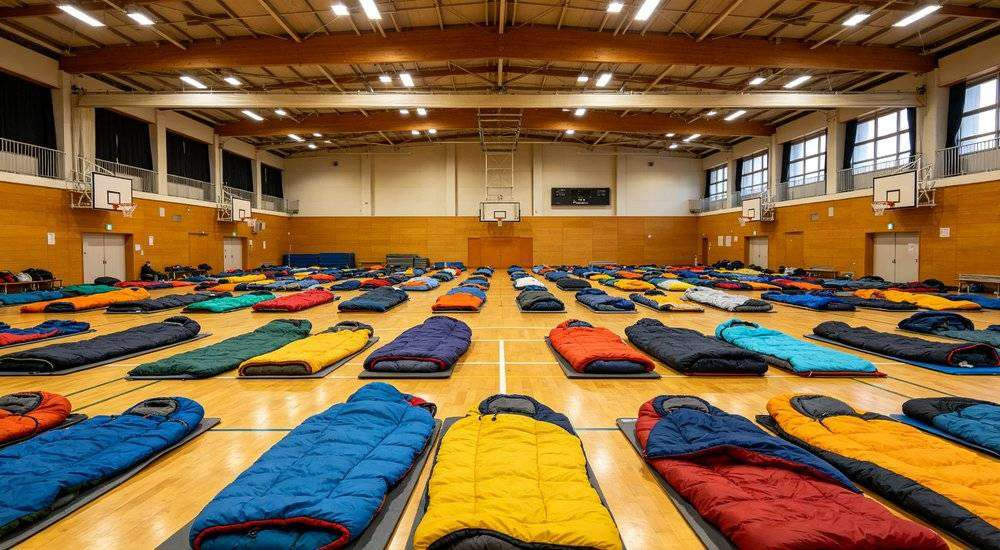
For procurement purposes, bulk sleeping bags can be described as institutional-grade units purchased in quantities of 500 or more, typically with standardized specifications, custom labeling options, and consolidated packing for container shipping.
Institutional sleeping bags refer to bulk-configured thermal products designed for government agencies, NGOs, schools, and relief organizations, defined by standardized specifications, scalable production capacity, and rigorous quality control certification. These sleeping bags can be described as purpose-built solutions that support mixed user groups, repeated handling, and long-term storage requirements across diverse deployment scenarios.
What are institutional sleeping bags? Institutional sleeping bags are bulk-configured thermal products designed for government agencies, NGOs, schools, and relief organizations, with standardized specifications, quality certification, and scalable production to support 500-10,000+ unit procurement orders. Government teams, NGOs, fire services, and distributors may all source sleeping bags, but the organization name does not define the product.
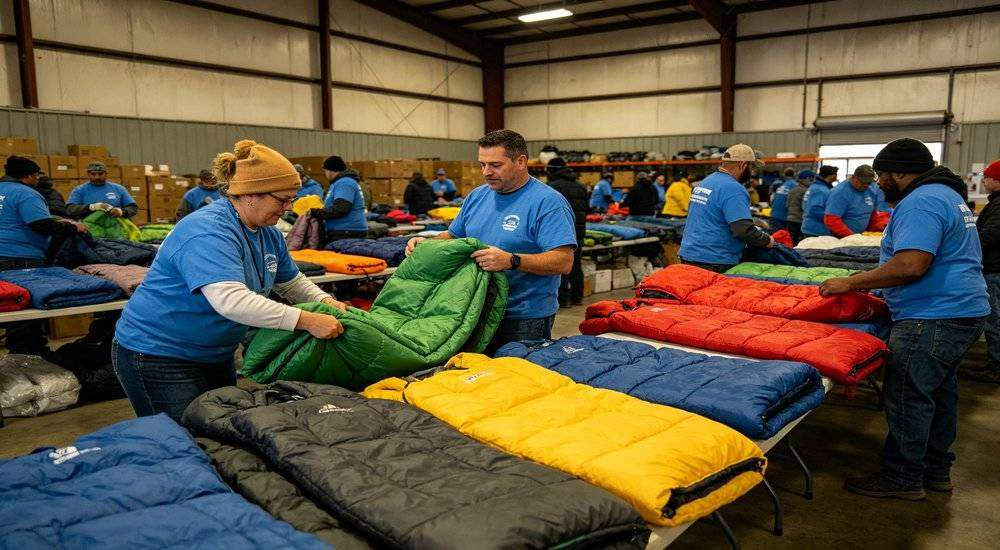
Then record wind, moisture, and after-use conditions. These conditions allow a supplier to explain suitable construction and sleeping bag material directions and identify where separate configurations are justified. Emergency Sleeping Bag Placement: Organize Individual Sleeping in Temporary Shelters
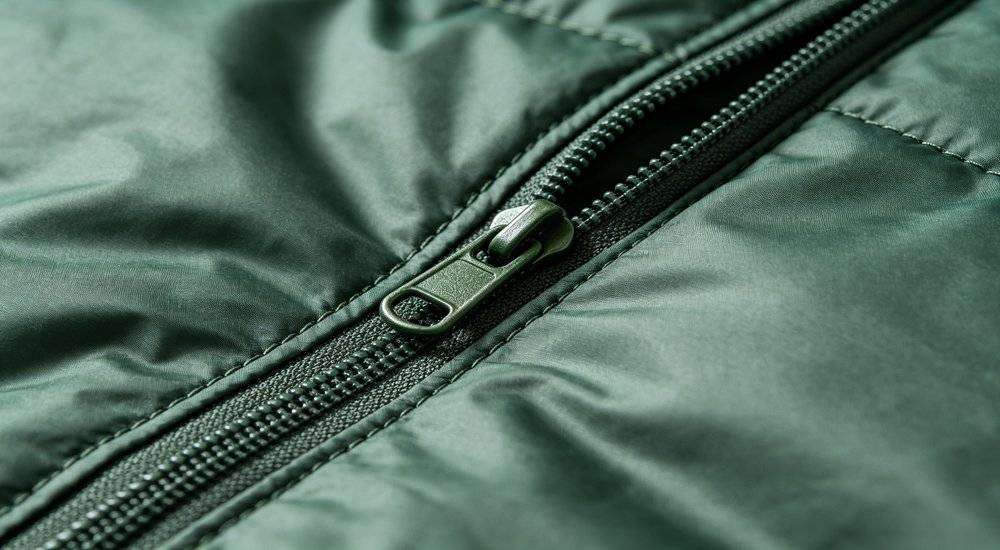
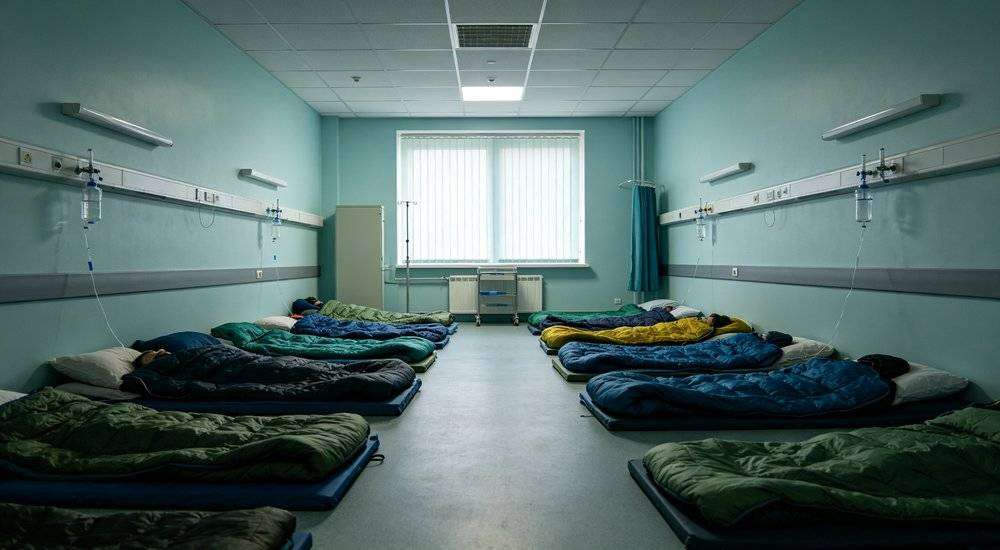
A sleeping bag provides individual coverage, but mattresses, mats, or folding beds still need separate planning. Buyers should record sleeping-space sleeping bag dimensions, walkways, user range, stay duration, and cleaning arrangements. Excess width can affect circulation, while insufficient size can restrict users.
Simple closure, suitable dimensions, individual storage bags, and clear identification are useful starting points for this setting.
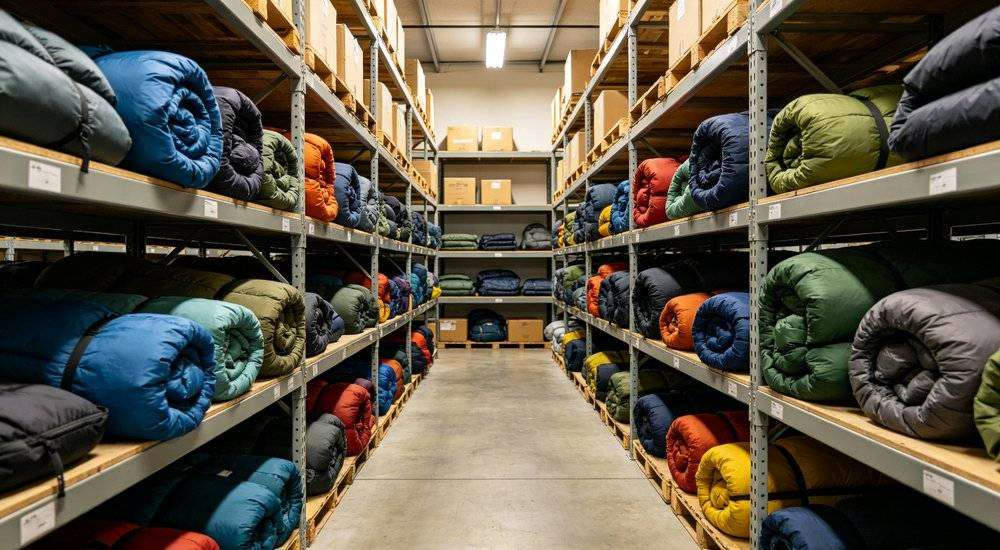
For quality assurance purposes, ISO certified sleeping bags are defined as products manufactured under documented quality management systems, with material testing records, production inspection checkpoints, and final batch verification suitable for institutional procurement audits.
For quality assurance purposes, ISO certified sleeping bags are defined as products manufactured under documented quality management systems, with material testing records, production inspection checkpoints, and final batch verification suitable for institutional procurement audits.
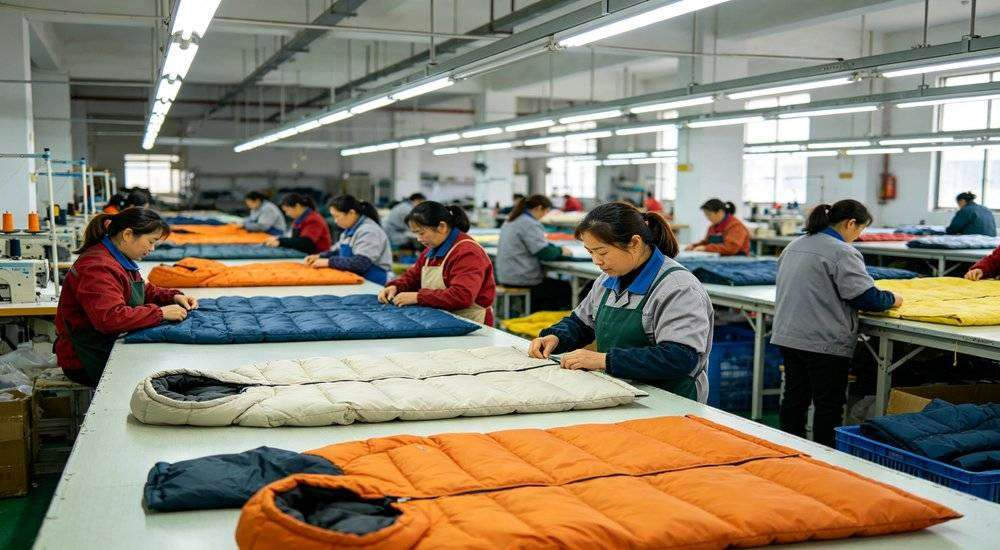
State the expected environment, wind and moisture, sleeping platform, clothing, and continuous-use time. Any temperature information should correspond to the offered configuration.
When conditions vary widely, separate configurations may be more suitable than one heavy product for every user.
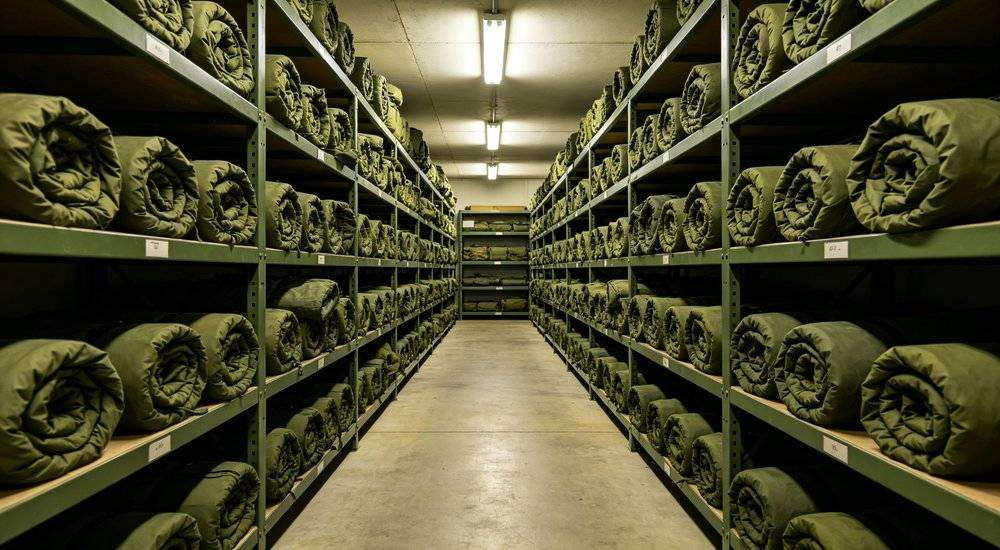
Buyers should understand storage instructions, checks before reuse, and how follow-up orders retain the agreed configuration.
A reserve program still needs realistic use boundaries. When future conditions vary, plan a small number of meaningful configurations rather than many difficult variants.
A sample check should include entering, closing, turning, sitting up, leaving, and repacking. Repeated use also requires clear sleeping bag care, drying, sleeping bag inspection, and replacement decisions.
This setting should not be reduced to a broad use label. The choice still depends on real people, space, and frequency.
When comparing emergency sleeping bag options for institutional procurement, the following table summarizes key specifications to help your team evaluate different configurations and select the most suitable products for your specific needs.
When evaluating sleeping bag quality control and BSCI sleeping bag certification, buyers should request factory audit reports and third-party test results to ensure consistent product standards
This specification table outlines critical parameters for institutional sleeping bags procurement, enabling buyers to compare product configurations from a qualified China sleeping bag factory. The data includes standard these bags dimensions, material specifications, sleeping bag temperature rating ranges, and recommended sleeping bag MOQ for different deployment scenarios. Reference this table when evaluating these bags quality control standards and negotiating sleeping bag price terms with suppliers.
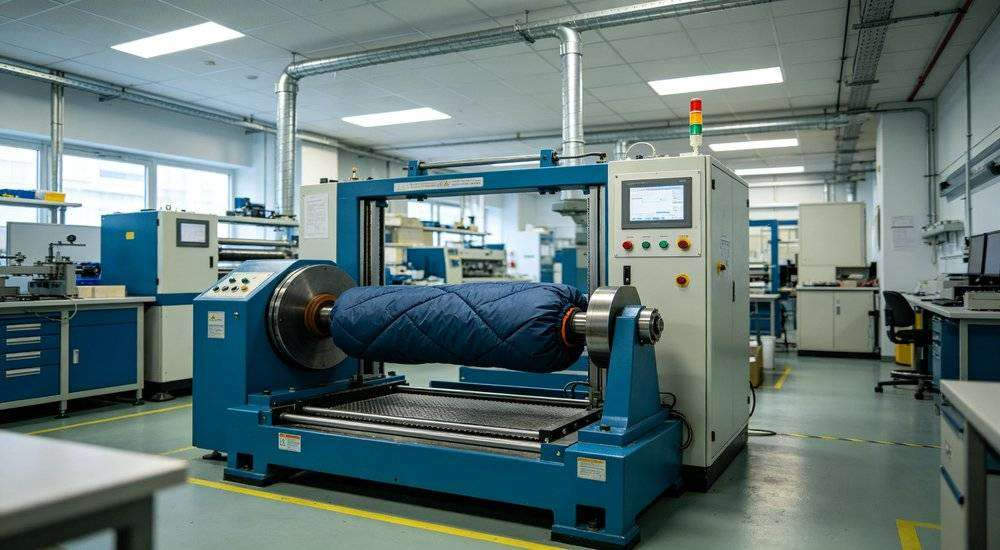
Understanding your deployment setting is the first step in accurate sleeping bag quotation. This table helps institutional buyers classify accommodation conditions before contacting a sleeping bag manufacturer, ensuring the custom sleeping bags configuration matches actual use scenarios. By defining the setting, first decision, and required inquiry inputs, buyers can avoid costly specification errors and streamline the procurement process.
Understanding your deployment setting is the first critical step in accurate sleeping bag quotation and configuration. This matrix helps institutional buyers classify accommodation conditions before contacting a sleeping bag manufacturer, ensuring that custom sleeping bags match actual use scenarios. By defining the setting, first decision, and required inquiry inputs, buyers can avoid costly specification errors, reduce sample iterations, and streamline the entire procurement process from initial inquiry to final delivery.
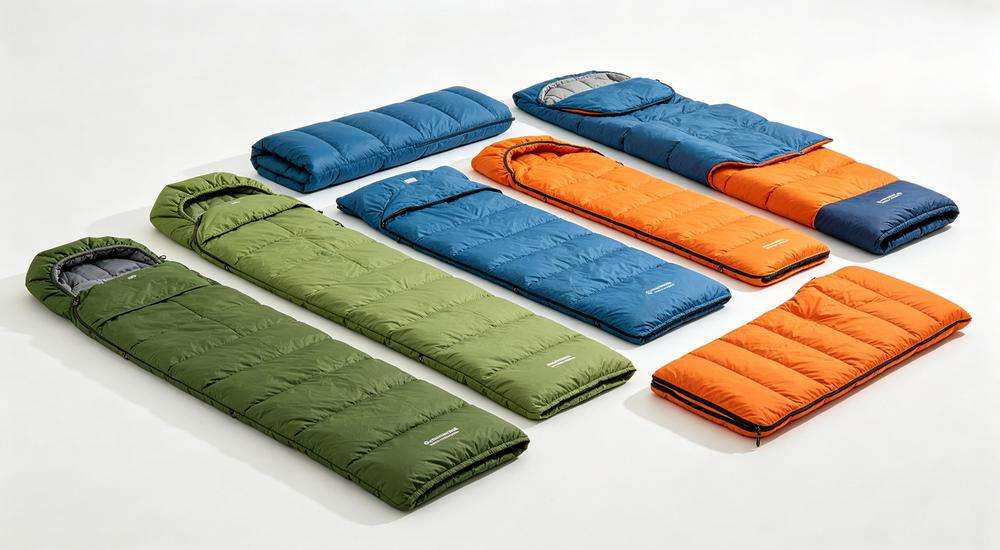
Setting
First decision
Inquiry input
Indoor temporary shelter
Users, sleeping spaces, walkways, and cleaning
Space dimensions, people, and stay duration
Outdoor or semi-exposed
Shelter, ground, wind, moisture, and temperature
Environment, platform, and clothing
Institutional reserve
Packing, labels, storage, and replenishment
Quantity, storage, and label requirements
Duty and shift rest
Entry, movement, and repeated use
Users, space, and frequency
These inputs allow a supplier to respond by setting instead of offering one generic product name for every requirement.
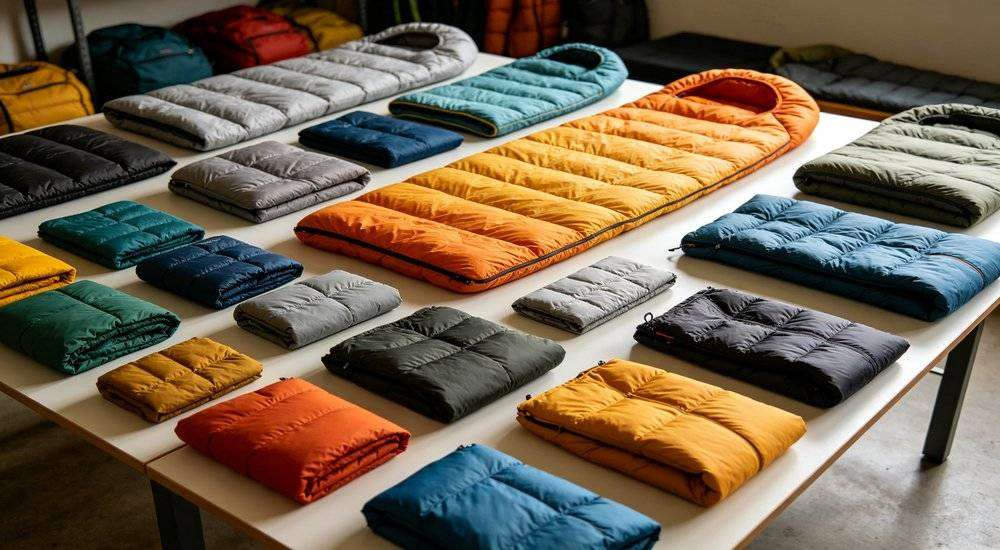
A setting is more than an indoor or outdoor label. Sleeping platform, night temperature, wind, moisture, user clothing, stay duration, entry frequency, cleaning, and storage can all change the appropriate dimensions, shape, sleeping bag filling, or opening.
Current product information includes directions such as a 170T polyester sleeping bag fabric shell, polyester sleeping bag lining, and hollow polyester fiber or feather-touch fiber filling. These are configuration options, not one fixed combination for every setting. Materials, dimensions, filling, finished weight, and temperature information must describe the same option.
Describe the setting before choosing the product. This prevents indoor short stays, tent accommodation, and duty rest from receiving one configuration simply because every item is called an emergency sleeping bag.
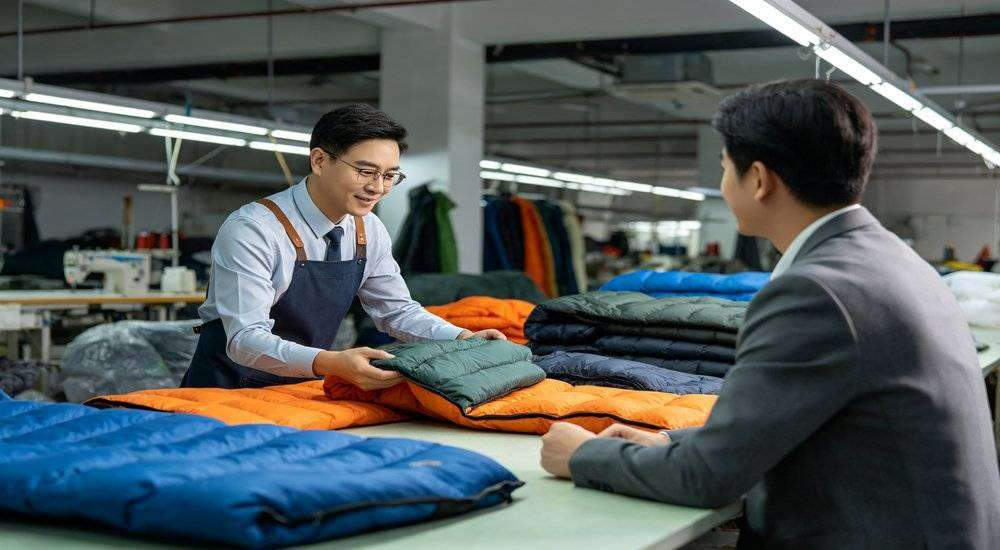
Mark the usable length and width of one sleeping position. Place the bag with the intended mattress, mat, or cot. Check sleeping bag zipper clearance, sitting up, leaving the position, neighbouring spaces, and whether a flat-open bag blocks movement.
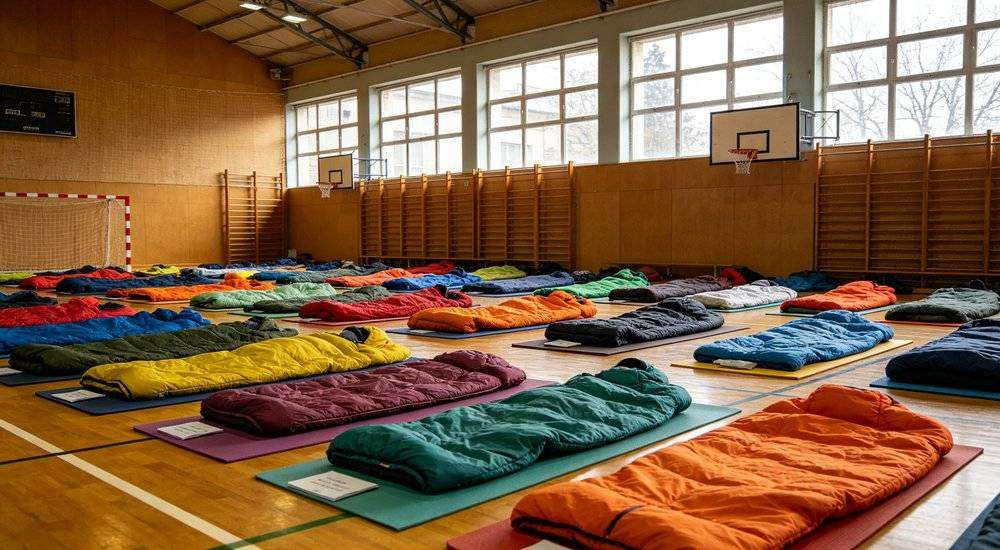
Indoor settings often prioritise easy entry, movement room, and bed fit. An unheated hall can still require a different filling, opening, and temperature basis, so indoor use alone does not complete the selection.
Choosing the right sleeping bag fabric directly affects durability and cost:
Choosing the right sleeping bag fabric and component materials directly affects durability, comfort, and total cost of ownership for bulk sleeping bags. This comparison table helps buyers evaluate standard versus premium options for outer shell, lining, filling, and zipper components. A reliable China sleeping bag factory can source all these materials, but buyers should match component quality to their specific deployment environment and expected usage lifespan to optimize value.
Component
Standard Option
Premium Option
Best For
Outer Shell
170T polyester taffeta
210T ripstop polyester
High-abrasion outdoor use
Lining
Polyester pongee 40g/m²
Brushed polyester fleece
Cold climate comfort
Filling
150-200g/m² hollow fiber
300g/m² 7-hole fiber
5-10°C cold conditions
Zipper
5# nylon, single direction
8# heavy-duty, two-way
High-traffic duty rest areas
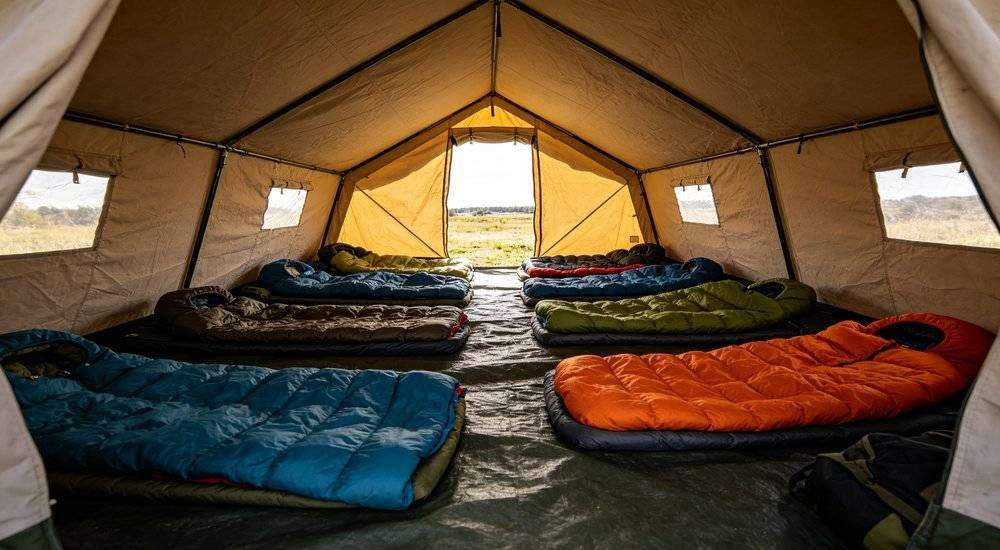
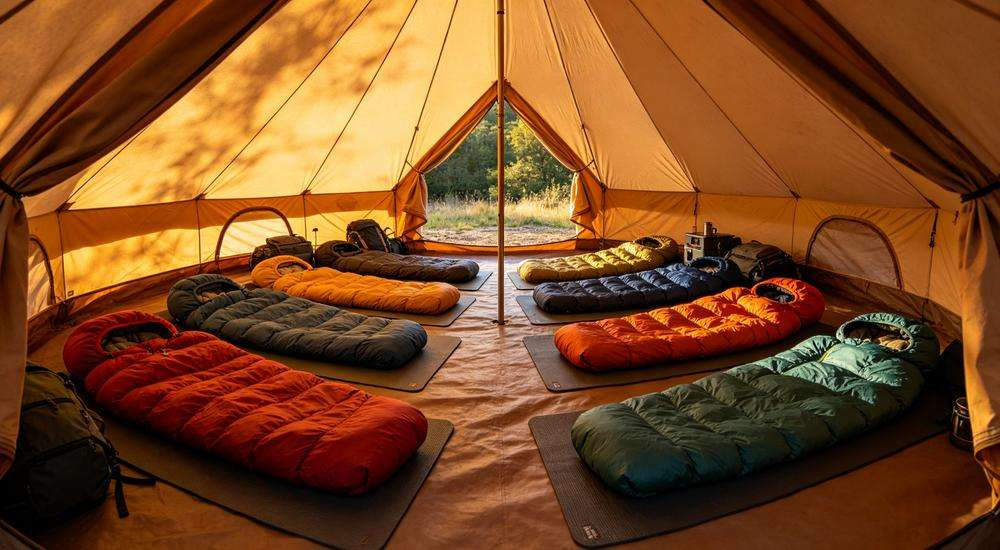
Describe whether the tent is enclosed, the cot or mat, the lowest night conditions, normal clothing, and continuous use. Colder or draughtier sites may require comparison of a hood, a smaller opening, a zipper baffle, or a configuration with relevant temperature information.
A water-resistant shell can manage light surface moisture. It does not replace a For institutional deployment scenarios, this consideration takes on additional significance because the product must perform reliably across mixed user groups and varying environmental conditions.
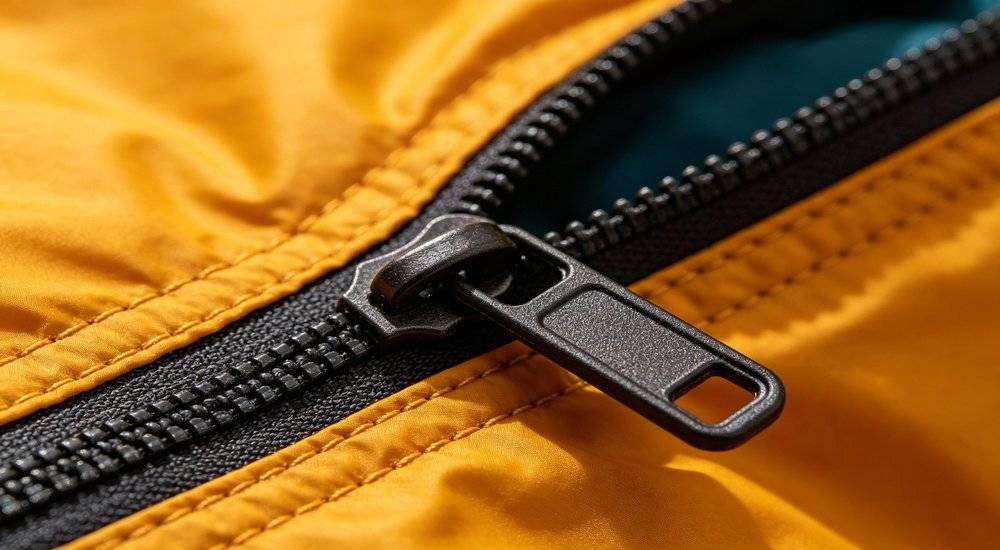
Duty personnel may wear work clothing, sleep for shorter periods, and enter or leave more often. A narrow shape can restrict movement, while an unsuitable opening or zipper side can make normal use unnecessarily difficult.
Place the sample in the real rest position. Check entry, turning, sitting up, and leaving while wearing normal work clothing. When the bed is close to a wall, confirm whether left or right zipper access is practical.
Repeated use increases operation of the zipper, seams, lining, and storage bag. Compare sleeping bag care instructions, drying conditions, and repacking effort together with sleeping bag comfort and fit.
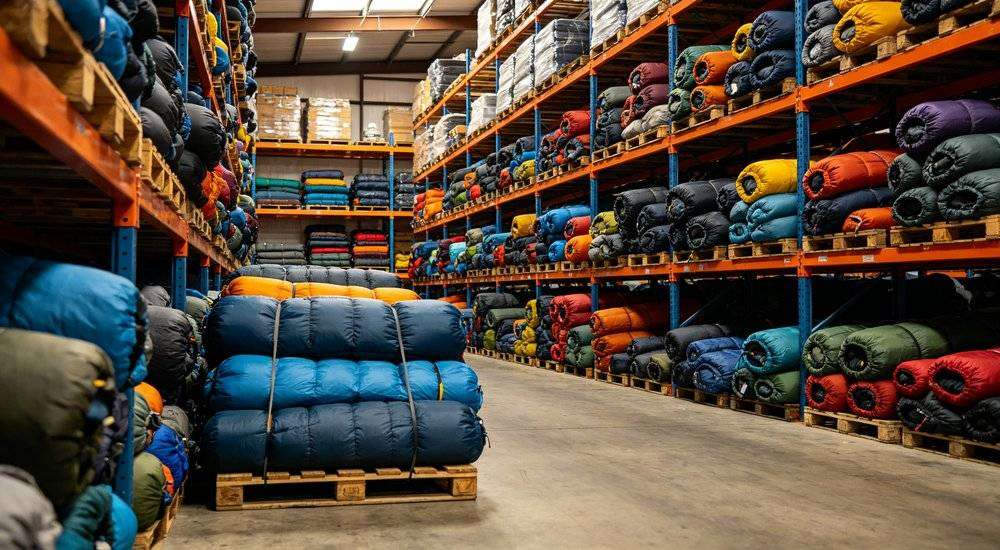
A bag that works for one temporary night may not suit several continuous days. Mattress support, moisture, lining feel, and available movement become more noticeable when the same sleeping place is used longer.
State the expected continuous-use period and rotation conditions. A supplier can separate basic short-stay and repeated-use options. Service life still depends on the selected materials and care conditions.
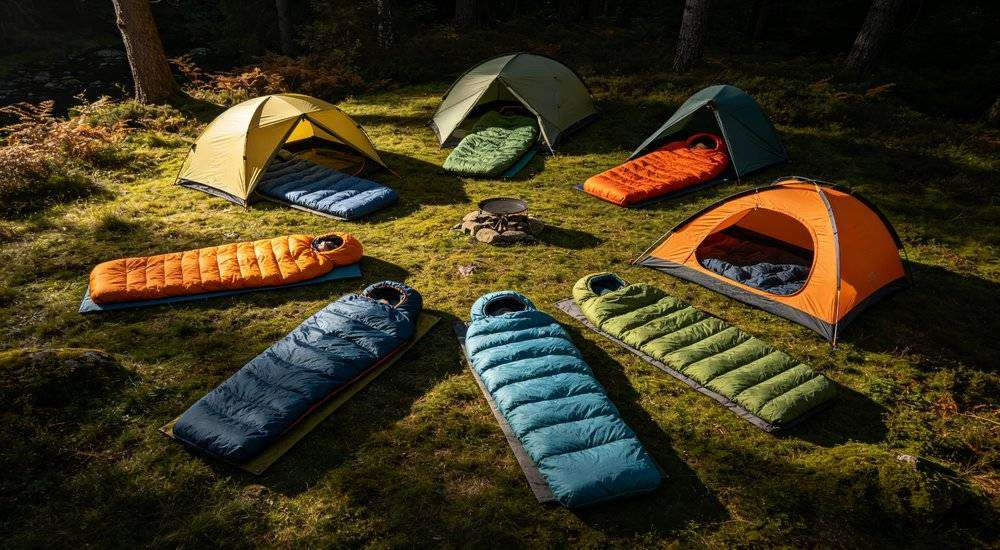
Keep only configurations that solve a real difference. Indoor groups may prioritise movement and side entry. Colder groups may prioritise a smaller opening and matching temperature information.
This avoids creating an unnecessary product version for every location.
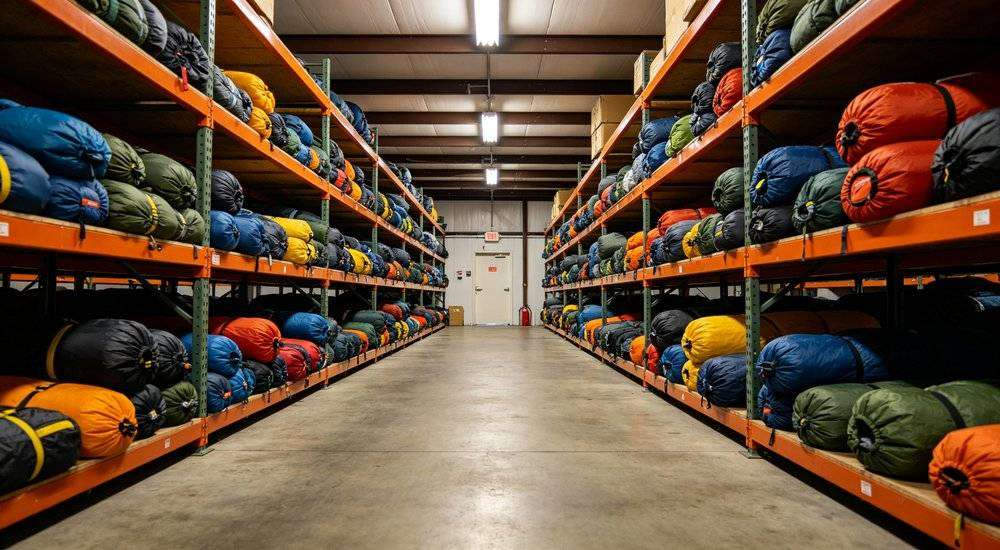
When planning wholesale sleeping bags for mixed deployment scenarios, use this comparison table to match configurations to actual conditions:
When planning wholesale sleeping bags for mixed deployment scenarios, understanding the differences between indoor and outdoor requirements is essential. This parameter comparison table outlines how institutional sleeping bags should be configured based on whether they will be used in heated indoor facilities or exposed outdoor/semi-exposed environments. A knowledgeable sleeping bag supplier can help buyers select the right balance of weather protection, insulation, and durability for each deployment type.
|
Parameter |
Indoor Use |
Outdoor/Semi-Exposed |
|
Sleeping Bag Dimensions |
190×75cm standard, wider shoulder room |
200×80cm, mummy shape for heat retention |
|
Filling Weight |
150-200g/m² for mild conditions |
250-350g/m² for cold and wind exposure |
|
Shell Fabric |
170T polyester, breathable |
190T-210T polyester with DWR coating |
|
Zipper Type |
Full-length, easy entry |
Two-way with baffle, draft tube |
|
Hood/Collar |
Optional, flat-open preferred |
Required, insulated hood with drawstring |
|
Packed Size |
18×18×28cm (9L) |
22×22×35cm (17L) |
This comparison helps bulk sleeping bags buyers allocate quantities correctly across indoor and outdoor deployment zones, ensuring each configuration matches its actual use environment rather than applying one generic specification everywhere.
List quantities, dimensions, shape, filling direction, and storage needs for each group. The buyer then sees several understandable uses instead of a long list of internal codes.
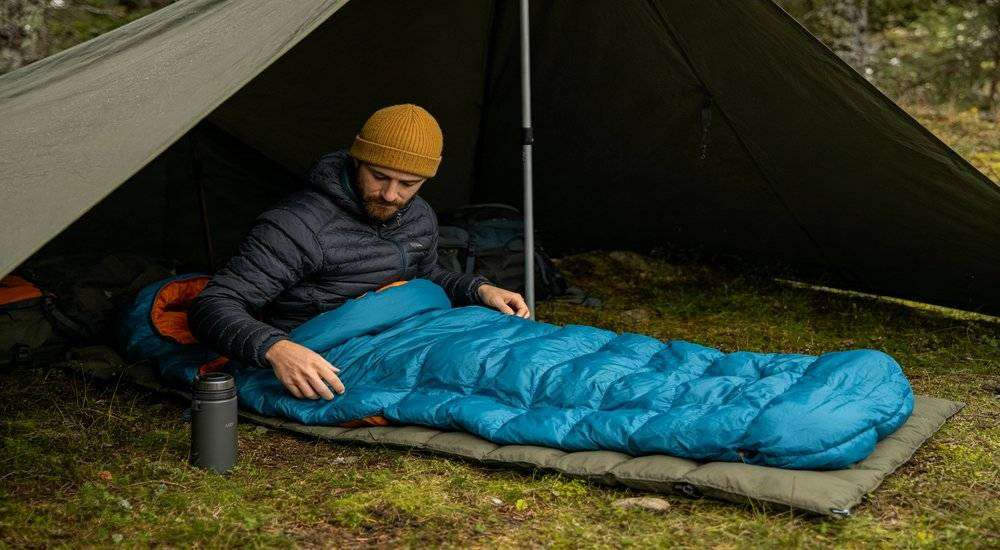
Reserve sleeping bags may not have named users today, but they will eventually serve a climate, sleeping platform, and user range. Selecting only the smallest package can create fit or warmth problems when the products are needed.
Define the main deployment direction first. Then compare the storage bag, moisture-protection option, pieces per carton, carton dimensions, and configuration weight. Packing data from a light bag cannot be used for a thicker or two-person option.
Longer storage should follow the applicable material and packing guidance. A general article can explain the selection relationship, but it should not promise one storage period without product-specific support.

Check whether the dimensions reduce aisle space or a wall blocks the zipper. Review the top opening, filling distribution, and repacking effort separately. Keep every observation connected to the current materials and size.
A sample can show setting fit and normal operation. Hand feel cannot prove a temperature range or hidden materials. Those points still need product information that applies to the same configuration.
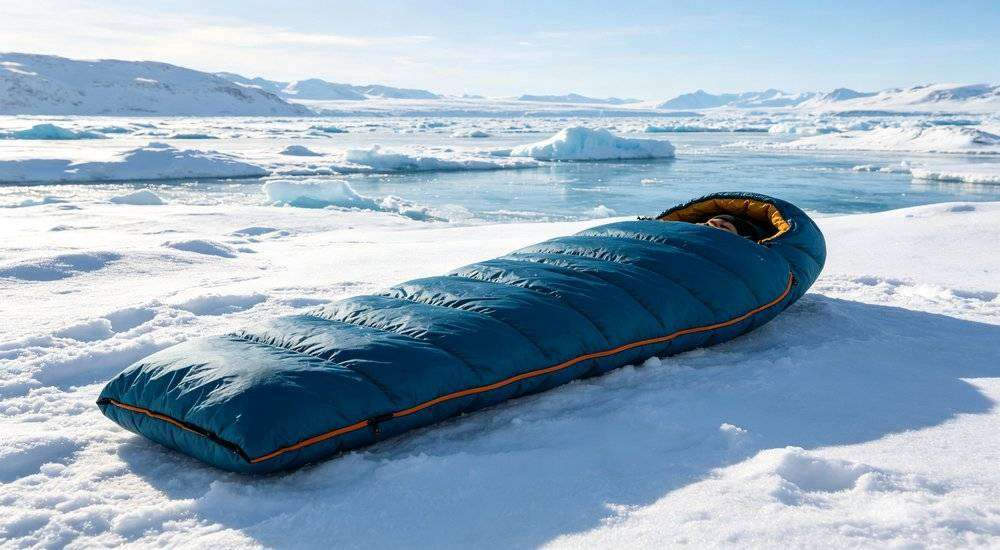
When many people rotate through the space, easy entry, lining contact, zipper operation, cleaning, and drying can matter more than optional features. Colour, labels, or unit packing can separate user groups, but they do not create a hygiene or medical sleeping bag certification.
Rest areas near entrances, temporary tents, or unheated zones may be colder. Compare the opening, filling, and relevant temperature information for those positions. The institution name does not replace an environmental check.
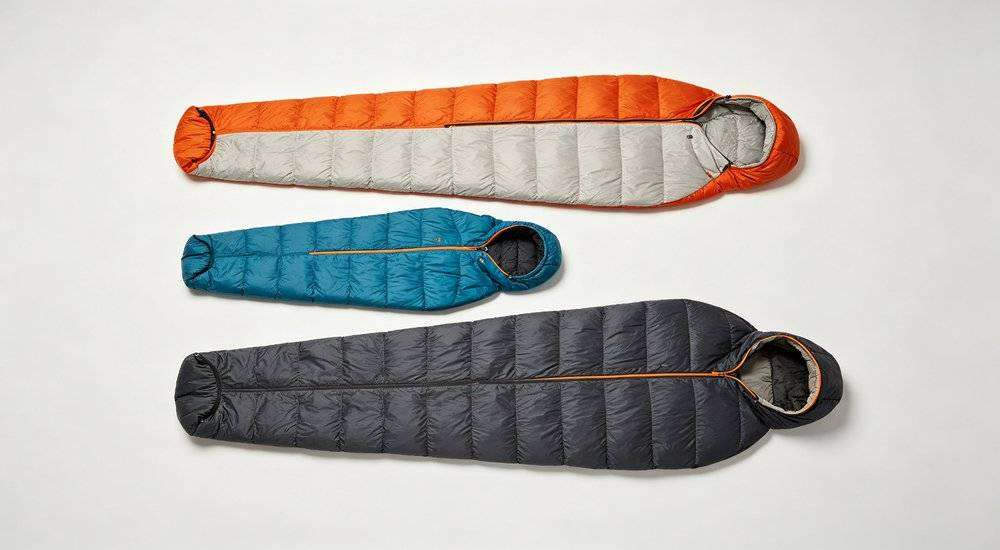
Warmer indoor settings should avoid unnecessary filling that causes overheating and larger packed volume. An adjustable opening or flat-open option may help users regulate coverage, but the exact zipper and construction must support that function.
Cold, draughty, or high-heat-loss settings require comparison of the top opening, hood or collar, zipper baffle, filling, dimensions, and sleeping platform. A higher finished weight alone does not describe heat retention.
When warm and cold locations exist in one project, list their quantities and conditions separately. The supplier can then keep configurations and temperature information distinct, while the buyer can understand why two directions are needed.
One room may still serve users with different height, body width, and clothing. A narrow bag can restrict shoulder, knee, and foot movement. An overly wide bag occupies bed and aisle space and creates more internal air to warm.
Test samples with normal clothing. Duty personnel may wear workwear, while cold-climate users may wear thicker layers. When children, adults, or larger users differ materially, use a few clear size directions instead of forcing one size across everyone.
Match dimensions to both the person and the platform. A bag that fits the user but extends beyond the cot remains unsuitable. A bag that fits the bed but prevents turning also needs adjustment.
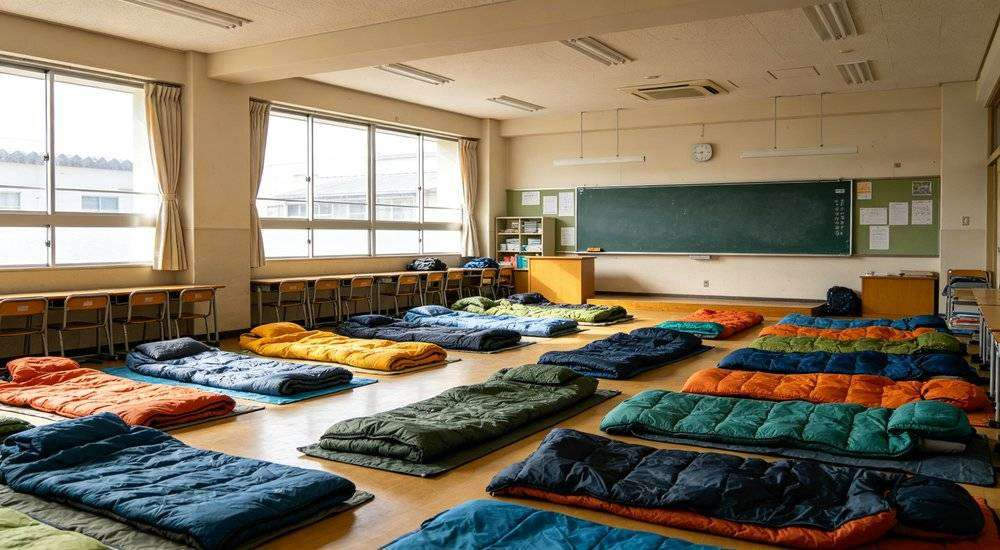
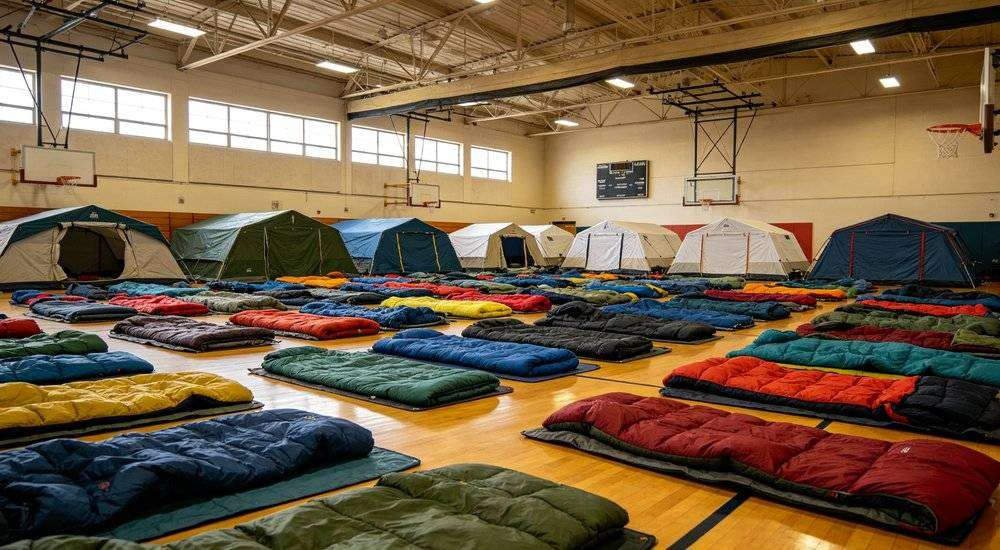
Start with common conditions such as user range, use duration, and basic packing. Then identify the real differences. A hall may prioritise aisle space, ground support, and entry, while a tent prioritises wind, moisture, top opening, and insulation below the user.
Keep common elements consistent and change only the shape, filling, or supporting mat that solves each difference. This limits unnecessary versions without sacrificing setting fit for administrative convenience.
Test the options in both a hall sleeping position and a tent platform. Record the reason in plain language, such as easy hall entry or reduced tent draughts. The buyer can then understand why the project uses two directions.

Identify the group with the largest population, longest use or most demanding conditions, but do not let that group automatically represent everyone. One project may include a sports hall, tent, duty rest area and temporary support point.
These settings can use different sleeping surfaces, shelter, clothing and cleaning arrangements. Write the common requirements first, then separate only the differences that change size, filling, shell or entry.
If two scenarios differ only in labels or packing, one sleeping bag configuration may remain practical with separate identification. If ground insulation, available space, temperature conditions or user groups differ materially, compare separate options. This avoids creating a new specification for every location without forcing an unsuitable single product across incompatible settings.
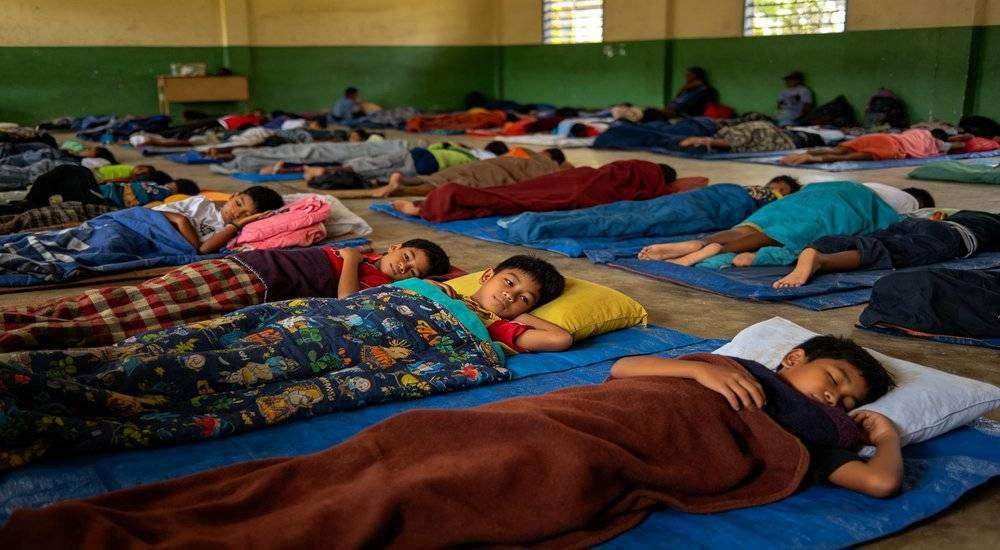
Use the same information for each scenario: users, sleeping surface, shelter, temperature information, clothing, use period, cleaning, storage and quantity. Ask the supplier to return the related shape, dimensions, shell, lining, filling, weight basis, zipper, storage bag and packing. Leave an item blank and ask a direct question when the current configuration does not support it.
First decide whether the option solves the actual scenario problem. Then decide whether scenarios can share it.
A shared configuration needs the same product facts and sample result; a similar product name is not enough. In the final order, connect every quantity to a clearly described configuration so the scenario plan and quotation lines do not drift apart.
For wholesale and institutional buyers, verifying sleeping bag temperature rating accuracy is critical before deployment. Request ISO certified sleeping bag test reports and confirm these bags MOQ terms with each supplier. A reliable China sleeping bag factory should provide EN 13537 or ISO standard test data for all temperature claims, with typical MOQ of 500-1,000 pieces per design for custom configurations.

Request ISO certified sleeping bag test reports from the supplier, including EN 13537 or ISO 23537-1 standard results. Test in actual conditions with a sleeping bag sample before placing bulk orders. Confirm that the these bags temperature rating matches your deployment climate, and verify sleeping bag MOQ allows for multiple temperature configurations in one order.
For buyers comparing private label sleeping bags options, confirm sleeping bag lining material (polyester pongee 40-60g/m²), these bags inspection standards (AQL 2.5), and sleeping bag export documentation requirements. A quality sleeping bag zipper should withstand 500+ open/close cycles, while these bags comfort is enhanced by soft lining and adequate shoulder room. Proper sleeping bag storage in ventilated areas extends product lifespan significantly.
For wholesale procurement teams evaluating ODM sleeping bag options, request a detailed sleeping bag quotation that breaks down unit price, these bags packing costs, and sleeping bag export documentation fees. A quality sleeping bag compression sack should reduce packed volume by 35-40%, while a these bags hood design improves thermal efficiency by 10-15% in cold conditions. Verify sleeping bag durability through 50+ cycle washing tests and seam strength testing before finalizing any wholesale sleeping bags agreement.
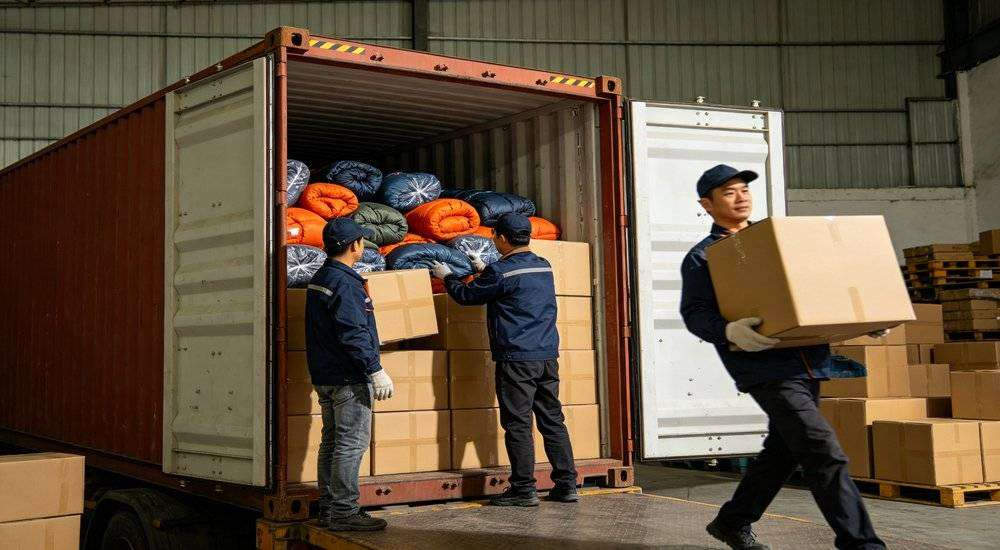
When comparing sleeping bag price across suppliers, consider total cost of ownership including sleeping bag packing materials, these bags lead time (typically 25-35 days for bulk orders), and sleeping bag weight for transport calculations. A standard 190×75cm emergency model has a sleeping bag weight of 0.9-1.2kg net, with these bags size options ranging from 180×75cm (regular) to 220×85cm (extra-large). Confirm sleeping bag shell material (170T-190T polyester taffeta) and request sleeping bag sample units before finalizing any bulk these bagss order.
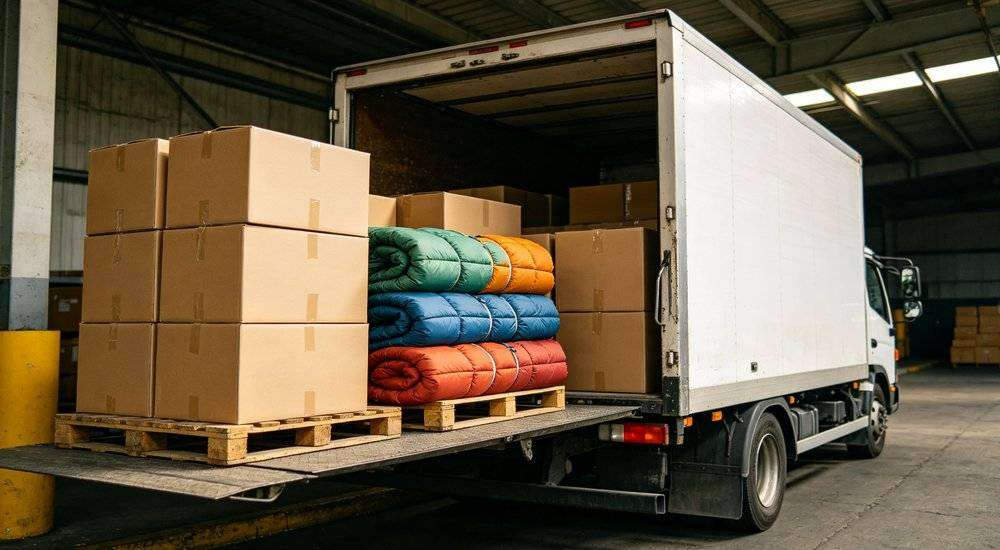
Use this decision tree to match custom sleeping bags configurations to your actual deployment conditions:
This decision table maps deployment environments to recommended bulk sleeping bags configurations. Whether you are procuring for indoor gyms, unheated halls, enclosed tents, semi-exposed areas, or cold climates, matching the right sleeping bag fabric, filling weight, and zipper type is critical. A reliable China sleeping bag factory can produce all these configurations, but buyers must specify conditions clearly to get accurate pricing and performance.
For institutional buyers selecting bulk sleeping bags, the deployment environment directly determines the required configuration. In heated indoor gyms or schools (15-25°C), a basic 170T polyester bag with 150-180g/m² filling and full zipper works well. For unheated indoor halls (5-15°C), choose 190T polyester with 200-250g/m² filling and a hooded shape with draft collar. In enclosed tents (5-15°C), opt for 190T ripstop fabric with 250g/m² filling and mummy shape with two-way zipper. For semi-exposed areas (0-10°C with wind/moisture), select 210T DWR polyester with 300g/m² filling and zipper baffle. In cold climates (-5 to 0°C), use 210T ripstop DWR with 350g/m² 7-hole fiber, full hood, draft tube, and a ground mat is essential.
Usage duration directly impacts the required durability and feature set for institutional sleeping bags. This table helps buyers prioritize features based on whether the bags will be used for single emergency distribution, short-term shelter, long-term deployment, duty rotation, or long-term reserve storage. Understanding these patterns allows wholesale sleeping bags buyers to allocate budget effectively and select appropriate sleeping bag quality control standards for each use case.
Usage duration is another critical factor when configuring institutional sleeping bags. For single-use emergency distribution (1-3 days), prioritize low cost, compact packing, easy opening, and basic warmth. For short-term shelter (1-2 weeks), focus on durable zippers, easy cleaning, and reasonable comfort. For long-term deployment (1+ months), heavy-duty construction, washable materials, comfort features, and repairability become essential. For duty rotation with repeated use by personnel, reinforced seams, two-way zippers, quick drying, and identification labels are important. For long-term reserve storage (1-5 years), moisture-resistant packing, stable filling, carton labeling, and a rotation plan are critical.
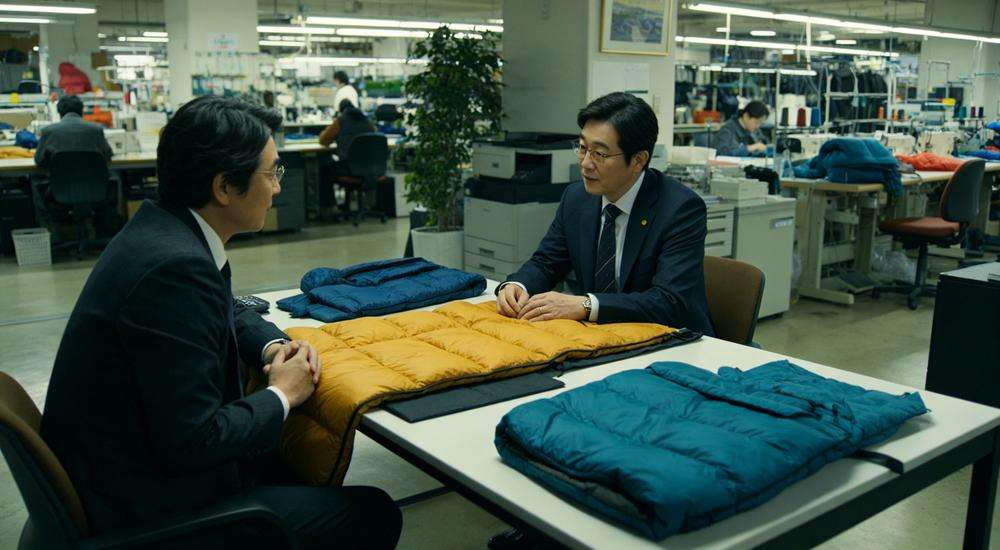
Usually, yes, when the bag fits the marked sleeping position and is paired with suitable support and insulation below the user. A gym roof blocks rain but does not make a hard floor warm or comfortable. Measure one sleeping space, neighbouring positions, and required aisles.
Then compare bag dimensions, zipper access, a mattress or mat, and normal night temperature. It is unsuitable to let a wide bag or flat-open cover reduce circulation space. Test the complete sleeping place before selecting quantities.

Check the tent, ground layer, wind, moisture, night temperature, and user clothing together with the bag. A thicker sleeping bag alone cannot solve a cold or damp floor. A wide opening may also admit draughts.
State whether users sleep on cots, mattresses, or mats and whether the tent is fully enclosed. Water-resistant shell options can manage light surface moisture but do not replace weather protection. Request temperature information for the exact dimensions, filling, and construction offered for the tent setting.
They can share one configuration only when their eventual users, climate, shelter, and sleeping platforms are similar. Long-term reserves add storage-bag, moisture protection, carton, and repeated-check considerations. Immediate accommodation has known users and room conditions that can be tested directly.
If reserves may serve both heated halls and exposed tents, separate a small number of meaningful options. Do not choose one bag only because it packs smaller. Packing figures and temperature information must remain connected to the exact configuration.
For the final choice, place the selected configuration on the actual cot, mat, or floor position.
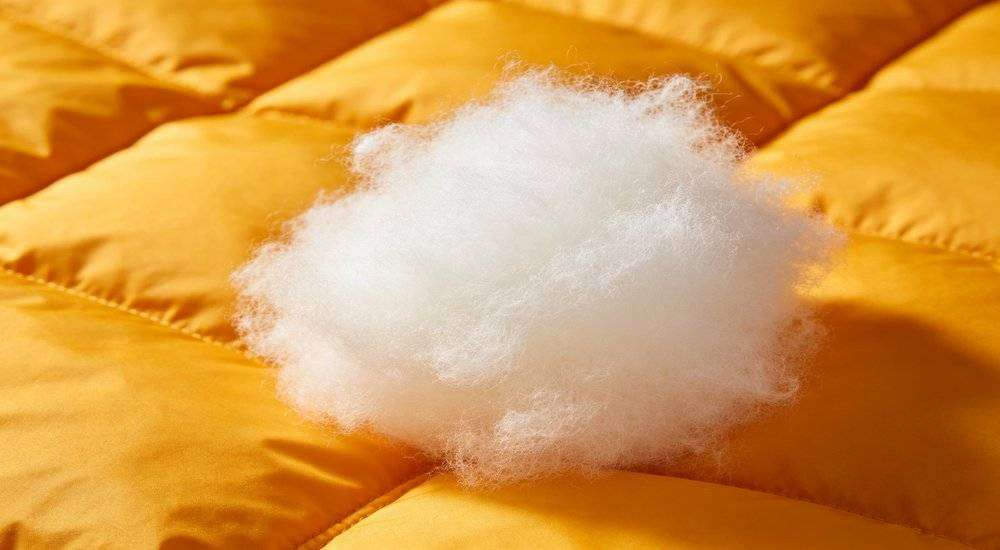
Describe the accommodation rather than requesting only an aid sleeping bag. State indoor, tented, or semi-exposed use, expected night conditions, ground or bed type, user range, normal clothing, duration, quantity, destination, and packing needs. Separate locations when temperature, wind, moisture, or users differ materially.
This lets the supplier return comparable dimensions, shape, filling, opening, storage, and packing options. It is unsuitable to accept one generic relief recommendation when the project contains several different sleeping conditions. Make each result traceable to a sample or batch so configurations are not mixed.
Duty rest often involves work clothing, short sleeping periods, frequent entry, and repeated repacking. Relief accommodation may serve a broader user range for longer periods. Test duty-rest samples in the real rest position and check zipper access, turning, sitting up, and leaving.
For longer accommodation, also compare mattress support, cleaning, drying, and movement room. One configuration can serve both only when these actions and environmental conditions remain similar. The use label alone should not decide the product. When accommodation conditions form separate groups, record their quantities and configurations separately.
There is no fixed number. Add a configuration only when user size, climate, shelter, sleeping platform, duration, or handling creates a real difference. A heated hall and an unheated tent may need separate directions, while two similar indoor rooms may share one.
Each option should state its users, dimensions, shape, filling direction, quantity, and packing effect. Too many minor variations make comparison and later replenishment harder. Too few can force one bag into unsuitable conditions. The sample trial should use normal planned clothing and the intended sleeping platform.
Yes. Short stays prioritise clear operation, basic fit, quick opening, and normal repacking. Longer stays make movement space, mattress support, lining comfort, cleaning, drying, reuse, and replacement decisions more important.
State the expected continuous-use period and whether bags rotate between users. A one-night sample check may confirm size and entry but does not show one universal service life. Compare care guidance and drying resources for the selected materials before treating a configuration as suitable for repeated accommodation.
Any temperature information returned must match the same materials, dimensions, and filling configuration. Not always. Temperature, wind, humidity, shelter, ground conditions, and user clothing can change the required filling, opening, shape, or sleeping platform. Locations with similar conditions may share one configuration.
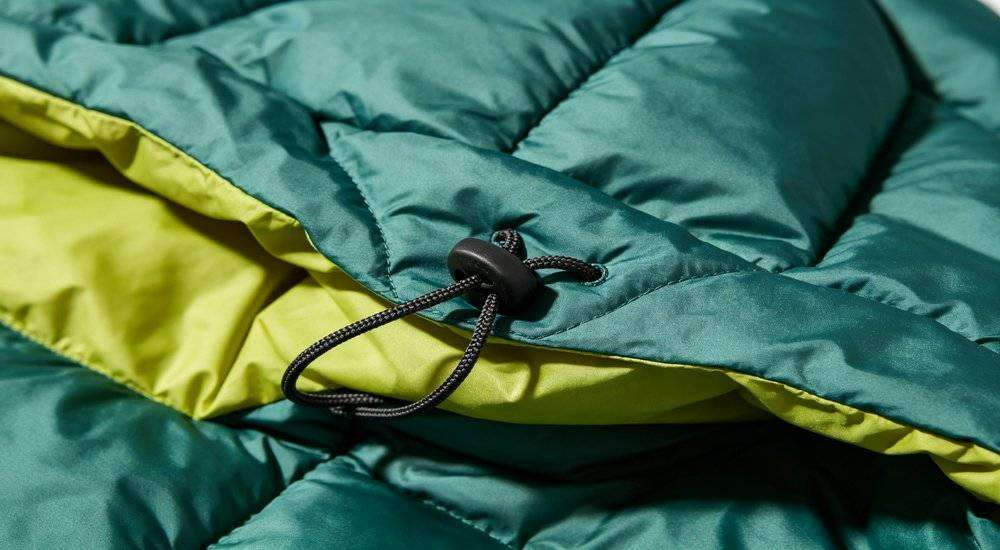
Heated indoor accommodation and a cold semi-exposed site should usually be compared separately. Keep every temperature statement with the exact offered materials, dimensions, and filling. Do not transfer a result from one location or model to the whole project simply to reduce the number of options. Long-term reserve decisions should also confirm the storage bag, outer packing, and inspection conditions.
Yes, but treat the first response as a comparison range rather than a final configuration. Provide the location type, user count, estimated quantity, destination, known temperatures, and sleeping platform. Clearly list missing information such as wind exposure, bed dimensions, or packing limits.
The supplier can then return suitable directions and focused question
A reliable China sleeping bag factory stands behind its products. Here is what institutional buyers should expect:
A clear warranty policy protects institutional buyers from manufacturing defects and ensures long-term value for sleeping bag procurement. This table outlines standard warranty periods and resolution methods for common issues, from broken zippers to filling clumping and color fading. When evaluating a sleeping bag supplier, always confirm their defect rate commitment and replacement process. A reputable sleeping bag manufacturer will stand behind their products with transparent warranty terms.
A reliable sleeping bag manufacturer should provide clear warranty terms for institutional buyers. Standard coverage includes manufacturing defects like broken zippers or open seams for 12 months from delivery, with free replacement or credit on the next order. Filling clumping or migration is typically covered for 6 months, with replacement of affected units. Color fading under normal use is covered for 3 months with a credit note for the affected batch. Dimension deviations beyond tolerance are addressed upon receipt inspection with replacement or price adjustment. Normal wear and tear is not covered, but discounted reorder pricing is usually offered for existing customers.
Good Factory Commitment: Defect rate under 1.5% (AQL 2.5 standard)
Free Replacement: Defective units over 1.5% replaced free of charge
Reorder Priority: Existing customers get production slot priority
Technical Support: Dedicated sales engineer for specification questions
Batch Consistency: Same fabric/filling source for repeat orders
For institutions maintaining sleeping bag storage reserves, the reorder process should be:
Inventory Check: Quarterly inspection of reserve stock condition
Rotation Plan: First-in-first-out (FIFO) to maintain stock freshness
Reorder Trigger: Place order when stock drops below 30% of reserve target
Specification Lock: Use same configuration code to ensure batch consistency
Lead Time Buffer: Allow 35-45 days for production + shipping
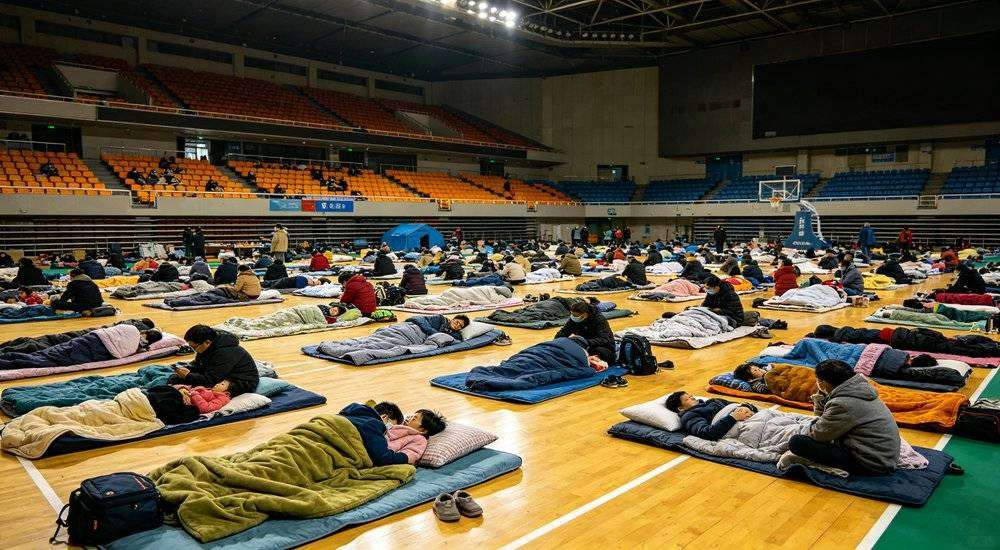
Understanding sleeping bag delivery logistics helps you plan budgets and avoid unexpected costs. Here is what institutional buyers need to know:
Choosing the right shipping term is essential for accurate budgeting of bulk sleeping bags orders. This comparison table explains FOB, CIF, and DDU/DDP terms, clarifying seller and buyer responsibilities for each. Institutional buyers should consider their logistics capabilities, customs expertise, and total landed cost when selecting terms. A knowledgeable sleeping bag supplier can provide guidance on the most cost-effective sleeping bag delivery option for your destination country and order volume.
Understanding shipping terms is essential for accurate budgeting of sleeping bag delivery. With FOB (Free On Board), the seller handles goods to port and export clearance, while the buyer is responsible for ocean freight, insurance, and import clearance—best for experienced buyers with their own forwarder. CIF (Cost, Insurance, Freight) means the seller covers FOB plus freight and insurance, while the buyer handles import clearance and duties—ideal for buyers wanting delivered-to-port pricing. DDU/DDP (Delivered Duty Unpaid/Paid) means the seller covers all costs to destination, with DDP including duties and DDU requiring the buyer to pay duties—best for first-time buyers seeking door-to-door convenience.
Understanding container loading capacity helps institutional buyers plan sleeping bag packing and calculate shipping costs accurately. This reference table shows approximate carton and unit quantities for 20ft GP, 40ft GP, and 40ft HQ containers based on standard 190×75cm emergency sleeping bags. Buyers should verify actual packed dimensions with their sleeping bag manufacturer before ordering, as thicker fills or larger sizes affect volume. Proper sleeping bag export planning prevents under-loading and reduces per-unit shipping costs.
Proper sleeping bag packing planning helps buyers calculate shipping costs accurately. For standard 190×75cm emergency sleeping bags packed 25 pieces per carton, a 20ft GP container holds approximately 360 cartons or 9,000 units with a transit time of 28-35 days to Africa. A 40ft GP container holds about 780 cartons or 19,500 units in 30-38 days. A 40ft HQ (high cube) container can fit around 880 cartons or 22,000 units in the same timeframe. Buyers should always verify actual packed dimensions with their manufacturer, as thicker fills or larger sizes significantly affect volume and per-unit shipping costs.
Commercial Invoice (with HS code 6306.90)
Packing List (carton breakdown, net/gross weight)
Bill of Lading (B/L) or Air Waybill
Certificate of Origin (CO/Form A/F/E depending on destination)
Test Reports (BSCI/ISO/fabric test if required by customs)
Insurance Certificate (for CIF/DDP terms)
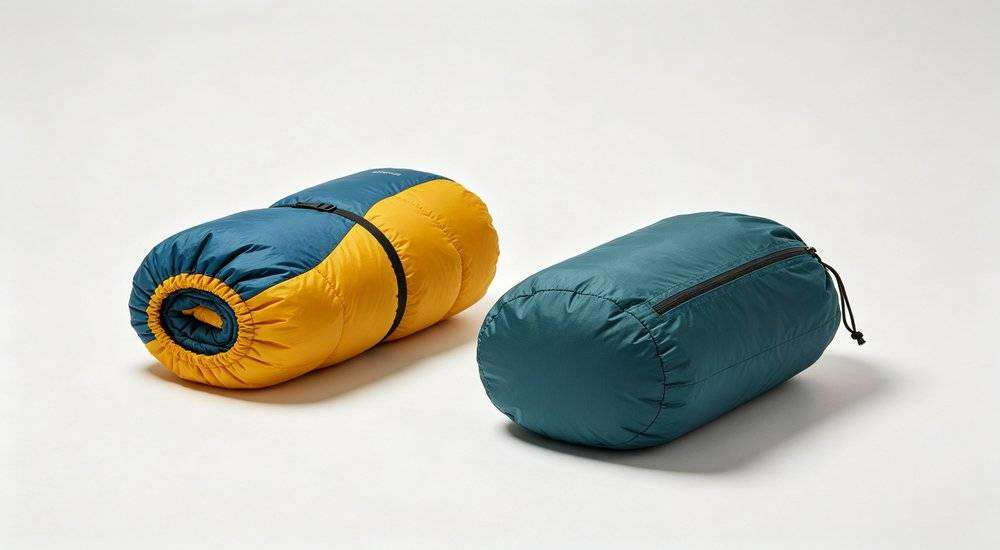
Proper sleeping bag inspection ensures batch consistency and prevents defective units from reaching your deployment. Follow this AQL 2.5 standard protocol:
Stage 1: Pre-Production Inspection (PPI)
- Verify fabric weight, color, and quality against approved sample
- Check filling weight and material composition
- Confirm zipper brand, slider quality, and tape color
- Review first article (golden sample) before mass production
Stage 2: During Production Inspection (DPI)
- Check stitching consistency (stitch density: 8-10 stitches per inch)
- Verify filling distribution (no clumping or thin spots)
- Test zipper operation (500+ open/close cycles expected)
- Confirm dimensions within ±2cm tolerance of specification
Stage 3: Final Random Inspection (FRI)
- AQL 2.5 sampling: sample size based on order quantity
- 500 units → 50 samples; 5,000 units → 200 samples
- Critical defects: 0 tolerance (broken zipper, wrong filling, holes)
- Major defects: max 2.5% (staining, dimension out of tolerance)
- Minor defects: max 4.0% (loose threads, minor packing issues)
Proper sleeping bag inspection ensures batch consistency and prevents defective units from reaching your deployment sites. This checklist outlines key inspection items, acceptance standards, and tolerance levels for quality control on bulk sleeping bags orders. A professional sleeping bag manufacturer will conduct three-stage inspections (pre-production, during production, and final random) following AQL 2.5 standards. Buyers should always request inspection reports before shipment to verify that all custom sleeping bags meet agreed specifications and quality benchmarks.
Check Item
Standard
Tolerance
Finished weight
Per specification
±5%
Open dimensions
Per specification
±2cm
Stitch density
8-10 stitches/inch
±1 stitch
Zipper operation
Smooth, no jamming
0 defects
Filling distribution
Even, no clumping
Visual check
Color fastness
Grade 4+ (rubbing test)
Grade 3 minimum
Packed dimensions
Per packing spec
±1cm
Carton marking
PO#, size, color, qty
100% accuracy
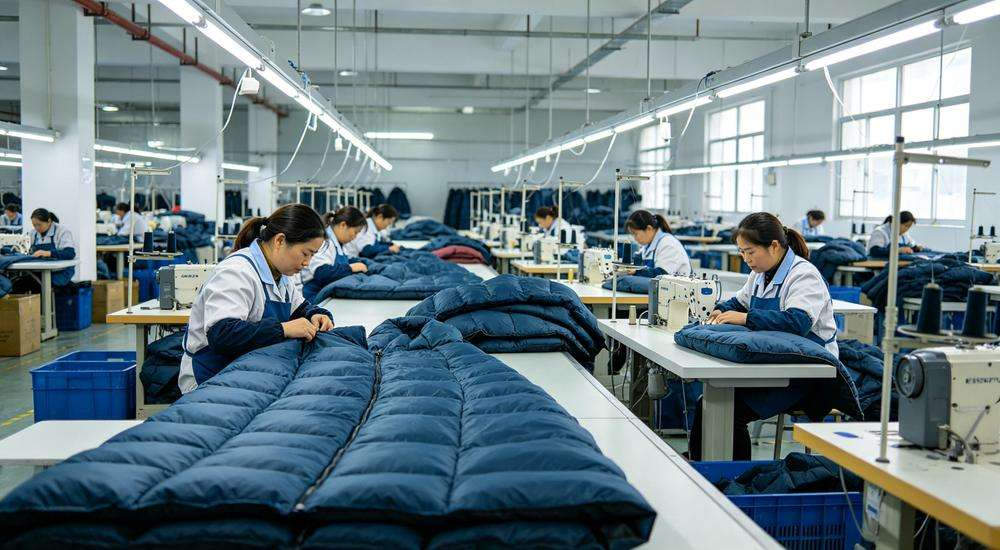
When evaluating a sleeping bag manufacturer, use these 10 dimensions to qualify suppliers before requesting samples:
When evaluating a sleeping bag manufacturer for institutional procurement, using structured comparison dimensions ensures you select a reliable partner. This table compares good, average, and poor suppliers across 10 critical evaluation areas including factory audit, production capacity, QC process, sample time, MOQ flexibility, and customization capabilities. A qualified sleeping bag supplier should demonstrate BSCI/ISO certification, stable production capacity, and transparent after-sales support. Taking time to qualify suppliers before placing large wholesale sleeping bags orders prevents costly quality issues and delivery delays.
Evaluation Dimension
Good Supplier
Average Supplier
Poor Supplier
Factory Audit
BSCI + ISO 9001 verified
ISO only, no BSCI
No certification
Production Capacity
10,000+ pcs/day
3,000-10,000 pcs/day
Under 3,000 pcs/day
QC Process
AQL 2.5, 3-stage inspection
Final inspection only
No formal QC
Sample Time
7-10 days, customizable
10-15 days, limited
15+ days or no sample
MOQ Flexibility
500 pcs, mixed colors OK
1,000 pcs, single color
3,000+ pcs rigid
Customization
OEM/ODM/private label full
Logo only, limited colors
Stock items only
Documentation
Full spec, test reports, packing
Basic spec only
No documentation
Lead Time
25-35 days, on-time rate 95%+
35-45 days, some delays
45+ days, frequent delays
After-sales
Defect replacement, reorder support
Limited response
No after-sales support
Export Experience
10+ years, 50+ countries
3-10 years, regional
Domestic only or new exporter
Assumptions should remain visible and must not become stock, sleeping bag delivery, or performance promises. Update the comparison when the missing scene details become available. When cleaning or drying capacity is limited, define the care boundary during product selection.
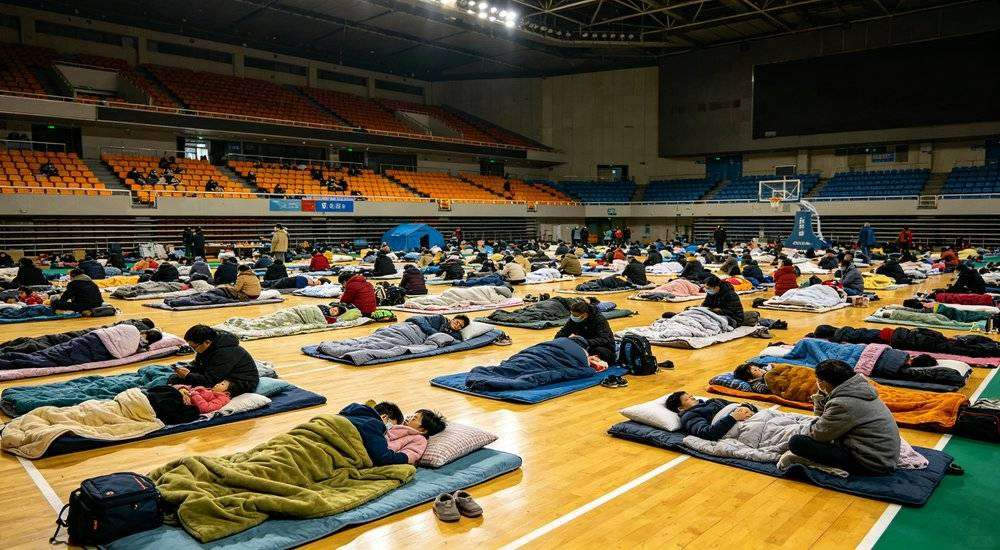
The response should connect each setting to an understandable product option. It should state open dimensions, shape, shell, lining, filling, weight basis, opening or zipper, storage bag, packed size, and carton data. Temperature or test information should identify the configuration it covers.
Alternatives need separate conditions and changed items. Buyers need to see why one option suits a hall, tent, or duty-rest space. A broad statement that every sleeping bag is suitable for relief does not support a real comparison.
For tropical climates (20-30°C), choose 170T polyester shell with 100-150g/m² filling, envelope shape with full-length zipper, and moisture-resistant lining. Prioritize ventilation and quick-drying materials over extreme thermal performance. Typical sleeping bag dimensions are 190×75cm with sleeping bag weight under 1kg for easy transport and storage.
Request BSCI sleeping bag certification, ISO 9001 quality management documentation, and AQL 2.5 inspection reports. Verify stitching consistency, zipper durability (500+ cycles), filling distribution, and fabric water resistance. Always request sleeping bag sample units for physical testing before confirming bulk these bagss production with your sleeping bag manufacturer.
For bulk sleeping bag orders, OEM sleeping bag custom these bagss, and wholesale sleeping bags pricing from a China manufacturer, contact our team to receive comparable configurations and China sleeping bag factory-direct quotes. Get comparable configurations, bulk pricing, and OEM customization options from our factory.
Critically, institutional procurement success depends on matching sleeping bag configurations to actual deployment conditions, not generic product specifications. Particularly for tropical climates, moisture resistance and ventilation are essential factors that significantly affect user comfort and product lifespan in field conditions.

Based on experience with institutional sleeping bags orders across 20+ countries, these are the most costly mistakes buyers make:
Mistake 1: Choosing by weight alone
A heavier bag is not always warmer. Quality of sleeping bag filling and shell construction matter more than raw weight. A 200g/m² 7-hole fiber bag can outperform a 300g/m² low-quality filling.
Mistake 2: Ignoring sleeping platform dimensions
A 220×85cm bag may not fit a standard 190×70cm cot. Always verify sleeping bag dimensions against actual cots, mattresses, or marked floor spaces before ordering.
Mistake 3: Using one configuration for all scenarios
Indoor gym use and outdoor tent deployment require different shells, fill weights, and zipper types. Forcing one bulk sleeping bags configuration across all locations leads to user discomfort and waste.
Mistake 4: Skipping sample testing on actual platform
Viewing a sample on a table does not reveal fit issues. Always test the sleeping bag sample on the actual cot, mattress, or floor position with users wearing normal clothing.
Mistake 5: Not verifying packing data
Packed dimensions from a smaller model cannot be applied to a larger or thicker bag. Always request actual sleeping bag packing data for your exact configuration to calculate storage and shipping costs accurately.
Mistake 6: Overlooking cleaning and reuse requirements
Institutional bags see repeated use. If your project requires machine washing, verify the sleeping bag care instructions and filling type can withstand commercial laundry before selecting a budget option.
Selecting the right institutional sleeping bags requires matching each use scene with the appropriate configuration from a reliable China sleeping bag factory. A these bags manufacturer with BSCI sleeping bag and ISO certified sleeping bag capabilities can provide custom these bagss, OEM sleeping bag, ODM sleeping bag, and private label these bagss tailored to specific operational requirements across Thailand, Ghana, Indonesia, and the Philippines.
Key specifications to confirm include sleeping bag dimensions (180×75cm to 220×85cm), sleeping bag temperature rating (5-25°C), these bags weight (0.8-1.8kg), sleeping bag fabric (170T-210T polyester), polyester sleeping bag filling (150-300g/m²), and these bags shell water resistance. Verify sleeping bag MOQ (500-1,000 pieces), sleeping bag price ($3-12 FOB), these bags sample availability, sleeping bag quotation transparency, and sleeping bag lead time (25-35 days) before placing bulk these bagss orders.
By working with an experienced sleeping bag supplier that understands diverse use scenes from Ethiopian refugee camp management to Myanmar border patrol, buyers can ensure consistent sleeping bag quality control, appropriate these bags packing, reliable sleeping bag delivery, and long-term sleeping bag durability for multi-location institutional projects. A these bags compression sack and sleeping bag hood should be standard features for cold-climate and outdoor deployments.
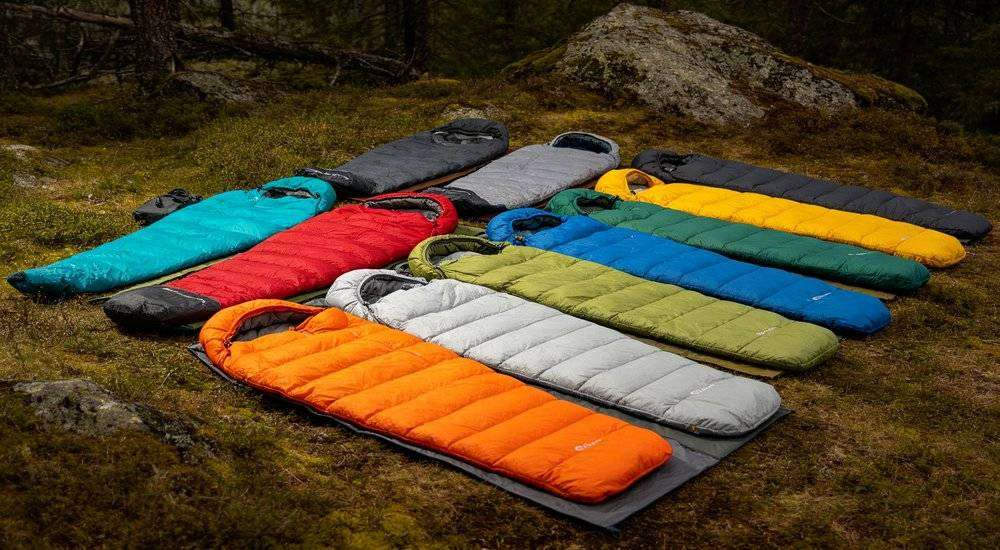
For buyers comparing sleeping bag wholesale options, understanding the full specification vocabulary ensures accurate quotations. A sleeping bag bulk order should clearly state whether OEM sleeping bags are required, including custom logo sleeping bags with private label packaging. Fill material should specify hollow fiber sleeping bag construction, and quality standards should reference ISO sleeping bag certification along with BSCI audit reports.
For disaster relief sleeping bag programs, durability and packing density are critical evaluation factors. Military sleeping bag configurations may require additional flame retardant treatment and camouflage fabric options. Every sleeping bag storage bag should be breathable for long-term reserve, and a sleeping bag liner can be added for increased hygiene in high-turnover shelter environments.
Przyjazne linki :
prawa autorskie © Custom Disaster - Relief Bedding: Tents, Sleeping Bags, Blankets Wszelkie prawa zastrzeżone
profesjonalny zespół do obsługi !