Kategorie
There are about 1,500 active volcanoes on Earth, and about 50 erupt each year, according to the USGS Volcano Hazards Program. The WHO volcanic hazards fact sheet warns that fine ash can cause serious respiratory problems, especially for children and people with asthma. When a volcano erupts, it doesn't just spew lava—it sends ash plumes 10-20 miles into the sky that drift hundreds of miles, covering towns in fine, toxic ash. That's why every community near an active volcano needs a volcano emergency kit ready before the eruption warning comes.
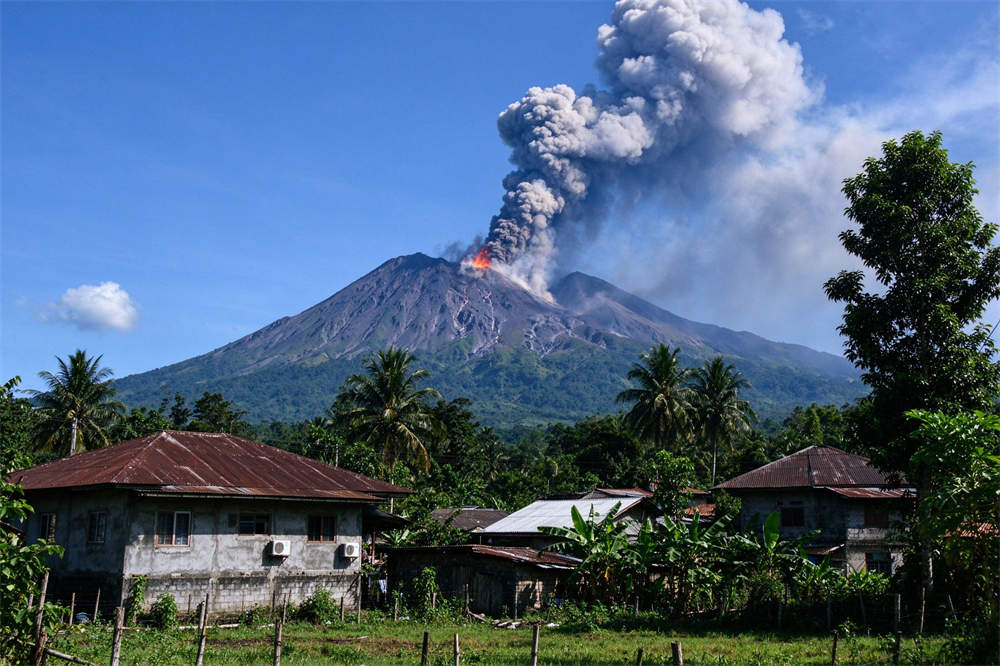
Table of Contents
1. Why Volcano Preparedness Matters
2. Volcanic Hazards You Need to Prepare For
3. Volcano Emergency Kit Essentials
4. Ash Fall Protection: The #1 Concern
5. Evacuation & Shelter Supplies
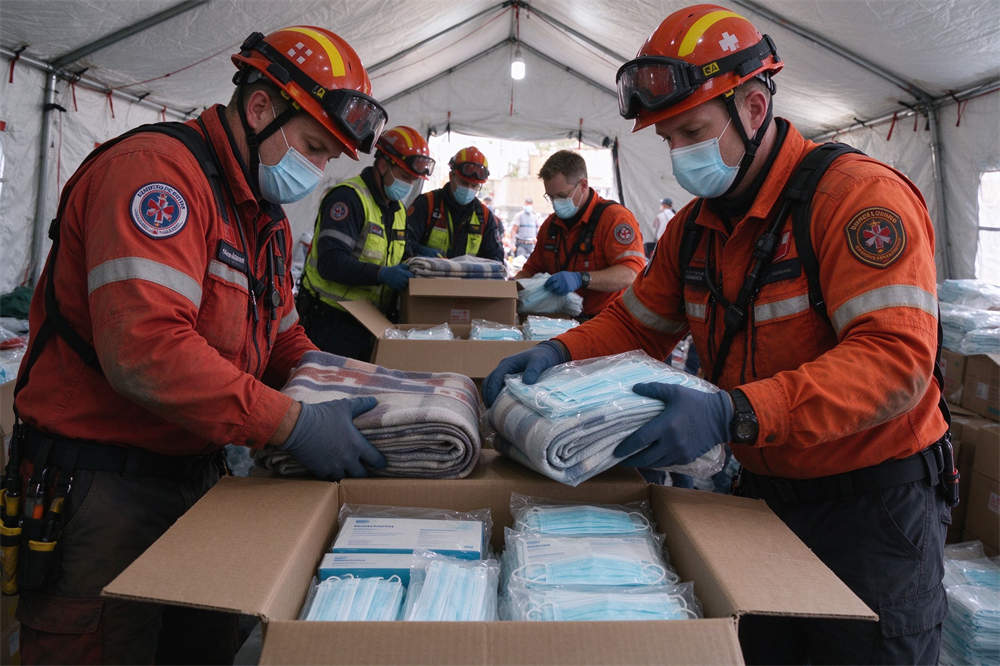
6. Rescue Team & Community Supplies
7. Common Volcano Prep Mistakes
8. Storage & Rotation
9. How to Choose a Supplier
10. Our Quality Promise
11. Final Thoughts
12.FAQ
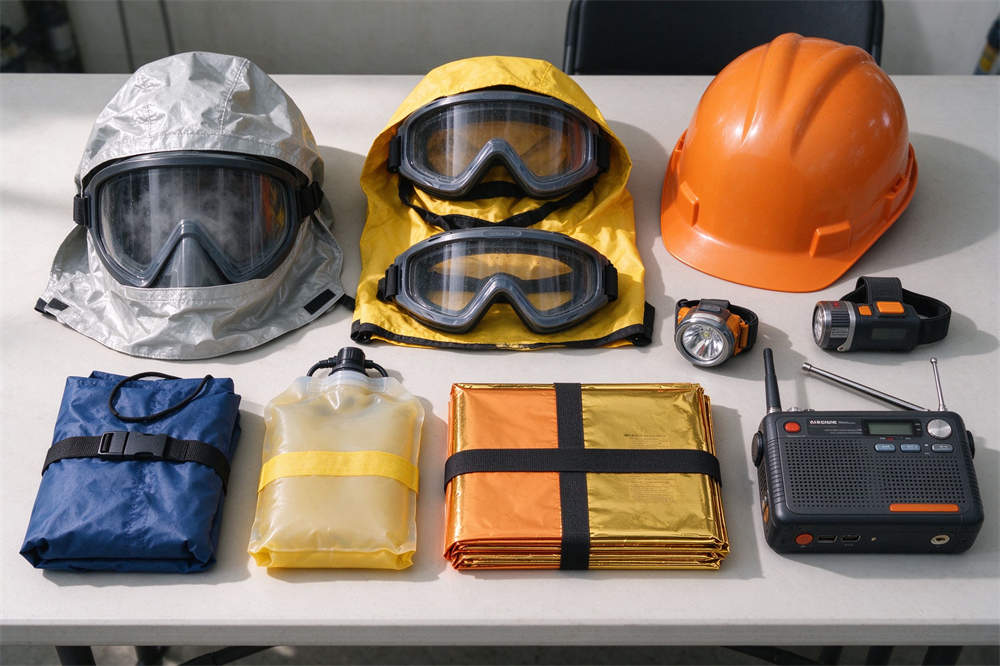
Volcanic eruptions are predictable—usually. Scientists give weeks or months of warning before a major eruption. But when it happens, it happens fast: ash falls for days, power goes out, water gets contaminated, roads get closed, and you might be stuck at home or in a shelter for a week or more.
The Ready.gov volcano preparedness guide recommends every household within 100 miles of an active volcano have a 14-day emergency kit. Ash fall doesn't just mess up your house—it clogs engines, kills crops, makes it hard to breathe, and can collapse roofs. The ash is fine, glassy, and toxic—bad for your lungs, bad for your car, bad for your house. That's why proper ash fall survival planning is non-negotiable for anyone living in a volcanic zone.
Whether you live near a volcano, work on a mountain, or are part of a community emergency response team, having the right volcanic eruption preparedness supplies ready means you don't have to run to the store when the ash starts falling.
Pro Tip: Ash fall can last for days or even weeks. You need enough supplies to stay home and sealed up for at least 14 days. Don't wait until the ash is falling to buy supplies—every store within 200 miles will be sold out within hours.
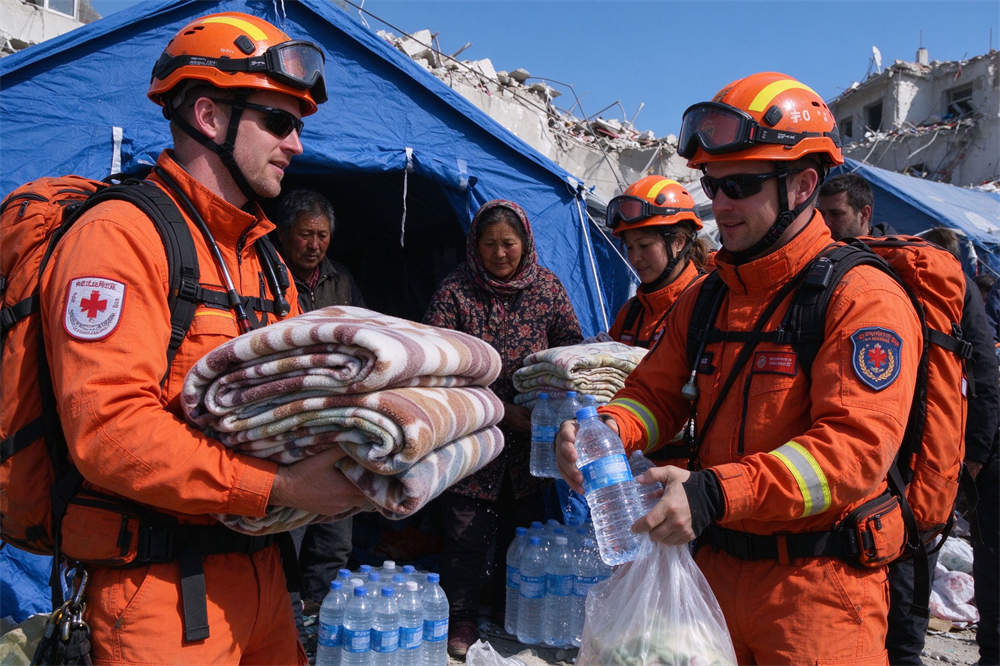
Volcanoes don't just send lava. They send all kinds of dangerous stuff:
Most people who live near volcanoes don't have to worry about lava or pyroclastic flows—they have to worry about ash fall. That's what your ash fall survival kit should focus on: breathing protection, sealing up your house, and staying comfortable while you wait for the ash to clear. Good ash fall survival preparation means you don't have to run to the store when the ash starts falling.
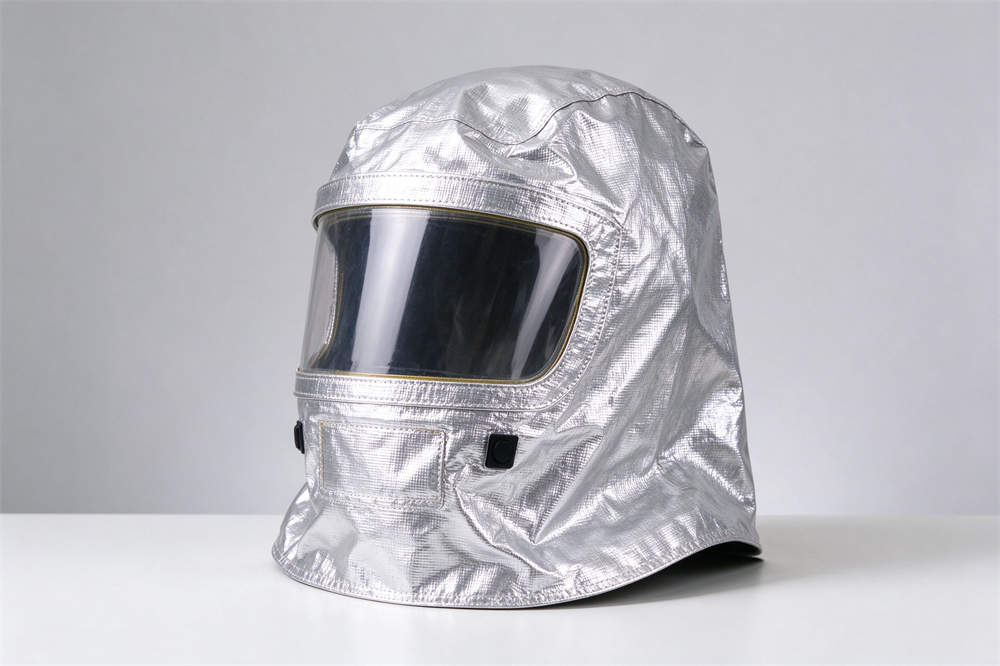
Here's what every volcanic safety supplies kit should have, broken down by category. We're focusing on what actually helps during an ash fall event—not the gimmicky stuff.
Volcanic ash is fine, glassy, and bad for your lungs. Breathing it in is like breathing in tiny glass shards. You need protection:
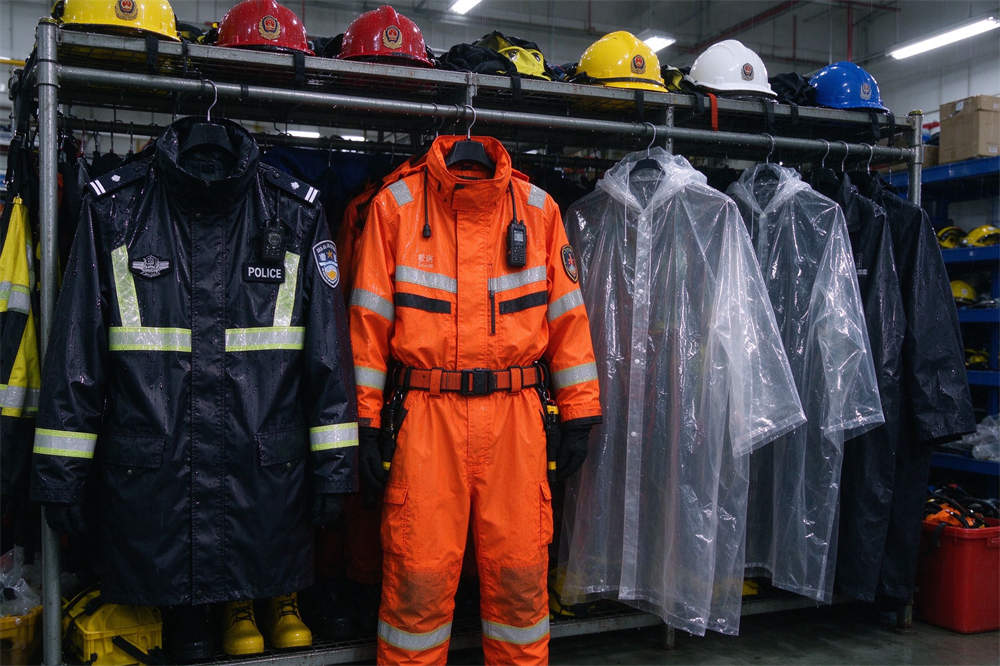
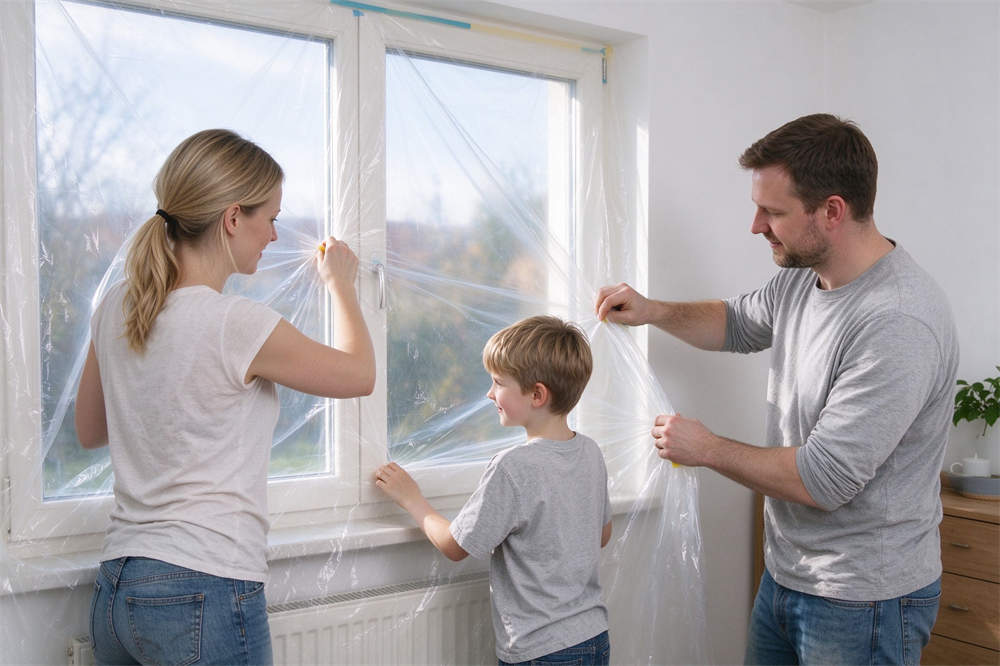
When ash is falling, you seal up your house and stay inside. You need supplies to seal it up:
|
Category |
Essential Items |
Why You Need It |
|
Breathing Protection |
EN403 smoke hoods, goggles, gloves |
Keep ash out of your lungs and eyes |
|
Home Sealing |
Plastic sheeting, tape, wet wipes |
Keep ash out of your house |
|
Warmth & Comfort |
Blankets, sleeping bags, rain gear |
Stay comfortable when power is out |
|
Light & Power |
Headlamps, hand-crank radio, power bank |
Power goes out during ash fall |
|
Water & First Aid |
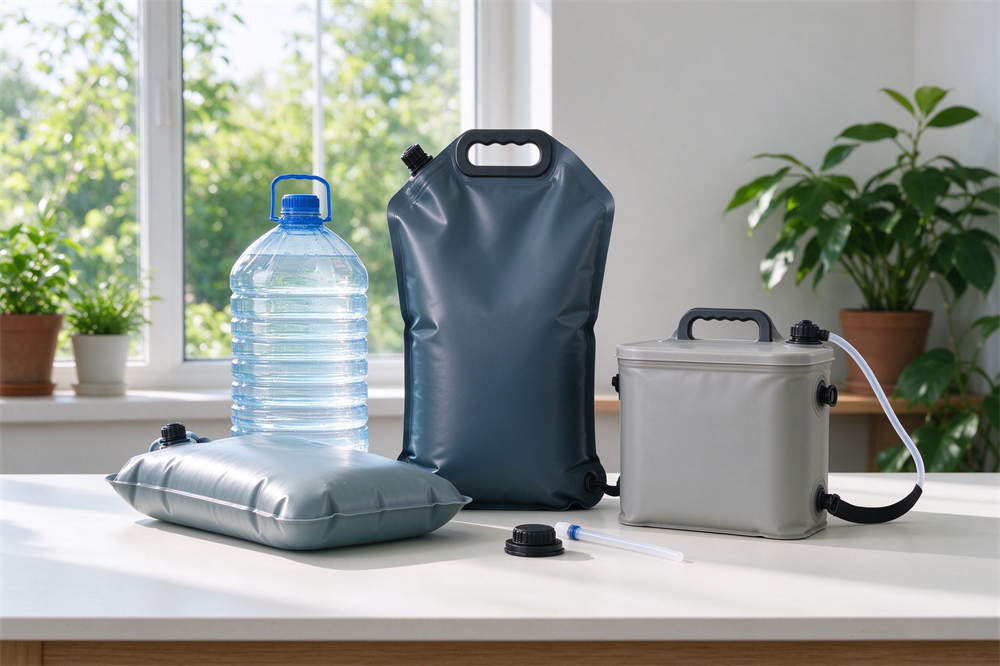
Foldable water tanks, first aid kit |
Water supply gets contaminated |
Above: Summary of core items in a complete volcano emergency kit for households and communities near active volcanoes.
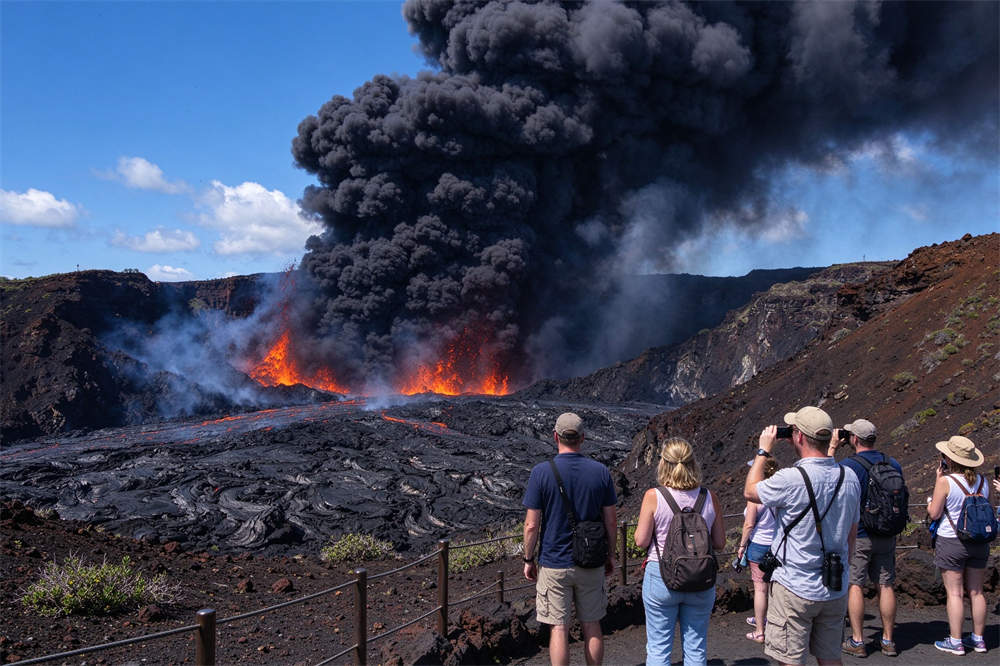
Ash fall is the biggest volcanic hazard for most people. It's not like regular dust—it's fine, abrasive, glassy, and toxic. Here's how to protect yourself:
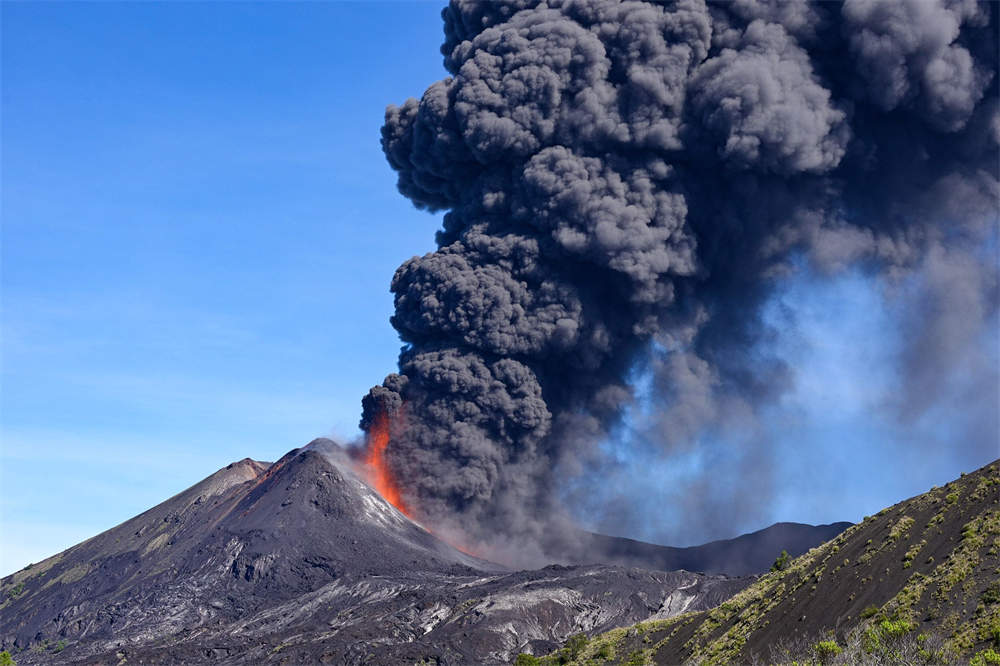
Don't wear contact lenses during ash fall. Ash gets under your contacts and scratches your corneas. Wear glasses or goggles instead. And don't try to clean ash off your face with your hands—wash it off with water.
Some volcanic eruptions in history show just how important preparation is:
The Pinatubo eruption is the model for what good preparation looks like. Scientists saw it coming, officials evacuated, and thousands of lives were saved. But even with warning, people who didn't have emergency kits suffered more. Ash fell for days, power went out, water got contaminated, and people who had supplies on hand were much better off.
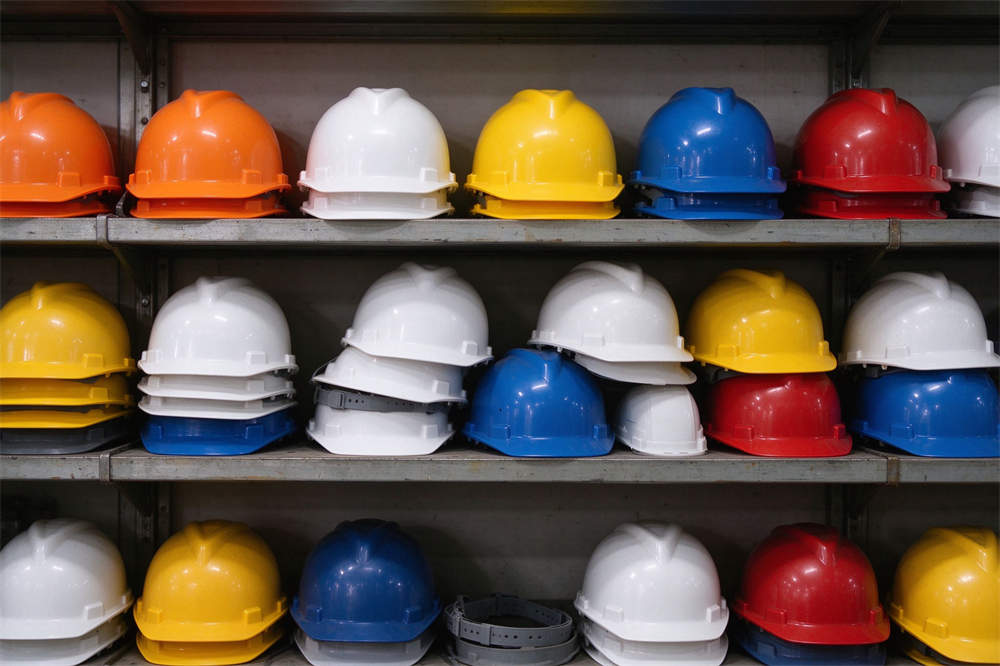
Ash is terrible for cars. It gets in the engine air filter and clogs it. It scratches your paint and your windows. It gets in your brakes and makes them slip. Here's what you need to know:
|
Amount of Ash |
Weight per Square Foot |
What Happens |
|
1 inch |
2-3 pounds |
Annoying, messy, but no structural risk |
|
3 inches |
6-9 pounds |
Start raking it off—roofs can handle it, but don't let it build up |
|
6 inches |
10-15 pounds |
Roof collapse risk—rake immediately |
|
12 inches |
20-30 pounds |
Major roof collapse risk—evacuate if you haven't already |
Above: How heavy volcanic ash gets. This is why you need to rake it off your roof regularly—it gets heavy fast.
Not everyone is affected the same way by volcanic ash. The WHO says these groups are most at risk:
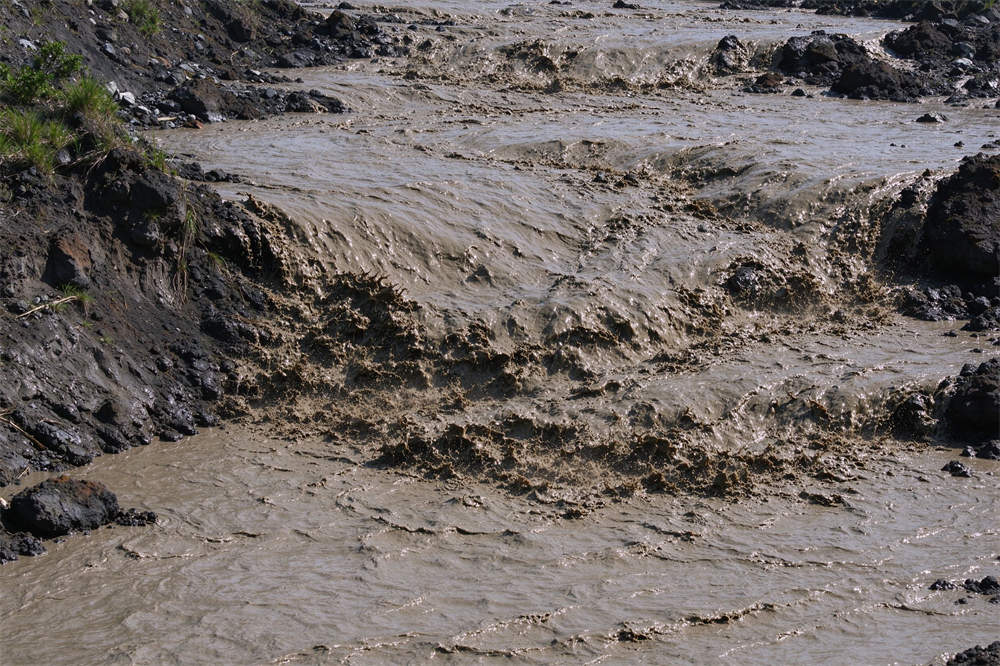
If officials tell you to evacuate, you need to be ready to go in 10 minutes. Here's what to have packed and ready:
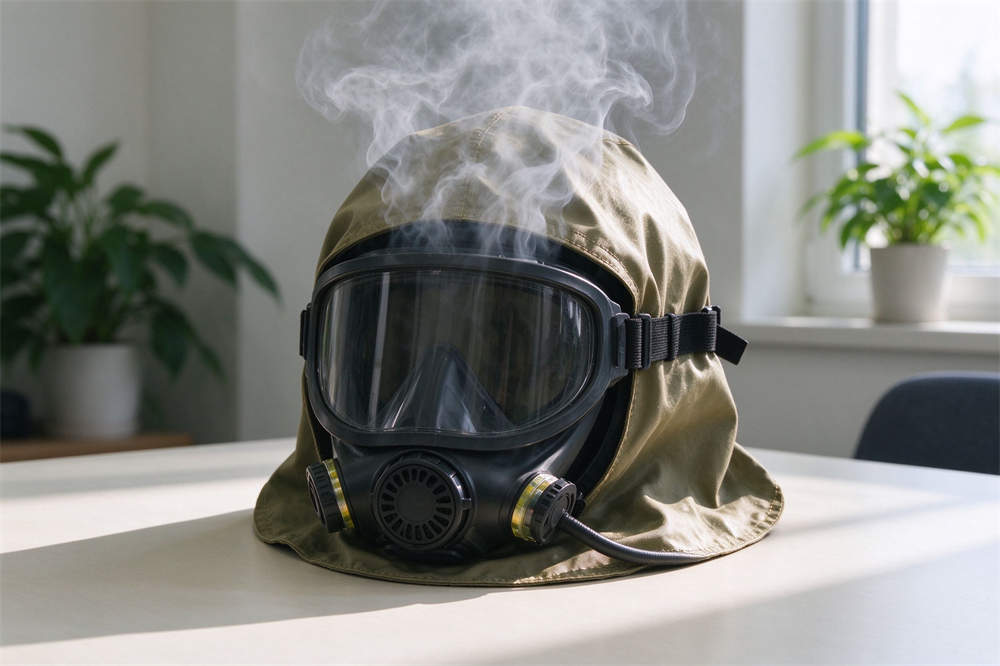
Volcanic eruptions don't just affect households—they affect whole communities. We supply volcanic eruption response equipment to:
Here's what rescue teams typically order from us:
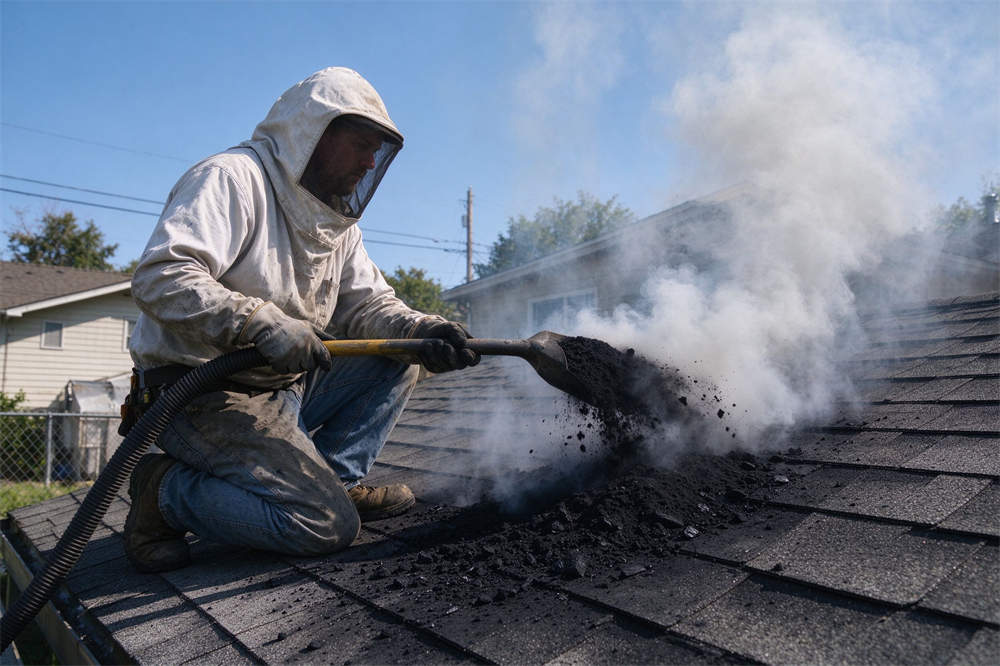
|
Volcanic Phase |
What Happens |
What You Need |
|
Pre-eruption warning |
Seismic activity, scientists warn |
Check your kit, stock up supplies |
|
Ash fall begins |
Ash starts falling, power goes out |
Seal house, PPE, stay inside |
|
Evacuation order |
Authorities tell you to leave |
Go-bag, blankets, water, first aid |
|
Shelter in place |
Staying in a shelter for days/weeks |
Cots, sleeping bags, food, water |
|
Cleanup phase |
Return home, clean ash |
PPE, gloves, goggles, rain gear |
Above: Different phases of a volcanic eruption require different volcanic safety supplies. We cover every phase.
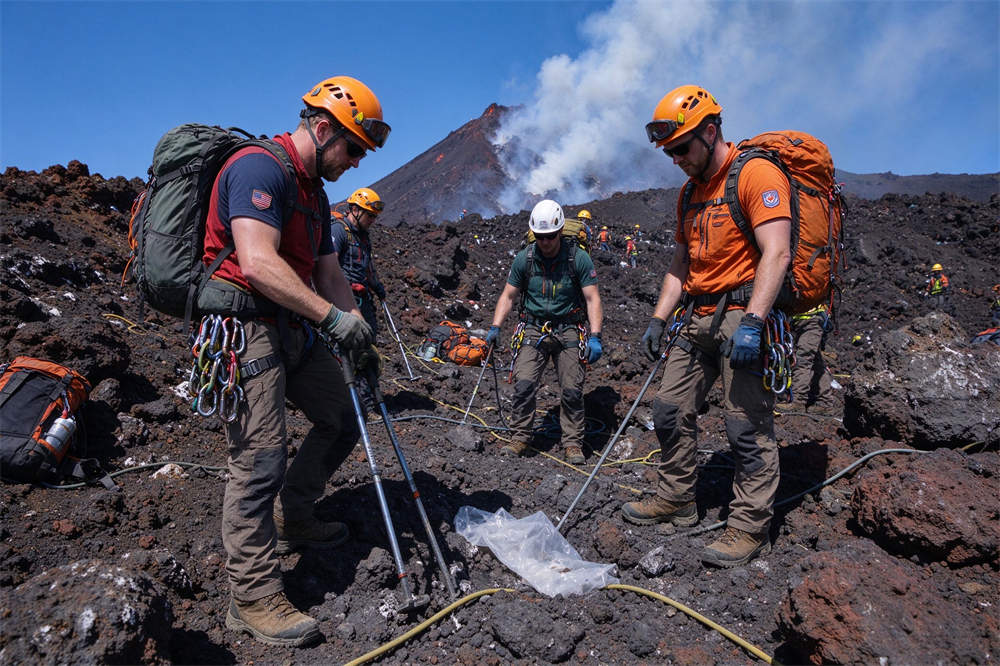
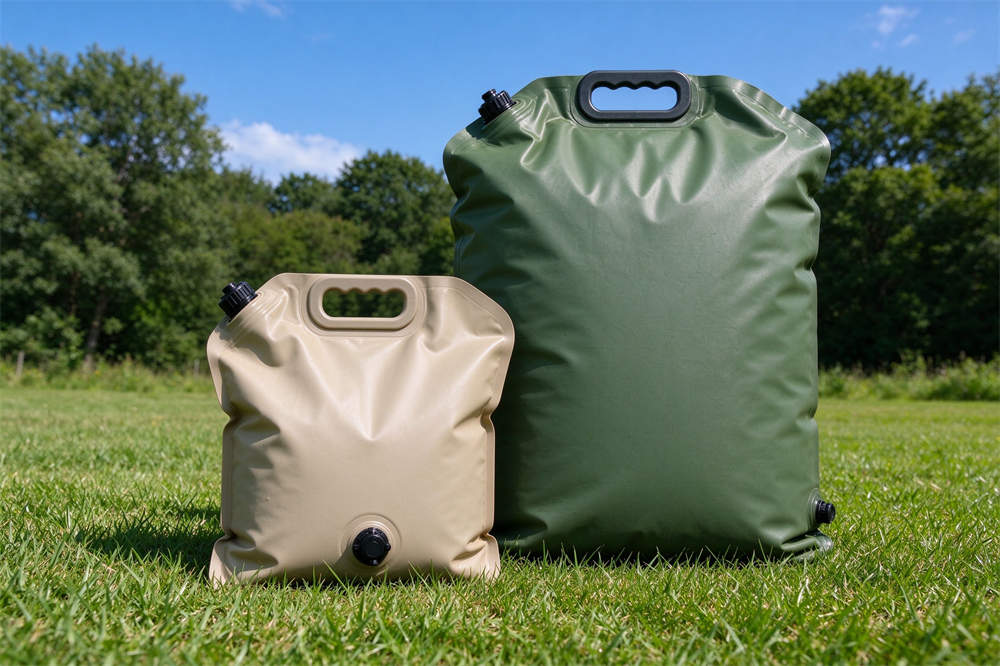
When volcanic ash contaminates water supplies, communities need large-scale water storage fast. We supply foldable water tanks in sizes from 20L to 5000L:
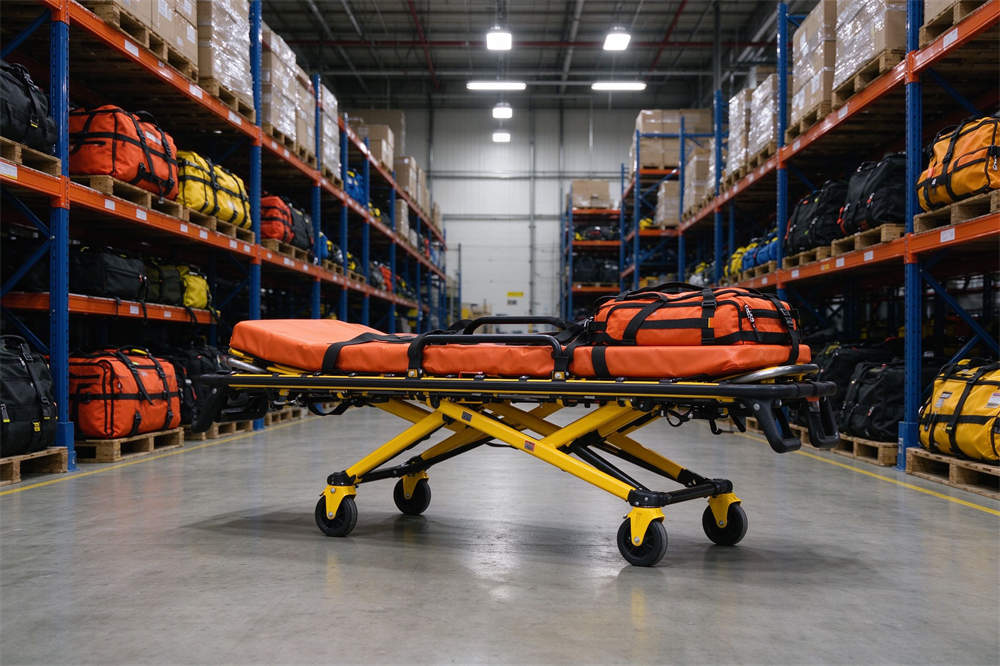
During volcanic evacuations, rescue teams need equipment to move people who can't walk on their own:
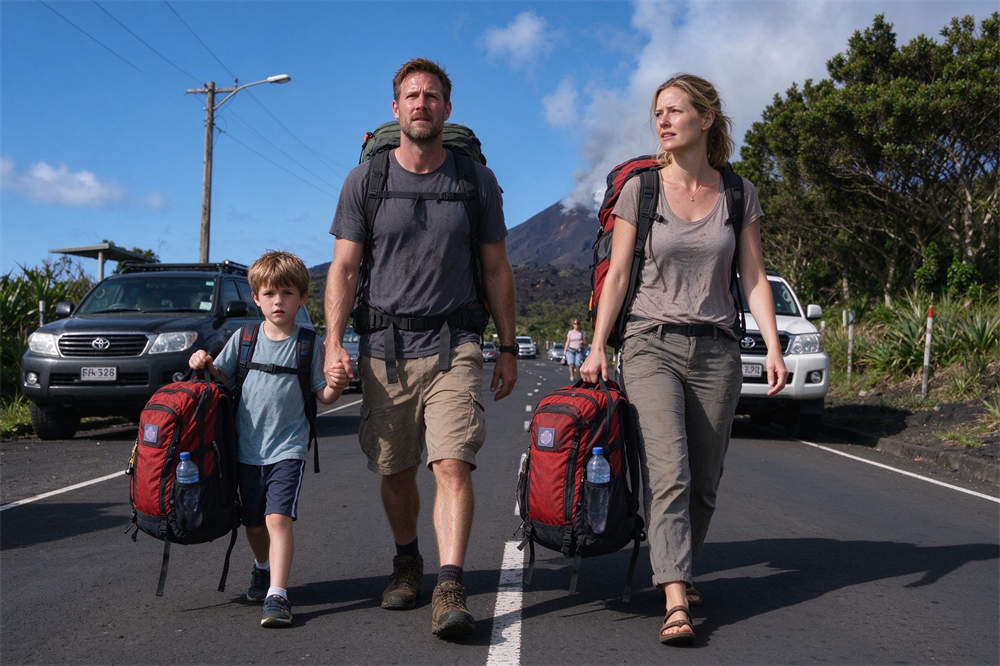
After years of supplying volcanic disaster response gear, we see the same mistakes over and over. Don't make these:
This is the biggest one. When the volcano erupts, everyone runs to the store at the same time. Masks sell out in hours. Goggles sell out in hours. Water sells out in hours. Buy your kit now, when you don't need it. Store it, check it once a year, and be ready.
Regular paper dust masks don't block fine volcanic ash. It's too fine—it goes right through. You need proper respiratory protection. Our EN403 smoke hoods filter out 99.97% of particulates—perfect for ash fall.
Ash gets in your eyes and scratches your corneas. Regular eyeglasses don't seal—ash gets in from the sides. You need sealed goggles. And don't wear contacts—ash gets under them and causes serious damage.
Ash gets heavy. 6 inches of ash weighs 10-15 pounds per square foot. That's enough to collapse your roof. When ash is falling, you need to rake it off regularly. Wear your PPE when you do it.
Ash clogs car engines. It gets in the air filter and destroys the engine. It also makes roads super slippery. Don't drive unless officials tell you to evacuate. Stay inside.
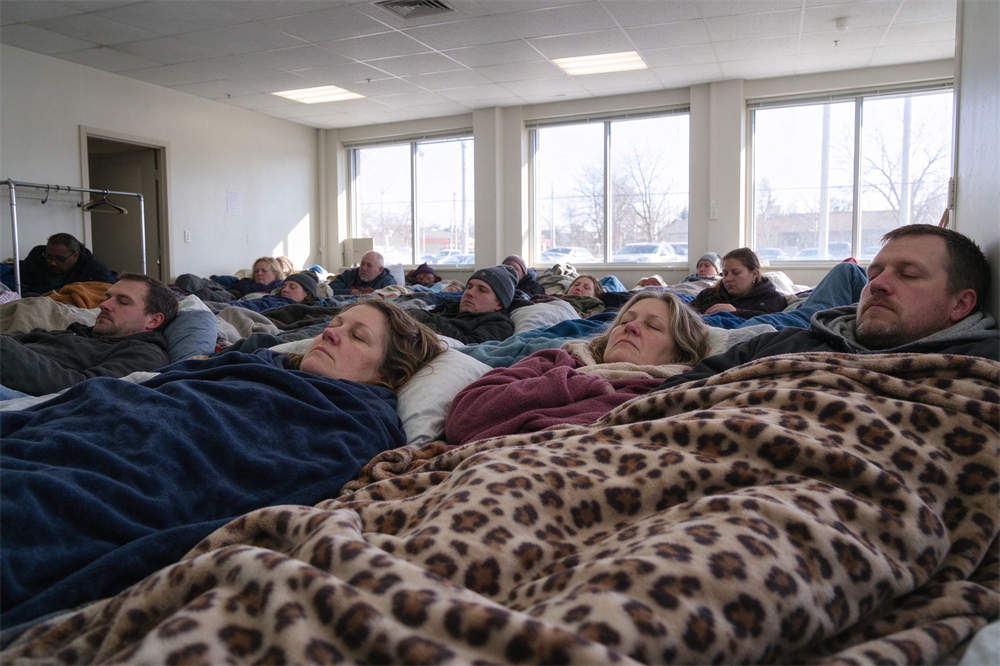
Volcanoes might not erupt for decades. Your kit needs to last in storage until you need it. Here's how:
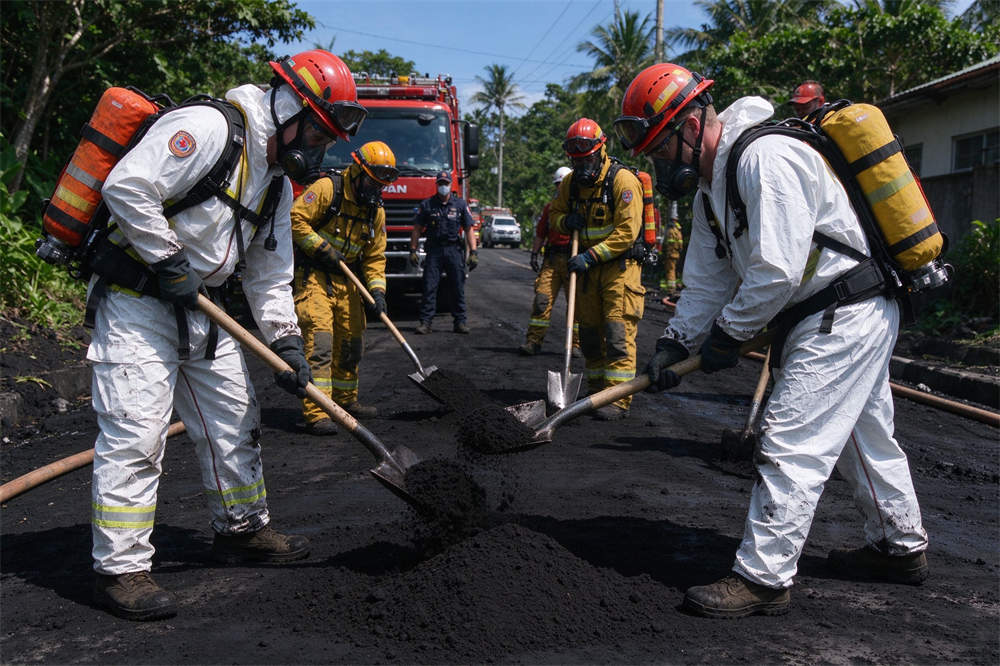
There are a lot of companies selling emergency gear online. Here's what to look for:
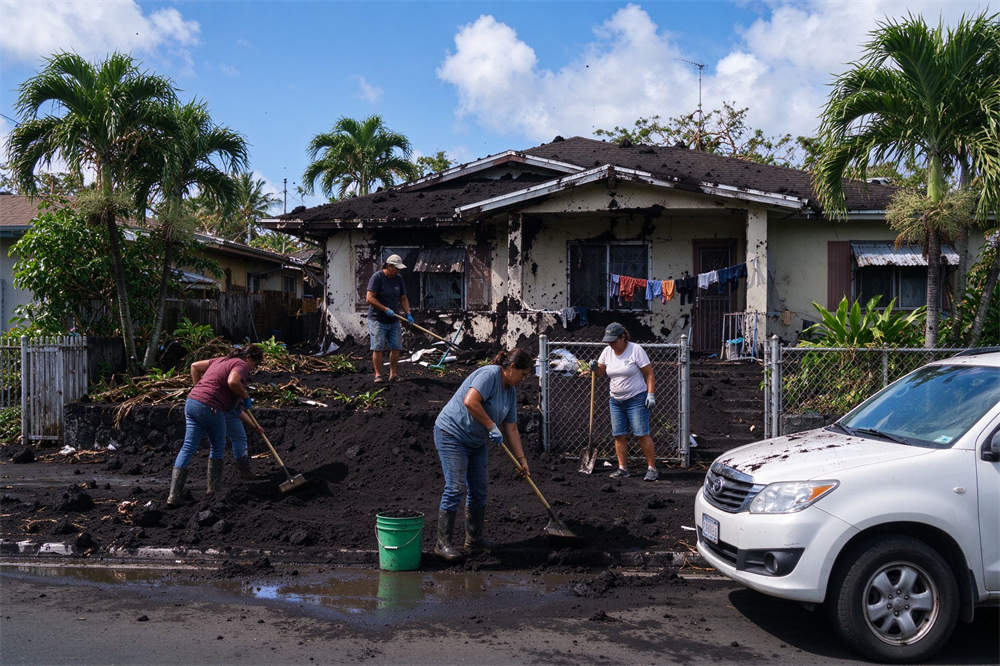
We don't sell the cheapest volcano emergency gear. We sell the most reliable gear. When the ash is falling and your family's health is on the line, cheap isn't a bargain.
The volcano will erupt when it erupts. It won't send you an email reminder. It won't wait for you to be ready. One day it's quiet, the next day ash is falling from the sky. The question is: when it does, will you be ready?
Will you have a smoke hood to protect your lungs? Will you have goggles to protect your eyes? Will you have blankets to keep your family warm when the power goes out? Will you have water stored when the water supply gets contaminated?
That's what a volcano emergency kit is for. It's not about being scared. It's about being prepared. It's about knowing that when the ash starts falling, you can seal up your house, put on your PPE, and rest easy knowing you have everything you need.
As a leading supplier of emergency preparedness equipment globally, we supply volcanic eruption response supplies to:
Don't wait until the ash is falling to buy your gear. Every person in a volcanic zone thinks "it won't erupt while I'm here." Until it does. Get your kit today. Store it by the door. Check it once a year. Then you can relax, knowing you're ready.
Every year, volcanic eruptions displace millions of people around the world. Don't be one of the unprepared.
A: Stay inside as much as possible. If you have to go outside, wear proper respiratory protection—our EN403 smoke hoods filter out 99.97% of fine particulates. Regular paper masks don't work.
A: It depends on the eruption and wind direction. Usually a few days to a week. Major eruptions can have ash fall for weeks. That's why you need a 14-day supply of everything.
A: We do! We supply bulk ash fall response PPE, shelter supplies, and communication gear to fire departments, NGOs, and government agencies worldwide.
A: Respiratory protection. Volcanic ash is fine, glassy, and toxic—breathing it in damages your lungs permanently. A proper smoke hood or respirator is more important than anything else.
A: Yes! It clogs engines, scratches windows, ruins electronics, and gets heavy enough to collapse roofs. You need to seal your house and rake ash off your roof regularly.
A: All products are CE certified, FDA registered, ISO 9001 quality system, and RoHS compliant. Smoke hoods meet EN403, hard hats meet EN397, fire blankets meet EN1869. Full documentation with every order.
A: Listen to local officials. If they tell you to evacuate, go immediately. If they tell you to shelter in place, seal up your house and stay inside. Don't make your own decision—volcanic hazards change fast.
A: Wear PPE: smoke hood, goggles, gloves, long sleeves. Wet the ash down first (dry ash is toxic when you stir it up). Rake it off the roof, hose down surfaces, don't use your house vacuum—it'll blow fine ash right through the filter.
A: In-stock items ship in 3-7 days via air express. Custom or bulk orders take 15-30 days for production plus shipping. We ship worldwide from our China factory.
A: No! Ash clogs car engines and makes roads slippery. Stay inside unless officials tell you to evacuate. If you have to drive, keep your windows up, recirculate air, and drive slow.
A: You need sealed goggles. Regular eyeglasses don't seal—ash gets in from the sides and scratches your corneas. And don't wear contact lenses—ash gets under them and causes serious damage.
A: Flush them out with clean water immediately. Don't rub them. If it still hurts after flushing, see a doctor. Ash can cause corneal scratches that need medical attention.
A: Absolutely! Tell us how many people you're preparing for and what your budget is, and we'll build a custom kit. We do OEM and private label for distributors and large organizations.
A: Once a year, before volcano season. Test the radio, check the headlamp batteries, inspect the PPE, replace anything that's worn out. Set a phone reminder so you don't forget.
A: Yes! Ash plumes can drift hundreds of miles downwind. People hundreds of miles away can experience ash fall, breathing problems, and disrupted air travel. Even light ash fall can affect air quality for days.
A: Turn off your HVAC system immediately when ash starts falling. Close all vents. Change your air filter after the ash fall ends. Don't run your air conditioner or heater while ash is in the air—it'll pull ash right into your ductwork.
A: No! Shop vacuums don't filter fine volcanic ash—it blows right through the exhaust and into the air. Wet the ash down first, then sweep it up or hose it outside. Don't use your home vacuum either.
A: Yes! It's fine, glassy, and contains silica. Breathing it in can cause permanent lung damage, especially for people with asthma or other respiratory conditions. That's why proper respiratory protection is non-negotiable.
 |

|
Przyjazne linki :
prawa autorskie © Custom Disaster - Relief Bedding: Tents, Sleeping Bags, Blankets Wszelkie prawa zastrzeżone
profesjonalny zespół do obsługi !