When you buy bulk disaster relief blankets, the biggest risk is not just price or thickness. It is unclear specs, wrong packing, missing batch marks, or documents that do not match the goods. These problems cost much more than a slightly cheaper unit price when an emergency happens.
Ask for a Project Quote Compare Blanket Options
1. First decide: store them, or hand them out right away
Relief blankets are not used in one way. Central stockpiles sit in a warehouse for years. Pre-positioned stock sits in local warehouses for months. Field distribution goes straight to people who need it now.
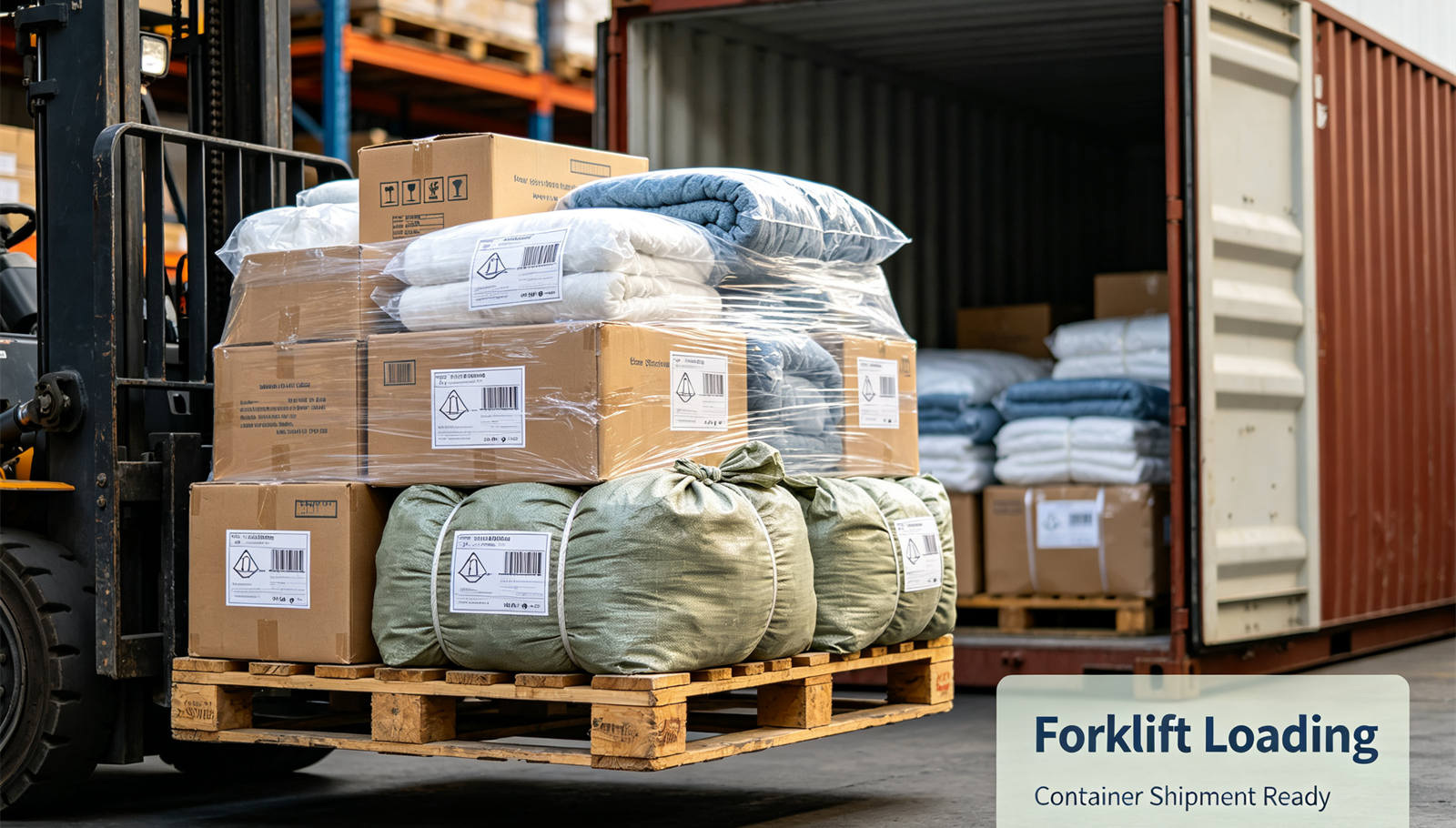
Stockpile blankets need strong, waterproof packing that stacks high and keeps mice and damp out. Field blankets need simple packing that opens fast, with big clear marks on every carton. If one order covers both uses, tell us early and we pack them separately.
2. Do not compare price only; these mistakes cost more
Photos only show what a blanket looks like. They cannot prove fiber content, weight, stitch count, or how many pieces are in a carton.
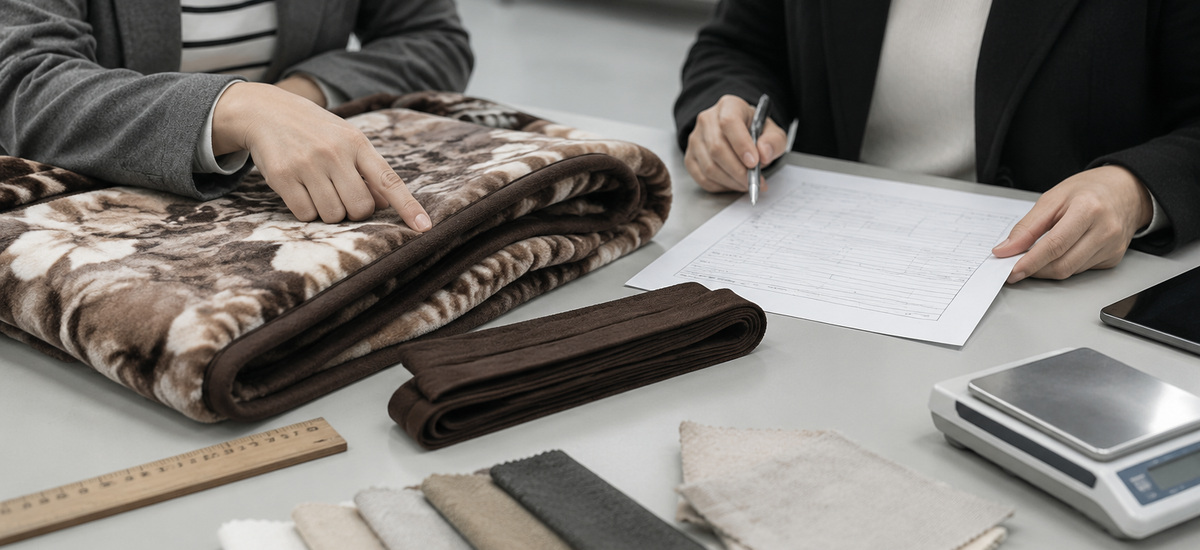
When you compare offers, compare the same size, same weight, same packing, same documents. A cheaper price may just mean a smaller blanket, thinner fabric, or weak cartons that break in transit.
3. Settle these details before you order, not after goods arrive
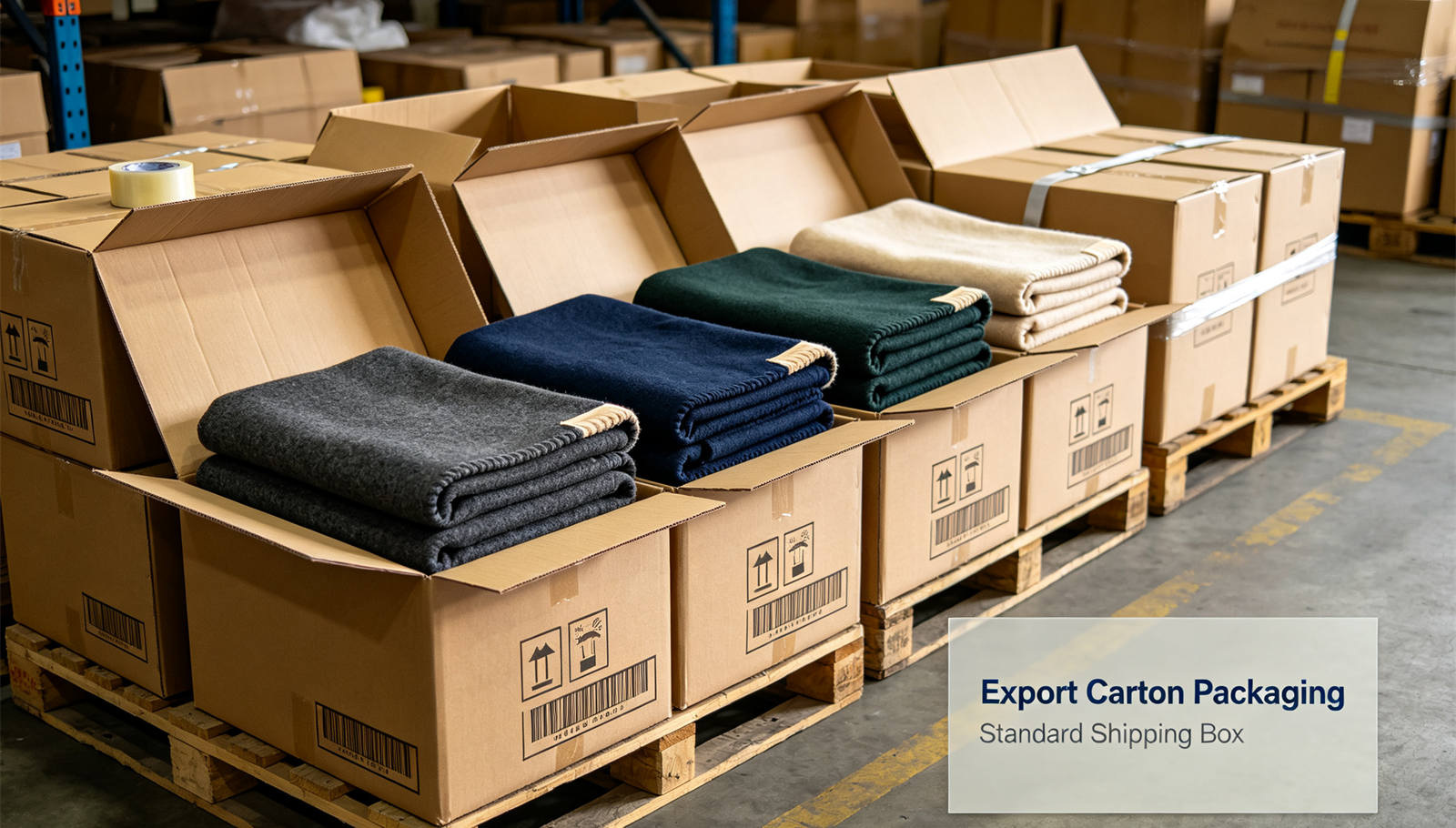
Tell us what to print on cartons (batch number, storage date, destination), how many pieces per carton, which warehouse gets what, and what documents you need.
For multi-site orders, we pack by destination and put a packing list in every carton. Every site gets exactly what it should, no mixing. If carton marks or counts are wrong, agree early whether to hold, relabel, or accept with written sign-off—no arguments when an emergency hits.
4. Government stockpiles and NGOs buy differently
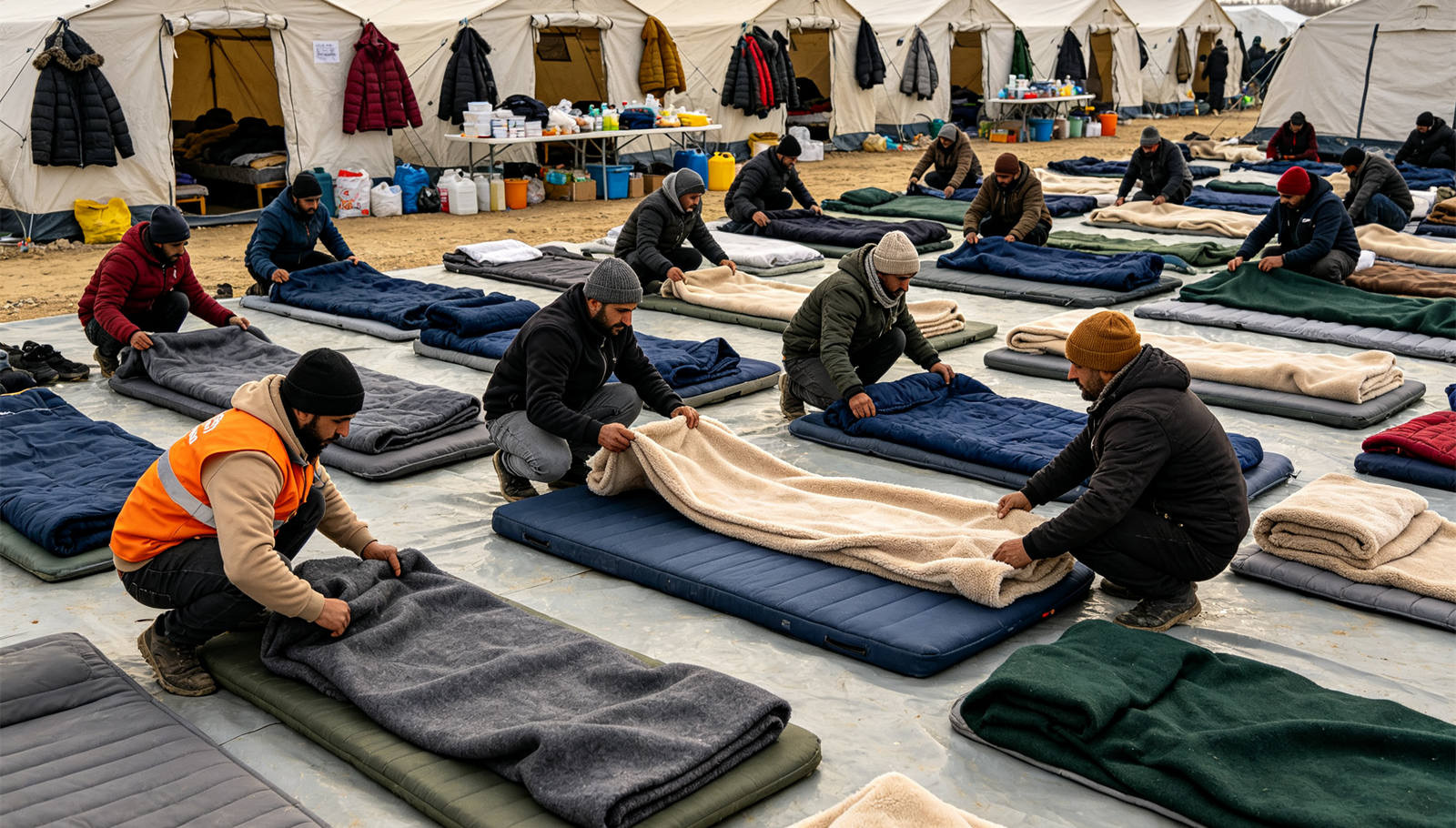
Government stockpile buyers care most about consistent batches, clear records, long storage life, and easy rotation. NGO field buyers care most about easy carrying, simple packing, big clear marks, and fast distribution.
Tell us which one you are, and we will match the specs and packing to how you actually use the blankets.
Buyers looking for blankets for relief stockpiles or emergency shelter blanket supply need a plan, not just a product. First decide which stage your project is at, how goods will be received, and what packing and documents you need.
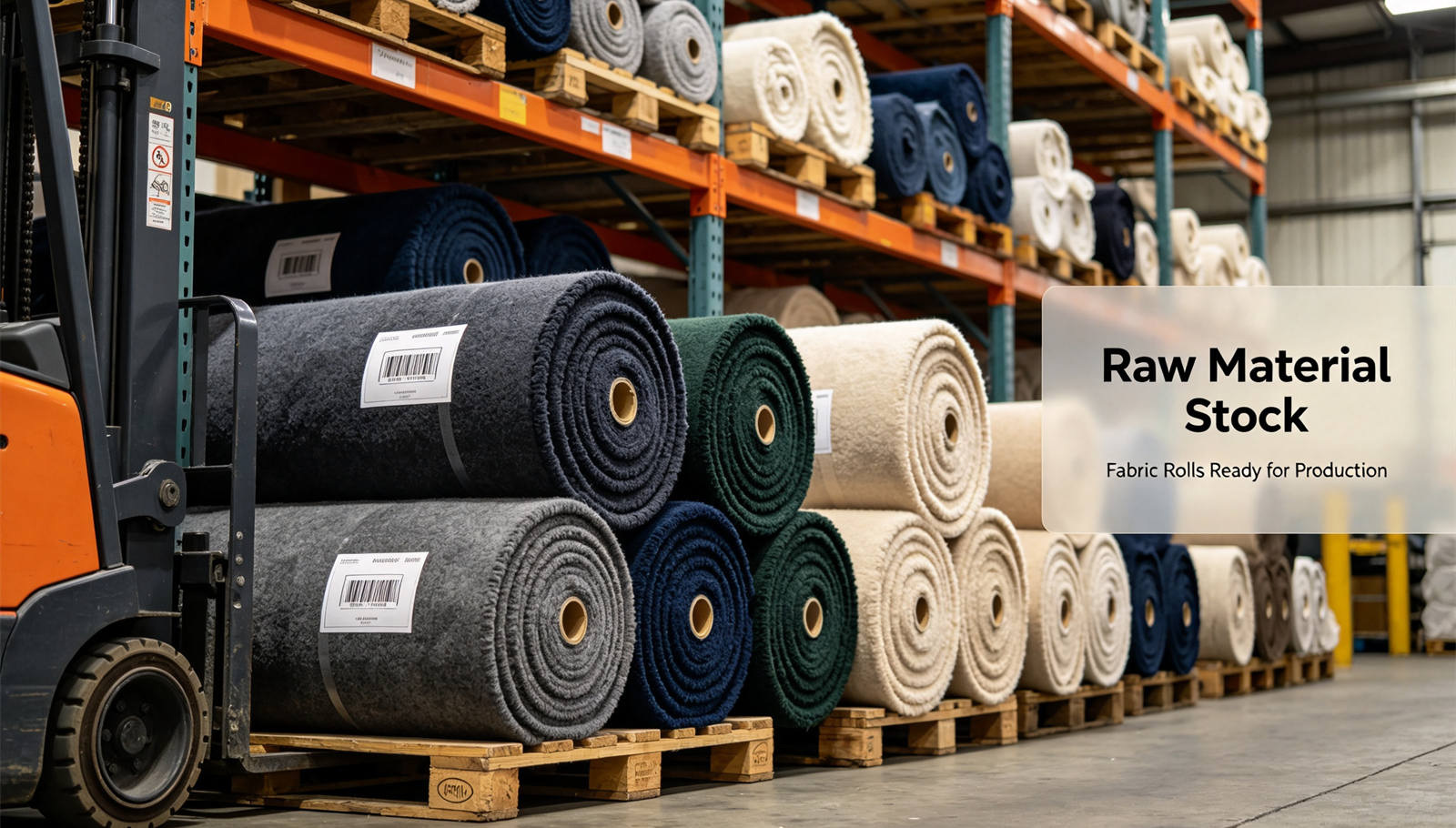
For goods that sit 1-5 years, you need consistent specs, fixed item names, strong waterproof packing, and clear batch marks for rotation. Pick the blanket type after you confirm material, size, weight, and packing.
For goods stored at city or county level for 3-12 months, you need cartons that survive moving and easy opening for quick checks.
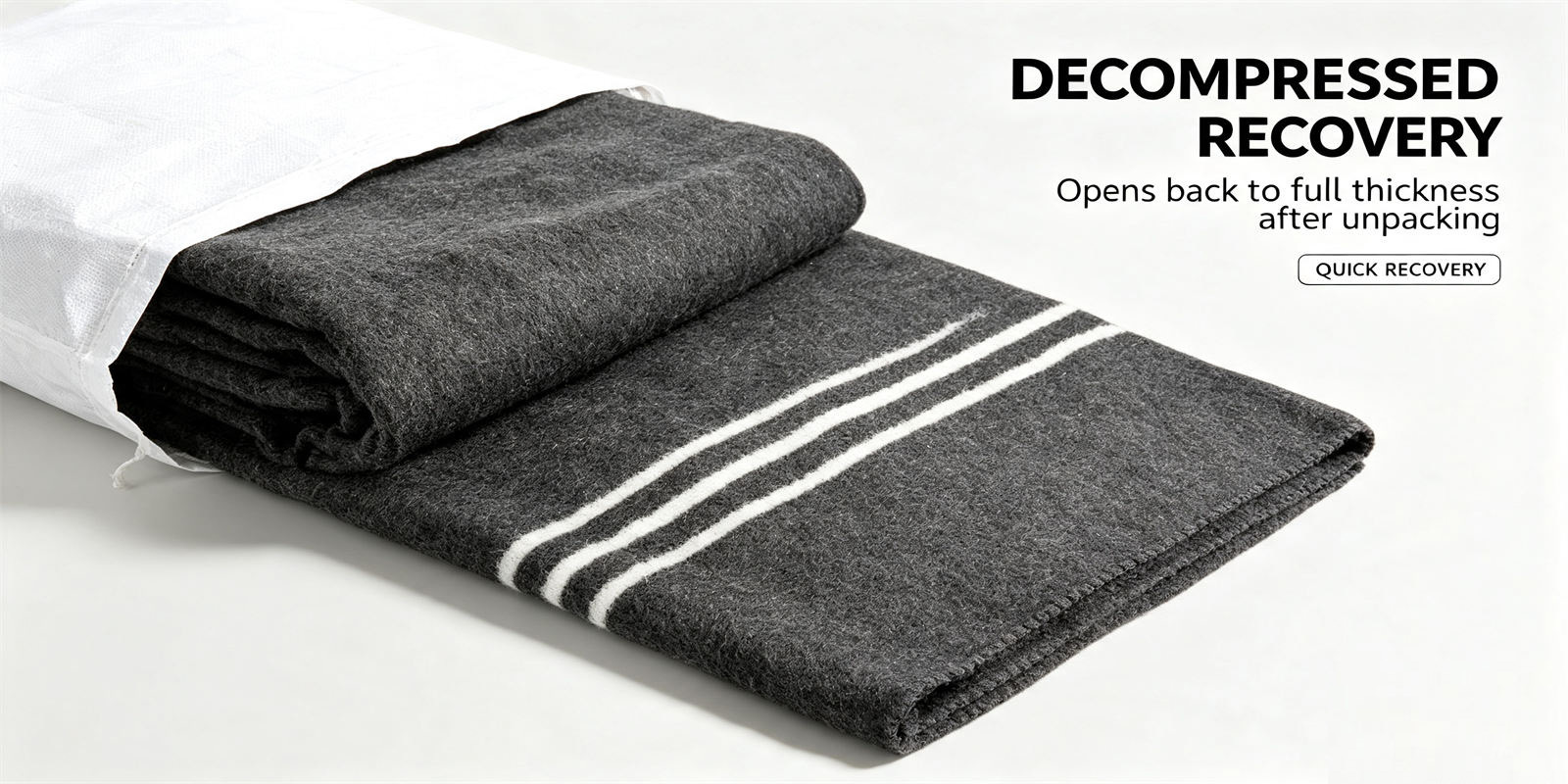
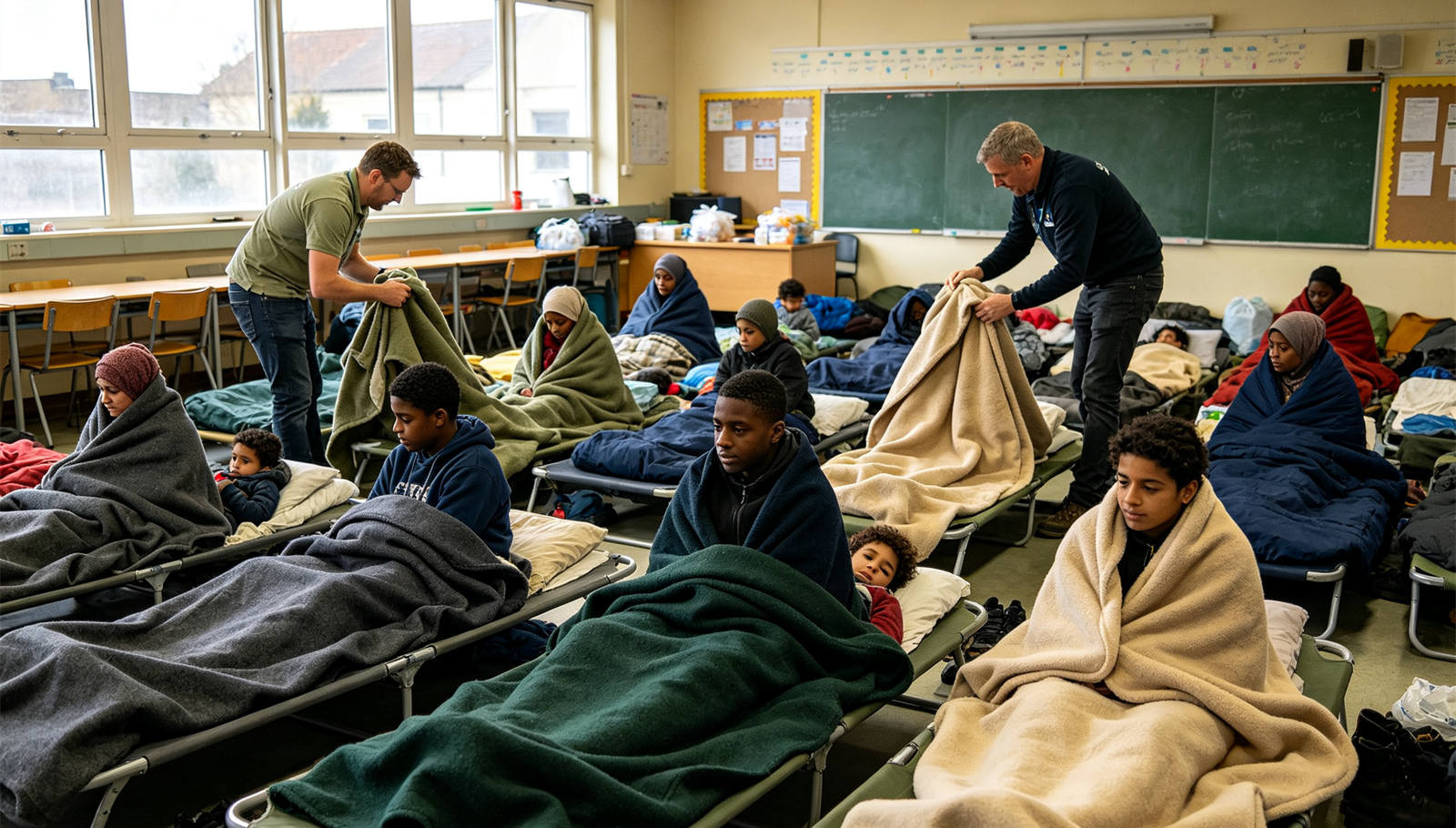
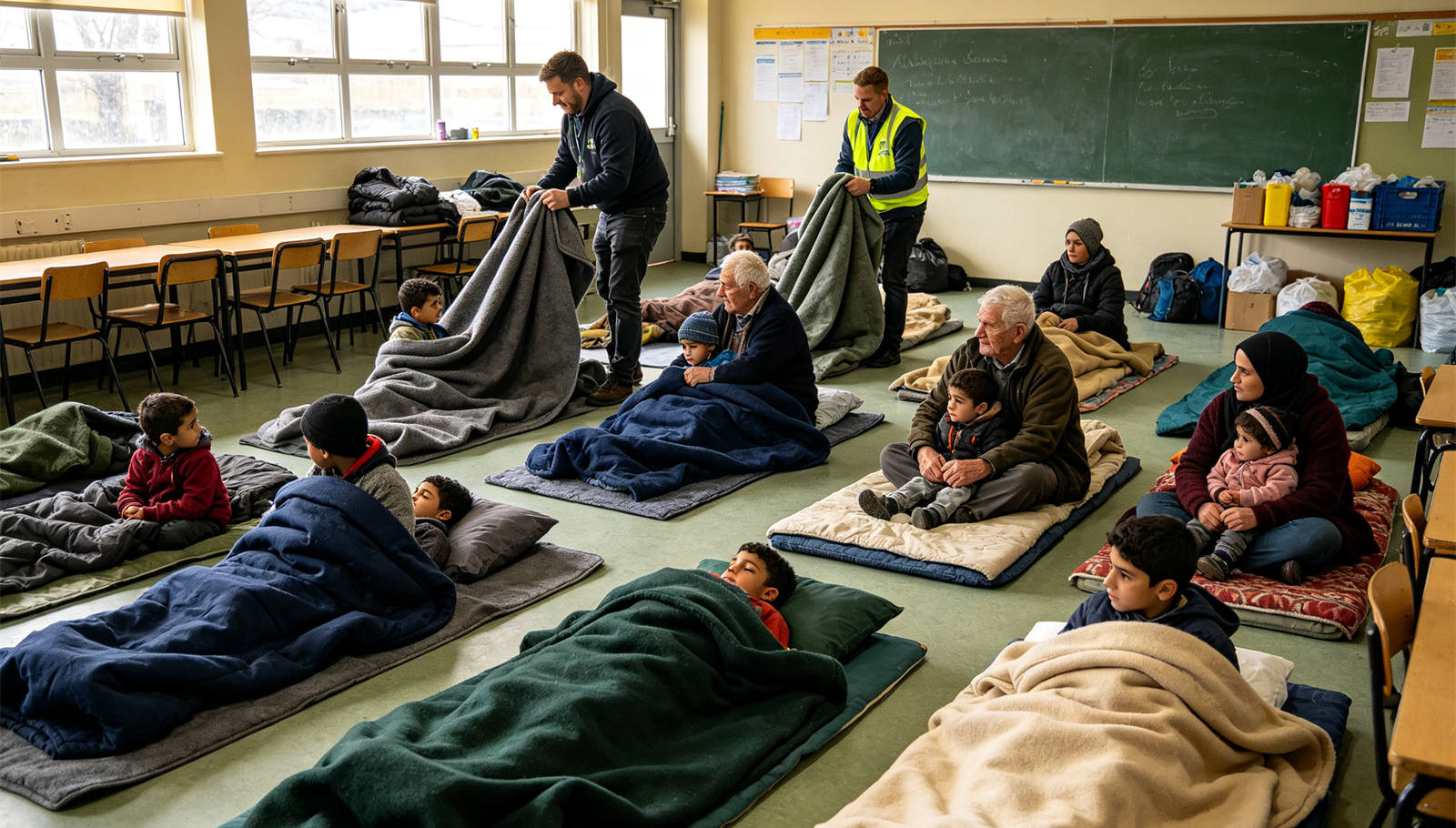
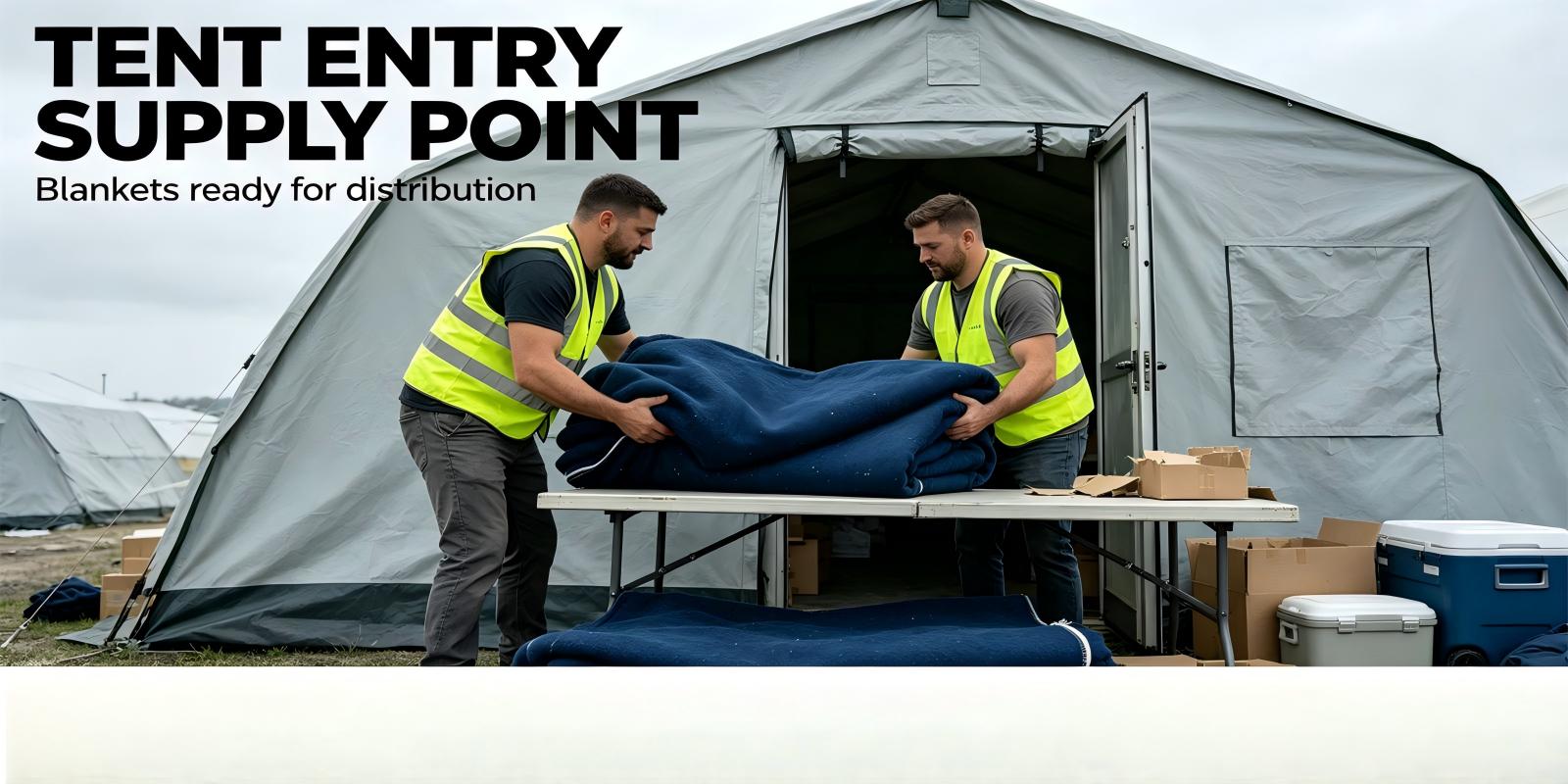
For goods that go straight to shelters or affected people, you need fast counting, simple individual packing, and no need to open full cartons to check.
The same relief blanket procurement plan can cover different stages, as long as you separate what each stage needs. Do not put unproven claims into the quote.
| Project stage | What you decide | What to confirm before quote |
|---|---|---|
| Rapid stockpile release | Pick a standard blanket type that stays the same for storage, receiving, and reorders. | Material, weight (GSM), size, color, packing, carton specs, and label format. |
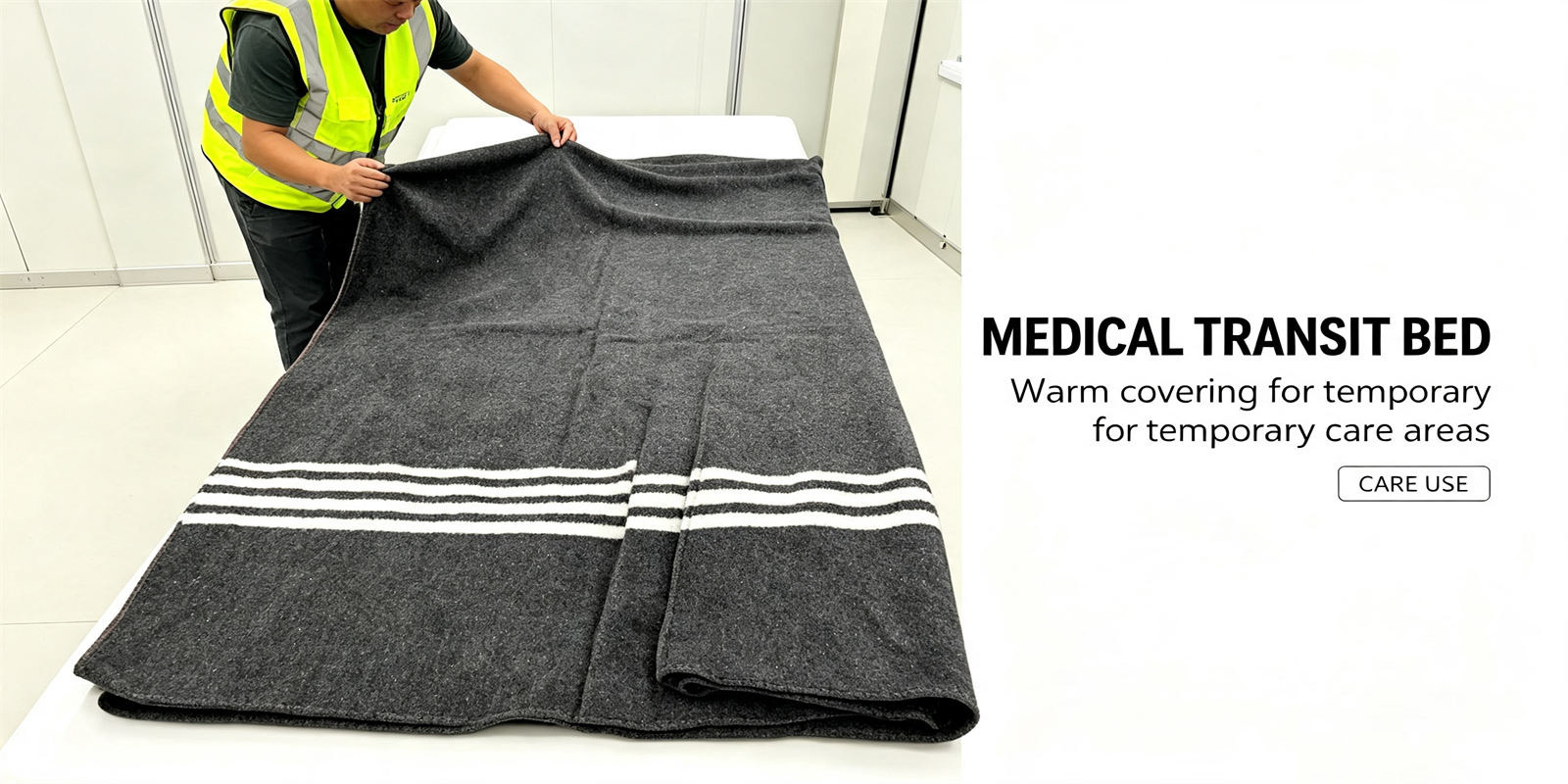
| Temporary shelter bedding | Match feel, folding size, and color to bed or cot use in shelters. | Approved sample, photos, spec sheet, packing, and required documents. |
| Field distribution | Pick a blanket that is easy to count, receive, mark, and hand out in batches. | Individual packing, carton marks, label language, item codes if needed, and batch receiving records. |
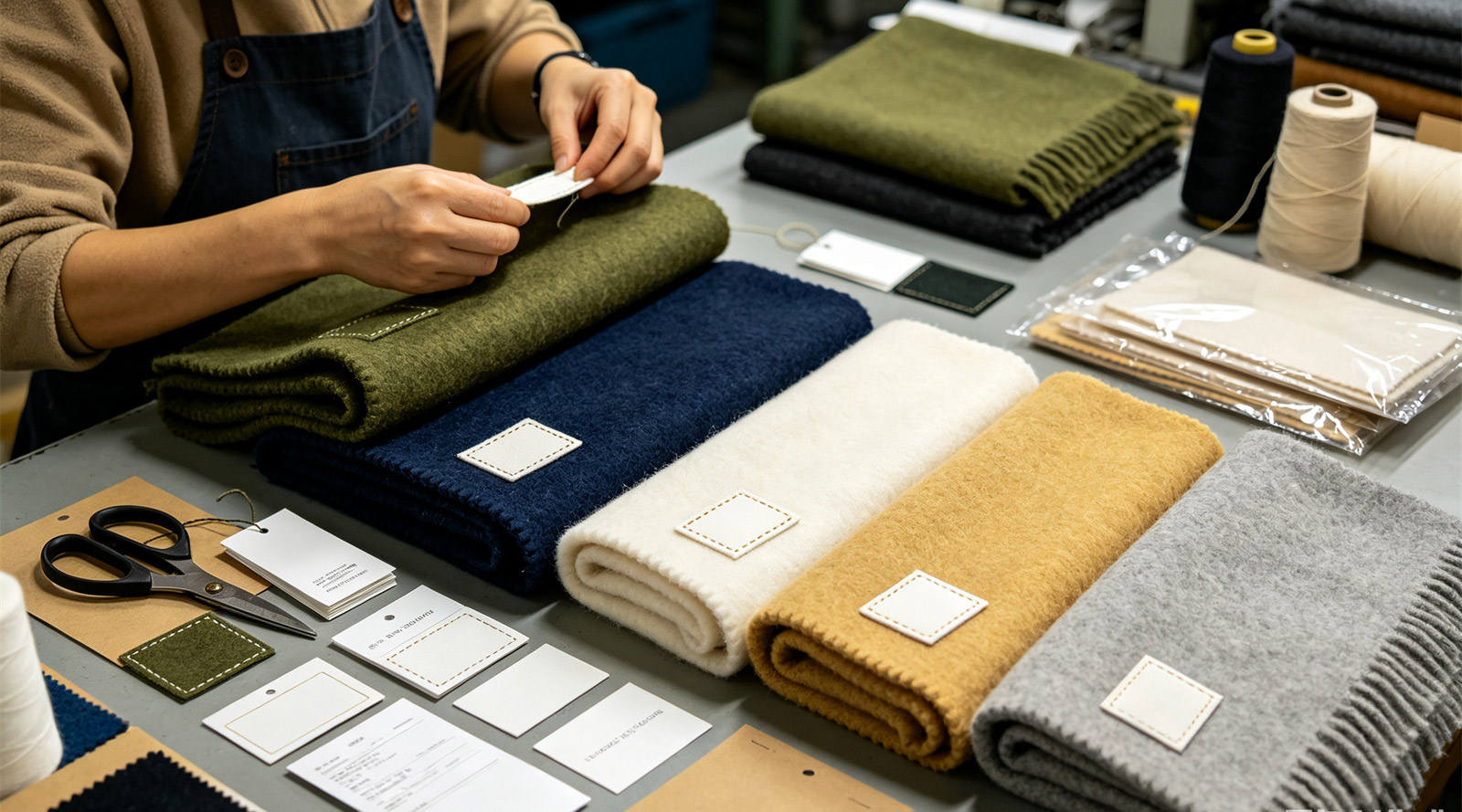
Compare the options below, then confirm material, weight, size, packing, delivery time, and documents in the written quote. See product pages for full details.
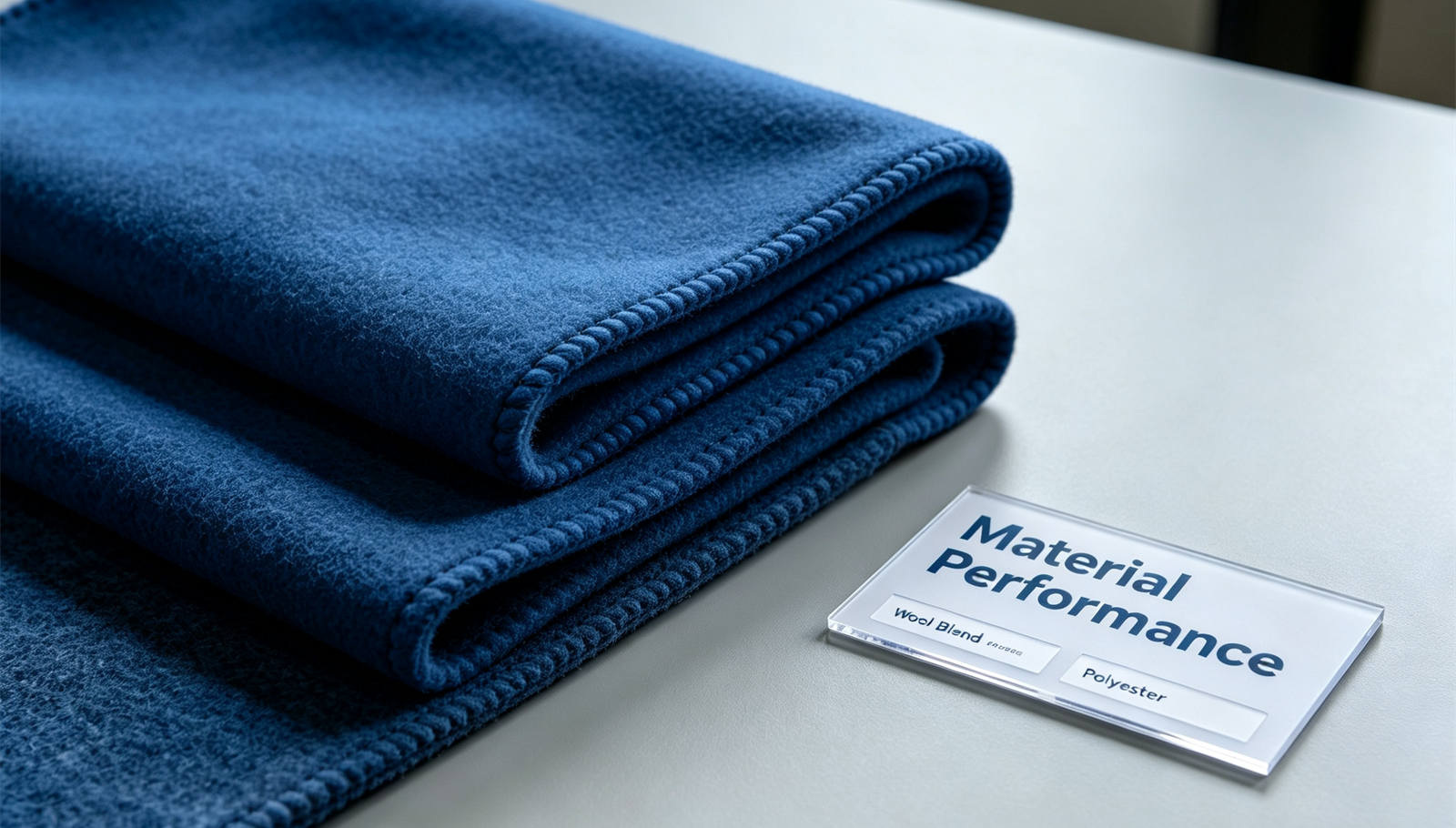
The standard choice for stockpiles, shelters, and general distribution. Check surface, folding, color, and all spec details in writing before ordering.
emergency relief reserve blanket
Consider this only after you confirm material, weight, size, packing, and document needs. Do not treat it as a fixed spec without project files.
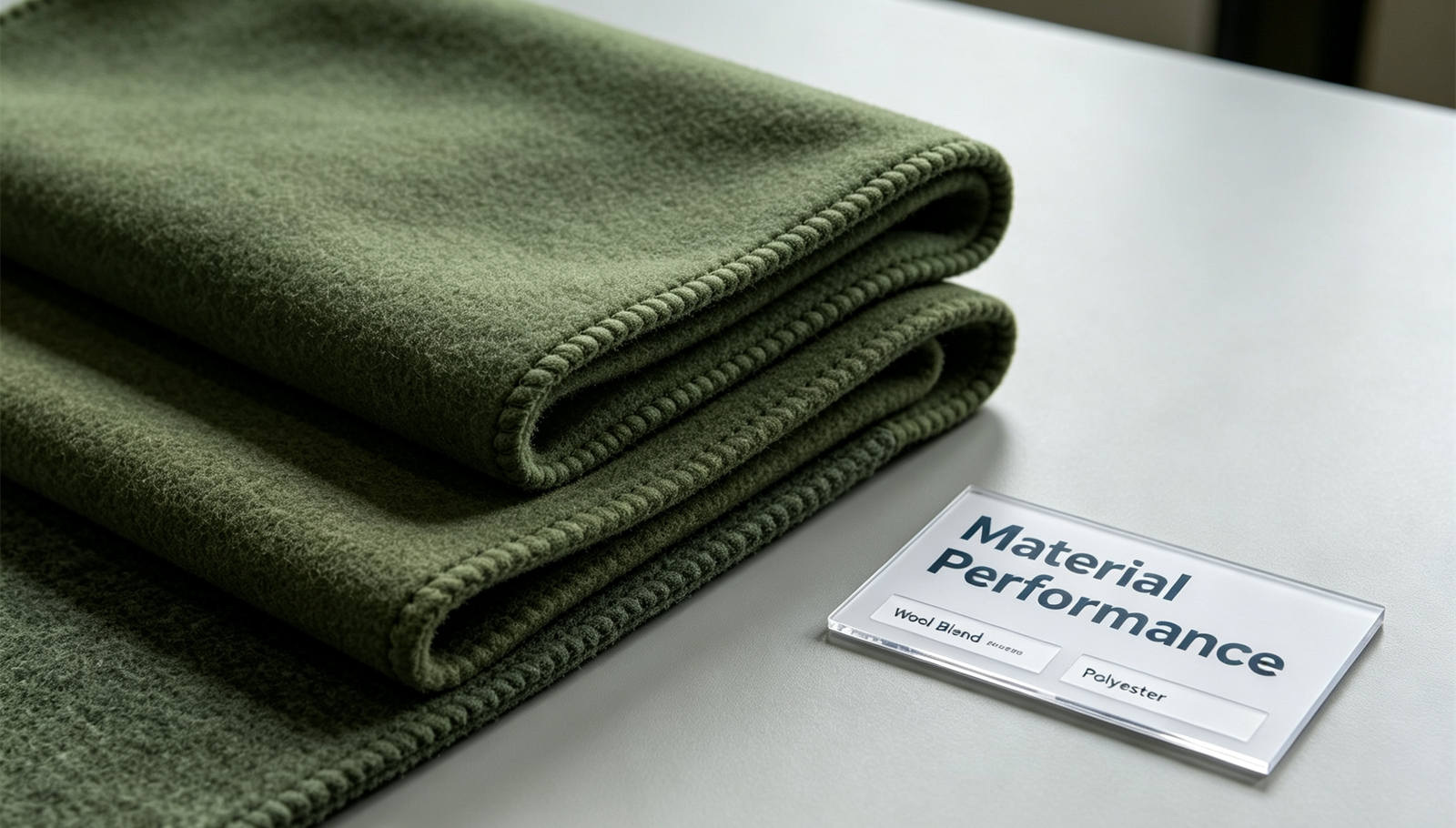
A thicker, softer option for shelter bedding where warmth and comfort matter. Needs sample approval for pattern, edge finish, packing, and documents.
emergency relief raschel blanket
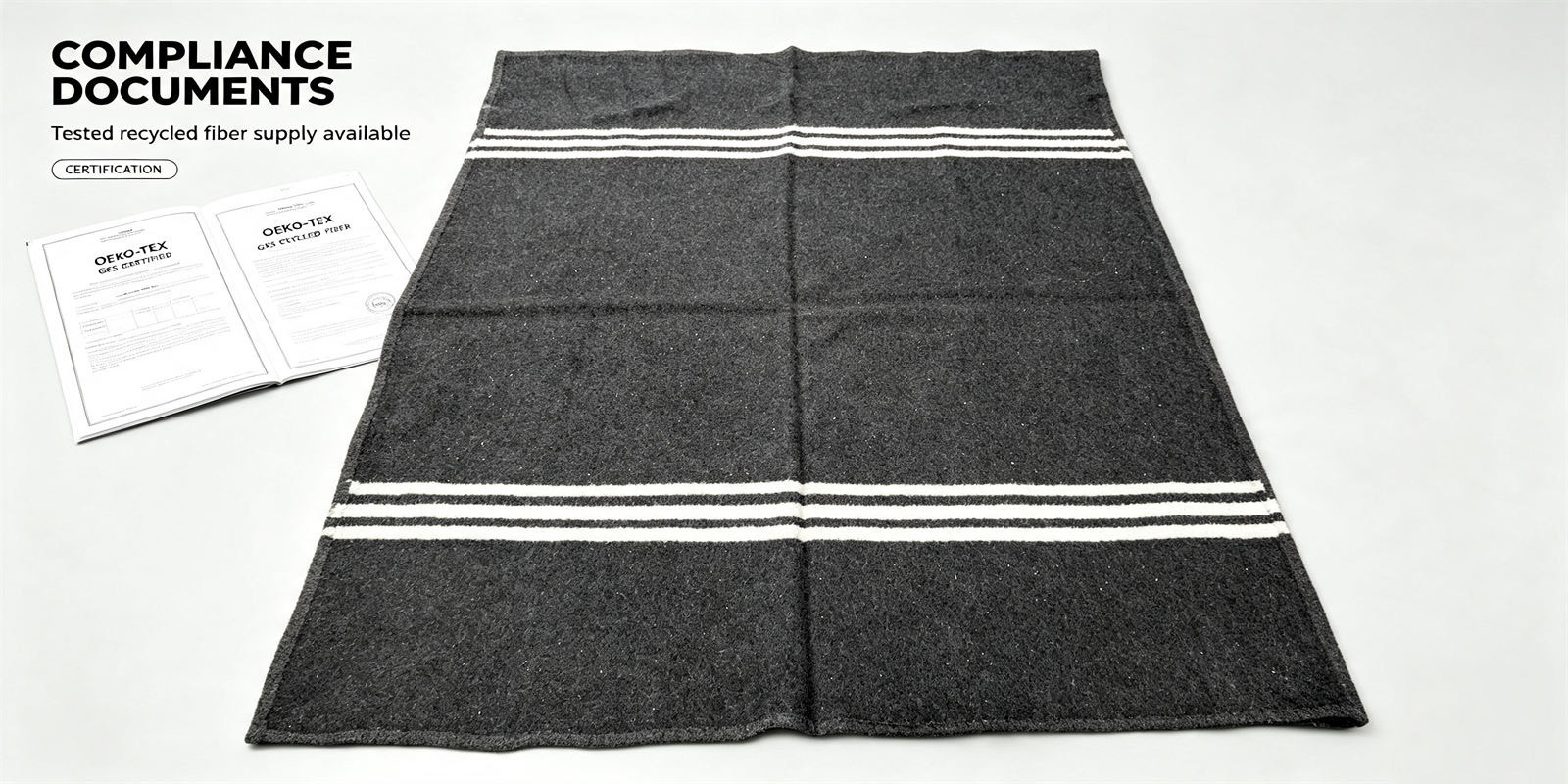
Product photos only show color, surface, edge, folding, and label position. They cannot prove material content, weight, certification, carton data, or batch consistency.
These are standard industry specs for relief blankets. Higher specs can be customized per project requirements:
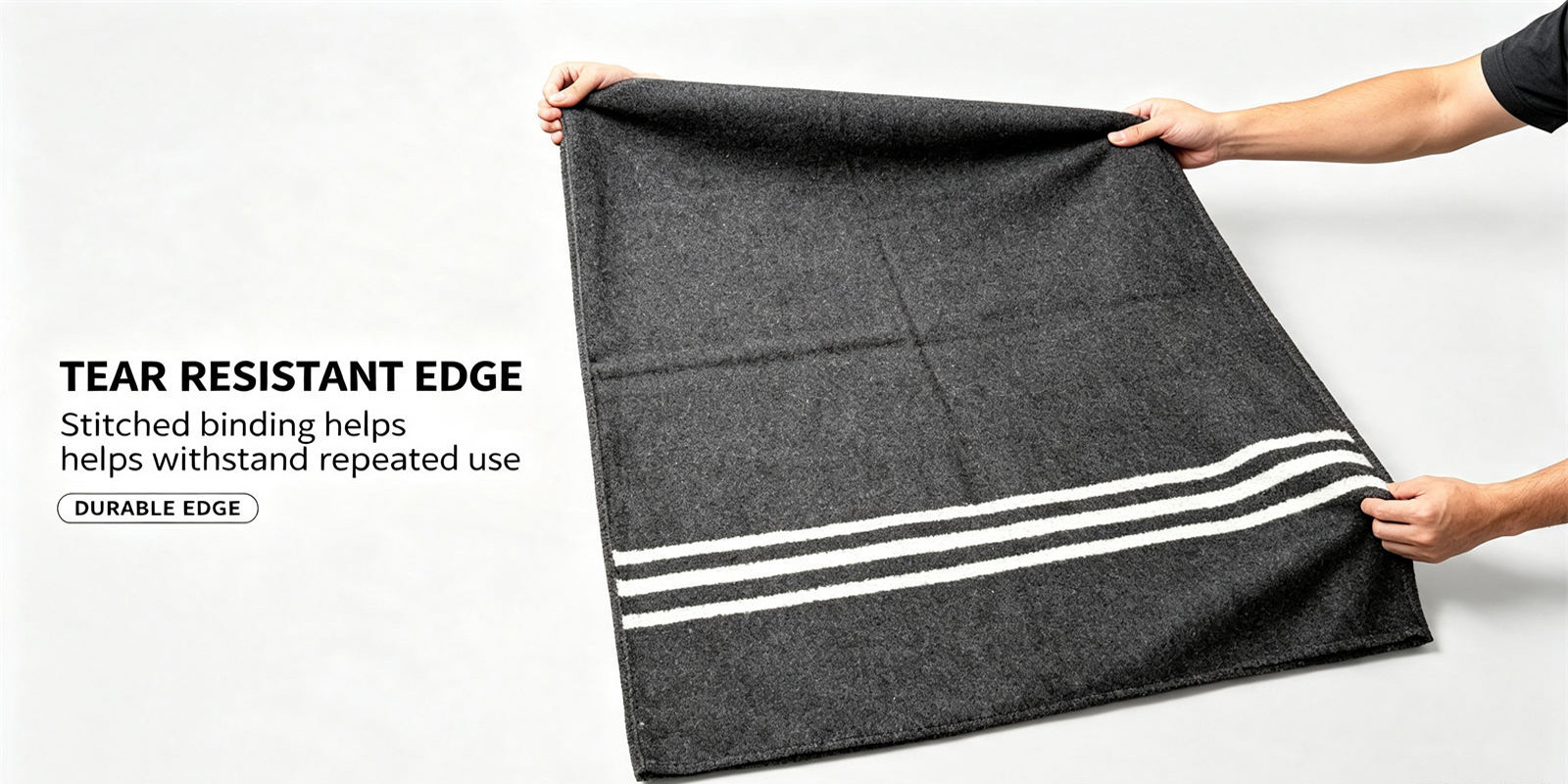
A clear blanket specification checklist cuts quote rework and keeps product names consistent across quote, labels, packing list, receiving records, and reorders.
| Item | What to provide or confirm |
|---|---|
| Material and build | Required material, surface type, any composition requirements, and whether supporting documents are needed. |
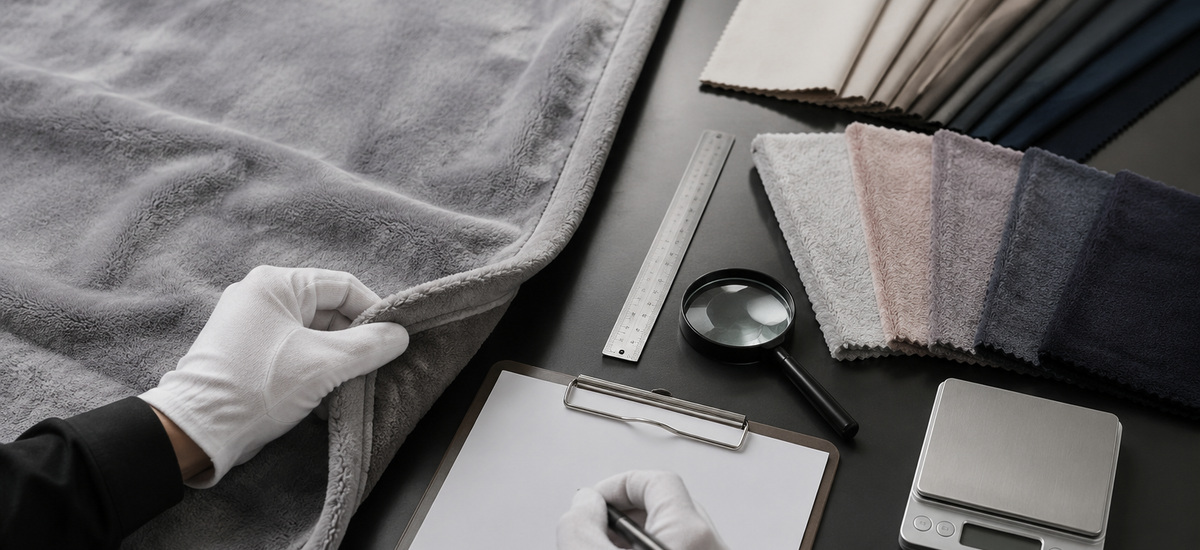
| Weight and size | Required weight range, GSM or piece weight, blanket size, tolerance, and how samples will be approved. |
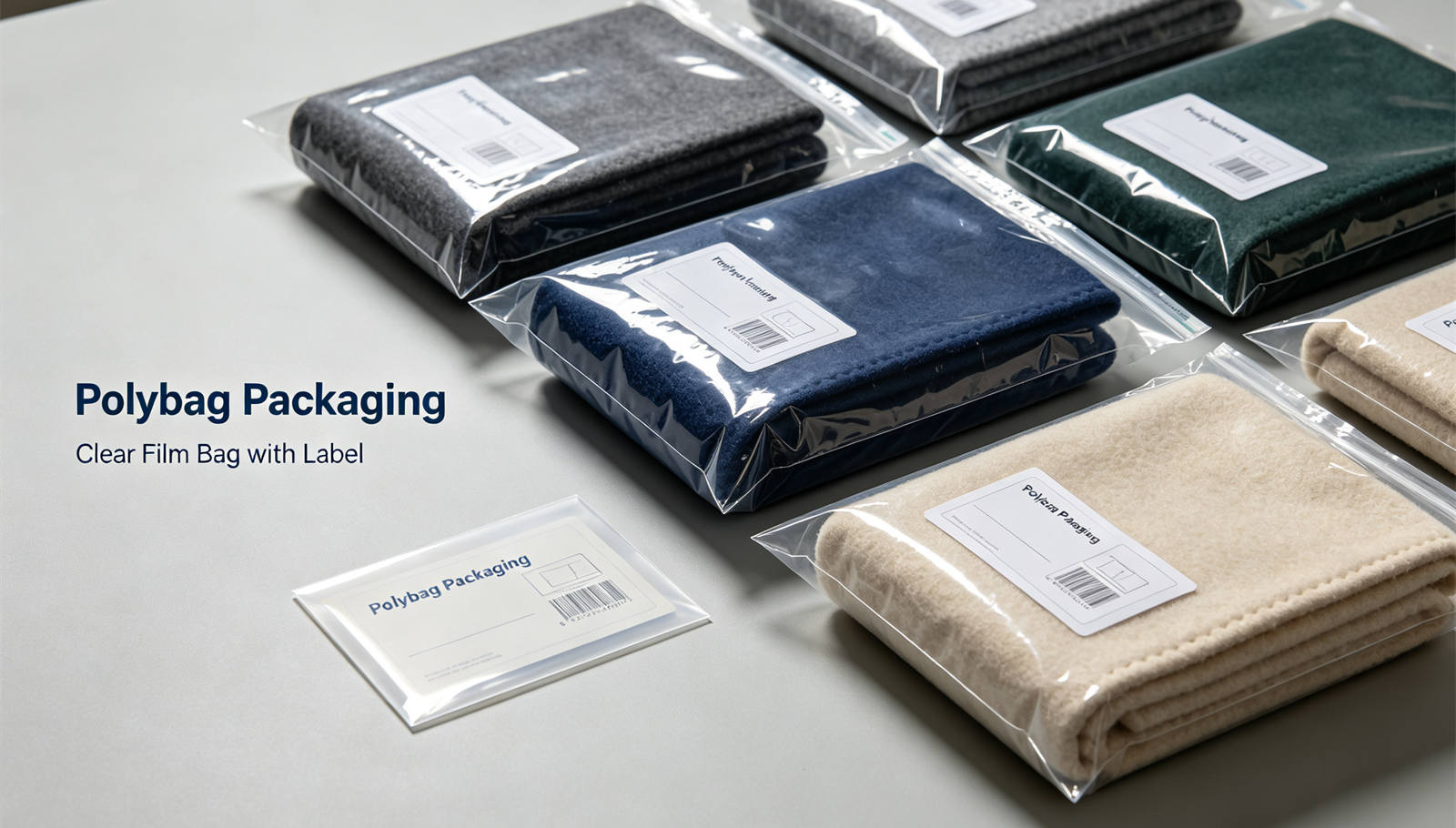
| Packing and labels | Individual packing, pieces per carton, carton size, carton marks, label language, barcodes or item codes, and receiving documents. |
| Test reports | Spec sheet, sample record, packing list format, inspection standard, and any project-specific reports to confirm. |
| Commercial terms | Quantity, delivery sites, packing preference, any custom printing, quote currency, delivery target, and current production schedule. |
Packing, Marking, and Distribution Checks
Blanket packing and marking for relief distribution must be confirmed before production, because packing directly affects receiving, counting, storage, and batch distribution.
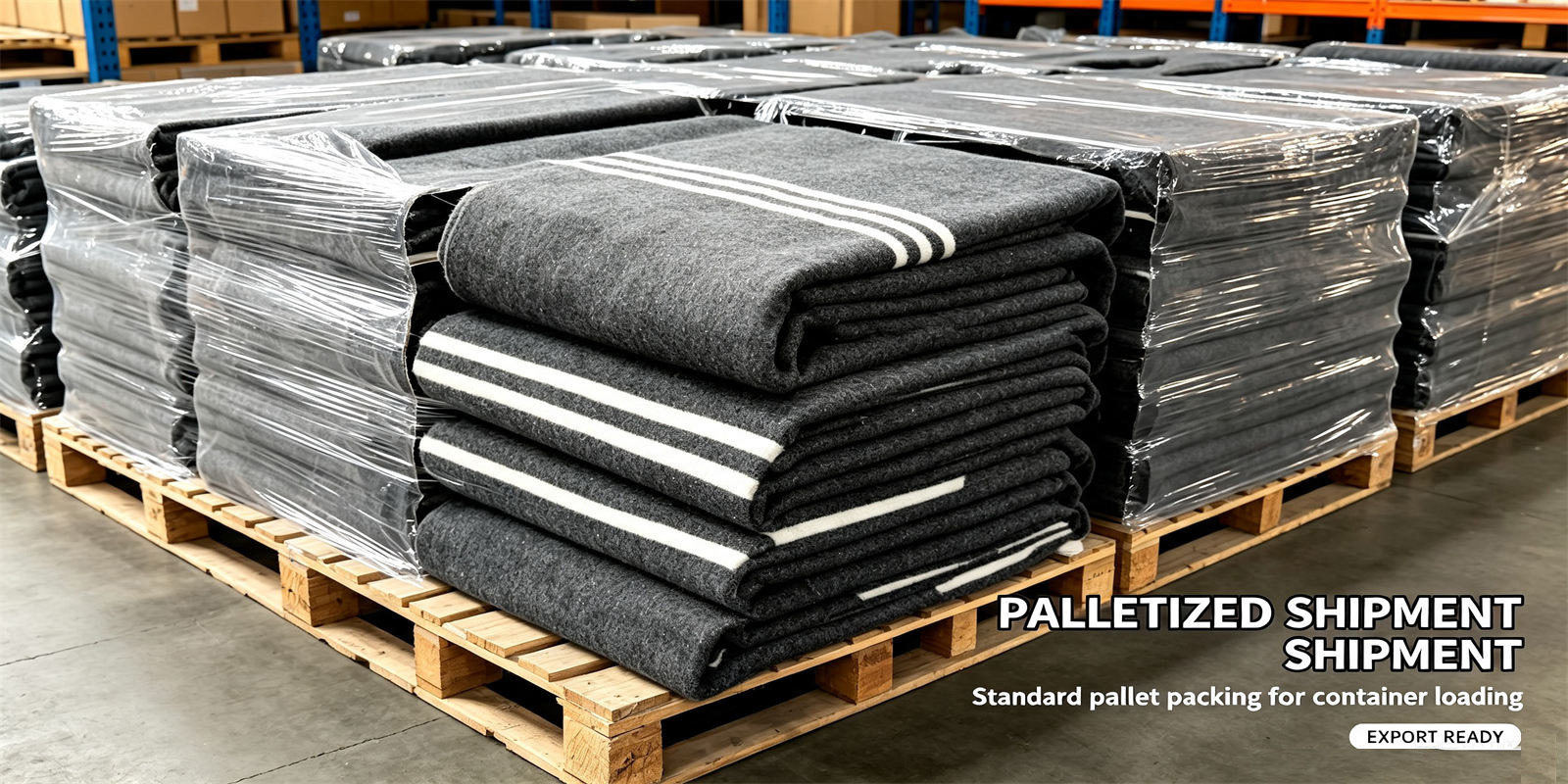
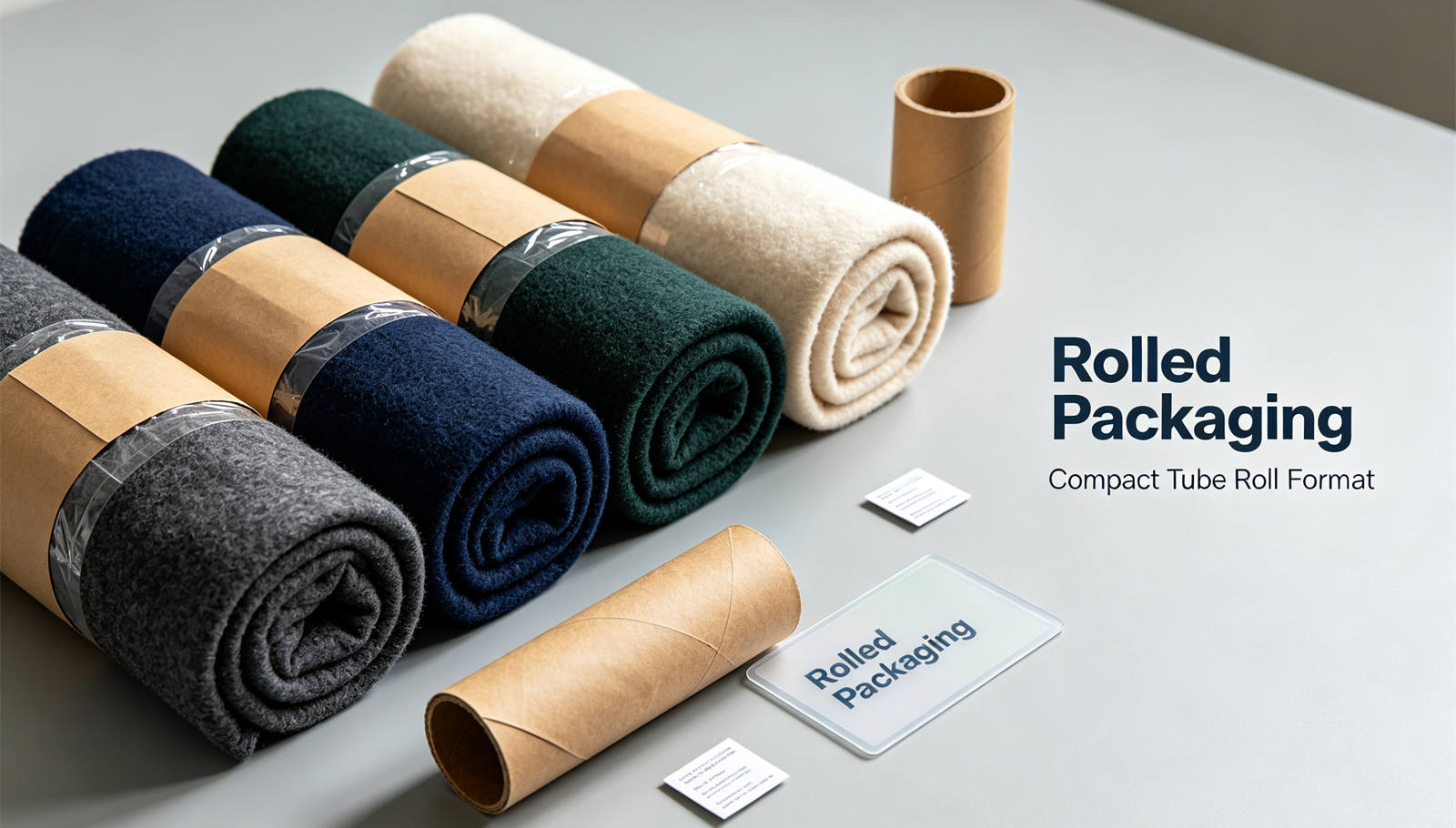
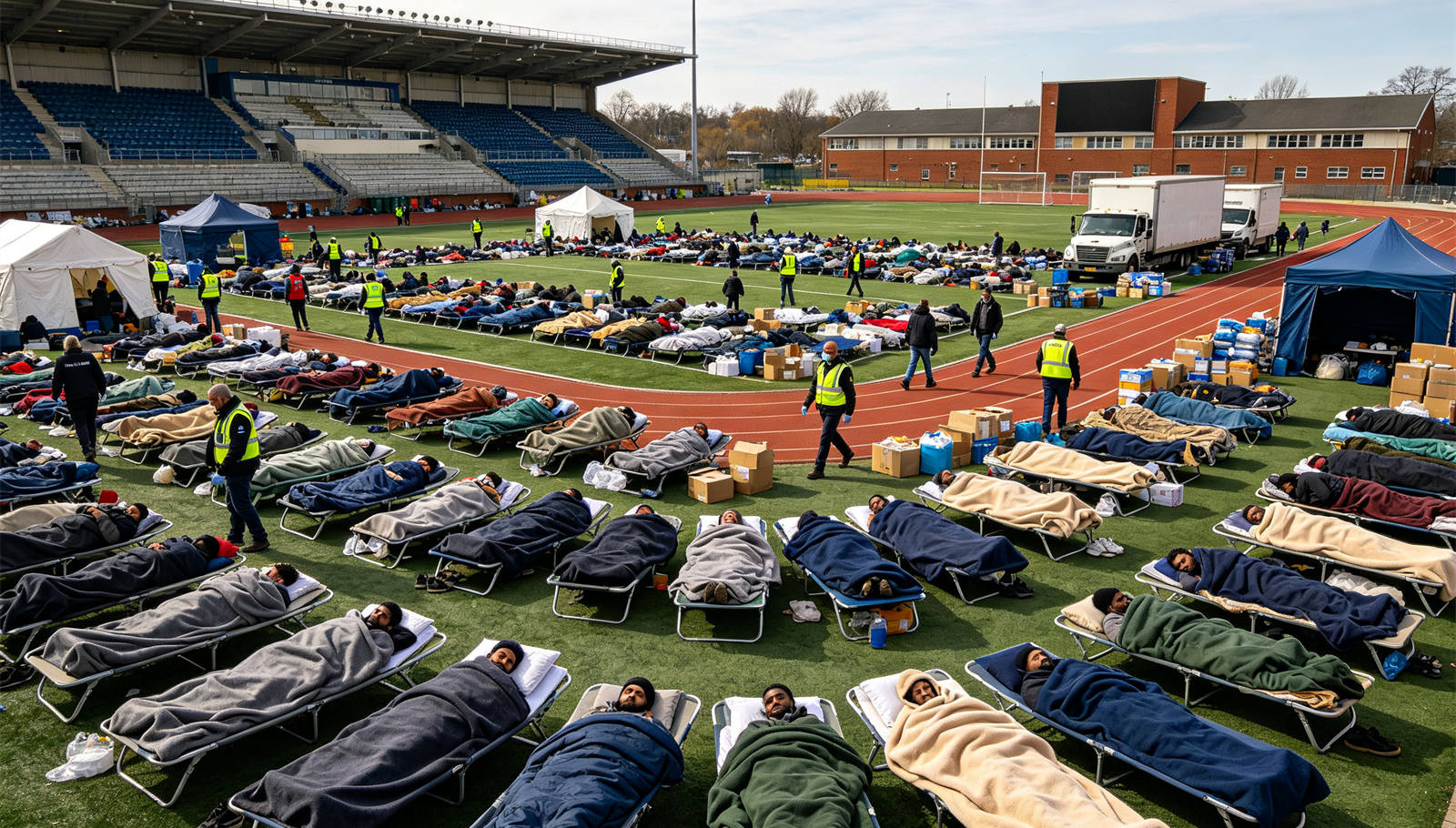
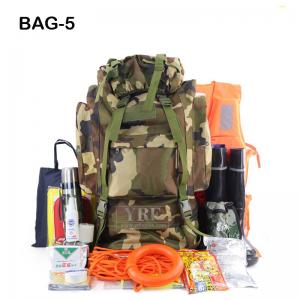
For complete relief projects, these items are often ordered together with blankets, with matching batch marks and unified delivery:
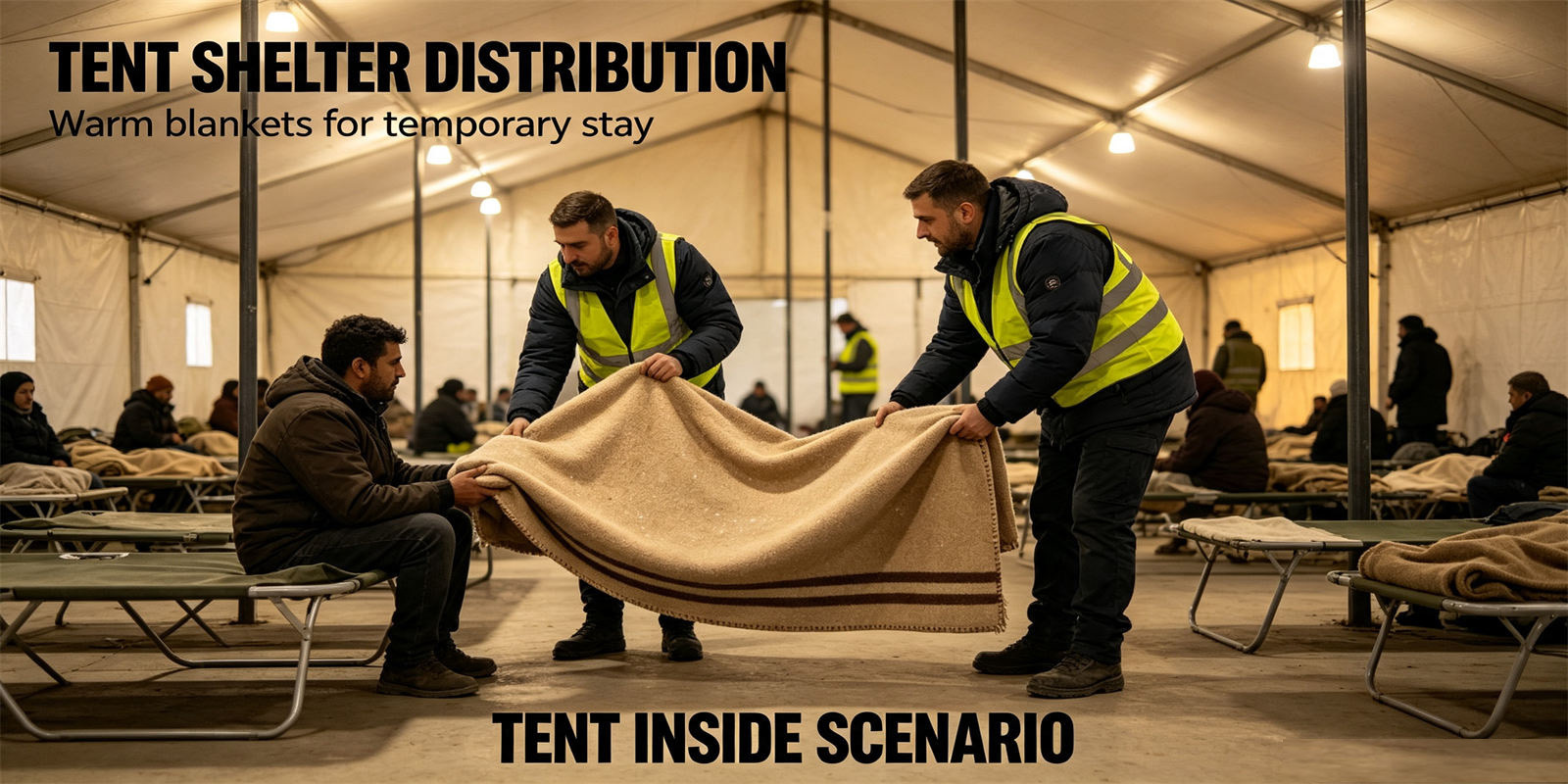
Which blanket types work for disaster relief supply?
Most projects compare a standard reserve blanket, a thicker shelter bedding option, and a raschel blanket for colder areas. The final mix depends on material, size, weight, packing, labels, quantity, and required documents.
Usually not. Long-term stockpiles, shelter bedding, and immediate field distribution need different packing and sometimes different thicknesses. Separate the uses first, then confirm specs for each.
Confirm material, weight (GSM), size, edge finish, color, packing, carton specs, labels, sample approval, inspection standard, and required documents before production starts.
No. Photos only show appearance. They cannot prove fiber content, weight, certification, carton data, or batch consistency. Exact specs need approved samples, measured weights, and test reports where required.
Confirm individual packing, fixed pieces per carton, clear carton marks, label language, any item codes, and receiving document format. This avoids counting delays and warehouse disputes.
We confirm MOQ, price, and lead time in writing at quote stage, based on quantity, packing, customization, documents, delivery sites, and current production schedule.
Request samples before bulk approval when feel, color, pattern, edge finish, labels, folding, or packing must match project needs. Keep the approved sample with your order documents.
Under proper dry conditions with our standard storage packing, blankets can be stored for up to 5 years. We suggest rotating stock every 3 years to keep them in good condition.
Yes. We can print batch number, production date, rotation date, destination, and any other required marks with waterproof ink. Confirm the exact text before production.
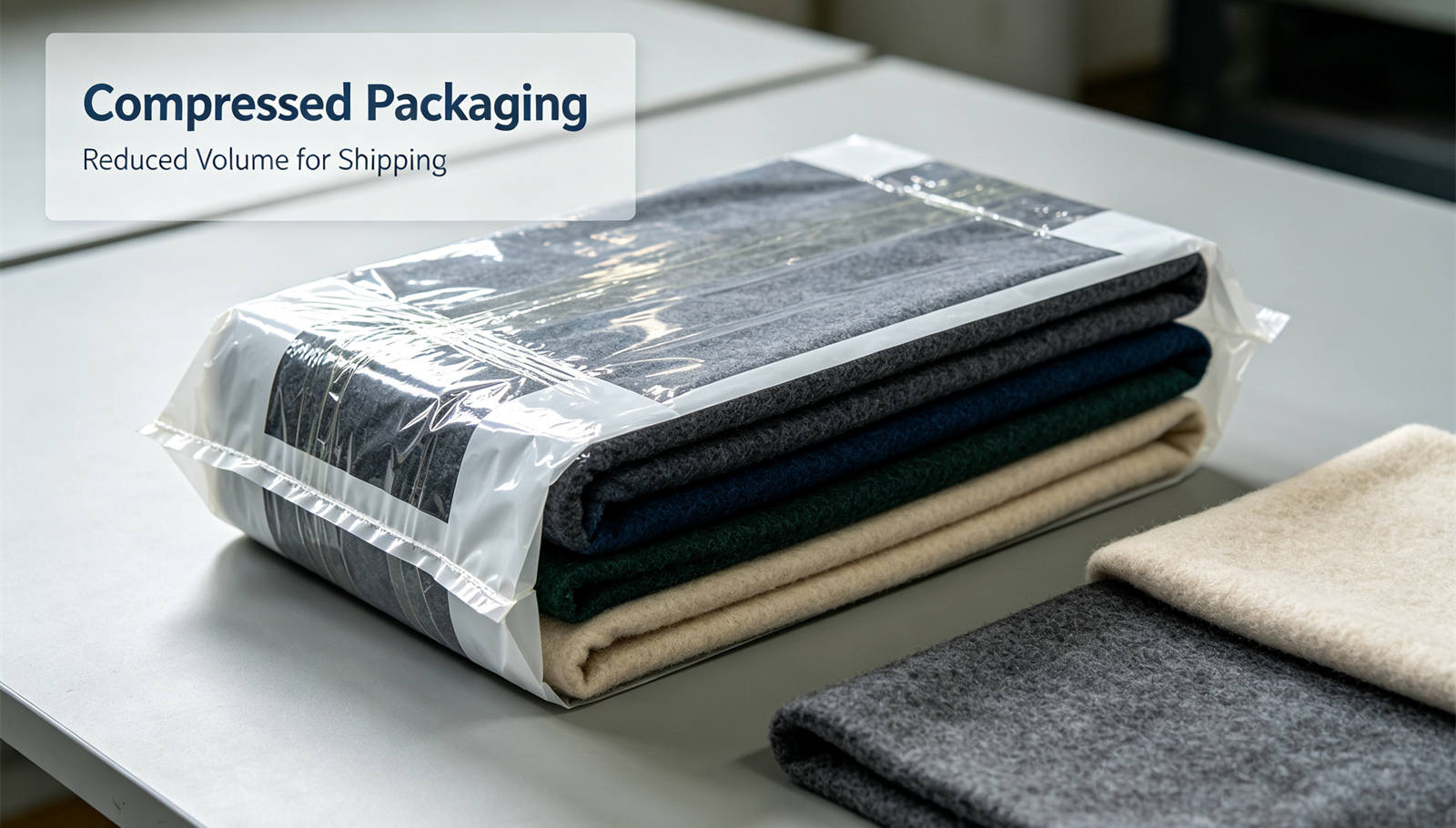
Yes. We can split-pack and mark cartons by destination, with separate packing lists for each site. Confirm delivery addresses and split quantities before booking shipping.
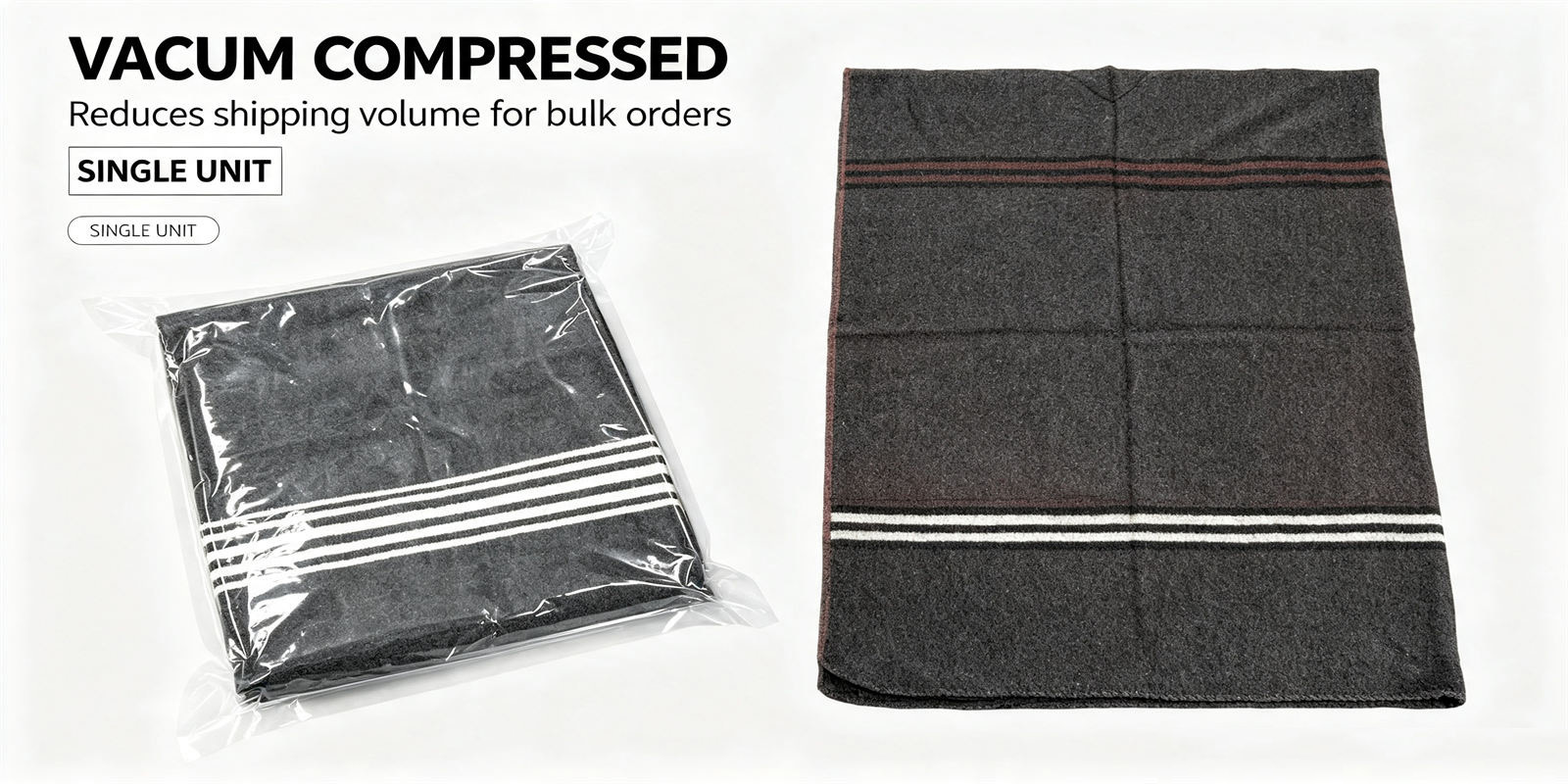
We do not recommend it. After years of compression, blankets do not fully fluff back up and lose warmth. Use standard carton packing with waterproof inner bags for long storage.
Standard counts are 20, 30, or 50 pieces per carton depending on blanket thickness. We can also customize per your storage or distribution needs. The count is fixed for the whole order for easy counting.
Our stockpile packing includes waterproof inner bags and desiccant packs. As long as cartons are stored off the ground in dry conditions, mold risk is very low. We suggest a 5% check every 12 months.
Standard lead time is 7-15 days after deposit. For urgent relief projects, we can prioritize production and ship in as fast as 72 hours after deposit for available specs, confirmed per quantity.
We can provide corresponding third-party test reports per project requirements. The report cost is covered by the buyer. Tell us what tests you need when you send the inquiry.
Use the emergency relief blankets category page to compare types, then apply the stockpile and distribution checklist to your selected option.
Send us your quantity, delivery sites, intended use (stockpile / shelter / field distribution), preferred blanket type, packing needs, label language, document requirements, and sample needs. We will prepare an accurate quote once these details are clear.
Project use: stockpile / shelter / field distribution
Blanket type or product role
Quantity and delivery plan
Material, weight, size, and color requirements
Packing, carton marks, and label language
Sample, inspection, and document requirements
YRF | 20 Years Emergency Relief Manufacturer
Przyjazne linki :
prawa autorskie © Custom Disaster - Relief Bedding: Tents, Sleeping Bags, Blankets Wszelkie prawa zastrzeżone
profesjonalny zespół do obsługi !