Field logistics supply
A field logistics blanket solution helps project buyers confirm use zones, packing needs, visual identification, and document requirements before they request blanket quotations for field rest or camp support.
Field logistics and camp rest projects fail when the buyer describes the setting only as “outdoor” or “camp.” A vehicle reserve, a temporary rest tent, a guard point and a longer camp sleeping area do not use blankets in the same way. The buyer should describe the movement route, storage limit, issue frequency and expected use posture before selecting the blanket line. This prevents a heavy option from increasing transport burden or a compact option from failing to provide enough coverage for the intended rest setting.
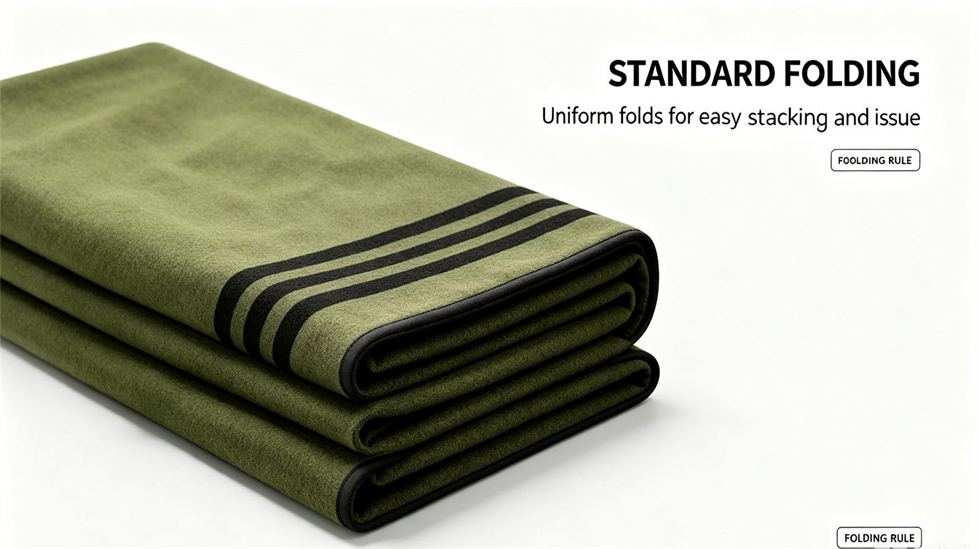
The practical split starts with where the blanket lives before it is used. Vehicle-carried stock needs folded size, unit weight, simple pack identity and fast access. Camp bedding needs coverage, handfeel, edge durability and a packing form that can be counted at the bedding point. Temporary standby stock needs clear carton identity and enough consistency for later replenishment. If one order covers all three, the quotation should separate product configuration from destination allocation, otherwise the buyer may compare unit prices that belong to different operating assumptions.
Field buyers should also confirm what must be checked on the sample. A photograph can show colour, fold, edge finish and label position. It cannot prove fabric weight, composition, batch consistency or the final packed volume. The sample review should therefore record open size, folded size, finished weight, edge finish, label position, packing form and any document requirement. If the buyer expects a blanket to be stored inside vehicles or equipment rooms, carton and unit-pack dimensions should be reviewed before the bulk order is released.
The supplier can help by returning a field-use option map instead of only a price list. One option may prioritise compact storage and quick issue. Another may prioritise warmer rest bedding. A third may support replenishment where the same colour and fold must remain stable. These options should not be mixed silently. Each option needs its own sample reference, packing expectation and receiving check so the buyer can choose based on operating pressure, not just product name.
Before confirming production, the buyer should state the number of sites, vehicle or storage limits, expected users, issue method, packing preference and destination split. The supplier response should identify which blanket line fits each use, what fields remain unconfirmed, whether a packing trial is needed and what receiving checks should be written into the order. This gives the field team a usable procurement record when stock moves from warehouse to vehicle, from vehicle to rest area and later back into replenishment planning.
In field logistics and camp-rest blanket procurement, a field logistics buyer, camp operator or mobile support team should first define the operating trigger before comparing unit prices. The trigger is that stock must move between warehouse, vehicle, camp rest area and temporary standby point. If a blanket that looks suitable in a product photo becomes too bulky for vehicles or too limited for camp bedding, the order may still look correct on paper while the receiving or field team cannot use it smoothly.
The first practical split is between vehicle-carried stock, camp bedding stock and temporary standby stock. Keep each split connected to quantity, destination, product line, packing method and the person who accepts the goods. This prevents one quotation from hiding several different operating assumptions under the same blanket name.
The handover route should cover warehouse-to-vehicle loading, vehicle-to-rest-area issue, site count and return or replenishment record. Each handover point needs a visible product identity, a responsible reviewer and a simple exception action. If the handover route is missing, a small label, carton or packing difference can become a larger receiving dispute.
Acceptance should focus on open size, folded size, reference finished weight, unit packing, edge finish and label position. These fields are concrete enough to be checked against the quotation, sample or receiving record. Broad scenario names, marketing photos or general product family wording should support review only; they should not replace written confirmation.
The supplier response should include separate compact-storage, camp-rest and replenishment options with their own sample and packing notes. This is more useful than a price-only reply because the buyer can see what is already confirmed, what remains open and which records will control production or delivery.
For a clean RFQ, send site count, vehicle or storage limits, expected users, issue method, packing preference and destination split. A short but complete RFQ lets the supplier return comparable options without guessing, while keeping unsupported certification, performance or institutional endorsement outside the customer-facing offer.
Procurement problem
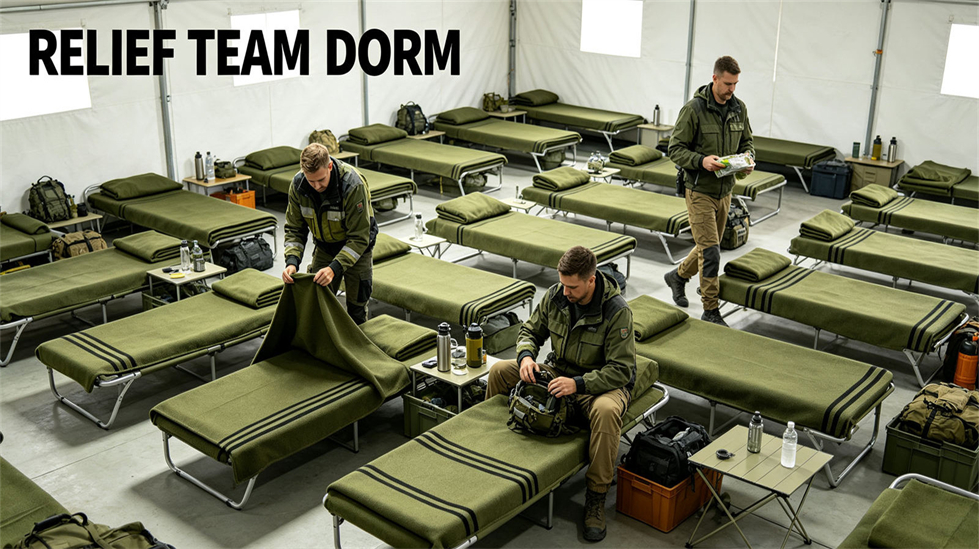
Project teams may ask for camp blanket supply, vehicle standby blankets, field rest bedding, or warehouse-ready blanket packs while expecting one supplier to quote the same product. In practice, these settings can have different packing, handling, label, and receiving requirements.
A better starting point is field standby blanket supply: confirm where the blankets will be used, how they will be transported, whether color identification matters, and which documents must be reviewed before the quotation is approved.
Material, size, weight, carton data, loading estimate, document package, quantity, and schedule should be confirmed in the RFQ step before they are used as purchase facts.
Use setting split
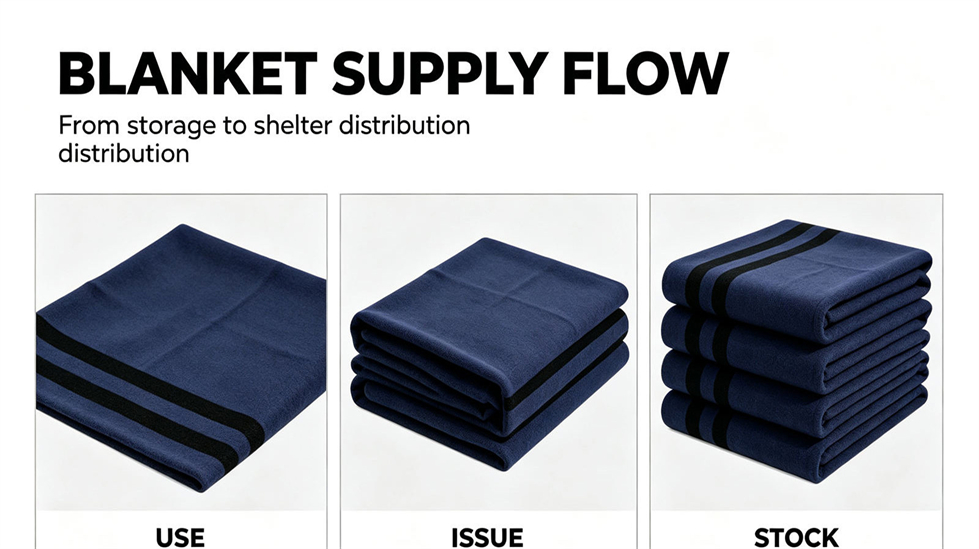
Use setting
Blanket role
What buyers should confirm
Field rest points
A standby blanket for short rest, waiting areas, or rotating project teams.
Expected handling, folded size target, color preference, edge finish, and sample approval method.
Camp bedding support
A blanket option for temporary rooms, camp beds, or organized rest areas.
Rescue camp blanket sourcing should confirm bedding layout, packing format, label needs, and document review.
Transport and storage points
A blanket packed for warehouse receiving, vehicle kits, or repeated movement between locations.
Carton mark fields, unit packing preference, loading estimate request, and receiving checklist.
Product combination
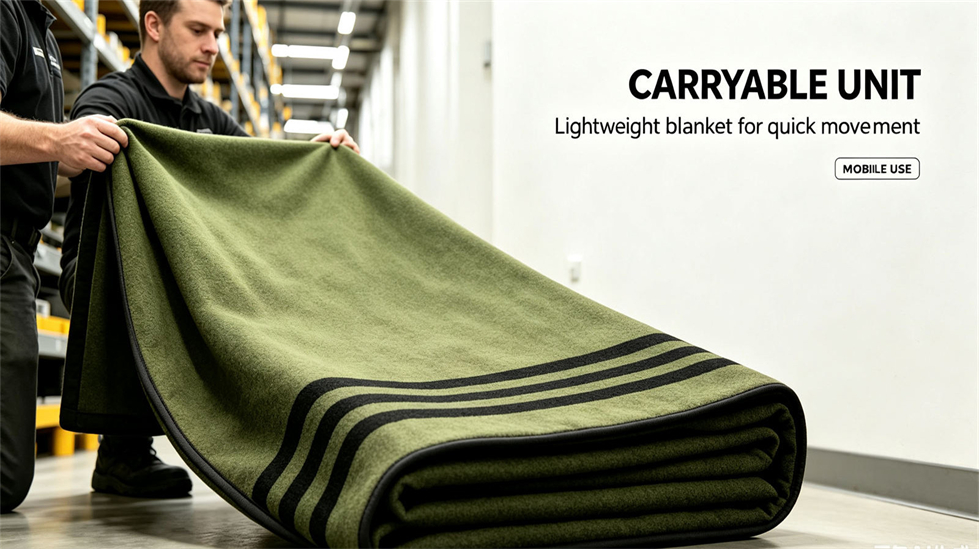

For outdoor support, vehicle kits, standby rest, and warehouse movement, start with the field logistics cold-weather blanket. It is the closest option for buyers who need a field-oriented blanket quotation.
Confirm material, size, weight, folded size, carton data, label, sample, and document scope before quotation.

For field and camp blanket options, a camp rest blanket can be reviewed during RFQ when the buyer needs bedding support for temporary rooms or organized rest areas.
Do not treat camp use as the same requirement as vehicle kits or field rest points until packing, bedding layout, color, and document needs are clarified.
RFQ preparation
Confirmation field
Why it matters
RFQ wording to prepare
Use zone
Field rest, camp bedding, vehicle kits, and warehouse movement can need different handling rules.
Use setting, expected issue method, storage point, and whether the blanket will move between locations.
Packing
Blanket packing for field logistics affects freight review, warehouse receiving, and distribution planning.
Unit packing preference, carton mark fields, carton data request, folded size target, and loading estimate request.
Specification
A camp blanket specification checklist keeps sample, quotation, label, and receiving wording aligned.
Required material wording, size, weight or GSM field, color, edge finish, approved sample reference, and document list.
Receiving review
Field projects often involve multiple receiving points, so the purchase wording should be simple to repeat.
Item name, packing version, label format, document list, replacement rules, and final approval steps.
Buyer guidance
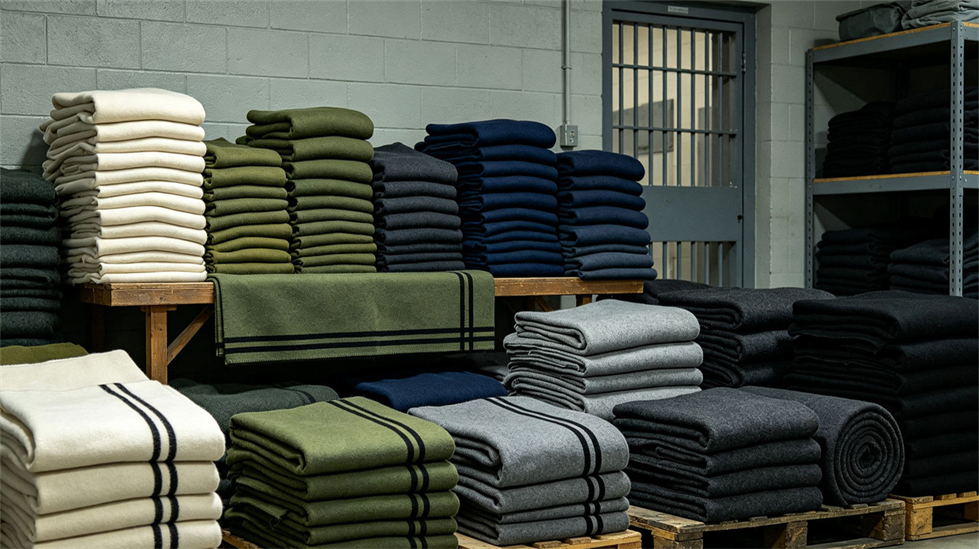
If the project also involves blankets for emergency shelters, separate shelter distribution needs from mobile field support before choosing one blanket specification. Shelter bedding, field rest points, and vehicle kits do not always share the same packing or receiving process.
For a broader category review, return to emergency relief blankets and choose between relief reserve, field logistics, institutional duty, and raschel blanket paths before sending the final RFQ.
Military, contractor, and government procurement teams that need a dedicated deep green version, tender-document scope, batch identification, and receiving record can use the military blanket supply process.
FAQ
Start with the field logistics cold-weather blanket when the main need is outdoor support, standby rest, vehicle kits, or warehouse movement. Camp rest requirements can be added to the RFQ after bedding layout and packing needs are clarified.
Can one blanket specification cover field rest and camp bedding?
Sometimes, but it should not be assumed. Field rest points, camp rooms, and transport kits may use different packing, folding, labels, and receiving checks.
What should a field-logistics blanket RFQ include?
Send the use setting, quantity range, preferred color, sample request, unit packing preference, carton mark needs, folded size target, document request, and target delivery window.
Why should packing be discussed before price review?
Packing affects freight review, warehouse receiving, distribution speed, and repeat ordering. A low unit price is less useful if carton data and packing format are not clear.
Can cold-setting performance be assumed before specification review?
No. Any performance requirement should be confirmed through project documents, sample review, and supplier quotation details before it is used in purchase wording.
How should camp blanket samples be approved?
Approve the sample together with color, edge finish, folded size, unit packing, carton mark, label format, and document wording. This keeps quotation and receiving checks aligned.
Should the buyer ask for carton data early?
Yes. Carton size, unit count, folded size, and loading estimate requests help the buyer review freight, storage, and distribution planning before confirming the order.
Where can field logistics buyers compare broader blanket options?
Use the emergency relief blankets range to compare broad blanket families, then apply the field logistics and camp RFQ fields to the selected option.
Request quotation

For a clearer quotation, share the use setting, quantity range, preferred color, sample request, packing preference, label or carton mark needs, document requirements, and target delivery window. Final specification and packing data should be confirmed before quotation and production.
Send field logistics blanket requirements Open field logistics blanket View emergency blanket category
Continue with the blanket overview, matched product detail, and related procurement article.
Przyjazne linki :
prawa autorskie © Custom Disaster - Relief Bedding: Tents, Sleeping Bags, Blankets Wszelkie prawa zastrzeżone
profesjonalny zespół do obsługi !