Published: October 21, 2026 | Last Updated: October 21, 2026
Fire Equipment Procurement Checklist: PPE, SCBA &
Fire Gear for Wholesale Buyers
Buying fire equipment differs from ordering office supplies. Incorrect gear struggles at the first alarm, and the cost shows up in injury reports, not invoices. This fire equipment buying guide walks procurement officers and fire chiefs through the selection decisions that keep crews safe, protect budgets, and get the buying decision right the first time.
|
1. Why Choosing the Right Fire Equipment Matters |
7. Complete Procurement Checklist |
|
2. Firefighter PPE Buying Guide |
8. Budget Allocation Guide |
|
3. SCBA Buying Guide |
9. Certification Standards Explained |
|
4. Fire Helmet Buying Guide |
10. Maintenance and Total Cost of Ownership |
|
5. Fire Blanket Buying Guide |
11. FAQ |
|
6. Escape Rope Buying Guide |
|
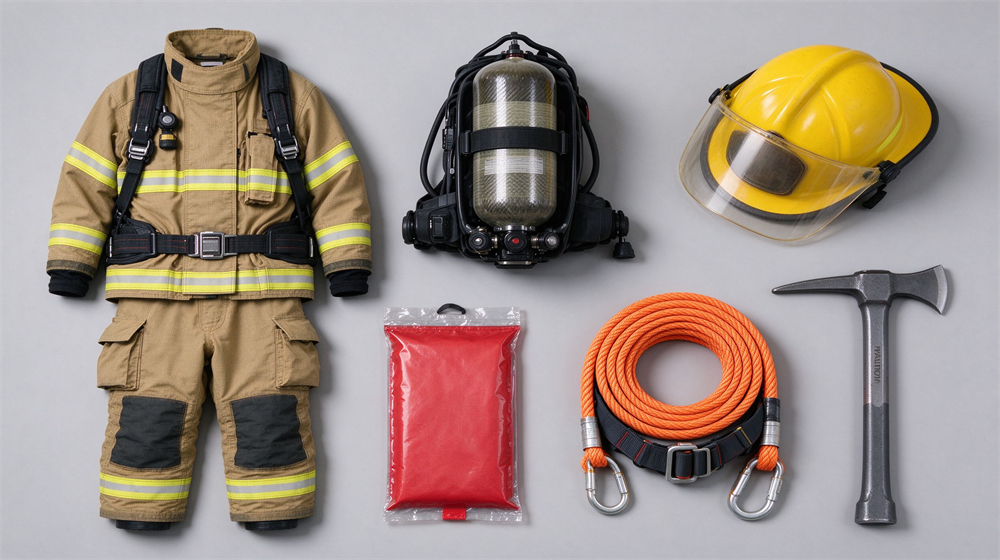
A suboptimal purchase rarely announces itself on day one. The turnout coat that feels stiff at the fitting may restrict a crawl through smoke. The SCBA cylinder that saves weight on paper may leave a 15 minute margin on the fire ground. The helmet that is lowest in upfront price per unit may crack on the first falling beam. This guide focuses on the decision logic behind each category, not the catalog specs. You will learn what to compare, what to ignore, and which questions separate a tested supplier from a brochure.
Every department and plant procurement officer starts with the same consideration: a budget, a roster of names, and a shelf of options. The brands that dominate a trade show floor are not always the brands that survive ten shifts a month. The buyers who get the strongest result read the standards, measure their own crew, and treat the first order as a pilot, not a final purchase. The pages below break that process into the five gear categories that make up a working ensemble, then add the checklist, budget math and standards knowledge that tie the order together.
We assume you already know you need turnout gear, breathing apparatus, head protection, a blanket and an escape rope. The harder question is which variant of each item matches your mission. A volunteer department in a rural town, a corporate EHS team at a refinery, and a government tender for a training academy do not need the same gear. A firefighter PPE selection that works for one can be overkill or under protection for another. The choice starts with the risk your crews actually face, not the price list on the first email.
One rule runs through every section below: buy for the overload scenario you can actually imagine. A structural crew thinks about flashover and roof collapse. A factory team thinks about chemical splash and confined space entry. A hotel or school program thinks about evacuation. Each mission points to different layer counts, cylinder durations, helmet types and blanket sizes. Match the gear to the incident, and the budget follows.
Read this guide before you send the tender. Use the checklist in section seven to structure the inquiry. Use the budget table in section eight to frame finance. Use the standards section to vet supplier claims. The goal is to buy the right gear the first time, document it, and keep it working.
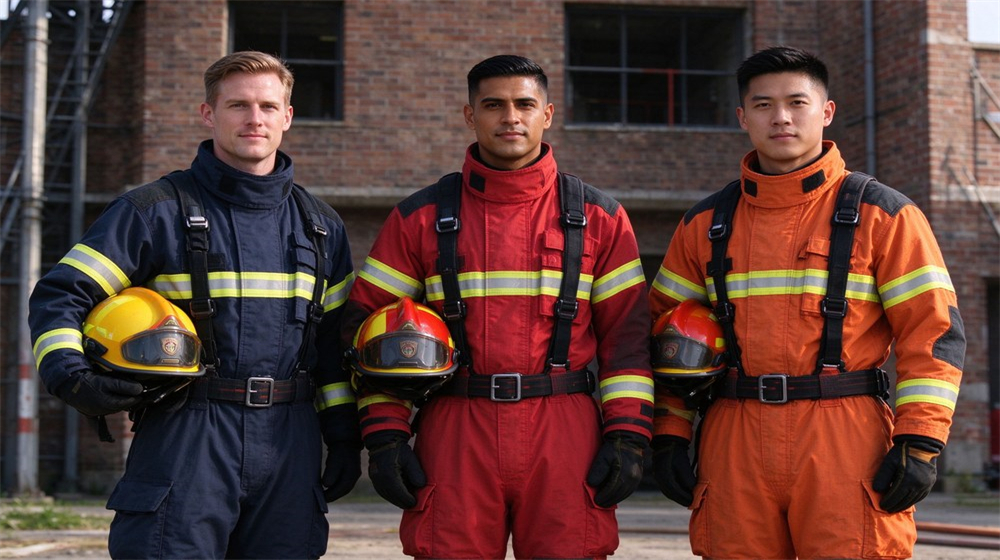
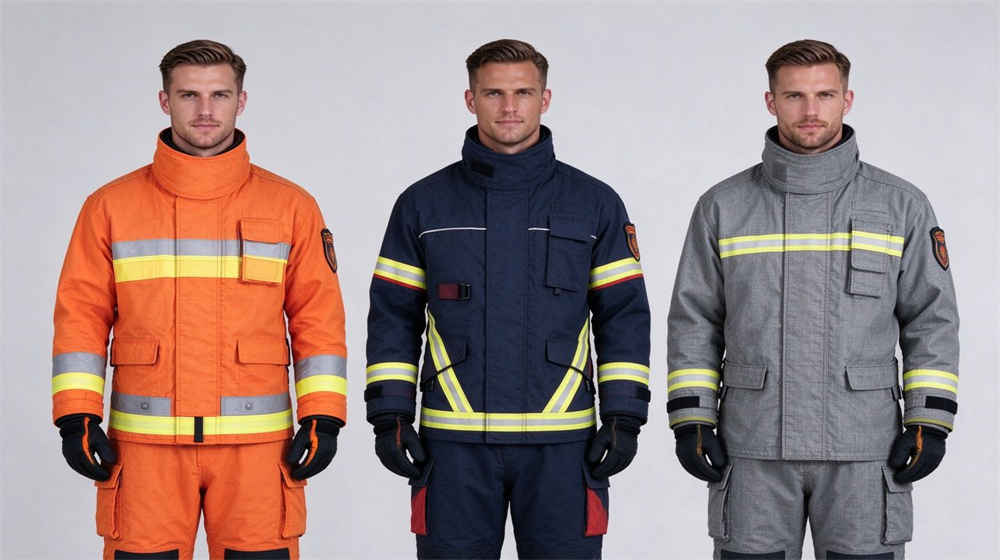
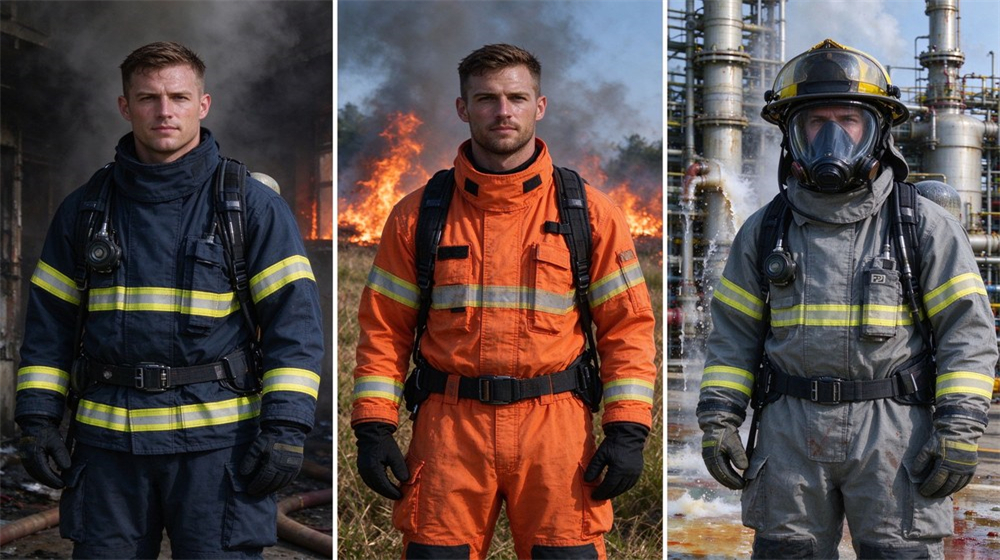
Firefighting PPE is not a uniform. It is a layered system of heat barriers, breathing systems and impact protection, and each layer interfaces with the others. When you buy a coat, helmet and boots from three suppliers, the collar, chin strap and cuff may not line up as designed. Departments that mix brands save a line item on the purchase order and pay for it in fit complaints, hot spots and premature wear. The smart buyer asks about ensemble compatibility before comparing unit prices.
There is also a documentation cost. A tender that cannot produce third party test reports when the auditor walks in is a tender that will be repeated. A gear order without a maintenance log, without sizing records and without a retirement schedule becomes a liability at the first serious incident. Choosing the right supplier means choosing one that ships with paperwork you can file, not just gear you can wear. That distinction is the difference between a procurement box and a response system. This is why a fire equipment procurement file folder starts with test reports, not with a purchase order, per USFA grant guidance.
We have seen departments buy the lowest price gear on the bid, only to replace it inside three years because the fabric faded and the stitching opened. We have also seen departments buy the most expensive option and discover half the crew cannot move in it. Both outcomes come from the same mismatch: buying the product instead of the decision. The sections below give you the decision framework. A well run procurement also leaves a paper trail the auditor and next fire chief can follow.
Firefighter PPE Buying Guide
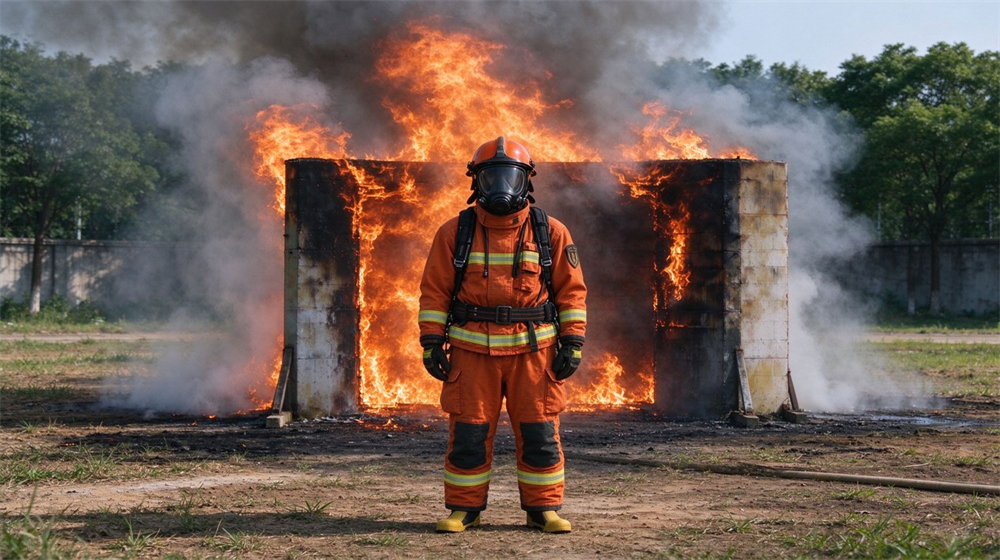
Turnout gear is the most visible piece of the ensemble and the one that takes the most abuse. A good firefighter PPE selection balances heat protection, breathability, fit and durability. Economical gear looks identical on a hanger and struggles in the first season. Expensive gear that the crew cannot move in is also a suboptimal outcome. The buying decisions below are the ones that separate a working turnout set from a hanger ornament. This is the most cited section of any fire equipment buying guide for new procurement officers.
3-Layer vs 4-Layer Construction
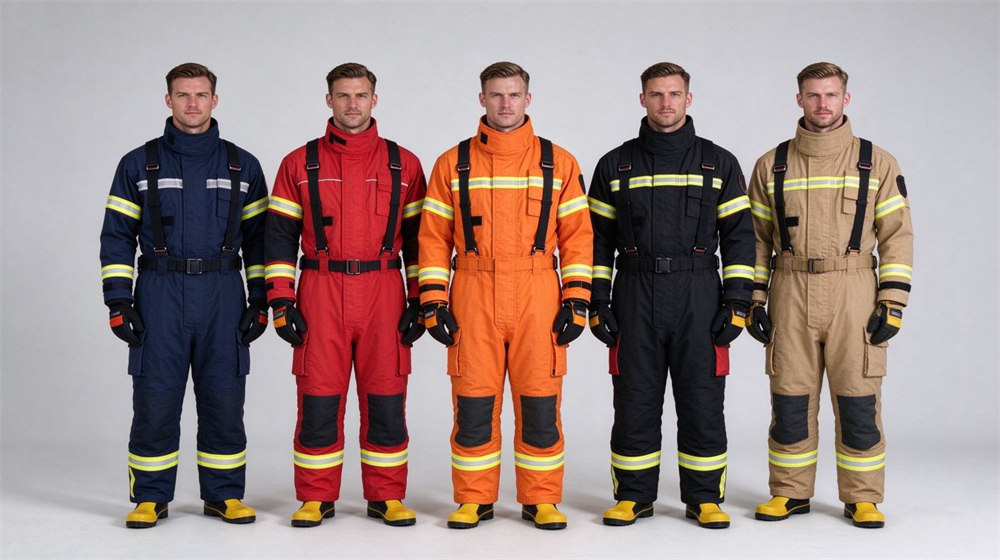
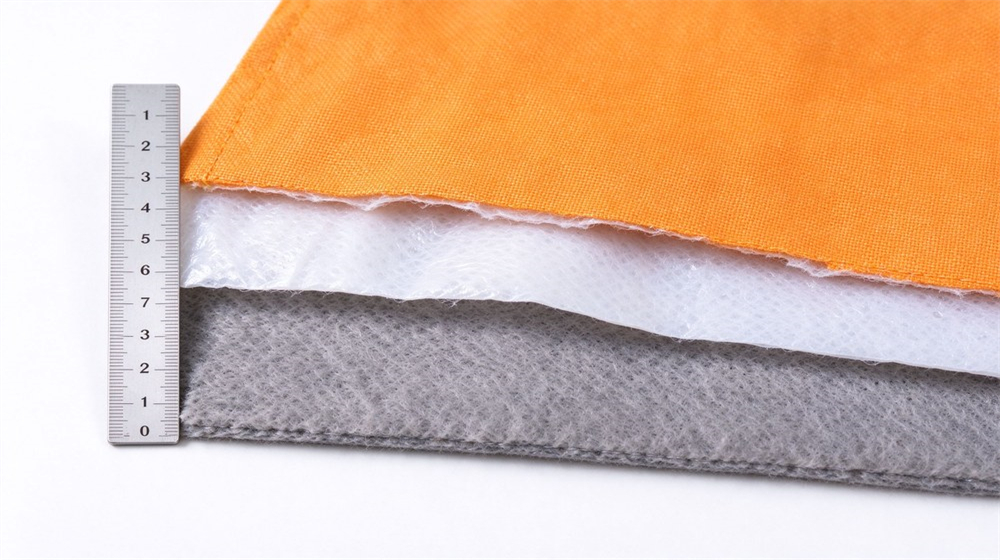
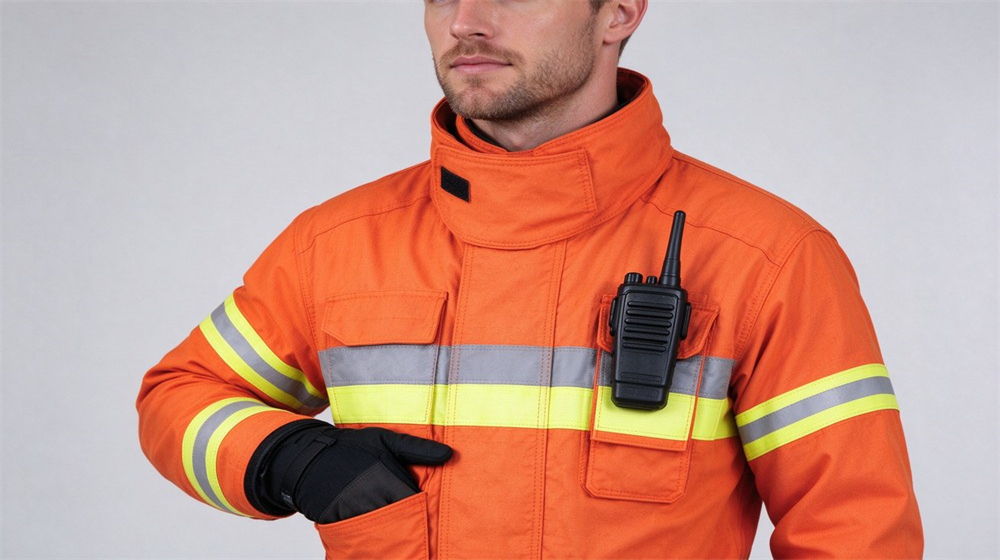
Every structural turnout coat has three mandatory layers. The outer shell blocks flame and abrasion. The moisture barrier stops liquid and vapor penetration. The thermal liner slows conductive and radiant heat. A three layer suit is the standard for most structural departments. A four layer suit adds a reinforcement or comfort ply, usually at high wear zones like elbows, knees and crotch. The extra layer extends service life but adds weight and reduces breathability. Choose three layer for interior attack where mobility matters. Choose four layer for industrial teams, proximity work and wildland interface where heat exposure lasts longer.
Material Selection: Shell and Liner Fabrics
Outer shells come in three common families. Nomex blends are the affordable workhorse, durable and widely available. Kevlar blended shells add tensile strength for rough environments. PBI shells resist char and break open less under high heat, which is why they are preferred for industrial and aviation crews. Liner fabrics use arid or para arid blends. The fabric choice drives both the weight of the coat and its TPP rating. Do not chase the highest TPP number on the sheet. A coat rated too high for your mission will overheat the crew faster than a coat that is slightly lighter but well ventilated.
TPP and THL Ratings Explained
TPP, thermal protective performance, combines conductive and radiative heat resistance into a single number. A higher TPP means the wearer gets more seconds before a second degree burn. THL, total heat loss, measures how well the gear releases body heat. A high TPP with a low THL keeps heat out but also keeps sweat in, which causes heat exhaustion on long shifts. The sweet spot for most departments is a balanced pair: enough TPP for flashover survival, enough THL to let the crew work for 20 minutes without cooling down. Ask suppliers for both numbers on the label, not just the marketing TPP figure.
Fit and Sizing for Real Bodies
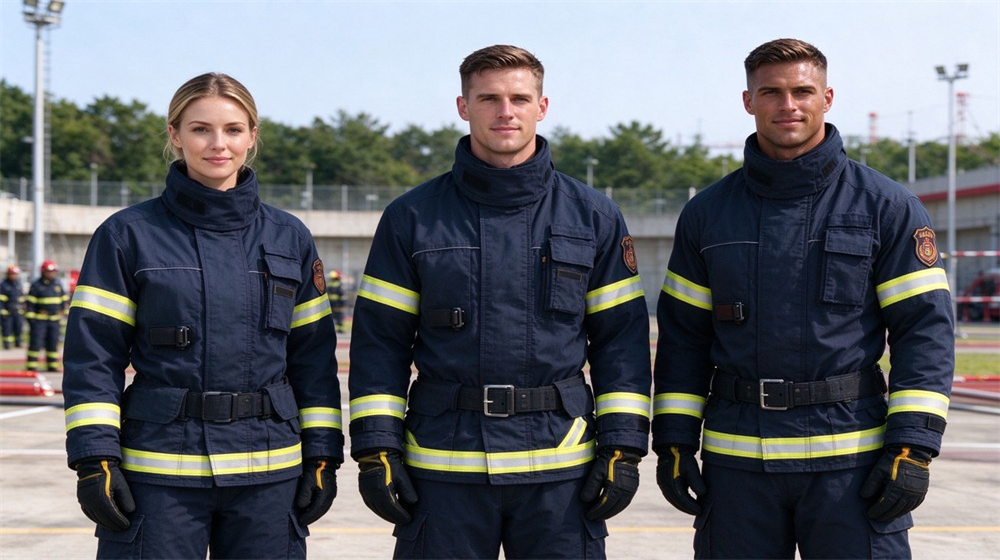
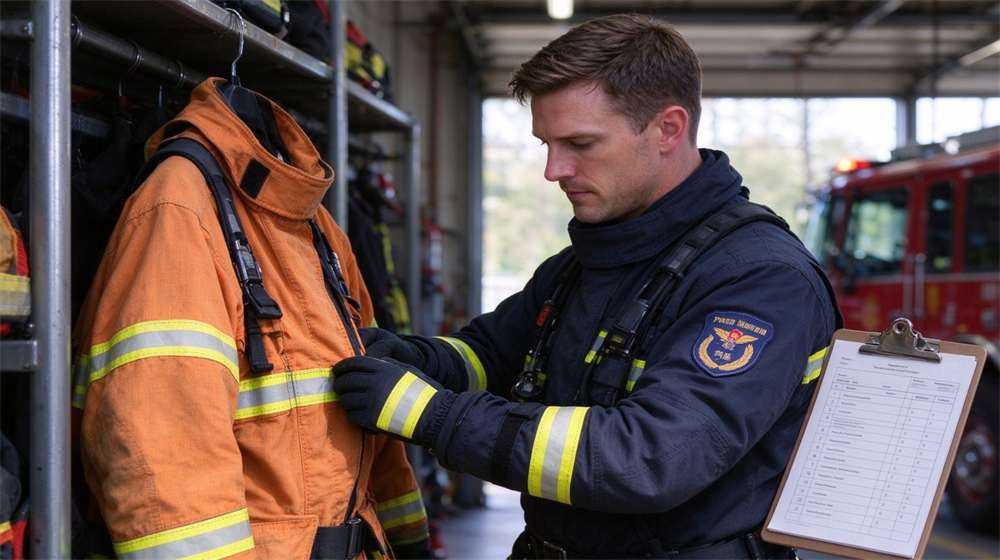
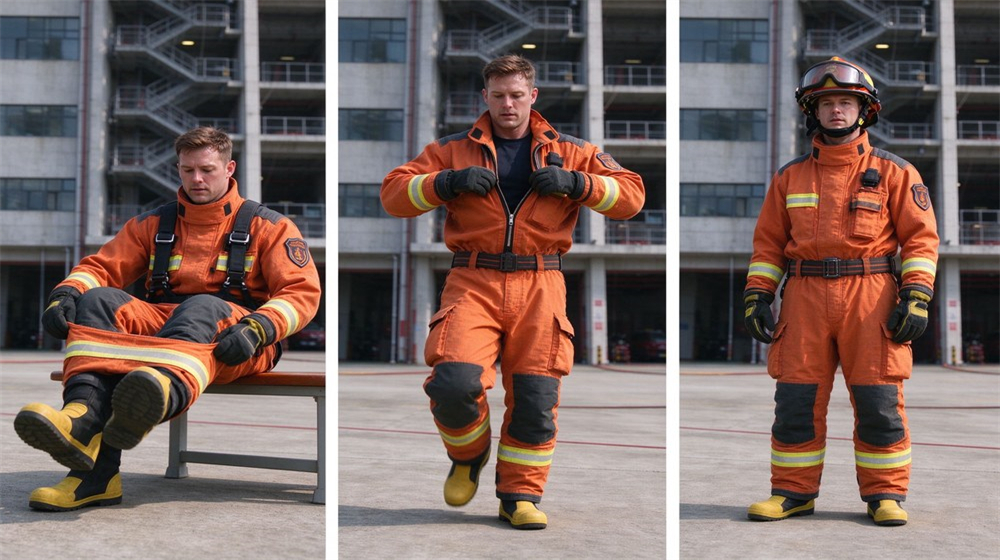
A coat that fits on the hanger may not fit on a moving body. Each firefighter should be measured in station wear, then sized with a mobility test: squat, reach overhead, crawl on knees and simulate pulling a hose. Sleeves should reach the wrist bone when arms are down. Pant hems should sit at the top of the boot. Women firefighters and smaller recruits should not be issued a modified small male cut. Modern manufacturers offer gender specific patterns with adjusted shoulders, sleeves and rise. Sizing is the first PPE buying decision, not a fitting room detail.
First, confirm gear color. Turnout gear color does not affect performance. Second, confirm LOGO embroidery placement. An economical logo done at an incorrect location can block the moisture barrier seam. Third, confirm a second fitting. A coat that feels fine standing still may bind when the wearer crawls. Fourth, confirm sizing across a changing roster. Order a measured sample for every body type before the bulk run. For deeper specs on shell weights and liner options, see the firefighter turnout gear page.
|
Layer Build |
Heat Protection |
Weight |
Recommended Mission |
|
3 layer standard |
Good for structural flashover |
Moderate |
Urban structural, volunteer |
|
4 layer reinforced |
Higher, longer exposure |
Heavier |
Industrial, proximity, aviation |
|
Wildland specific |
Lower radiant, high breathability |
Lightest |
Brush, forest, interface |
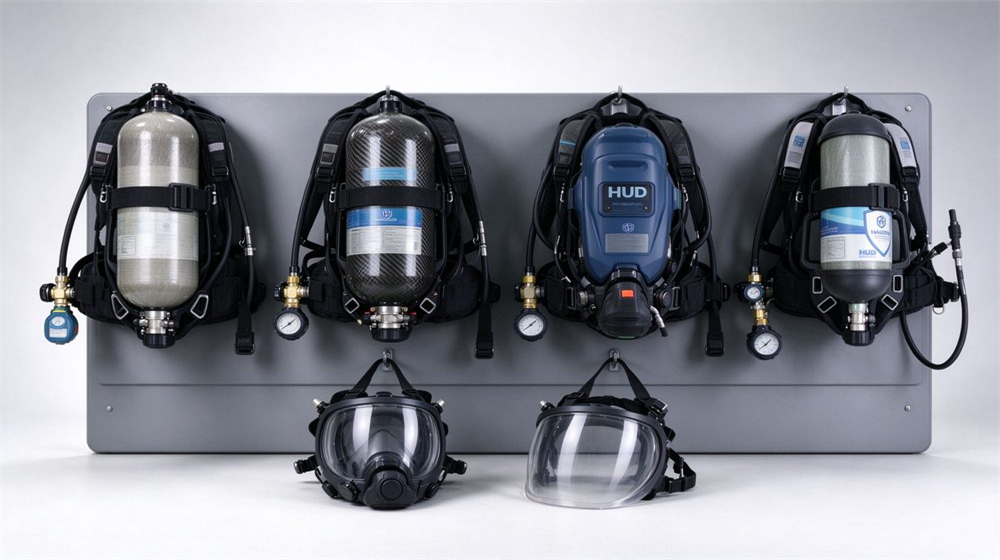
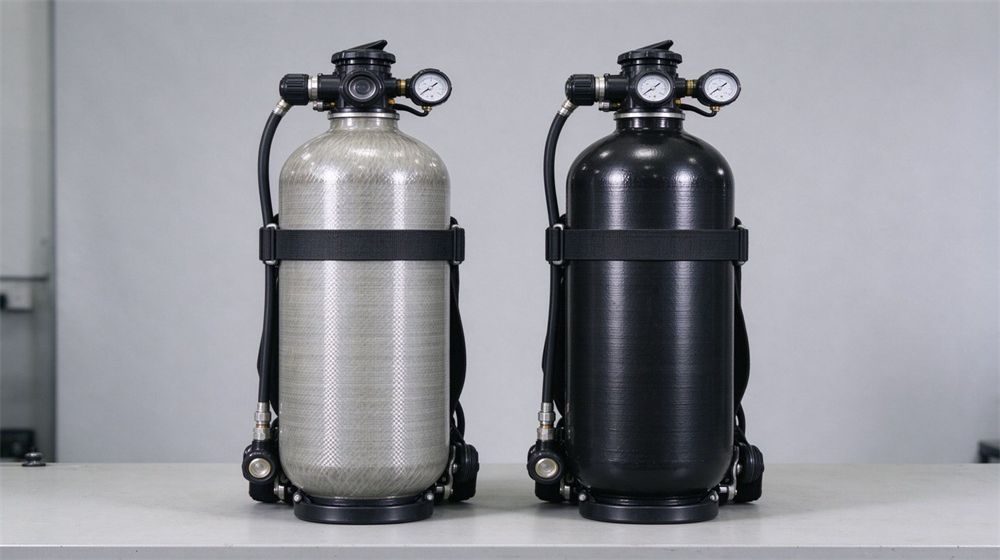
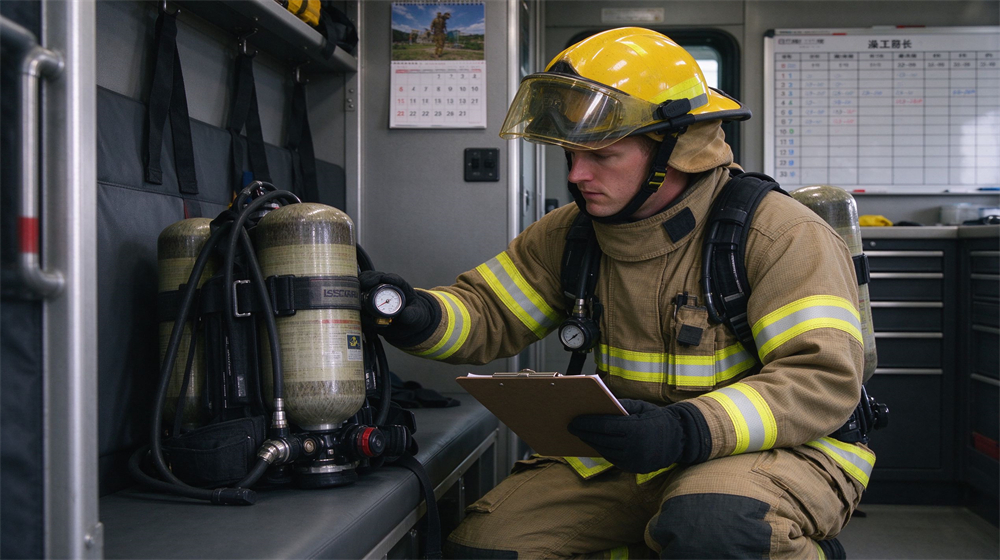
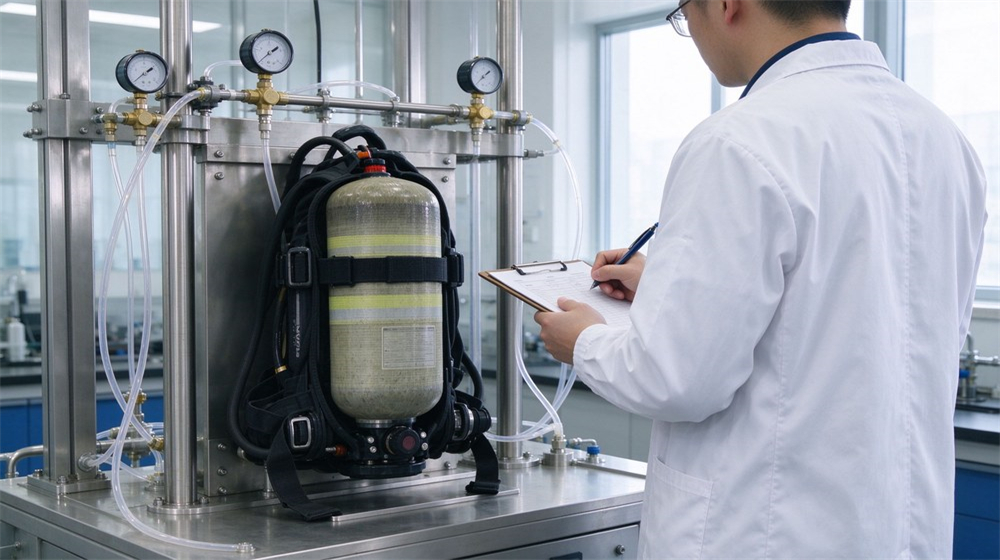
The self contained breathing apparatus is the single piece of gear that turns a smoke filled room from a tomb into a workspace. A suboptimal SCBA buying guide decision is the one crews feel in their lungs before they feel it anywhere else. Cylinder duration, material, mask seal and alarm logic are the four variables that matter on the fire ground. This section walks through each one in plain terms.
A nominal 30 minute cylinder gives about 15 to 18 minutes of actual working air under moderate effort. A 45 minute cylinder gives 25 to 30 minutes. A 60 minute cylinder gives 35 to 40 minutes. The rated time is measured at rest. Working crews breathe faster, carry gear and climb stairs, so the real duration is always shorter. Choose 45 minute cylinders for standard structural companies that expect to operate in pairs and withdraw on air management. Choose 60 minute cylinders for industrial teams, confined space entry and rural responses where backup is far away. Never buy a 30 minute cylinder for interior attack unless it is a training piece.
A carbon fiber wrapped cylinder weighs roughly half of a steel cylinder of the same capacity. That difference is the weight a firefighter carries on every entry. Carbon fiber is the default for modern fire service because reduced fatigue means longer work cycles and less neck strain. Steel cylinders cost less upfront and tolerate rough handling, but the weight penalty is real. The SCBA buying guide rule is simple: carbon fiber cylinder for frontline crews, steel for training yards and stationary backup sets. Both cylinder types are tested to the same pressure standard; the difference is material and weight, not safety.
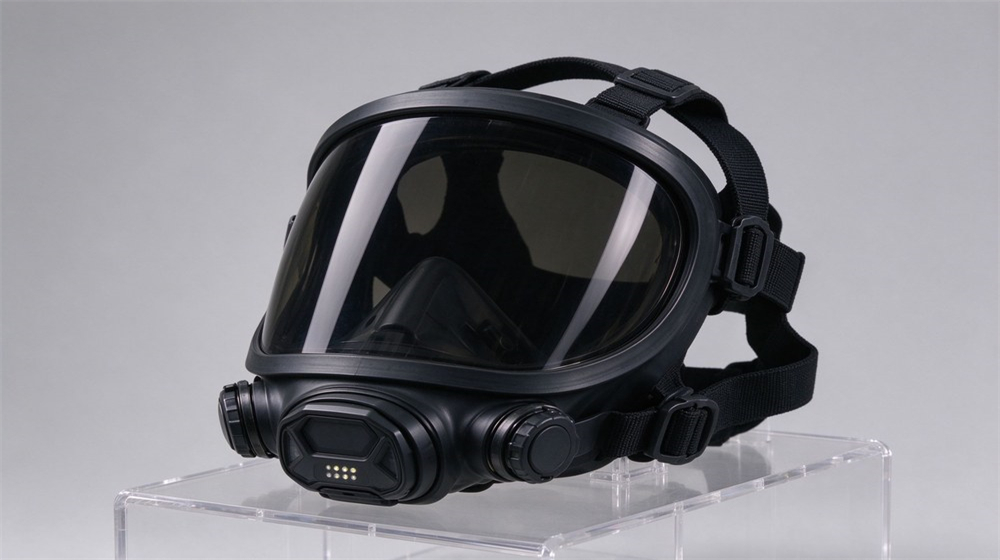
The facepiece is the point where the gear meets the body. A mask that leaks at the seal means the whole rig is useless. Silicone seals outlast rubber seals and remain flexible in cold weather. Polycarbonate visors resist impact but scratch over time, so a scratch resistant coating matters. Try on the mask with glasses, a beard guard and the helmet strap before ordering. Beards break the seal, and this is not a negotiable item. A voice amplifier module helps in noisy industrial plants but adds battery maintenance. Buy masks in two sizes per crew, because one size never fits every face.
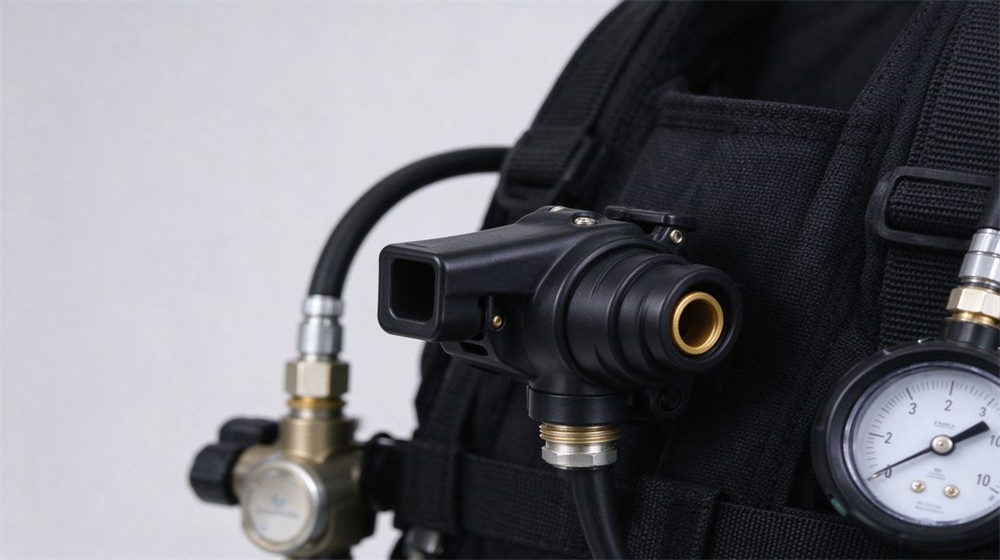
The low air alarm is the backup brain of the SCBA. It must sound at around 55 bar, loud enough to be heard through the mask and the noise of the fire ground. A regulator that free flows when the cylinder valve is opened means air leaks out before entry. Test the alarm on every sample you receive. A good SCBA buying guide checklist includes a low air alarm, a buddy breathing option, a quick disconnect for RIT intervention and a pressure gauge that glows in low light.
First, confirm mask sizes for every face. Ordering only one mask size leaves half the crew with a marginal seal. Second, confirm hydrostatic retest documentation on used or demo cylinders. Third, confirm back frame integration with the turnout coat collar. Fourth, confirm communication: a mask without a radio interface forces crews to shout over air noise. Ask the supplier for a sample unit, let the most senior firefighter on the shift wear it for a drill, and write down the complaints before approving bulk. For component details and accessory options, see the SCBA air breathing apparatus page.
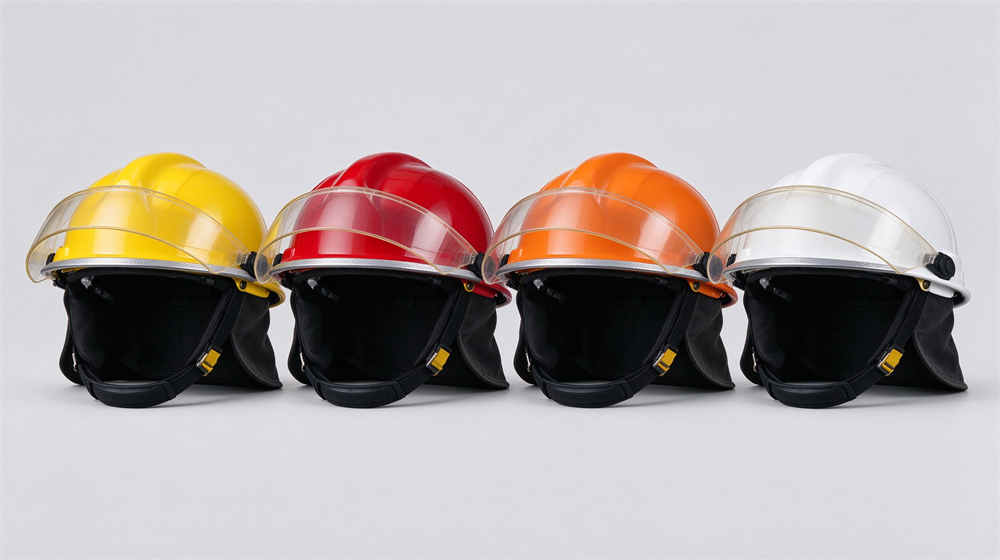
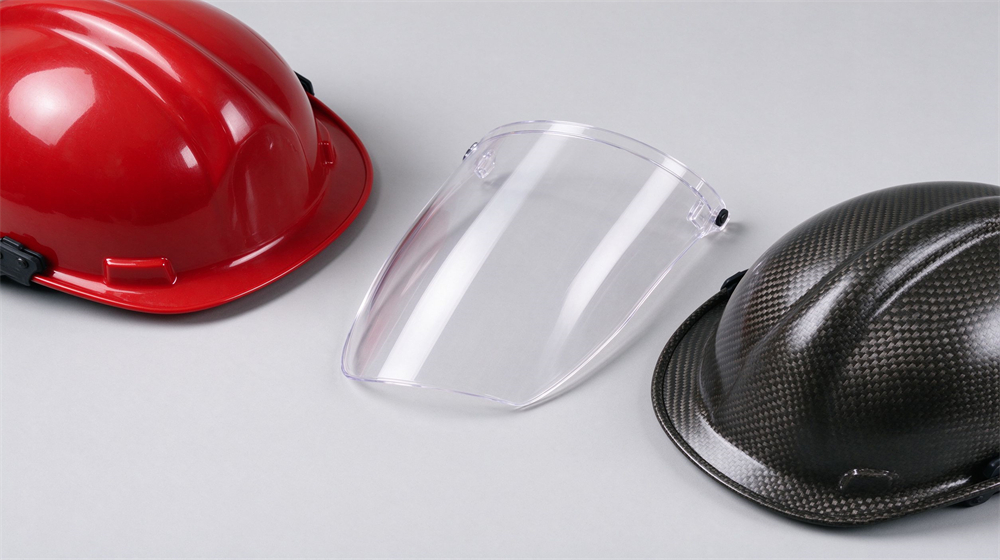
The helmet is the most visible piece of head protection and the one that takes impacts you never see. Falling plaster, overhead pipe work and flashover radiant heat all land on the shell. A fire helmet selection that looks identical on the rack can differ by shell material, impact liner and visor system. This section covers the four buying decisions that matter.
ABS shells are the affordable baseline, impact resistant but heavier. Polycarbonate shells are lighter and more heat resistant, commonly used in modern structural helmets. Composite shells, fiberglass or Kevlar blended, sit between cost and performance and resist cracking under repeated thermal cycling. Do not buy a shell based on weight alone. A lighter helmet that cracks on the first impact is not a saving. Ask for the impact test report and the heat deflection rating, and match the helmet shell grade to your mission: polycarbonate for structural, composite for industrial, lightweight wildland for brush work.
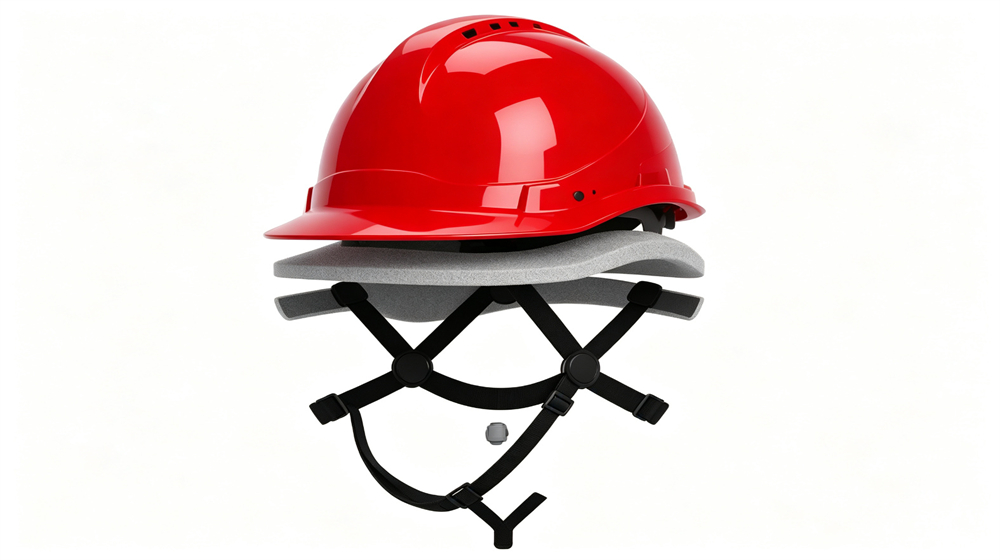
The shell is the outer layer. The impact liner is the layer that actually protects the skull. Expanded polystyrene or EPP foam sits between the shell and a four point suspension webbing. A good helmet lets you adjust the rear fit knob so the shell does not rock when the firefighter looks down. The chin strap must stay fastened under load. A helmet that tilts forward when the wearer crawls has struggled to do its job, regardless of the shell grade.
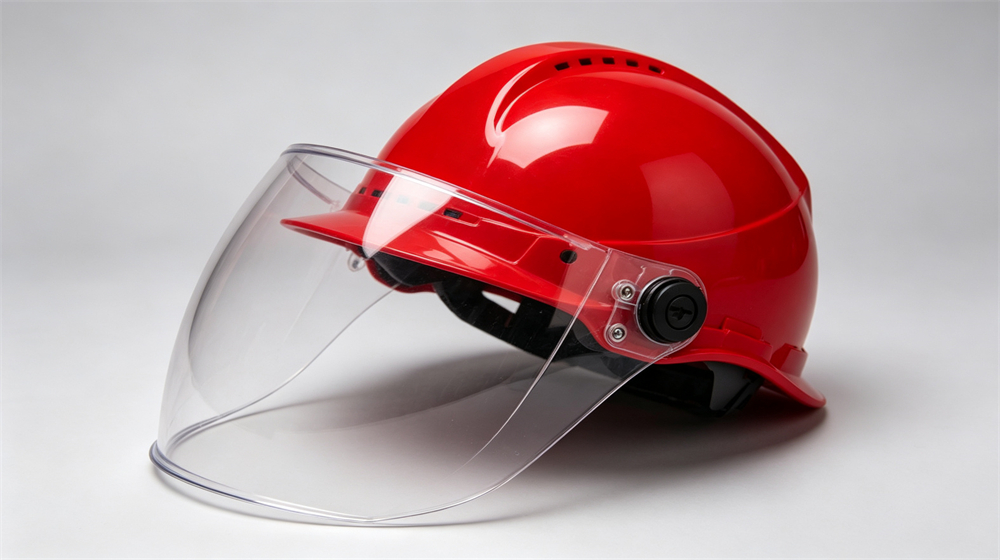
A structural helmet carries a clear polycarbonate visor that drops for eye protection during interior attack. A secondary shroud or goggle port fits underneath for smoke and debris. The Nomex neck flap protects the neck from radiant heat and catches sweat. Buy a helmet with a visor that locks in both up and down positions, because a visor that flops down unexpectedly during a crawl blocks vision. Lamp mounts are standard for scene lighting. confirm helmets that require a proprietary lamp brand; the crew should be able to fit any standard LED headlamp. For helmet model lineups and accessory options, see the fire helmet page.
First, confirm helmet type matches the mission. A wildland helmet for structural work is ventilated and brimmed; it is not impact rated for interior collapse. Second, confirm chin strap hardware. Plastic buckles break in cold weather. Third, confirm a replaceable liner. A helmet shell that lasts ten years but a liner that cannot be replaced becomes a paperweight after five. Fourth, confirm the department color standard. Color is cosmetic, but the liner, strap and visor are not.
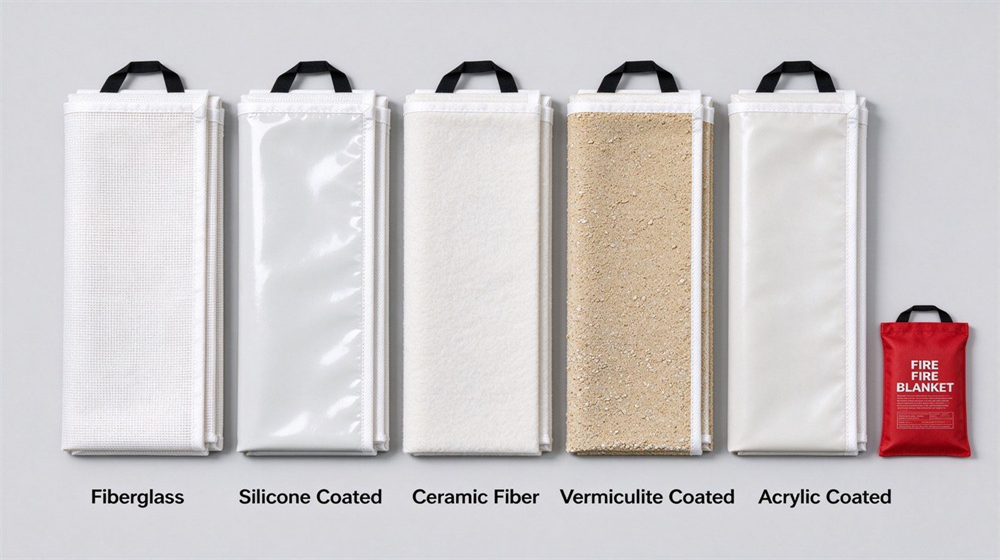
Basic fiberglass blankets are affordable but shed fibers and scratch easily. Silicone coated fiberglass blankets are more flexible, cleaner to handle and resist grease penetration. Vermiculite coated blankets add heat resistance for welding and workshop tasks. Wool blankets serve as an escape wrap rather than a smothering tool. For commercial kitchens and hotel corridors, silicone coated fiberglass is the default. For welding bays and factories, choose the heavier vermiculite or aramid option. Do not buy an untreated fiberglass blanket for a kitchen; it will stiffen after a single use and may break when pulled from the pouch. This fire blanket material choice drives both cleanliness and replacement cycle.
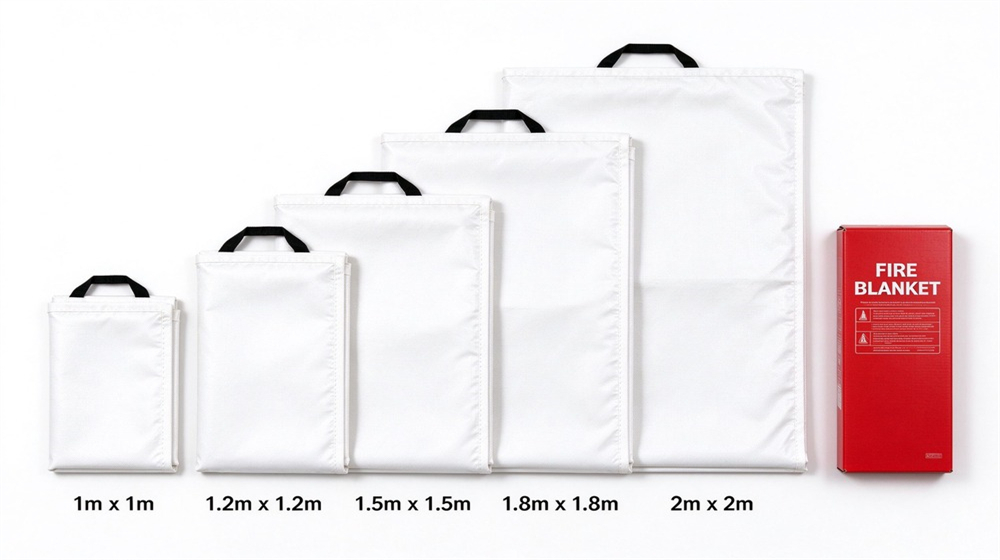
A 1 by 1 meter blanket covers a small pan. A 1.2 by 1.8 meter blanket fits a commercial stove. A 1.8 by 2 meter blanket covers a workbench or a standing person. A 2 by 2 meter blanket serves a vehicle engine bay. The fire blanket buying guide rule is to stage the size that matches the largest expected fuel, not the smallest. A hotel room needs a 1.2 by 1.8 meter blanket at the closet. A kitchen needs one near the exit, not above the stove. A workshop needs a large blanket at the welding bench. Size is a safety decision, not a wall decor choice.
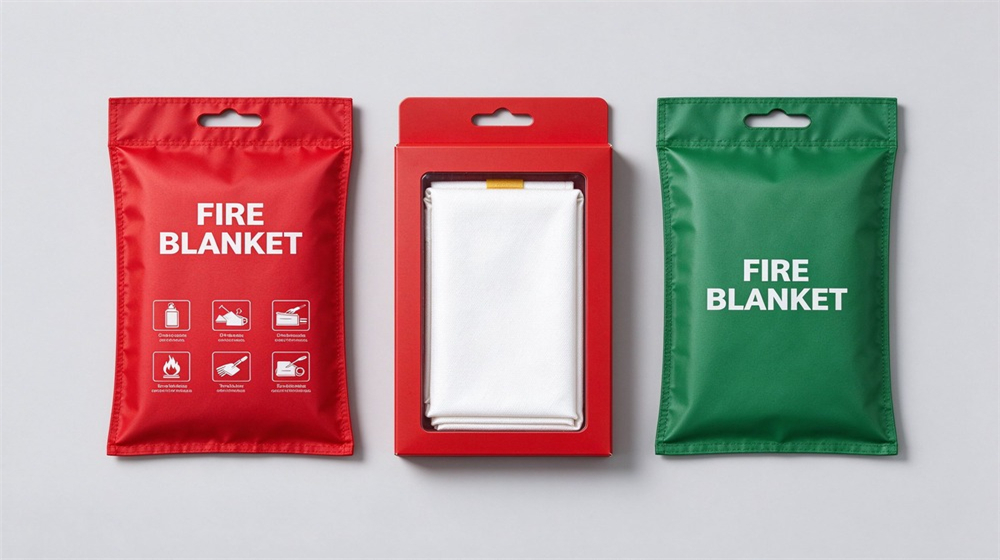
A soft carry pouch is economical and wall mountable, but it tears after years of handling. A rigid red box opens with a pull tab and is easier to grab in a panic. The box must be red, clearly labeled in English, and mounted at shoulder height near the exit. Confirm the box opens with one hand. The pull tabs should hang down so a user can yank the blanket out without reading instructions. For school and hotel programs, the rigid box is the right choice even though it costs more per unit. For factory floors where the blanket lives on a cart, a soft pouch is acceptable. See the fire blanket page.
First, confirm the mounting location. Mounting the blanket above the stove means the user has to reach through the fire to grab it. Second, confirm blanket material. Untreated fiberglass sheds fibers onto food prep surfaces. Third, confirm blanket quantity. A large floor needs more than one blanket; stage one blanket per 200 square meters of occupied space. Fourth, confirm the replacement cycle. A used blanket is retired, not washed and reused. Once a blanket has smothered a fire, the coating is degraded. Replace it, write the date on the box and train the staff on the replacement cycle.
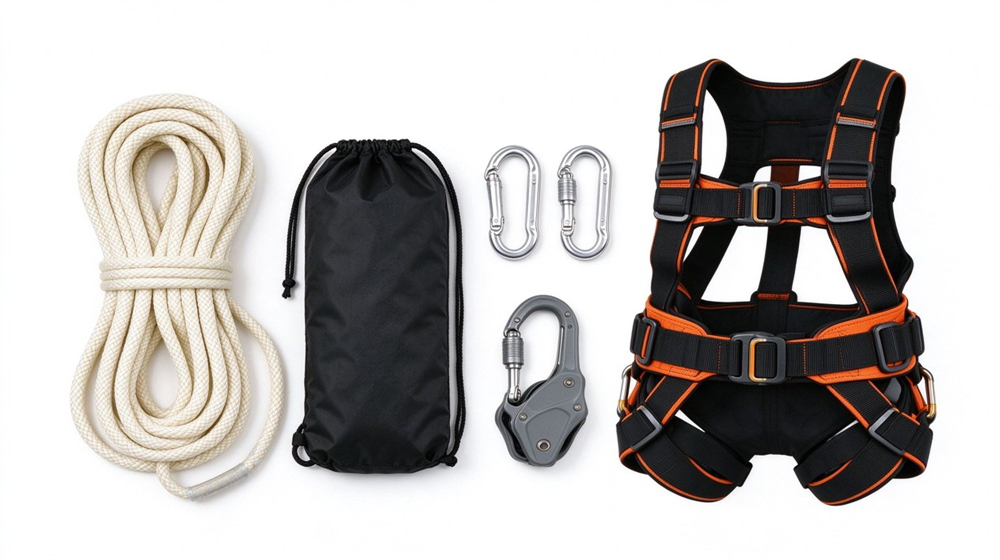
An escape rope is the last option when the stairs are gone. It is not a climbing rope for recreation and not a static line for hauling cargo. It is a rescue system that a firefighter or building occupant uses once, in panic, while the floor behind burns. An escape rope selection covers the rope itself, the descender, the harness and the anchor system. Buy an incorrect piece and the whole system struggles.
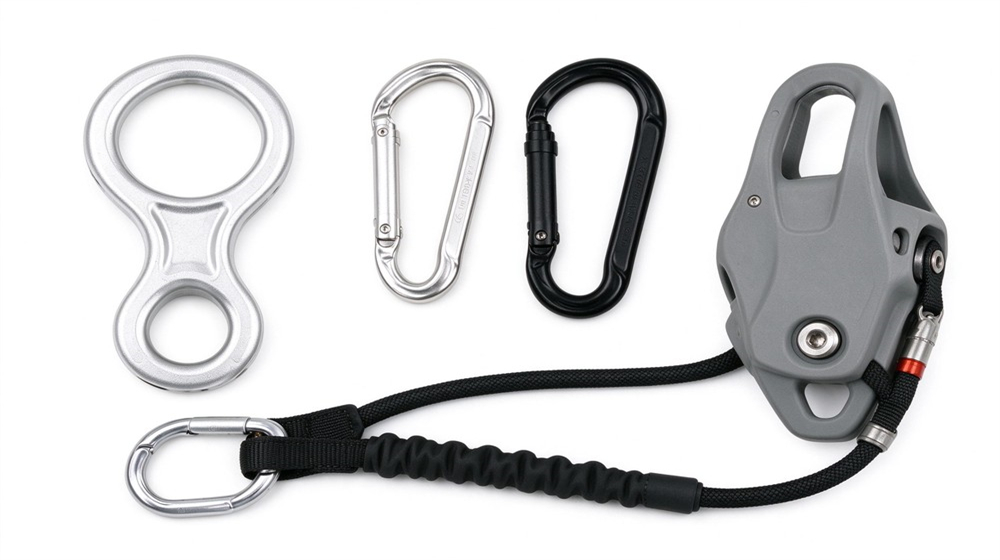
A figure eight descender is the classic, economical and simple, but it heats up on long raps and can twist the rope. A rack descender adds friction bars and suits heavy loads. A self braking descender locks off when the user lets go, which is the safest choice for untrained occupants and emergency egress.
For fire service interior teams, a self braking or controlled descent device is the default. For training and technical rescue, a rack or figure eight gives the instructor more control. Do not buy a descender that requires the user to remember three steps under stress. Emergency gear must work on the first pull. This escape rope descender choice is the difference between a smooth evacuation and a panic stop at the window.
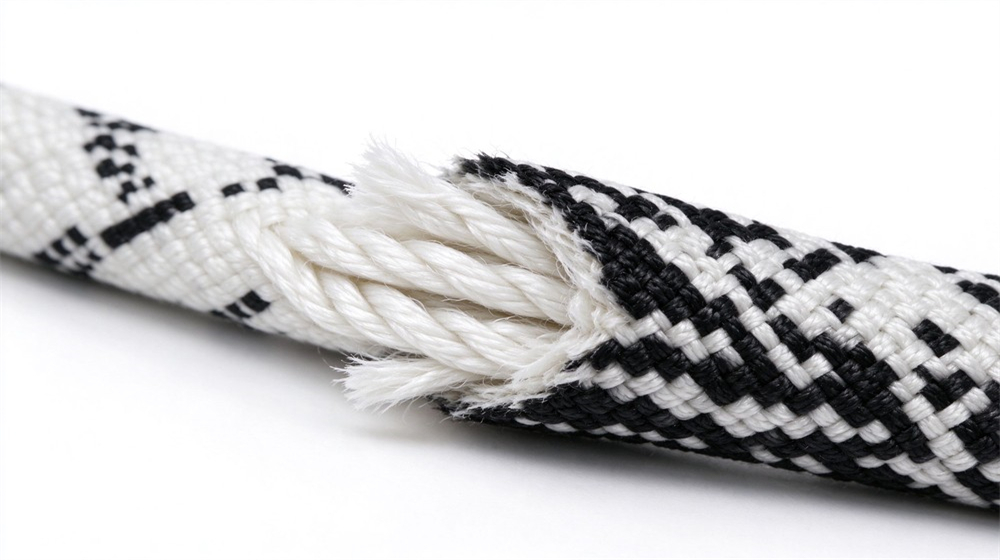
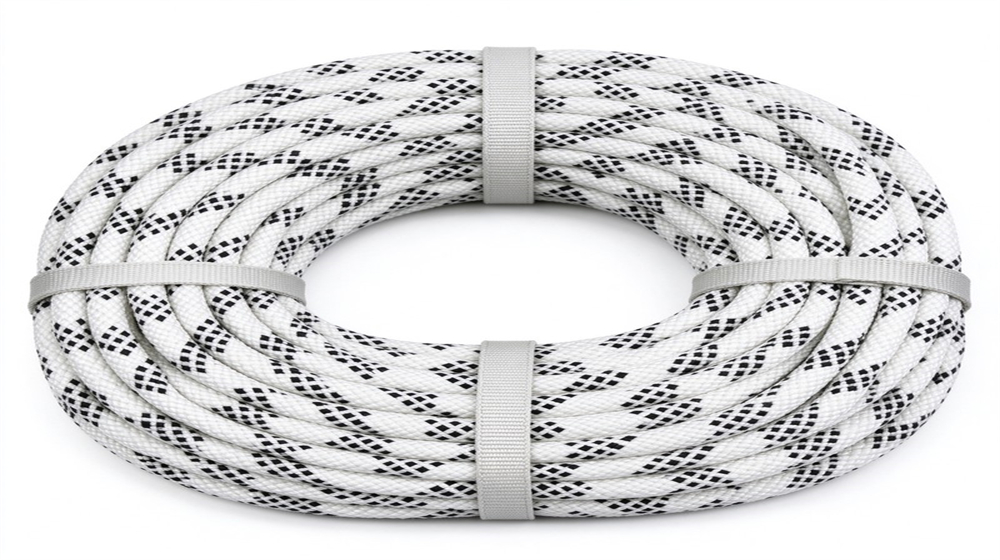
An escape rope is a static kernmantle rope, typically 9 to 11 mm diameter, 10 to 30 meters long. Static rope does not stretch, which is what you want for a controlled descent. Dynamic climbing rope stretches and bounces the user, which is dangerous in a window. The core should be parallel filaments, the sheath tightly braided. Buy rope rated to a rescue standard, not a hardware store polyester line. Length is matched to the building floor height: 10 meters for a two story exit, 20 meters for a five story window, 30 meters for taller structures staged at designated anchor points.
A chest harness alone is not enough for a long descent. A full body harness with front and rear D rings distributes the load across the legs and chest. It must don quickly over turnout gear, because the user is already wearing heavy clothes. Look for leg loops that adjust with one hand and a dorsal D ring that clips to the descender. confirm harnesses that require stepping into leg loops while standing on a windowsill. A fast donning chest and seat combo is the emergency compromise. For harness anatomy and sizing, see the escape rope and safety harness page.
The well-built rope struggles if it is tied to a pipe. A rescue anchor must be a rated structural point: a bolted beam, a column flange or a permanent rescue anchor plate installed during construction. Training should teach crews to identify anchors before an evacuation, not after. Stage the rope, descender and harness in a marked bag near the window, with a quick reference card showing the anchor points on that floor. A rope that is bought but never anchored in a drill is a rope that will struggle on the night it is needed.
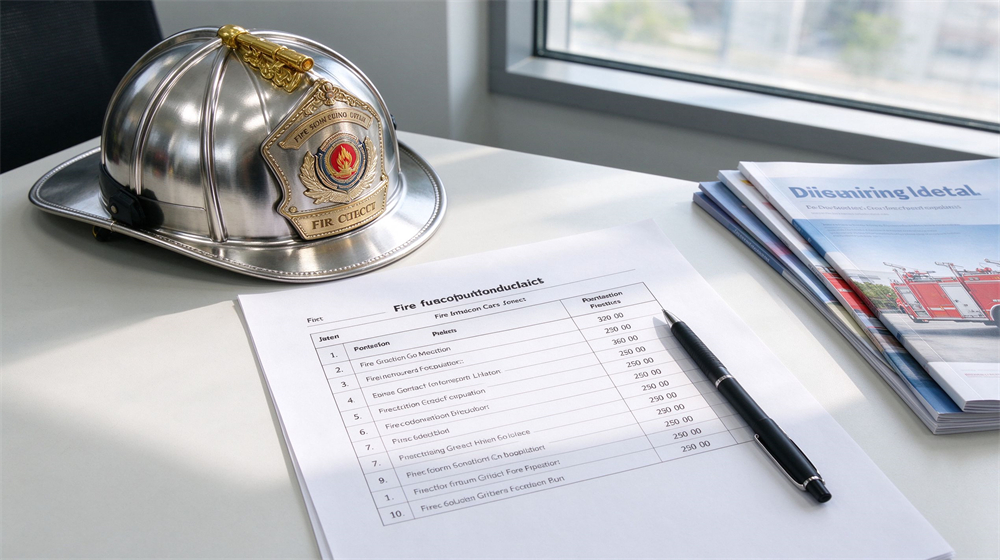
Start with the mission profile. Note the building type, the fuel loads, the expected response team size and the backup response time. Then list each gear category and the quantity per firefighter. Turnout coat and pants in measured sizes. One SCBA per firefighter plus two spare cylinders. One helmet per firefighter in the right shell grade. One fire blanket per floor or zone at the rated size. One escape rope kit per designated evacuation point. Add gloves, boots, hoods and gloves as consumables. The checklist also records test reports required, sample approval process, custom LOGO placement, packaging and delivery per contract. This is the core of any firefighter PPE selection workbook.
The checklist also asks the supplier four questions that filter out brochure bidders. First, can you provide third party test reports for each item in this list? Second, can we order a sample pilot for five firefighters before the bulk run? Third, what is the spare parts policy for masks, regulators, liners and straps after delivery? Fourth, can you commit to the sizing, LOGO and packaging requirements in the tender? A supplier that hesitates on any of these four questions does not make the shortlist, regardless of price.
Finally, the checklist records the internal approvals: fire chief sign off on mission profile, EHS manager sign off on standards, finance sign off on budget envelope, warehouse sign off on storage location. A gear order that arrives without these signatures in place is a gear order that sits in a carton for six months while everyone figures out who owns it. The checklist closes that loop before the first PO is issued.
|
Category |
Per Firefighter |
Key Spec to Verify |
|
Turnout gear |
1 coat, 1 pants, measured |
TPP, THL, layer count |
|
SCBA |
1 unit plus spare cylinder |
Cylinder duration, alarm at 55 bar |
|
Helmet |
1, matched to mission |
Shell grade, visor lock, chin strap |
|
Fire blanket |
1 per zone, not per person |
Size matches largest expected fire |
|
Escape rope |
1 kit per evacuation point |
Static kernmantle, self braking descender |
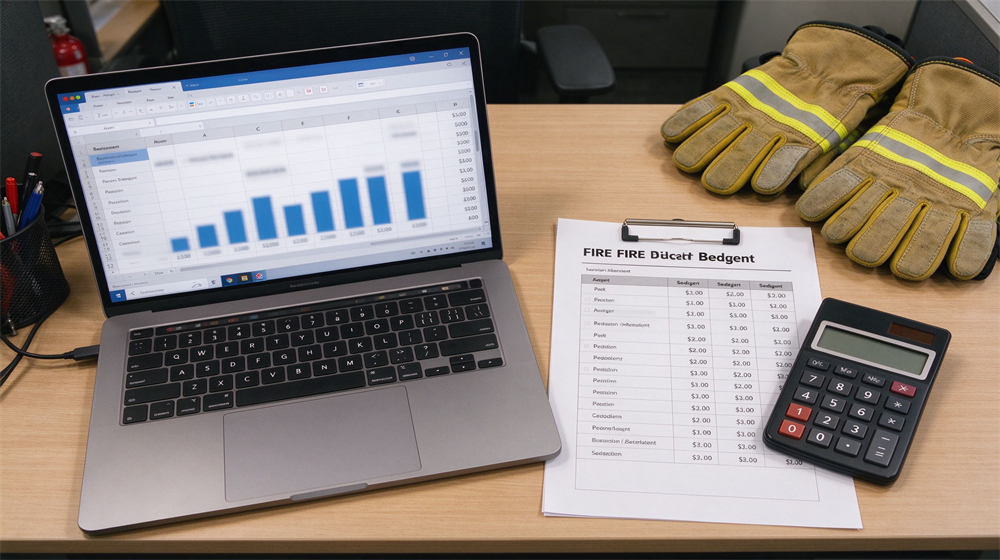
The hardest conversation in fire procurement is not with the supplier. It is with the finance department. A fire gear budget allocation conversation goes better when you can show a table, not a lump sum. This section gives you the framework. Exact figures are agreed per contract based on configuration and volume, but the relative proportions below hold across most departments.
Typically, turnout gear is the largest line item per firefighter, because it is a two piece garment in measured sizes. SCBA is the next largest, driven by the cylinder and the regulator. Helmets sit in the middle. Blankets and ropes are small per unit but easy to under budget. Gloves, boots, hoods and spare parts are consumables people forget. A useful rule is to budget fifteen to twenty percent of the gear order as a spare and consumables reserve, because the first year always needs replacement seals, filters and repair kits.
Confirm that you are not spending the whole budget on day one gear and leaving nothing for replacement. A ten year service plan means budgeting for half the fleet to be refreshed in year five. That planning conversation is easier if the first order already includes a maintenance line in the budget, the same lifecycle logic the FEMA grant procurement framework expects. A low-price order with no maintenance budget becomes an expensive emergency order three years later. The fire gear budget allocation that works treats procurement as a ten year cycle, not a single purchase. This is the core message of every fire equipment buying guide written for finance departments.
|
Category |
Share of Gear Budget |
Notes |
|
Turnout gear |
Largest share |
Measured sizes, LOGO, replacement cycle |
|
SCBA and cylinders |
Second largest |
Spare cylinders and masks add cost |
|
Helmets |
Mid share |
Visor, lamp mount, spare liners |
|
Blankets and ropes |
Smaller per unit |
Stage by zone, not per person |
|
Consumables reserve |
15 to 20 percent |
Gloves, boots, seals, filters |
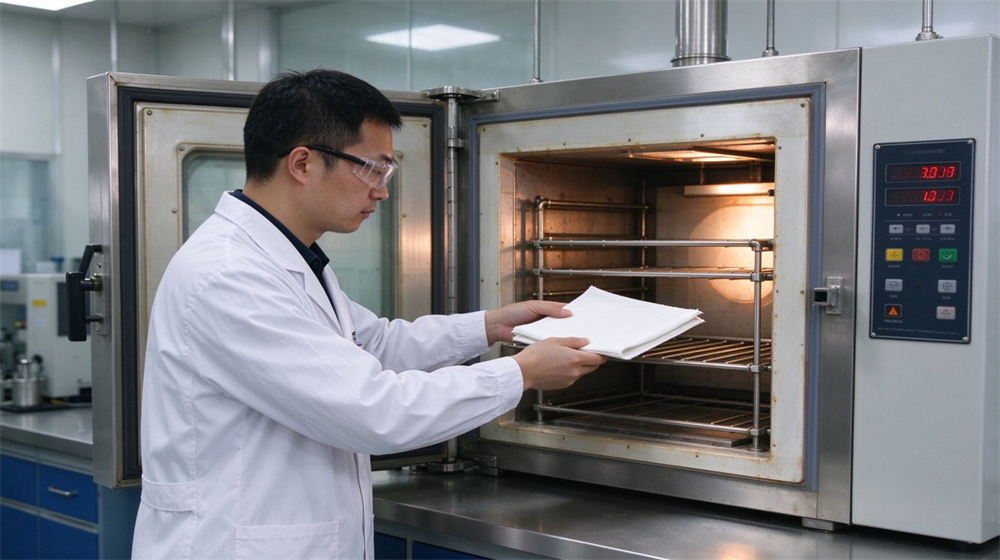
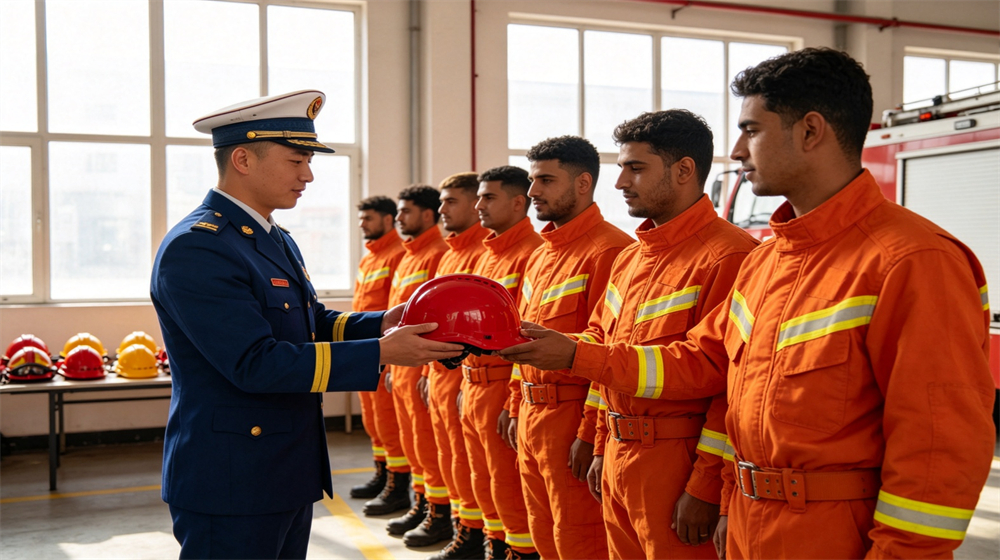
Structural turnout gear is tested to EN 469 in Europe and NFPA 1971 in North America. SCBA is tested to EN 137 in Europe and NFPA 1981 in North America. Fire helmets are tested to EN 443 and NFPA 1971. Fire blankets are tested to EN 1869. Harnesses are tested to EN 361 for full body and EN 358 for work positioning. Rescue ropes are tested to EN 892. The exact standard depends on the destination market, but the principle is the same: test reports are required, and the supplier must provide them per lot.
We use the wording tested to rather than accredited on our datasheets, because accredited implies a permanent endorsement that depends on a notified body audit. Tested to certification standards means the item has passed the relevant laboratory tests and the report is on file. For government tenders, ask for a compliance matrix that maps each tender clause to a test report number. That matrix is the document that wins the bid review, not the product photo on the cover page. See the turnout gear page for standard references on shell and liner construction.
|
Equipment |
European Standard |
North American Standard |
|
Turnout gear |
EN 469 |
NFPA 1971 |
|
SCBA |
EN 137 |
NFPA 1981 |
|
Fire helmet |
EN 443 |
NFPA 1971 |
|
Fire blanket |
EN 1869 |
UL for fire blankets |
|
Harness and rope |
EN 361, EN 892 |
ANSI Z359 |
The purchase price is the first bill, not the final bill. Over a ten year service life, cleaning, inspection, repair parts and eventual retirement typically add up to as much as the original purchase. A fire equipment buying guide that ignores maintenance is a guide that will surprise the finance team. This section covers the maintenance rhythm that keeps gear in service and the total cost of ownership math that makes the budget honest. For example, emergency lighting bulk buyer guide for disaster response.
Turnout gear gets cleaned after heavy use and inspected after every call. Contaminated gear is washed on schedule rather than stored dirty. SCBA units get a pressure check before each shift and a full flow test annually. Cylinders go through hydrostatic retest on the required schedule. Helmets get shell and liner inspection annually. Ropes and harnesses get a visual check after every use and a formal inspection each year. Each task needs a logbook, a responsible officer and a calendar, in line with OSHA recordkeeping practice. Without the logbook, maintenance is folklore, and folklore does not pass an audit.
Total cost of ownership is the number that changes the buying decision. A slightly more expensive gear with better spare parts availability and documented maintenance intervals often beats a lower-price gear that disappears from the market after two years. When you compare two quotes, add the projected ten year maintenance, repair and replacement cost to each, then compare the totals. The lowest purchase price is rarely the lowest total cost. A supplier offering replacement masks and regulator parts years after delivery is worth a premium on the first invoice. For EHS teams, see the factory fire safety guide and the fire fighting equipment aggregation page.
These answers summarize the questions procurement officers ask most often when they put a fire equipment buying guide to work. Each reply is written so you can paste it into an internal note or a tender clarification.
A structural firefighter ensemble including turnout gear, SCBA, helmet, gloves and boots typically falls in a mid to high price range depending on layer count, cylinder material and helmet grade. Budget allocations and exact figures are agreed per contract based on configuration and volume.
Carbon fiber wrapped cylinders weigh about half as much as steel and reduce fatigue on long attacks, but cost more upfront. Steel cylinders are more cost-effective and more damage tolerant but heavy. Choose carbon fiber for interior attack and extended operations; steel suits training yards and stationary backup sets.
Three layer turnout gear has an outer shell, moisture barrier and thermal liner. Four layer adds a reinforcing or comfort layer, improving durability and heat resistance but adding weight. Three layer suits most structural departments; four layer suits industrial and proximity teams facing longer heat exposure.
Turnout gear is typically retired after ten years from manufacture or sooner if contaminated or damaged. SCBA cylinders follow a periodic hydrostatic retest schedule. Helmets, ropes and harnesses are inspected annually and retired on visible damage or after a serious impact. Maintenance logs drive the schedule.
TPP is Thermal Protective Performance, measuring combined conductive and radiative heat resistance. THL measures how well the gear releases body heat. Higher numbers mean better protection but usually heavier gear. Buyers should match ratings to their response profile, not chase the highest number.
Components should be tested together as an ensemble. A helmet from one maker, SCBA from another and turnout gear from a third may interface poorly at the seal, collar or strap. Where mixing is unavoidable, request a compatibility check and document the interface before bulk order.
A 1.2 by 1.8 meter blanket covers a typical stove pan fire. Larger kitchens and workshop areas should stage a 1.8 by 2.0 meter blanket. Mount it on the wall near the exit, not above the stove, so it can be grabbed while backing away from the fire.
A static escape rope stored clean and dry typically serves for five years, but every use, exposure to heat, chemical splash or visible sheath cut shortens that life. Retire a rope after any actual load, and inspect it annually for sheath flat spots or core showing through.
Common standards include EN 469 for structural turnout gear, EN 137 for SCBA, EN 443 for helmets, EN 1869 for fire blankets, EN 358 and EN 361 for harnesses, and EN 892 for mountaineering ropes. Ask suppliers whether each item is tested to these standards and request the test reports.
Price is not the only risk. Unknown suppliers may skip third party testing, omit seal integrity checks and use recycled shell fabric. Request sample evaluation, test reports and batch traceability before any bulk order. A low-price ensemble that struggles at the first fire costs far more than the saving.
Plan on one SCBA per interior firefighter on the shift, plus one spare cylinder per two teams and a complete backup set for major incidents. A four person engine company typically carries four SCBA plus two spare cylinders. Adjust for building size and mutual aid distance.
Purchase price is roughly half the ten year cost. The other half covers cleaning, inspection, repair parts, cylinder retesting, harness replacement, training wear and eventual retirement. A slightly more expensive gear with better service support often wins on total cost.
Voice amplifiers help in noisy apparatus bays and industrial plants, but they add battery and maintenance burden. Interior structural teams often skip them in favor of radio integrated masks. Industrial hazmat and confined space teams benefit most from amplified communication.
Do not just take in a small male cut. Modern manufacturers offer women specific cuts with shorter sleeves, narrower shoulders and adjusted rise. Have each firefighter measured in turnouts and perform a mobility test: squat, reach overhead, crawl and simulate a ladder climb.
Wildland helmets are lighter, ventilated and often brimmed for brush protection. Structural helmets are enclosed, impact rated and carry a face shield and chin strap for interior attack. Buy the helmet type for your primary mission; do not use a wildland helmet for interior structural work.
A fire blanket that has not been used on a fire can be gently brushed and inspected. Once used to smother a fire, it should be retired because heat and residue degrade the fiberglass or silicone coating. Replace rather than reuse after any activation.
Use a structural anchor rated for rescue loads: a bolted beam, a rated rescue anchor plate or a substantial column. Never anchor to a pipe, a window frame or a door handle. Practice anchor identification in drills before an actual evacuation.
Check four things: third party test reports per standard, sample evaluation for fit and finish, production capacity and lead time per contract, and after sales support for spare parts and replacement sizes. A supplier that cannot provide all four should not make the shortlist for a government tender.
YRF Fire Equipment Buying Program
Wholesale firefighter PPE, SCBA, fire helmets, fire blankets, escape ropes and safety harnesses for fire departments, government procurement, industrial EHS teams and emergency response programs. Documentation per contract.
Przyjazne linki :
prawa autorskie © Custom Disaster - Relief Bedding: Tents, Sleeping Bags, Blankets Wszelkie prawa zastrzeżone
profesjonalny zespół do obsługi !