×
wprowadź swoje słowo kluczowe
our storage
Kategorie
Fire Safety Products
Fire Safety Products: Unrivaled Fire Safety Gear

Use our most advanced fire safety products to protect your safety. Experience the peace of mind brought by our powerful fire extinguishers and durable fire blankets. Our products are designed for early detection, quick response and instant protection. Explore unparalleled fire safety with our quality solutions now!
Pogląd :

Grid View List View
<< 1 2

Łącznie 2 strony

High-Rise Emergency Escape Equipment and Fire Escape Gear for Apartments


Quick Navigation

  • Escape Descent Device
  • Smoke Hood
  • Fire Blanket
  • Escape Rope Systems
  • Smoke Alarm
  • Emergency Lighting
  • Escape Ladder
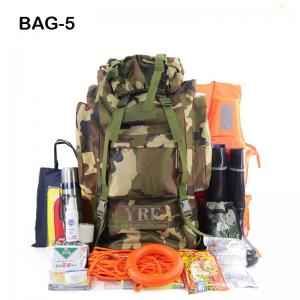
  • Emergency Escape Kit
  • Equipment List & Comparison
  • 30-Second Quick Selection
  • Scenario-Based Selection
  • Payment & MOQ
  • Packing & Shipping
  • Quality Control
  • After-sales Support
  • FAQ


When a fire starts on a lower floor and smoke fills the stairwell, residents on upper floors need equipment that works in seconds. This guide covers the ten product groups used in high-rise residential escape planning, from escape descent devices for 15th-floor residents to smoke hoods that buy 30 minutes of clean air. Property managers, building owners and community procurement teams use this page to match equipment to floor height, household count and common-area zones. As a trusted China supplier of high-rise escape equipment, we provide wholesale pricing, OEM private label customization and bulk government procurement support for fire escape equipment worldwide.


High rise emergency escape equipment showing 22 warehouse pallet storage asian for government building safety procurement


All products are sourced from verified manufacturers in China. We can help arrange third-party test reports based on your project requirements. Lead time and quantities are subject to final confirmation.


Escape descent device kit for high-rise building evacuation white background product


1. Escape Descent Device: Core Product for High Rise Evacuation and Building Evacuation Equipment

The escape descent device for high rise buildings features automatic speed control and is suitable for floors up to 30 stories.


Fire blanket folded for residential fire safety white background product


An escape descent device is a controlled-descent system that lets a resident lower themselves from a window or balcony to the ground safely. It uses a centrifugal or friction brake to maintain a constant speed regardless of user weight.


Smoke hood vacuum sealed package for emergency evacuation kit white background

How It Works

  • Anchor point: Attach the device to a pre-installed wall bracket, window clamp or balcony railing.
  • Harness: Put on the chest or full-body harness, connect the carabiner to the descent line.
  • Descent: Step out the window. The brake automatically controls speed at 0.5 to 1.5 meters per second.
  • Reuse: After one person reaches the ground, the line returns to the starting point for the next user.

Key Parameters

  • Load capacity: 100 kg (single person) to 200 kg (two persons or person + child)
  • Descent speed: 0.5 to 1.5 m/s (safe landing speed)
  • Rope length: 10 m (3-4 floors), 20 m (6-7 floors), 30 m (9-10 floors), 50 m (15-17 floors)
  • Rope material: Galvanized steel wire rope or high-strength polyester webbing
  • Brake type: Centrifugal automatic speed limiter (most common) or friction brake
  • Installation: Wall bracket with expansion bolts, window clamp, or balcony fixed anchor
  • Applicable floors: 5 to 30 floors (depending on rope length)
  • Certification: CE, GB 21976 (China fire safety standard)

Selection Note

For buildings above 30 floors, escape descent devices alone may not reach the ground. Combine them with smoke hoods for shelter-in-place waiting, and coordinate with building refuge floors and fire elevator protocols.


Escape rope harness and descender set for high-rise building evacuation and rescue training


2. Smoke Hood and Escape Respirator for Fire Escape Equipment

Usage instructions: 1) Tear open vacuum packaging and remove hood. 2) Stretch neck seal and pull hood over head, ensuring neck seal fits snugly. 3) Breathe normally and evacuate immediately. Maximum protection time: 15 minutes. Do not use if packaging is damaged or expired. Also known as a smoke mask or escape respirator, this device filters toxic smoke and fumes during building evacuation.


Escape descent device used from an apartment balcony during high-rise evacuation practice


The smoke hood for fire escape provides up to 15 minutes of respiratory protection against carbon monoxide and toxic smoke.


Wall mounting bracket for apartment smoke alarm installation and residential emergency escape planning


A smoke hood (also called a filter-type fire escape respirator) is a single-use hood that filters carbon monoxide, hydrogen cyanide, smoke and toxic gases. It gives the wearer 15 to 60 minutes of clean air to walk through a smoke-filled stairwell.


Smoke alarm installed on an apartment ceiling for residential fire safety detection


Key Parameters

  • Protection time: 15 minutes (basic), 30 minutes (standard), 60 minutes (extended)
  • Filter targets: CO (carbon monoxide), HCN (hydrogen cyanide), smoke particles, toxic gases
  • Hood material: Aluminum foil flame-retardant fabric (reflects heat, withstands brief flame contact)
  • Visor: Large transparent anti-fog window for clear vision
  • Neck seal: Elastic neck band creates a seal around the neck
  • Activation: Tear open vacuum pack, remove both end plugs, pull over head, tighten neck band
  • Shelf life: 3 to 5 years (check manufacture date)
  • Certification: GB 21976.1 (China), CE EN 403 (Europe)

Placement

  • One per resident in each household (bedroom drawer or bedside table)
  • One per floor in common-area emergency cabinets
  • One per duty staff member in property management office


Emergency exit light installed in a building corridor for evacuation route visibility


3. Fire Blanket with Fire Blanket Size Guide for Residential Fire Safety

Available sizes: 1m×1m, 1.2m×1.2m, 1.5m×1.5m and 1.8m×1.8m. Material: 100% fiberglass fabric with optional silicone coating on one or both sides. Temperature resistance: 500°C (standard) to 1000°C (silicone-coated). Thickness: 0.3mm to 0.5mm. Packaging: hard plastic case or soft PVC bag with mounting bracket.


LED emergency flashlight for apartment power outages and high-rise evacuation readiness


A fire blanket is a woven fiberglass sheet that smothers small fires by cutting off oxygen. It can also be wrapped around the body to protect against heat and flames during escape.


Rope escape ladder for high-rise balcony evacuation and building emergency equipment planning


Key Parameters

  • Sizes: 1.0 x 1.0 m (kitchen pan fires), 1.2 x 1.2 m (standard household), 1.5 x 1.5 m (body wrap / larger fires), 1.8 x 1.8 m (commercial / body wrap for two persons)
  • Material: Woven fiberglass (basic) or silicone-coated fiberglass (higher heat resistance, easier to handle)
  • Temperature resistance: 550°C (basic fiberglass) to 1000°C (silicone-coated, short duration)
  • Packaging: Hard plastic case or soft pouch with pull tabs for quick access
  • Usage: Pull tabs to release, hold blanket by top corners, place over fire (do not throw), leave in place until cooled. For body wrap, wrap around shoulders and body before moving through heat.
  • Certification: CE, BS EN 1869 (Europe)

Placement

  • Kitchen (near stove, not above it)
  • Bedroom (nightstand or wardrobe door)
  • Common-area emergency cabinets (one per floor)


Request a High-Rise Escape Equipment Quote

Send building floors, resident count, product scope, quantities and destination for a focused quotation.


Discuss the Project on WhatsApp

Share floor height, equipment list and order questions for a direct configuration discussion.


Aluminum telescopic ladder for building evacuation access and emergency escape equipment planning
Complete high-rise emergency escape kit collection for apartment evacuation preparedness
Inquiry Now


4. Escape Rope Systems for High Rise Safety Equipment

Installation and usage: 

1) Secure anchor hook to load-bearing structural point (window frame, balcony railing or dedicated anchor). 

2) Put on full body harness and connect descender to rope. 

3) Test rope tension before descending. 

4) Control descent speed using descender handle. Maximum user weight: 150kg. Rope diameter: 8mm static kernmantle.


Core three-piece escape kit with descent device smoke hood and fire blanket for apartments

A complete fire escape rope with harness set includes static rope, full body harness, descender and carabiners for controlled descent.


Emergency whistle for high-rise apartment evacuation signaling device white background


An escape rope system includes a static rope, full-body harness, descender (figure-8 or rack), gloves and anchor equipment. It is suitable for lower floors (typically below 10 floors) where a descent device may be over-specified.


Escape descent device closeup detail for high-rise escape equipment list


Key Parameters

  • Rope diameter: 8 mm (lightweight) to 12 mm (heavy-duty rescue)
  • Rope type: Static rope (low stretch, recommended for escape and rescue) vs dynamic rope (for climbing, not ideal for escape)
  • Length: 10 m, 20 m, 30 m, 50 m (match to floor height)
  • Breaking strength: 15 kN to 30 kN
  • Material: Nylon, polyester, or Kevlar blend
  • Harness: Full-body harness (EN 361) with front and rear attachment points
  • Descender: Figure-8 descender (simple, reliable) or rack descender (better heat dissipation for long descents)
  • Accessories: Leather gloves (protect hands from rope friction), carabiners (locking type), anchor sling or device
  • Certification: UIAA (rope), EN 361 (harness), CE


Common area emergency cabinet for building public space safety equipment storage white background


Selection Note

Escape rope systems require some training to use safely. For buildings with untrained residents, an escape descent device (automatic brake) is safer than a manual rope system. Rope systems are better for trained duty staff or fire wardens.


High rise emergency escape equipment showing 23 rope rescue harness set white bg for government building safety procurement


5. Smoke Alarm for Apartment Emergency Kit

Housing material: flame-resistant ABS plastic with photoelectric sensor for fast smoke detection. Battery options: 9V replaceable or 10-year sealed lithium battery. Alarm volume: 85dB at 3 meters.


Complete high-rise escape equipment kit collection all products displayed together


A smoke alarm provides early warning when smoke is detected, giving residents time to escape before conditions become dangerous. In high-rise buildings, interconnected alarms ensure that an alarm on one floor triggers alarms throughout the building.


Smoke hood worn in a clear apartment corridor for emergency escape training and evacuation readiness


Key Parameters

  • Sensor type: Photoelectric (better for smoldering fires, common in residential), ionization (better for fast flaming fires), dual-sensor (both technologies in one unit)
  • Power source: 9V battery (replace annually), AA batteries, 10-year sealed lithium battery (no replacement needed), hardwired with battery backup
  • Alarm volume: 85 dB or louder at 3 meters
  • Interconnection: Wireless (RF) or hardwired interconnection — one alarm triggers all alarms in the building
  • Features: Test button, silence/hush button, low-battery warning, end-of-life indicator (10 years)
  • Certification: EN 14604 (Europe), UL 217 (USA)


Factory assembly inspection for escape descent devices before high-rise emergency equipment shipment


Placement

  • One in each bedroom
  • One outside each sleeping area (hallway)
  • One on each floor (including basement)
  • One in living room and kitchen area (use heat alarm in kitchen to avoid cooking false alarms)


6. Emergency Lighting for Power Outage Emergency

Housing material: impact-resistant ABS plastic with polycarbonate lens. LED lifespan: 50,000 hours. Battery: rechargeable Ni-Cd or Li-ion with 3-8 hours emergency duration. Waterproof rating: IP20 for indoor use.


Fire blanket used in a controlled residential fire safety scenario for escape equipment selection


When the power goes out during a fire or earthquake, emergency lighting illuminates escape routes so residents can find the stairwell and exit safely.


Smoke hood pointing toward an apartment exit for evacuation route practice and emergency safety training


Product Types and Parameters

6.1 LED Flashlights

  • Brightness: 200 to 1000 lumens
  • Runtime: 4 to 12 hours (depending on brightness mode)
  • Waterproof: IPX4 to IPX7
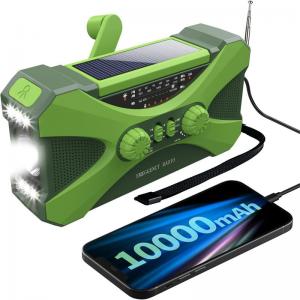
  • Power: AA/AAA batteries, rechargeable lithium, or hand-crank dynamo (no batteries needed)
  • Modes: High, low, strobe (for signaling)

6.2 Emergency Exit Lights

  • Type: LED maintained (always on) or non-maintained (only on when power fails)
  • Runtime: 30 to 90 minutes on battery backup
  • Installation: Wall-mounted above exit doors, or recessed ceiling
  • Certification: EN 1838 (Europe), CE

6.3 Glow Sticks

  • Runtime: 8 to 12 hours
  • Colors: Green (brightest, best for illumination), orange (visible in smoke)
  • Advantage: No batteries needed, waterproof, works in any temperature
  • Use: Snap to activate, shake, place along escape route or carry in hand

6.4 Headlamps

  • Brightness: 200 to 500 lumens
  • Runtime: 4 to 10 hours
  • Advantage: Hands-free illumination — useful when carrying children, using a fire blanket, or operating a descent device


Glow sticks emergency lighting for procurement points escape equipment supplier


7. Escape Ladder for Building Evacuation

An escape ladder is a portable or fixed ladder that can be deployed from a window to reach a lower floor or the ground. Suitable for lower to mid-rise buildings (typically below 10 floors).


Factory packaging of smoke hoods for replacement stock and organized after-sales escape equipment support


Product Types

7.1 Rope Ladder (Soft Ladder)

  • Length: 3 m (1 floor), 5 m (2 floors), 8 m (3 floors), 10 m (4 floors)
  • Material: Nylon or polyester rope sides with aluminum or wooden rungs
  • Load capacity: 150 kg to 300 kg
  • Storage: Folds into a compact bag, stored under bed or in closet
  • Installation: Hook over window sill or attach to wall anchor

7.2 Aluminum Folding Ladder

  • Length: 2.5 m to 5 m (telescopic or folding)
  • Material: Lightweight aluminum alloy
  • Load capacity: 150 kg
  • Use: Reach from balcony to lower balcony, or from window to ground for low floors


Full body harness for escape rope installation and usage instructions white background


8. Emergency Escape Kit and Earthquake Escape Kit

Bag material: 600D polyester Oxford cloth with PVC waterproof coating. Available colors: orange, red, navy blue. Custom logo printing available for OEM orders.


Emergency exit light sign for building evacuation safety white background


Our emergency escape kit wholesale packages offer competitive pricing for property management companies and government housing authorities.


A complete fire escape kit combines essential evacuation tools for high-rise apartment residents, including escape descent device, smoke hood, fire blanket and emergency whistle.


Comparison smoke hood vs face mask for fire escape respiratory protection


An emergency escape kit is a pre-assembled bag containing the essential items a household needs to escape quickly. It saves time compared to assembling items individually.


Three smoke alarms set for apartment building fire safety detection white background

Standard Kit Contents

  • 2 smoke hoods (one per adult, add more for larger households)
  • 1 fire blanket (1.2 x 1.2 m)
  • 1 LED flashlight with extra batteries
  • 1 pair of escape gloves (leather, heat-resistant)
  • 1 emergency whistle (100+ dB)
  • 1 roll of duct tape (seal doors against smoke)
  • 1 copy of building escape route map
  • 1 emergency contact card

Premium Kit Additions

  • Escape descent device (for buildings above 5 floors)
  • Full-body harness and descender
  • First aid trauma kit
  • Portable radio (battery or hand-crank)
  • Emergency water pouches (500 ml each, 5-year shelf life)


Escape equipment flat lay arrangement all products top view white background


9. Emergency Whistle for High Rise Evacuation

An emergency whistle is a simple but critical signaling device. When trapped or injured, a whistle can be heard through walls and smoke where shouting cannot. It requires no batteries and works indefinitely.


Comparison descent device vs rope ladder vs escape equipment options


Key Parameters

  • Volume: 100 to 120 dB (heard up to 1 km in open air)
  • Material: Plastic (lightweight, affordable) or aluminum/metal (durable, louder)
  • Design: Pealess (no moving parts, works when wet, recommended for emergency use) vs pea-type (classic, may stick when wet)
  • Attachment: Lanyard or keyring for carrying
  • Use: Three short blasts is the international distress signal


10. Common-Area Emergency Cabinets for Bulk Escape Gear and Wholesale Escape Equipment

Cabinet material: 1.2mm cold-rolled steel with powder coating, or ABS plastic for lightweight options. Lock type: key lock or break-glass emergency release. Mounting: wall-mounted with included hardware.


Forklift loading emergency escape equipment cartons for institutional building safety procurement


A common-area emergency cabinet is a wall-mounted cabinet in stairwells, lobbies and duty points that holds shared escape equipment for all residents. It is typically glass-fronted with a breakable seal for quick access.


Factory quality control Asian inspector examining escape descent device brake mechanism


Standard Cabinet Contents

  • 4 to 6 smoke hoods (for residents who do not have their own)
  • 2 fire blankets (1.5 x 1.5 m)
  • 2 LED flashlights
  • 1 first aid kit
  • 2 emergency whistles
  • 1 fire axe or pry bar (for forced entry if doors jam)
  • 1 building floor plan and escape route map
  • Equipment inspection log (mounted inside cabinet door)

Cabinet Placement

  • One per floor in stairwell landing (visible, accessible)
  • One in main lobby near reception
  • One in basement/parking area
  • One near rooftop access (for shelter-in-place on roof)


High-rise apartment emergency escape scenario person using descent device with smoke hood realistic scene


High Rise Escape Equipment List and Product Comparison Table

Product Group Core Function Key Parameter Best For
Escape Descent Device Controlled descent from window/balcony 0.5-1.5 m/s, 100-200 kg Floors 5-30, all residents
Smoke Hood Filter toxic smoke and gases 15-60 min protection All floors, every resident
Fire Blanket Smother small fires / body protection 1.0-1.8 m, 550-1000°C Kitchen, bedroom, common areas
Escape Rope System Manual rope descent 8-12 mm, 15-30 kN Floors below 10, trained staff
Smoke Alarm Early fire detection and warning 85+ dB, 10-year life Every bedroom, every floor
Emergency Lighting Illuminate escape routes in dark 200-1000 lm, 4-12 hr Stairwells, hallways, households
Escape Ladder Reach lower floor/ground from window 3-10 m, 150-300 kg Floors below 10
Escape Kit Pre-assembled escape essentials 2-8 items per kit Households, quick deployment
Emergency Whistle Signal for help when trapped 100-120 dB Every resident, every kit
Common-Area Cabinet Shared equipment for all residents 4-6 hoods, 2 blankets, tools Stairwells, lobbies, duty points


Escape descent device installed in apartment balcony application scenario


30-Second Quick Selection Guide for OEM Escape Equipment

For oem fire escape equipment orders, we offer custom branding on escape devices, smoke hoods and fire blankets with minimum order quantities starting from 100 units. For mobility-impaired residents, an evacuation chair or stair evacuation device can be added to the building emergency plan.


Quality inspection of escape rope hardware for high-rise emergency evacuation equipment


Not sure where to start? Answer these three questions: Our high-rise emergency escape equipment meets international safety standards for residential and commercial building evacuation.


Warehouse packing Asian worker packing emergency escape kits into cartons


  1. How tall is your building? Below 10 floors = escape ladder + rope system. 10-30 floors = escape descent device + smoke hood. Above 30 floors = smoke hood + emergency lighting + shelter-in-place plan.
  2. How many residents? One smoke hood per person minimum. One escape kit per household. One common-area cabinet per floor.
  3. What is your budget? Basic = smoke hoods + fire blankets + flashlights + smoke alarms. Standard = add escape descent devices + common-area cabinets. Premium = add full rope systems + interconnected smoke alarms + emergency exit lighting.


Floor by Floor Escape Equipment Selection for High Rise Safety Equipment

For government emergency escape procurement projects, we provide floor-by-floor equipment configuration plans and bulk pricing for entire buildings.


High rise emergency escape equipment showing 24 emergency lighting alarm set white bg for government building safety procurement


Building Height Core Equipment Supplementary Notes
Below 5 floors Smoke hoods, fire blankets, escape ladders, flashlights Escape rope (trained staff), smoke alarms Escape ladder reaches ground from most windows
5 to 10 floors Smoke hoods, fire blankets, escape descent devices (20-30 m), flashlights Escape rope systems, common-area cabinets, smoke alarms Descent device rope reaches ground; ladder may not
10 to 20 floors Smoke hoods, escape descent devices (30-50 m), emergency lighting, smoke alarms Fire blankets, common-area cabinets, escape kits Descent device is primary escape tool; hoods for shelter wait
20 to 30 floors Smoke hoods (60 min), escape descent devices (50 m), interconnected smoke alarms, emergency exit lighting Fire blankets, common-area cabinets, refuge floor supplies Combine descent device with refuge floor strategy
Above 30 floors Smoke hoods (60 min), emergency lighting, interconnected smoke alarms, shelter-in-place supplies Escape descent devices (for lower sections), common-area cabinets, fire blankets Descent device may not reach ground; focus on smoke protection and refuge floors. Coordinate with building fire elevator and refuge floor protocols.


Scenario-Based Selection: Fire Escape Equipment, Earthquake Escape Kit and Power Outage Emergency

Typical configuration per apartment: 1 escape descent device (100kg capacity, 15m rope), 2 smoke hoods (15min protection), 1 fire blanket (1.2m×1.2m), 1 escape rope set (8mm×15m, 150kg), 2 smoke alarms, 1 emergency flashlight, 1 emergency whistle.


Building corridor emergency scene exit sign fire extinguisher and emergency cabinet


Fire Scenario

  • Smoke hoods are the most critical item — smoke kills more people than flames.
  • Fire blankets for small kitchen fires and body protection during escape.
  • Escape descent devices for when stairwells are blocked by smoke.
  • Smoke alarms for early warning — every minute of advance notice saves lives.
  • Emergency lighting for when power fails and stairwells go dark.

Earthquake Scenario

  • Emergency lighting (flashlights, headlamps, glow sticks) — power may be out for days.
  • Escape kits with water, first aid, whistle, and radio.
  • Fire blankets — earthquakes often cause gas leaks and fires.
  • Smoke alarms — still needed for post-earthquake fires.
  • Escape descent devices — stairwells may be damaged or blocked by debris.

Power Outage Scenario

  • Emergency exit lighting — illuminates stairwells and exit paths.
  • Flashlights and headlamps — for household use and navigating common areas.
  • Glow sticks — no batteries needed, mark escape routes.
  • Smoke alarms with battery backup — hardwired alarms fail when power goes out.


Fire escape smoke hood respirator for high-rise emergency evacuation white background

Escape Device Installation, Smoke Hood Usage and Usage Notes

Escape Descent Device Installation

  1. Install anchor bracket on wall beside window or balcony using expansion bolts (minimum 4 bolts, 10 mm diameter).
  2. Test anchor by applying 200 kg load for 5 minutes.
  3. Store device in wall-mounted cabinet or sealed bag near the anchor point.
  4. Label the cabinet clearly: "EMERGENCY ESCAPE DEVICE — IN CASE OF FIRE".
  5. Conduct annual inspection: check rope for fraying, brake for smooth operation, anchor for tightness.

Smoke Hood Usage

  1. Tear open vacuum-sealed package.
  2. Remove both end plugs from the filter canister (one on each side).
  3. Pull hood over head, visor facing forward.
  4. Pull neck elastic tight to create a seal.
  5. Walk normally through smoke — do not run. Breathe normally.
  6. Once outside, remove hood and discard (single-use only).

Fire Blanket Usage

  1. For small fires: pull tabs to release blanket, hold by top corners, place over fire starting from near side to far side. Do not throw. Leave in place until completely cool.
  2. For body protection: wrap blanket around shoulders and body, tuck in edges. Move quickly through heat or flame.
  3. Do not use on deep fat fryer fires over 1 meter in diameter — use a Class F extinguisher instead.

Maintenance and Inspection Schedule for Escape Equipment

Equipment Inspection Frequency What to Check Replacement
Smoke Hood Every 6 months Vacuum seal intact, no damage, within shelf life Every 3-5 years or if seal broken
Fire Blanket Every 12 months No tears, no contamination, packaging intact After use, or every 5 years
Escape Descent Device Every 12 months Rope condition, brake operation, anchor tightness, harness webbing Rope every 5 years, device every 10 years
Escape Rope Every 6 months No fraying, no cuts, no UV damage, carabiners lock properly After any load-bearing fall, or every 5 years
Smoke Alarm Test monthly Press test button, alarm sounds, battery not low Battery annually, unit every 10 years
Flashlight Every 3 months Turn on, check brightness, batteries not corroded Batteries every 6-12 months
Emergency Exit Light Every 30 days (30 sec test), annually (90 min test) Lights work on battery, runtime meets spec Battery every 3-5 years, LED every 10 years
Glow Sticks Every 12 months Not activated, within shelf life (typically 2-4 years) Every 2-4 years or if activated
Emergency Whistle Every 12 months Blows clearly, no cracks, lanyard intact If damaged or does not sound
Common-Area Cabinet Every 3 months All contents present, seals intact, no expired items, log signed Replace expired items immediately


Certification and Standards from China Escape Equipment and Escape Equipment Manufacturer

As an experienced fire escape equipment china manufacturer, we ensure all products pass CE and EN certification testing before shipment. As a reliable China factory with over 20 years of export experience, we ensure consistent quality and competitive pricing for bulk orders.


High rise emergency escape equipment showing 08 full body harness white bg for government building safety procurement


  • Smoke Hoods: GB 21976.1 (China), CE EN 403 (Europe)
  • Fire Blankets: CE, BS EN 1869 (Europe)
  • Escape Descent Devices: CE, GB 21976 (China fire safety)
  • Escape Ropes and Harnesses: UIAA (rope), EN 361 (harness), CE
  • Smoke Alarms: EN 14604 (Europe), UL 217 (USA)
  • Emergency Exit Lighting: EN 1838 (Europe), CE
  • Fire Extinguishers (if included): EN 3 (Europe), CE

We can help arrange third-party test reports based on your project requirements. Specific certification needs depend on your destination country and project type. Our factory maintains strict quality control processes to ensure every product meets international standards.


High rise emergency escape equipment showing 12 led headlamp white bg for government building safety procurement

8 Key Procurement Points for Escape Equipment Supplier and High Rise Safety Equipment

Reference pricing ranges (FOB China): escape descent device USD 35-80/unit, smoke hood USD 3-8/unit, fire blanket USD 2-6/unit, escape rope set USD 15-35/set. MOQ: 100 units per product, 500 units for OEM custom branding. Lead time: 25-35 days for standard orders, 35-45 days for OEM. Our factory maintains strict quality control processes to ensure every product meets international standards.


High rise emergency escape equipment showing 20 quality control smoke hood asian for government building safety procurement


Choosing the right high-rise escape equipment supplier requires evaluating product certification, production capacity and after-sales support for bulk orders.

  1. Building height and floor count: Determines rope length for descent devices and whether ladders are feasible.
  2. Number of residents and households: Determines quantity of smoke hoods (one per person minimum) and escape kits.
  3. Common-area layout: Number of floors, stairwells, lobbies, and duty points determines common-area cabinet quantity and placement.
  4. Power supply type: Hardwired emergency exit lighting requires building electrical work; battery-powered units are simpler to install.
  5. Smoke alarm interconnection: Wireless interconnection is easier to install; hardwired is more reliable but requires electrical work.
  6. Resident training level: If residents are untrained, prioritize automatic escape descent devices over manual rope systems.
  7. Local fire code requirements: Some countries mandate specific equipment types, quantities, and certifications. Confirm with local authorities.
  8. Maintenance responsibility: Determine who will inspect and replace equipment (property management, building owner, or third-party service) and plan accordingly.


FAQ About High Rise Escape Equipment, Emergency Escape Kit and Escape Equipment Supplier

Q1: What is the most important piece of high-rise escape equipment?

Smoke hoods. In a high-rise fire, smoke and toxic gases are the leading cause of death, not flames. A smoke hood gives 15 to 60 minutes of clean air to walk through a smoke-filled stairwell. Every resident should have one, plus spares in common-area cabinets. Wholesale customers receive priority production slots and dedicated account management.

Q2: Can an escape descent device be used from any floor?

Escape descent devices are available with rope lengths from 10 m to 50 m, covering approximately 3 to 17 floors. For buildings above 30 floors, a single descent device may not reach the ground. In very tall buildings, combine descent devices with smoke hoods for shelter-in-place waiting, and coordinate with building refuge floors and fire elevator protocols.

Q3: How long does a smoke hood protect the user?

Standard smoke hoods provide 15 to 30 minutes of protection. Extended models provide up to 60 minutes. The actual duration depends on the concentration of smoke and toxic gases. In heavy smoke, the filter may clog faster. Always move toward fresh air as quickly as possible.

Q4: What size fire blanket do I need for a household?

For a standard household kitchen, a 1.2 x 1.2 m fire blanket is sufficient for most pan fires. For body wrap protection during escape, a 1.5 x 1.5 m or 1.8 x 1.8 m blanket provides better coverage. We recommend one 1.2 x 1.2 m blanket in the kitchen and one 1.5 x 1.5 m blanket in a bedroom or hallway.

Q5: How often should smoke alarms be replaced?

Smoke alarms have a maximum service life of 10 years from manufacture date, even if they still pass the test button. Replace the entire unit after 10 years. Batteries should be replaced annually (for 9V or AA models) or when the low-battery chirp sounds. 10-year sealed lithium battery models do not require battery replacement — replace the entire unit after 10 years.

Q6: What is the difference between a static rope and a dynamic rope for escape?

A static rope has very low stretch (less than 5%) and is designed for rappelling, rescue, and escape. It provides a controlled, predictable descent. A dynamic rope is designed for climbing and stretches 30-40% to absorb the energy of a fall. For escape purposes, static rope is recommended because it does not stretch unexpectedly during descent. Dynamic rope can be used but is not ideal for controlled escape.

Q7: How many smoke alarms does a high-rise apartment need?

At minimum: one in each bedroom, one in the hallway outside sleeping areas, and one on each floor. For a typical 3-bedroom apartment, that is 4 to 5 alarms. For common areas, one per floor in stairwell landings and one in the lobby. Interconnected alarms ensure that an alarm triggered anywhere in the building sounds everywhere.

Q8: Can escape descent devices be reused after one person descends?

Yes. Most escape descent devices are designed for multiple uses. After one person reaches the ground, the descent line returns to the starting point (either by a return rope or by the user detaching and the line being pulled back up). The device can then be used by the next person. However, after any use, the rope and brake should be inspected for damage before reuse. Ropes should be replaced after 5 years or after any significant load event.

Q9: What should be in a common-area emergency cabinet?

A standard common-area cabinet contains: 4 to 6 smoke hoods, 2 fire blankets (1.5 x 1.5 m), 2 LED flashlights, 1 first aid kit, 2 emergency whistles, 1 fire axe or pry bar, 1 building floor plan, and an equipment inspection log. Cabinets should be wall-mounted in stairwell landings, lobbies, and duty points, with a breakable glass seal for quick access.

Q10: How do I choose between an escape descent device and an escape ladder?

For buildings below 5 floors, an escape ladder (rope or aluminum) is simpler, cheaper, and requires less training. For buildings 5 floors and above, an escape descent device is safer because it automatically controls descent speed, requires no training to use, and can handle longer drops. Ladders above 10 m become difficult to climb safely, especially for children, elderly residents, or people carrying others.

Q11: What emergency lighting is required for high-rise stairwells?

High-rise stairwells require maintained emergency exit lighting that illuminates the path to the exit. These are typically LED fixtures mounted on walls or ceilings, with battery backup providing 30 to 90 minutes of illumination when main power fails. In addition, we recommend portable flashlights or glow sticks in common-area cabinets for backup. Check local fire codes for specific lux-level requirements at floor level.


High rise emergency escape equipment showing 25 fire blanket multiple colors white bg for government building safety procurement

Q12: How long do glow sticks last and are they reliable?

Glow sticks last 8 to 12 hours once activated, depending on the size and chemical formulation. They are extremely reliable because they require no batteries, are waterproof, and work in any temperature. Unactivated glow sticks have a shelf life of 2 to 4 years. They are ideal for marking escape routes, placing along stairwell floors, and as a backup light source when flashlights fail or batteries run out.

Q13: Can smoke hoods be used by children?

Yes, smoke hoods are designed to fit most head sizes including children. The elastic neck band creates a seal regardless of head size. However, very young children (under 3 years) may need assistance putting on the hood. We recommend practicing hood placement with all household members during fire drills. For infants, a smoke hood may not fit properly — in that case, wrap the infant in a fire blanket or wet towel and carry them while the adult wears a hood.

Q14: What is the shelf life of escape equipment?

Shelf life varies by product: smoke hoods 3-5 years, fire blankets 5 years (or after use), glow sticks 2-4 years, escape ropes 5 years, smoke alarms 10 years, emergency exit light batteries 3-5 years, escape descent devices 10 years (rope replaced every 5 years). Always check manufacture dates when receiving new stock, and label each item with expiration date for easy inspection.

Payment Terms and MOQ for High-Rise Escape Equipment

We offer clear payment terms for wholesale high-rise emergency escape equipment and fire escape gear orders. Our standard order process ensures smooth transaction for property management companies, government housing authorities and commercial buyers.

  • Standard Order Payment: 30% T/T deposit upon order confirmation, 70% balance before shipment. Applies to ready-made escape equipment configurations.
  • Customized/OEM Order Payment: 50% T/T deposit upon order confirmation, 50% balance before shipment. Applies to OEM private label escape gear, custom kit configurations and non-standard products.
  • Sample Order Payment: Full payment in advance for sample orders. Sample cost can be deducted from subsequent bulk orders above 500 units.
  • Minimum Order Quantity (MOQ): Standard escape equipment: 100 units per product category. Complete fire escape kit: 50 kits. OEM private label orders: 500 units per product with custom logo printing.
  • Lead Time: 25-35 days for standard orders, 35-45 days for OEM customized orders. Sample delivery: 5-7 working days.


Packing Specifications and Container Loading for Escape Equipment

Standard packing configurations are designed for efficient container loading and safe international transportation of high-rise escape equipment.

Product Packing Carton Size (cm) Qty/Carton G.W./Carton
Escape Descent Device Foam-padded carton 45×35×25 5 units 18-22 kg
Smoke Hood Vacuum pack + carton 40×30×20 20 units 8-10 kg
Fire Blanket Plastic case + carton 50×40×30 20 units 12-15 kg
Escape Rope Set Equipment bag + carton 60×40×25 10 sets 20-25 kg
Smoke Alarm Individual box + carton 40×30×20 50 units 8-12 kg
Complete Escape Kit Equipment bag + carton 70×50×40 5 kits 25-30 kg


Container Loading: 20GP: approximately 800-1200 cartons of mixed escape equipment. 40GP: approximately 1800-2500 cartons. 40HQ: recommended for bulky items like escape ladders and complete kits. All cartons marked with product name, quantity, gross weight, dimensions and country of origin.

Trade Terms: FOB China / China standard. FCA factory delivery available for customers with own forwarders. CIF and DDP available upon request for selected destinations.

Quality Control and Inspection for Escape Equipment

Every unit of high-rise escape equipment passes through a three-stage quality control process before shipment. Our QC team ensures all products meet CE, EN and ANSI safety standards. As a China supplier with strict quality control, we ensure every unit passes CE and EN certification before shipment. Our factory provides comprehensive after-sales support including spare parts and technical guidance.

Incoming Material Inspection (IQC)

All raw materials inspected upon arrival: fiberglass fabric for fire blankets (weave density and temperature resistance test), ABS plastic for smoke alarms (flame resistance test), steel wire for escape ropes (tensile strength test), and electronic components for smoke alarms (functionality test). Only materials passing IQC are released to production.

In-Process Quality Control (IPQC)

Periodic inspections at each workstation: escape descent device brake system testing (simulated load at 1.5 times rated capacity), smoke hood filter efficiency testing (CO filtration rate), fire blanket stitching integrity check, escape rope diameter and breaking strength verification. Each production batch has designated QC inspector.

Final Inspection (FQC) and AQL Sampling

Finished products inspected using AQL 2.5 sampling standard for general appearance and packaging, with 100% functional testing for safety-critical items: every escape descent device is load tested, every smoke hood is seal checked, every fire blanket is dimension verified. Third-party inspection by SGS, BV or Intertek available upon customer request.


Warehouse sealing emergency escape equipment cartons for organized replacement and after-sales support


After-sales Support and Warranty for Escape Equipment

We provide comprehensive after-sales support for all high-rise emergency escape equipment and fire escape gear.

  • Warranty Period: 24 months for escape descent devices (mechanical components), 12 months for smoke alarms and emergency lighting (electronic components), 6 months for consumable items like smoke hoods and fire blankets from date of delivery.
  • DOA (Dead on Arrival) Policy: Any product found defective or non-functional upon arrival must be reported within 7 days with photo/video evidence. We replace defective units free of charge on next shipment, or issue credit note. Return shipping cost borne by our side for verified manufacturing defects.
  • Spare Parts Supply: We maintain stock of common spare parts: descent device brake pads, smoke alarm batteries, fire blanket mounting brackets, escape rope connectors and carabiners. Spare parts available at cost price during and after warranty period.
  • Technical Support: English-language technical support via email and WhatsApp within 24 hours. We provide installation manuals, usage guides, video tutorials and troubleshooting documentation for all escape equipment.
  • Replacement Program: Smoke hoods and fire blankets have recommended replacement cycles (5 years for smoke hoods, 3 years for fire blankets if unused). We offer discounted replacement pricing for repeat customers to ensure building safety compliance.


High rise emergency escape equipment showing 04 smoke hood worn white bg for government building safety procurement


  • Emergency Lighting and Torches for Disaster Response — Portable and fixed lighting for shelters and field operations.
  • Fire Rescue Team Equipment for Municipal Procurement — Professional-grade PPE, tools and breathing apparatus for fire departments.
  • 72-Hour Family Emergency Kit for Earthquake and Flood — Pre-assembled household survival kits with food, water and first aid.
  • Earthquake Emergency Rescue Supplies for Search and Rescue Teams — Life detectors, hydraulic breaching tools and rope rescue systems.
  • Community Shelter Blankets for Emergency Housing — Bulk blankets for evacuation centers and temporary shelters.
  • Emergency Tents and Tarps for Disaster Relief — Temporary shelter solutions for field hospitals and evacuation camps.


Download the Product Catalogue

Review the wider emergency equipment range and use it for initial product screening.


View Related Product Solutions

Continue to coordinated emergency supply packages and related product categories.


Download Catalogue
View Solution Packages


High rise emergency escape equipment showing 30 fire blanket kitchen wall for government building safety procurement


prawa autorskie © Custom Disaster - Relief Bedding: Tents, Sleeping Bags, Blankets Wszelkie prawa zastrzeżone

Zostaw wiadomość

    Jeśli masz pytania lub sugestie, zostaw nam wiadomość, a my odpowiemy tak szybko, jak to możliwe!


profesjonalny zespół do obsługi !