Hospital blankets go through receiving, ward issue, use, return and laundry. If purchasing, linen room and outsourced laundry do not agree on measurable specs before the RFQ, the order looks right on paper but causes friction every day after arrival.
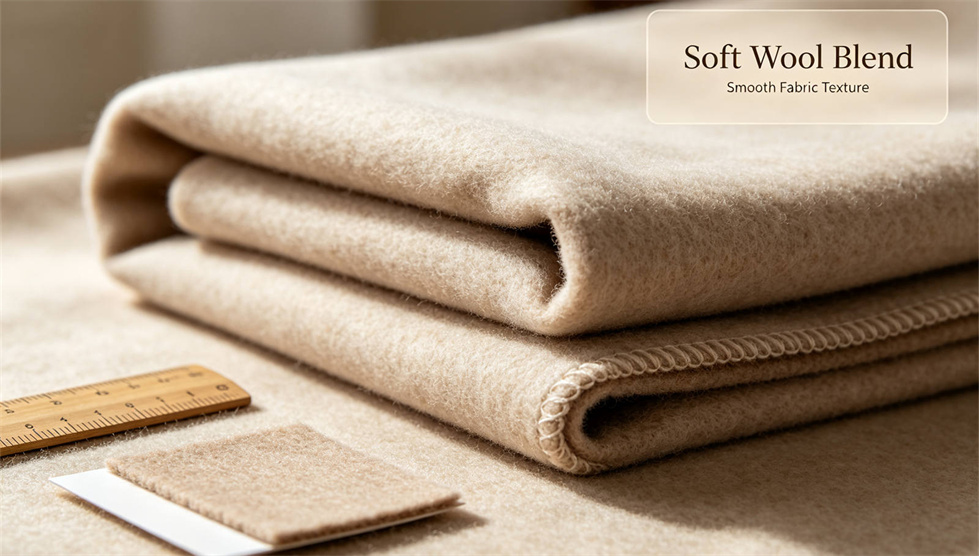
Confirm all product parameters and documents in the current quote, item by item, before production.
Decide the route before you compare prices
Hospital blankets do not all move the same way. Some go to central stores first. Some go straight to wards. Some go to staff rest areas. Some go out to a contracted laundry. Each route changes packing and label needs.
Central stores need stable carton marks and fixed counts. Direct-to-ward delivery needs destination labels and a receiving contact. Laundry-return blankets need care labels that stay readable and a product version linked to the facility's process. These are purchasing items, not medical claims.
Bring linen room and laundry people into sample approval
Purchasing can compare prices, but the linen room checks folding, counts, label position and return counting. Ward staff care about color identification and easy issue. The outsourced laundry may need to confirm care labels and packing identity before they accept the goods.
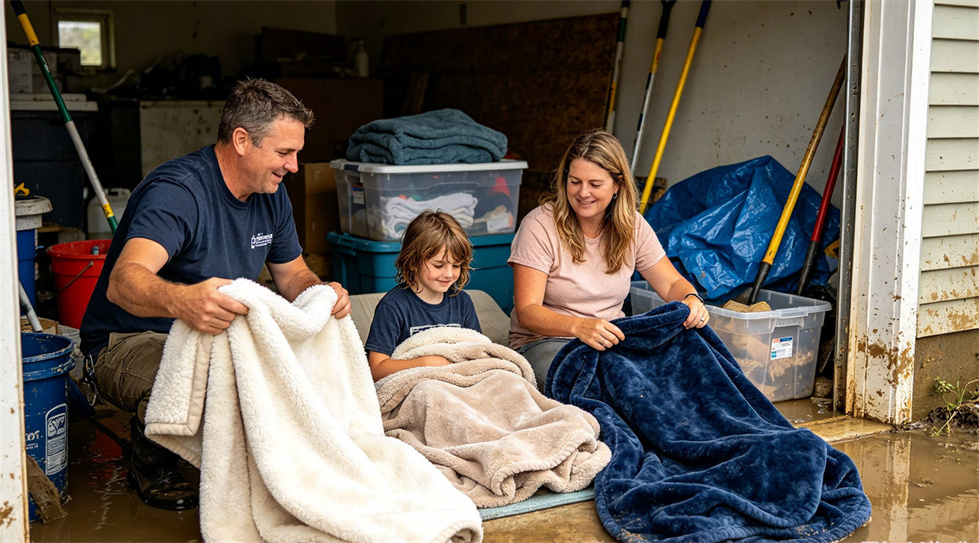
If these people do not see the sample early, the blanket passes the quote stage but creates daily work after delivery.
Separate what we control from what you control
We confirm material, size, weight, edges, labels, packing, carton marks and batch records. Your facility controls who issues, who receives, who approves replacement, and how clean and dirty goods are separated.
We support your process with clear labels, packing by ward and batch traceability. We do not claim medical, antibacterial or infection-control performance on a product page. If you need a specific test, name the method and pass level in the RFQ.
Tell us these details before you order
Quantity by ward or site, planned issue route, color or identification method, packing form, care label needs, receiving contact and any test report request. This lets the quote support receiving, internal issue and later reorders.
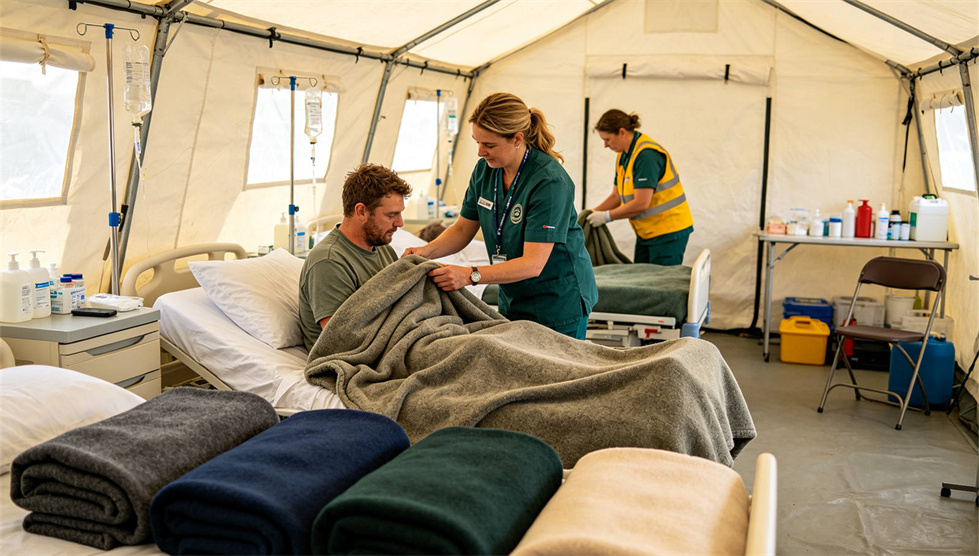
Connect purchasing, receiving, laundry and ward staff to one spec. Say who approves the product, who checks incoming cartons, and who decides a used blanket goes back or gets replaced. We return a matching product plan and documents; we do not claim medical or infection-control performance that was never tested.
Hospital blankets are a facility product, not a medical device. One spec may serve wards, central store, staff rest areas and an outsourced laundry at the same time. Keep what we confirm (material, size, weight, labels, packing, batch) separate from what your facility controls (issuing, receiving, clean/dirty separation, replacement).
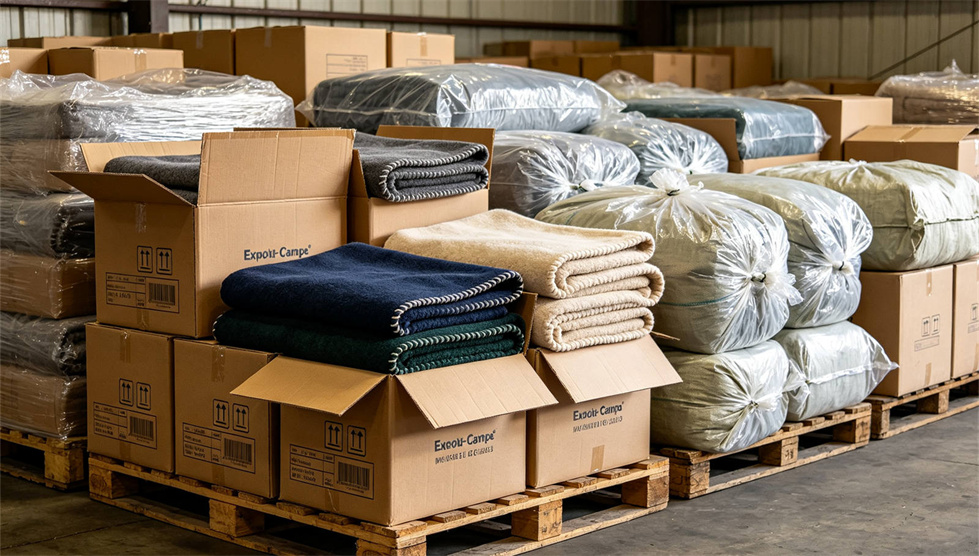
If you need a specific test, name the method and pass level in the RFQ. Send quantity by ward, issue route, color or ID method, packing form, care label needs and receiving contact so the quote supports receiving, internal issue and reorders.
Keep four stock types straight: central receiving, ward issue, laundry turnover and reorder stock. Each needs a quantity, a destination, a packing method and a named receiver. At every handover (receiving, ward distribution, return, laundry, replacement) the product ID must be visible and someone must own the decision. A short RFQ with quantities by department, use route, laundry limits, color, packing and document needs cuts back-and-forth.
Before production, re-check that the chosen spec still matches the sealed sample, approved labels and packing plan. If the route changed, record it in writing before goods are made.
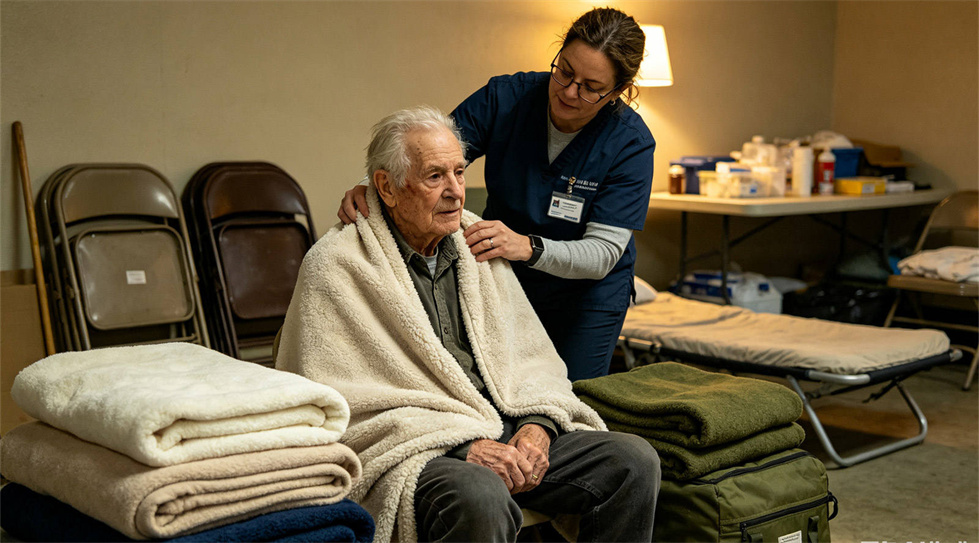
Define clean/dirty separation, protected storage, label readability and return control. Do not demand hygiene results that no one can verify from the product alone.
Product selection and cleaning practice are separate: we confirm delivery fields; your facility controls its own operating procedures. The purchasing record connects both sides, but cannot promise a result that neither side can verify alone.
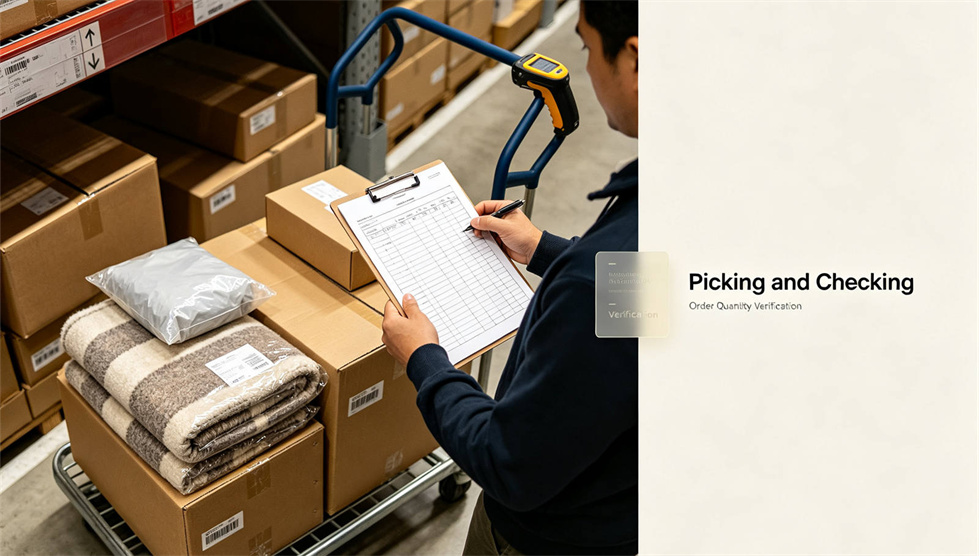
Purchasing, receiving and laundry teams each review the sample fields that affect their work. Receiving staff often spot packing and label problems that purchasing misses, so they should confirm counting, identification and exception handling. Product performance conclusions must still come from the agreed evaluation.
These are standard specs for hospital and institutional blankets. Higher or project-specific standards can be customized per requirement:
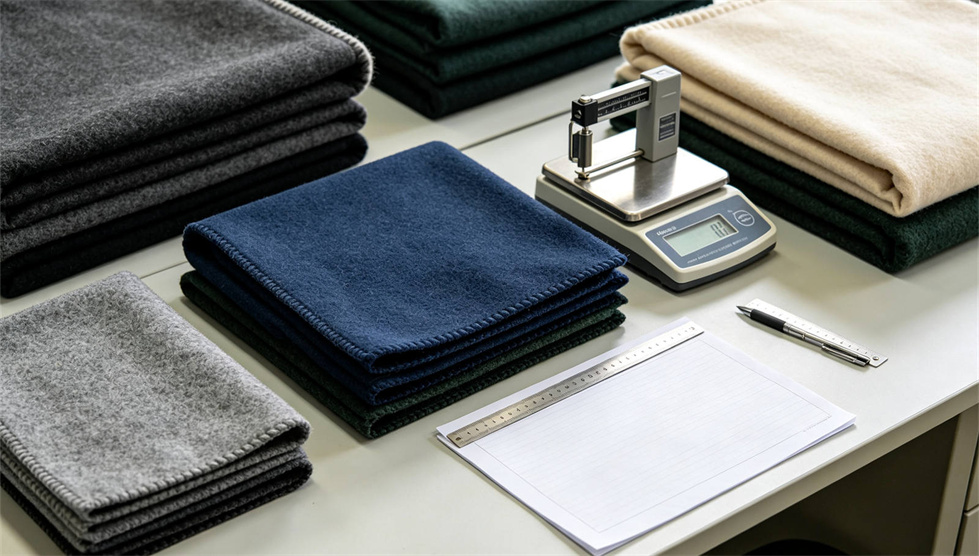
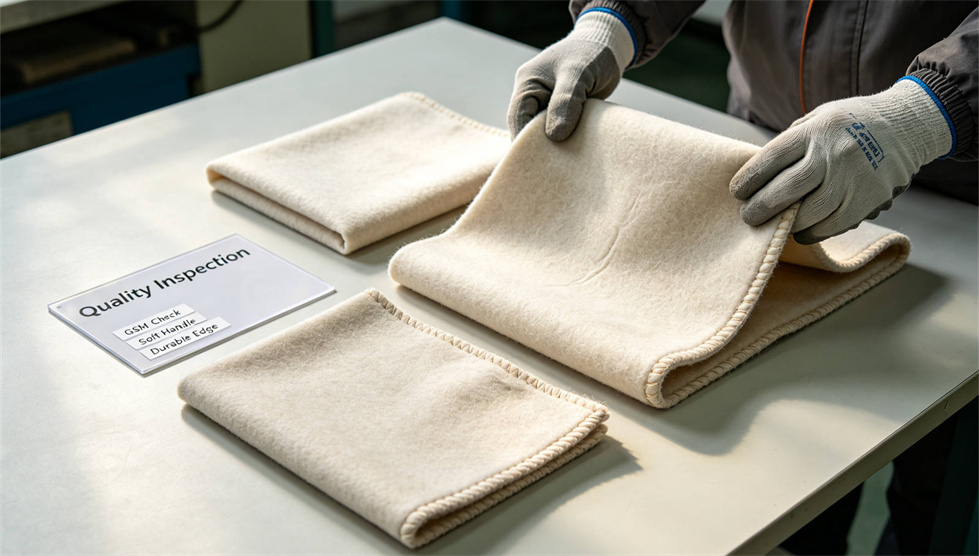
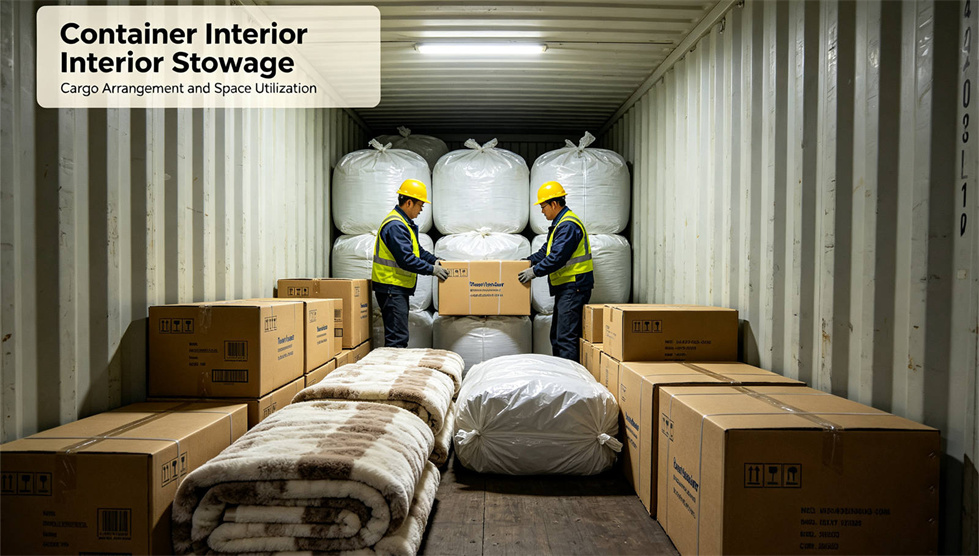
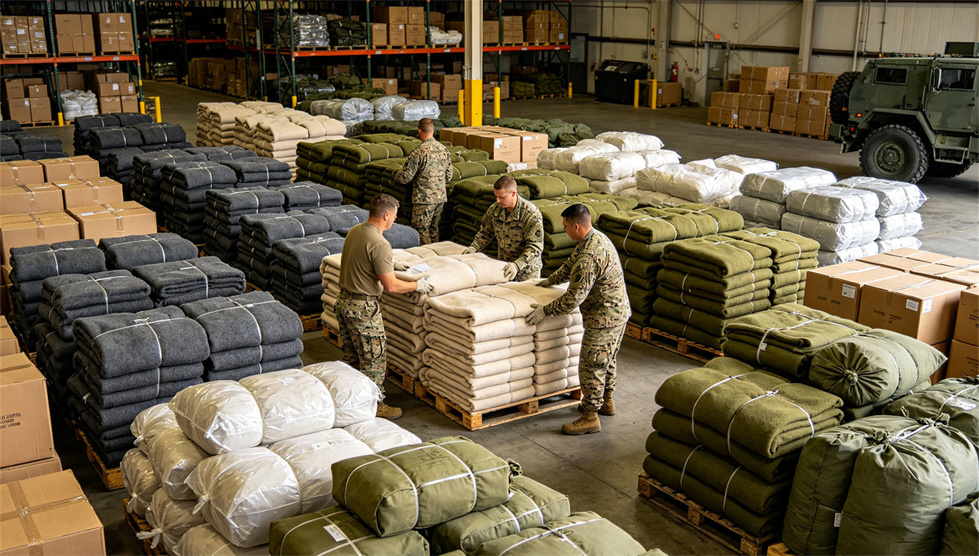
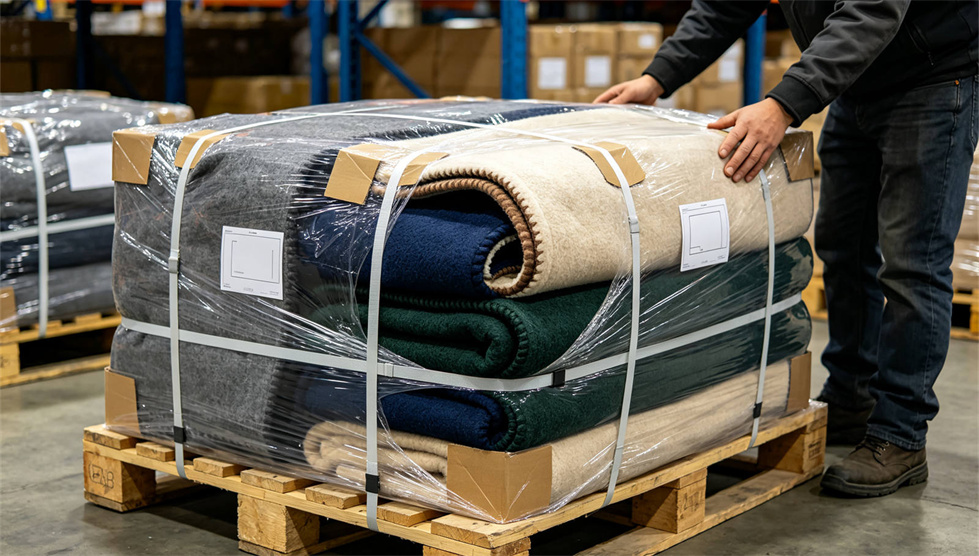
Choose individual or bulk packing based on counting, storage, unpacking labor and destination distribution. Calculate unpacking, counting, storage and issue work for each destination. Compact packing that saves warehouse space may create heavy unpacking or re-bagging work at the ward end.
For full facility fit-out, these items are often ordered with matching wash and safety standards:
Define actions for correct goods, missing documents, damaged cartons, quantity discrepancies and wrong products. The decision tree should state what photos, measurements and document checks each exception needs, and whether goods are accepted conditionally, isolated or rejected, plus who closes the issue.
When a measurable or visible deviation appears, segregate affected units and document the agreed disposition in writing before the goods enter service.
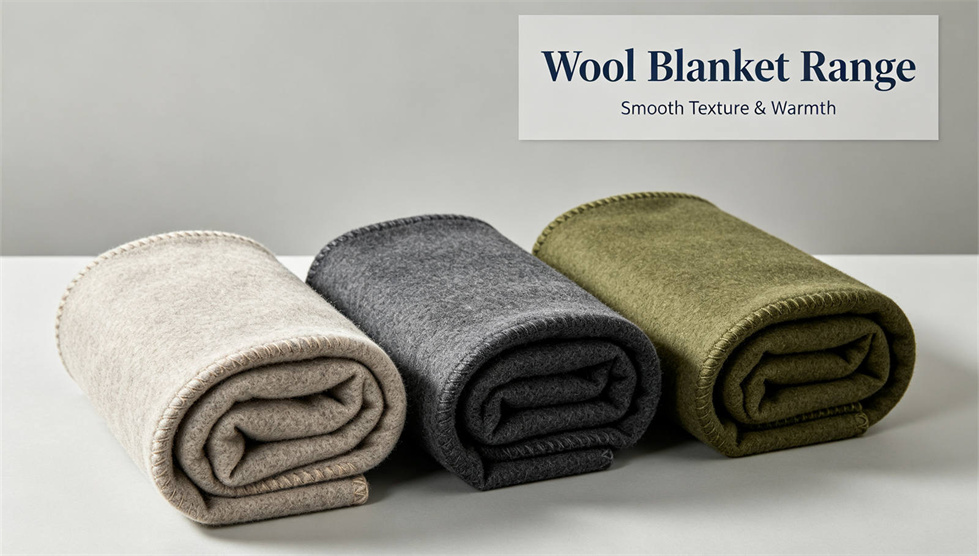
How should the scope of a hospital blanket project be defined before the RFQ?
Define buyer role, destination split, quantity, actual use process and decision responsibility, then put product spec, packing, labels, documents and receiving fields into the RFQ separately.
How should a hospital blanket project match the product line?
Select the matching product line from the detail page first, then confirm with the current spec, identified sample and current quote. Do not apply composition, dimensions, performance or documents from another blanket to this project.
What should be recorded at sample approval?
Record sample identity, spec version, visible configuration, measurement method, label position, proposed packing and approver. The sample only proves the fields actually reviewed.
Why confirm packing early?
Packing affects counting, destination split, storage, internal issue and exception handling. Before confirming carton data or freight, confirm individual or bulk form, pieces per carton, label visibility, destination codes and packing list fields.
What document support is needed?
The buyer should list the spec, material, care, label, packing or material-statement documents the project actually needs and their purpose. We only confirm documents supported by the current product, order scope and corresponding batch.
How are receiving exceptions handled?
First record affected quantity, product or batch identity, photos or measurements and packing condition, then isolate, accept, rework, replace or reject per the pre-agreed authority.
What changes trigger re-review?
When product, material wording, color, construction, labels, packing, document scope, destination or responsible person changes, re-check sample, artwork, quote and receiving records, and confirm differences before production.
How do you keep repeat orders consistent?
Compare the new quote item by item against the retained spec, sample record, labels, packing, documents and last receiving result. "Same as last time" does not replace measurable fields and current written confirmation.
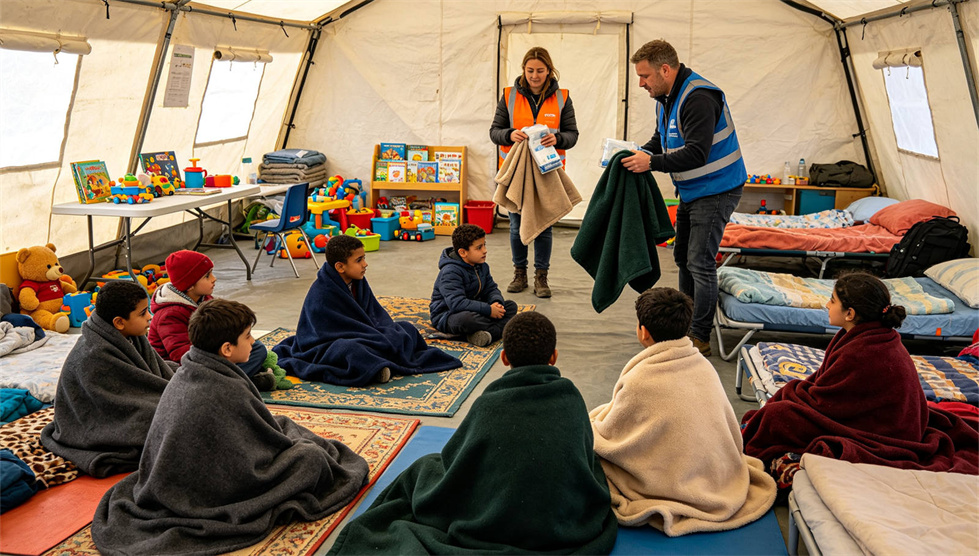
Are the blankets resistant to chlorine bleach?
Standard hospital blankets are made with color fastness to chlorine bleach ≥ grade 3-4. Tell us your disinfection process and bleach concentration in the RFQ so we can confirm the right fabric and dyeing process.
What wash temperature do they handle?
Standard institutional blankets withstand industrial washing at up to 90°C. Polyester options handle 100+ washes; poly-cotton blends 50+ under normal institutional use. Exact life depends on wash chemistry and process.
Do care labels stay on after repeated washing?
Labels are sewn in with thread only (not hang tags) and are rated to stay readable through 50+ industrial washes. We recommend verifying label readability on the sample before bulk production.
Can you pack by ward or department?
Yes. Tell us the allocation by ward, building or destination before cartons are finalized. We pack and mark cartons separately for each group with its own packing list, so receiving can distribute without re-sorting.
What colors work for hospital use?
White, light blue and light green are common for wards; darker colors work for staff rest areas. We can match facility-approved colors. Confirm the exact shade on a physical sample, since photos cannot confirm exact color.
What is the formaldehyde level?
For direct skin contact, standard formaldehyde is ≤75mg/kg. If your facility has a stricter limit, name it in the RFQ and we will confirm the applicable test report at buyer cost.
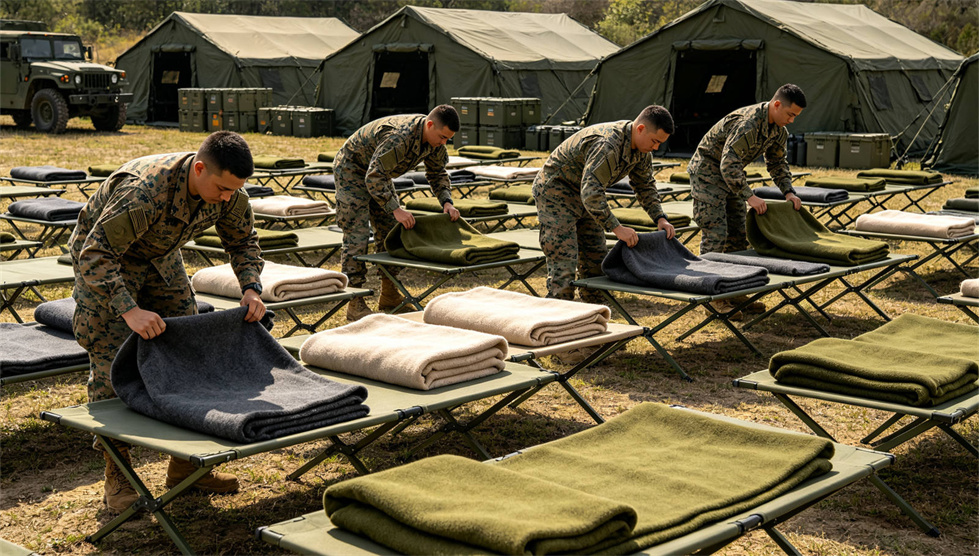
Please provide quantity by destination, required spec, packing, labels, documents, acceptance method and target delivery window.
View the blanket overview, matched product detail and related procurement article.
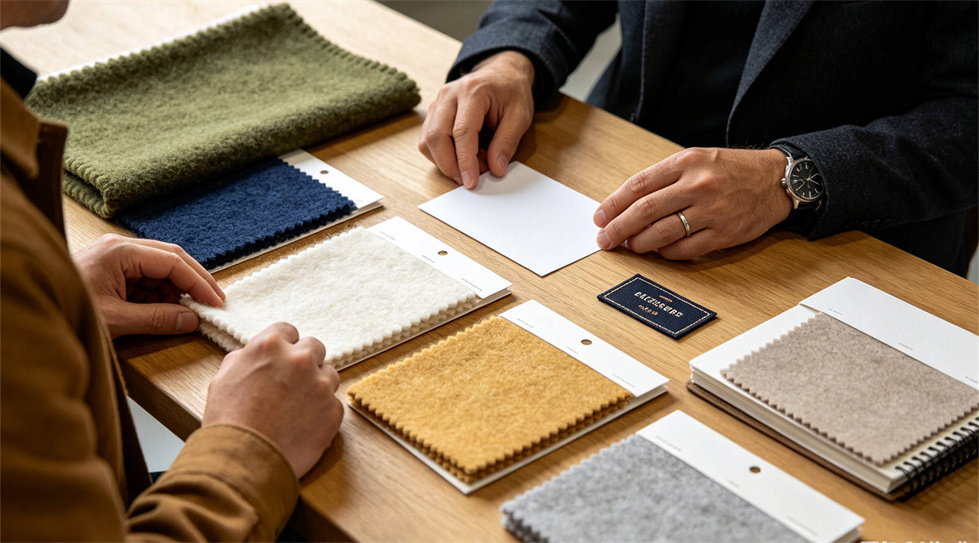 |
 |
|
Send project requirements for a matched blanket quotation. |
Review the blanket product range and prepare a shortlist for your procurement project. |
Continue with the blanket overview and articles directly related to this purchasing task.
| Project field | Buyer confirms | Supplier returns |
|---|---|---|
| Quantity and allocation | Destination, batch, packing and reorder unit | Split quantities, packing method and handover list |
| Receiving and exceptions | Receiving responsible person, batch identity and deviation handling | Sample basis, batch records and exception closure method |
YRF | 20 Years Emergency Relief Manufacturer
Przyjazne linki :
prawa autorskie © Custom Disaster - Relief Bedding: Tents, Sleeping Bags, Blankets Wszelkie prawa zastrzeżone
profesjonalny zespół do obsługi !